
 Suro Senen
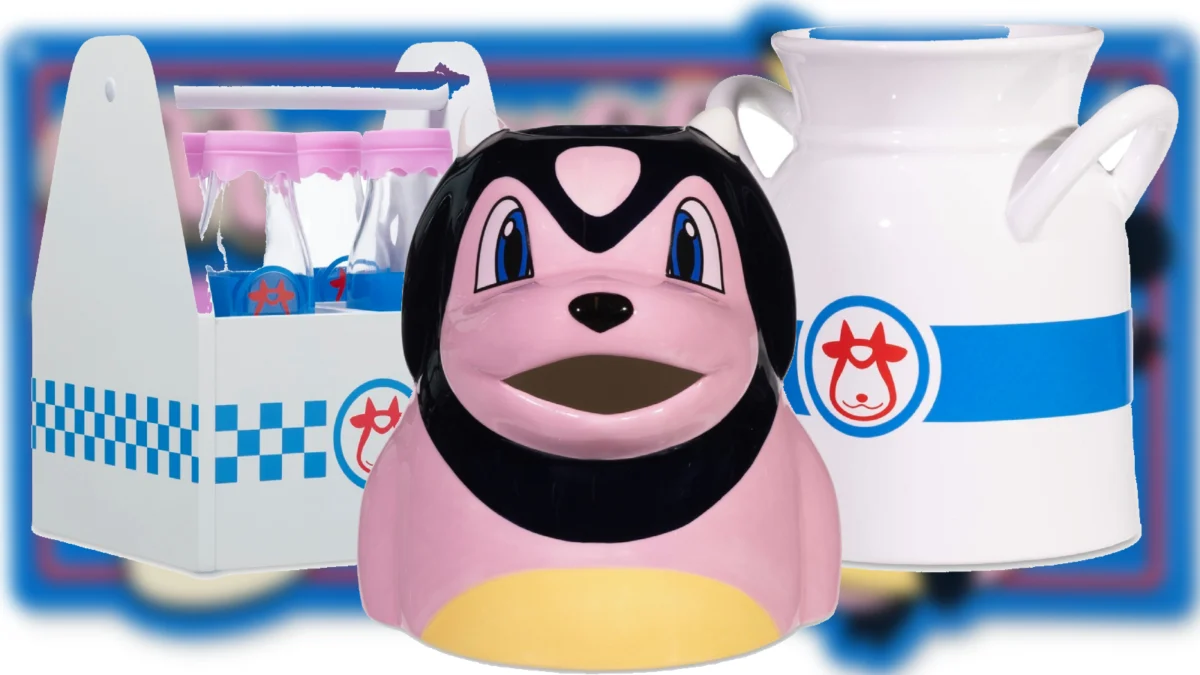
For over two decades, the Pokémon franchise has transcended the digital boundaries of the Nintendo Game Boy and modern consoles, infiltrating the physical homes of fans through an exhaustive array of merchandise. From plushies and apparel to high-end collectibles, The Pokémon Company International has mastered the art of nostalgia. However, their latest venture into lifestyle products—a Miltank-themed kitchen collection—represents a shift toward high-utility, aesthetic-driven home goods that turn the mundane act of cooking into a tribute to one of the series’ most iconic healing items: Moomoo Milk.
The Main Facts: What’s in the Collection?
The Pokémon Center recently expanded its home décor offerings with a comprehensive suite of kitchenware inspired by the "Milk Cow Pokémon," Miltank. This collection is not merely a novelty; it is a curated selection of functional dining and storage solutions designed to bring the rustic aesthetic of the Johto region’s most famous dairy farm directly into the modern kitchen.
The lineup, currently featured in the official Pokémon Center "New Releases" catalog, includes:
- Ceramic Creamer: A centerpiece item designed to replicate the classic aesthetic of a vintage milk carafe.
- Moomoo Milk Bottle Set: The collection’s flagship product, offering fans the vessel necessary to store their own beverages with authentic branding.
- Themed Apron: A high-quality textile piece featuring Miltank-inspired motifs to keep home chefs clean while preparing their own "healing" meals.
- Plates and Utensil Holder: Coordinated dinnerware and storage solutions that unify the kitchen’s aesthetic under the Moomoo Milk banner.
- Decorative Signage: Wall-mounted décor that cements the "Moomoo Farm" theme for any dining space.
While these items are aesthetically cohesive, they serve a dual purpose: they are equally suited for display in a collection and for daily use in a functional kitchen.
Chronology: The Evolution of Moomoo Milk
To understand the cultural weight of this collection, one must trace the history of Miltank and its associated dairy products back to the late 1990s.
The Generation II Debut (1999–2000)
Miltank made its debut in Pokémon Gold and Silver, the seminal titles that introduced the Johto region. Almost immediately, the Normal-type Pokémon was cemented in the franchise’s lore as the source of Moomoo Milk. In-game, Moomoo Milk served as a mid-tier healing item, restoring 100 HP to a Pokémon. It was a staple of any trainer’s inventory, often found at the Moomoo Farm located on Route 39.
The Rise of Lifestyle Merchandise (2010s)
As the franchise grew, so did the demand for products that integrated Pokémon into daily life. By the mid-2010s, The Pokémon Company began pivoting from pure toys to "lifestyle" branding. The move was calculated; as the original generation of players matured, they began to value items that allowed them to express their fandom in professional or domestic settings.
The 2020 Holiday Collection
The first major foray into the "Moomoo Milk" aesthetic occurred during the 2020 Holiday & Home collection. That release featured a limited-run bottle and plate set that served as a proof-of-concept. The rapid sell-out of those items demonstrated a clear appetite among the adult demographic for thematic kitchenware, paving the way for the robust, expansive collection launched today.
Supporting Data: Why Miltank Matters
Miltank’s popularity is not accidental. It is a byproduct of both competitive gaming history and nostalgia. In the competitive scene, the "Whitney’s Miltank" encounter in the Goldenrod City Gym remains a trauma-inducing memory for many players, thanks to the devastating combination of the move "Rollout" and the healing properties of Milk Drink.
This duality—the terror of battling a Miltank and the comfort of the Moomoo Milk item—creates a unique emotional hook. According to internal retail data from previous Pokémon Center home goods launches, kitchen-related items see a 40% higher repeat purchase rate than static collectibles. This suggests that fans are not just buying one piece; they are "building" sets. By offering a coordinated line (apron, plates, and storage), the Pokémon Center is incentivizing a complete room aesthetic rather than a single impulse buy.
Official Responses and Strategic Implications
While The Pokémon Company has not released a specific press statement regarding the design philosophy behind this collection, the trend is clear: "Subtle Fandom."
Industry analysts note that current merchandise trends favor products that are "quietly geeky." The Moomoo Milk collection fits this trend perfectly. To an outsider, a white ceramic creamer with simple, retro-style lettering is a piece of minimalist kitchen décor. To a fan, it is a direct reference to the Johto region. This allows fans to incorporate their hobbies into their homes without overwhelming the space with bright colors or character-heavy imagery.
The "Empty Bottle" Catch
There is a humorous reality to the current release: the lack of actual Moomoo Milk. As noted by fans and critics alike, the collection provides the vessels but not the contents. This has sparked a wave of social media engagement where fans are sharing their own "recipes" for Moomoo Milk—typically involving everything from standard dairy to almond or oat milk alternatives. By leaving the "filling" to the consumer, The Pokémon Company has inadvertently created an interactive social media campaign where fans compete to see who can create the most "authentic" Moomoo Milk experience.
Implications: The Future of Pokémon Home Goods
The success of the Moomoo Milk collection signals a potential shift in how The Pokémon Company views its adult audience.
1. The Professionalization of Fandom
As the Pokémon fanbase ages, the focus on "lifestyle" branding will likely increase. We can expect to see more collections that focus on specific regions or iconic items (e.g., Oran Berry-themed storage or Berry Juice tumblers) that mimic the utility of the in-game items.
2. The "Collectible" Kitchen
The barrier between "toy" and "tool" is dissolving. By pricing these items as premium home goods rather than children’s playthings, the Pokémon Center is positioning itself as a competitor in the home design market. This shift suggests that future collections may focus on high-quality materials like stoneware, borosilicate glass, and organic cotton for textiles.
3. Sustainability and Reusability
The emphasis on reusable bottles and ceramic creamers aligns with modern consumer preferences for sustainable, plastic-free living. By promoting these products as a way to "bring the game home," the brand is simultaneously encouraging habits that are more environmentally conscious than disposable alternatives.
Conclusion: A Healing Touch for the Home
The new Miltank-themed collection is more than just a marketing gimmick; it is a celebration of the quiet moments in the Pokémon world. While the intense battles on the battlefield define the franchise’s adrenaline, items like Moomoo Milk define its heart.
For the collector, this set represents the completion of a long-gestating project that began in 2020. For the casual fan, it is a stylish, functional addition to a kitchen that pays homage to one of the most recognizable items in gaming history. While you may have to provide your own beverage, the aesthetic nourishment provided by these pieces is, quite literally, a boost to any trainer’s home morale.
As we look toward the future of the franchise, the Moomoo Milk collection stands as a testament to the fact that, for the modern Pokémon fan, the journey doesn’t end when the console is turned off—it simply moves into the kitchen. Whether you are a long-time veteran of the Johto region or a newcomer to the series, this collection serves as a warm invitation to bring a piece of the Pokémon world into your daily routine, one glass of (non-Pokémon) milk at a time.

 Asro

 Basiran

 Neng Nana

 Evan Lee Salim

 Nila Kartika Wati

 Iffa Jayyana

 Layla Zulfa