
 Nana Wu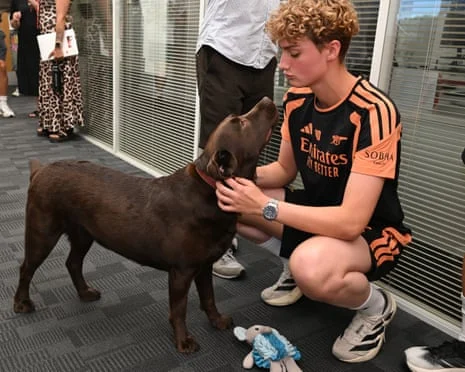
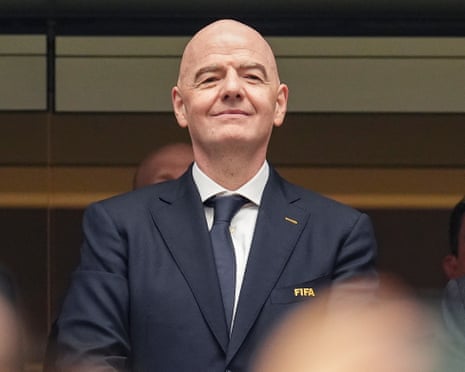
New York/Zürich, July 17, 2026 – Gianni Infantino, the incumbent president of FIFA, is set to secure a fourth term in office by a commanding landslide, having received formal endorsements from over 200 of the global football governing body’s 211 member associations. This overwhelming show of support comes despite a discernible climate of unrest, notably intensified by the recent scandal surrounding the reprieve of Folarin Balogun from a suspension. The revelation, an exclusive from journalists Nick Ames and Matt Hughes, highlights FIFA’s complex political landscape as the 2026 World Cup in North America culminates this weekend.
Only a handful of nations have yet to declare their backing for Infantino ahead of the March congress, with Germany emerging as the most prominent European football association withholding official support. The breadth of global endorsements underscores Infantino’s entrenched position, suggesting that recent controversies, including the unspecified Folarin Balogun incident that has generated significant debate, have done little to erode his authority among the majority of FIFA members.

As the football world turns its attention to the much-anticipated World Cup final between Argentina and Spain in New Jersey, and the preceding third-place play-off, the ongoing political dynamics within FIFA continue to simmer beneath the surface of the tournament’s spectacle.
FIFA Governance Under Scrutiny: Infantino’s Enduring Power
The widespread endorsement of Gianni Infantino for re-election signifies a robust mandate for the Swiss-Italian administrator, who is currently in his third term. The support from over 200 countries, out of a total of 211 member associations, positions him for an almost unchallenged re-appointment. This formidable backing is particularly notable given the "climate of unrest" and the "scandal surrounding Folarin Balogun’s reprieve from suspension" mentioned in The Guardian’s exclusive report. While the specific details of the Balogun scandal were not elaborated upon in the provided information, its designation as a "scandal" suggests a contentious decision that might have been expected to cause greater dissent. The fact that it has not significantly hampered Infantino’s re-election prospects speaks volumes about the nature of power within FIFA and the priorities of its member associations.
Historically, FIFA has navigated numerous periods of profound controversy, with the tenures of former presidents Sepp Blatter, Jack Warner, and Chuck Blazer serving as stark reminders of the organization’s susceptibility to scandal. As noted by Concacaf whistleblower Mel Brennan, "Football survived Sepp Blatter. It survived Jack Warner. It survived Chuck Blazer. And it will survive Gianni Infantino." This sentiment, quoted in a related article, reflects a cynical resilience within the sport’s highest echelons, where leaders often weather storms that would typically be career-ending in other public sectors. Germany’s decision to abstain from endorsing Infantino, as the highest-profile outlier among European FAs, hints at pockets of resistance or at least a desire for greater accountability, yet this appears insufficient to challenge the broader consensus. The implications are clear: Infantino’s administration, despite facing criticism, maintains a powerful grip on the global football community, ensuring continuity and stability – at least from an internal political perspective.
The Grand Finale: Argentina vs. Spain in New Jersey
The sporting highlight of the week, and indeed the tournament, will be Sunday’s World Cup final, pitting reigning champions Argentina against a formidable Spanish side. The match, set to take place in New Jersey, has captured the imagination of football fans worldwide, not least for the generational clash it represents: Lionel Messi, the 39-year-old maestro seeking perhaps a final flourish on the grandest stage, against the prodigious 19-year-old Spanish forward Lamine Yamal, widely considered one of the sport’s brightest future stars.
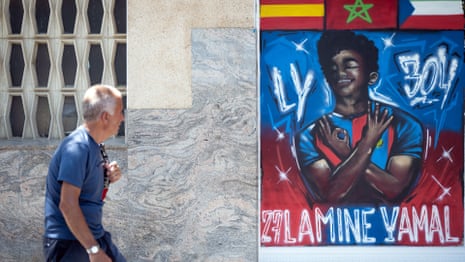
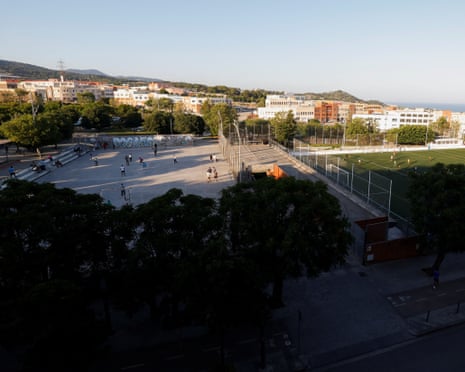
The narrative surrounding Messi and Yamal is particularly poignant. Yamal, who honed his skills on a buzzing pitch in Rocafonda, a working-class, multi-ethnic neighbourhood outside Barcelona, has openly expressed his admiration for Messi. A viral photograph circulating ahead of the final, showing a baby Lamine Yamal with Messi during the latter’s peak years at Barcelona’s youth academy, beautifully encapsulates the passing of the torch. Locals in Rocafonda, including Yamal’s grandmother, Fatima Nasraoui, and cousin Rayan, spoke with immense pride about their homegrown hero. Yamal, born in Spain to a Moroccan father and a mother from Equatorial Guinea, has consistently honored his roots, sporting a "304" hand gesture after goals (referencing Rocafonda’s postal code), wearing flags of his parents’ countries on his boots, and advocating for football as a powerful example of racial and social integration. This personal story adds a rich layer of human interest to what is already a high-stakes encounter.
Adding to the intrigue, the Golden Boot race is currently a dead heat between Kylian Mbappe and Lionel Messi. Both players are tied on goals, but Messi holds a slight advantage due to having one more assist. This tight contest raises a perennial debate among fans: should goals scored in the final carry more weight than those from earlier, or even the third-place match? The final will undoubtedly be a decisive factor in determining the tournament’s top scorer.
External Factors and Political Presence
The final preparations for the World Cup final have been overshadowed by unexpected environmental concerns. Wildfires in Canada have led to significant smoke pollution affecting New York and surrounding areas, including New Jersey, where the final will be hosted. While air quality is anticipated to improve in the coming days, the initial "stinging eyes" reported by New Yorkers have raised worries about potential impacts on player health and performance during the match. The health implications of poor air quality for elite athletes are well-documented, and any lingering effects could add an unpredictable element to an already tense encounter.
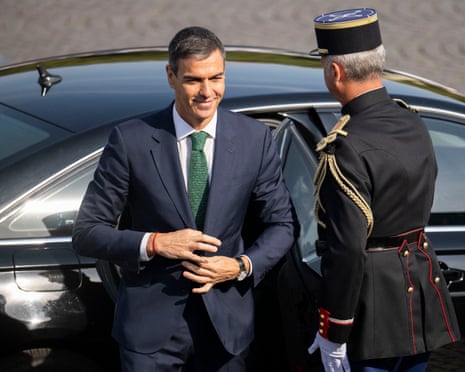
The final will also draw significant political attendance. Spanish Prime Minister Pedro Sanchez has confirmed his presence, planning to travel to Algeria for an official visit immediately afterward. Notably, US President Donald Trump will also attend, as confirmed by White House press secretary Karoline Leavitt. The presence of both leaders, particularly given Sanchez’s vocal criticism of Trump, sets the stage for a politically charged atmosphere alongside the sporting drama.
Further political controversy has already emerged from the tournament. Following Argentina’s semi-final victory over England, some Argentine players displayed a banner touting their country’s claim to the Falkland Islands (Malvinas). This action has prompted calls for a FIFA investigation, with UK Labour leader Keir Starmer supporting the idea. The incident underscores FIFA’s ongoing challenge in managing political expressions within a global sporting context, often contravening its own rules against political statements.
England’s World Cup Exit: A Post-Mortem
For England, the World Cup journey ended in the semi-finals, leading to an extensive national "post-mortem." Despite widespread criticism of his "bizarre substitutions" during the semi-final loss, manager Thomas Tuchel has seemingly retained his position, committing "100%" to leading England at Euro 2028. This decision comes despite reports that players were "puzzled" by his tactical choices, particularly those that led to the team’s "collapse" in the crucial stages of the game.
Football pundit Jacob Steinberg highlighted that Tuchel’s squad selections might have left him with "no other option" for his tactical shifts, suggesting a deeper issue than just in-game decisions. Barney Ronay further pointed to "bigger problems facing England than nonsensical subs," implying systemic issues within English football that extend beyond the manager’s immediate control. Statistical analysis revealed damning numbers, including "four passes in 19 minutes" during a critical period, illustrating the extent of England’s tactical shortcomings. The team now faces the "pointless nature of the bronze medal match" on Saturday, a fixture that, as correspondent Phil Grey noted, could be reframed with a "different vibe" if officially termed the "Bronze Medal Match," akin to the Olympics. This discussion around the third-place game highlights varying cultural perspectives on its significance.
Other Football Developments and Sporting Snippets
Beyond the World Cup, other notable football news continues to unfold. French defender Maxime Esteve has completed a move from Burnley to RB Leipzig for a reported fee exceeding £21 million, signing a contract until 2031. Esteve, a 24-year-old center-back, made 100 appearances for Burnley since February 2024. His departure, along with other "decent players leaving," suggests a challenging period for the Clarets.
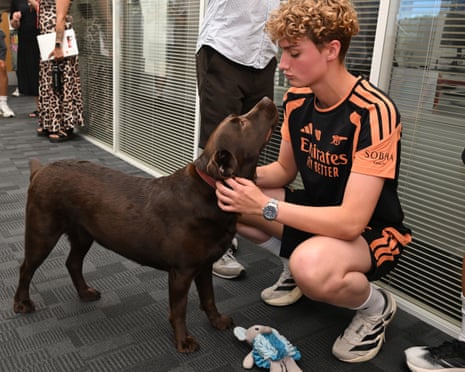
In women’s football, Arsenal Women have welcomed their new signing, Isabella Damm, who has already met the club’s therapy dog, Win, in a heartwarming moment.
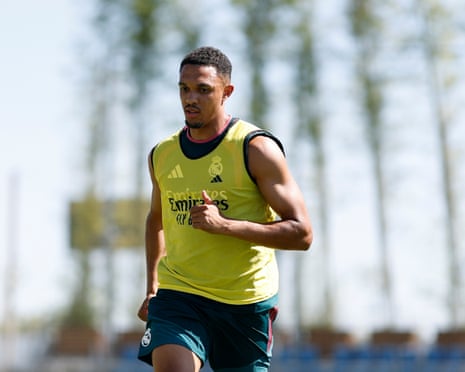
Real Madrid’s Trent Alexander-Arnold expressed his "pleasure" in working with newly reappointed manager Jose Mourinho, praising his "intense" approach and high demands. Alexander-Arnold, who joined Real Madrid from Liverpool last year, is looking forward to establishing himself as the first-choice right-back following Dani Carvajal’s departure, especially after an injury-hit first season.
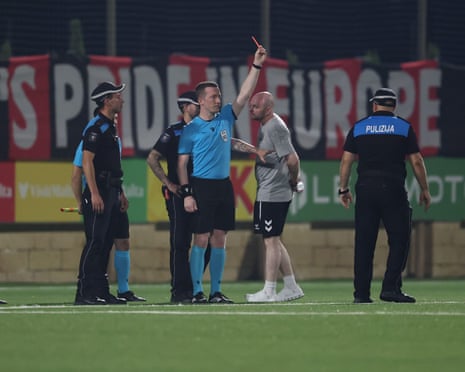
Meanwhile, a historic Champions League qualifier in Lithuania faced an unusual disruption, being forced to move venues due to a Pitbull concert. This scheduling conflict underscores the challenges faced by smaller clubs in balancing European aspirations with other commercial and entertainment events. Elsewhere in European competition, Faroese side NSÍ Runavík dramatically knocked out Hamrun Spartans of Malta with a 94th-minute penalty, a decision so controversial it required police intervention and resulted in a red card for a Hamrun official.
The broader sporting landscape also offered intriguing stories. A "world champion foosball player" shared his "Experience," detailing his journey from Lebanon to Manchester and his competitive prowess. On the golf course, "The Open 2026: day two" continued from Royal Birkdale, while the "Tour de France 2026" entered its testing stage 13, with the Ballon d’Alsace awaiting riders. These diverse events remind us of the rich tapestry of sports beyond the dominant narrative of the World Cup.
As the 2026 World Cup approaches its climax, the football world finds itself at a fascinating juncture, balancing the spectacle of the final, the internal politics of its governing body, and a myriad of other sporting narratives playing out across the globe.

 Azzam Bilal Chamdy
 Sagoh
Sagoh
 Neng Nana
 Lina Hope
 Iffa Jayyana