
 Neng Nana
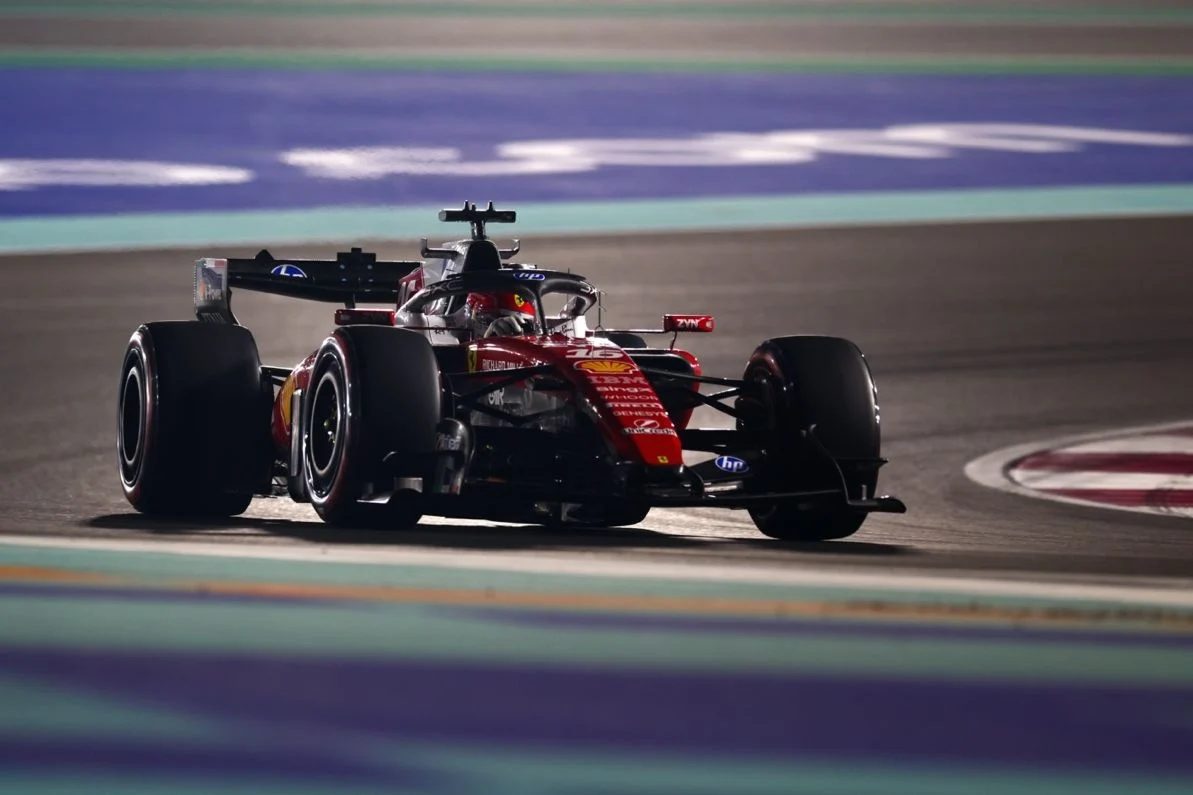
LUSAIL INTERNATIONAL CIRCUIT, Qatar — Friday practice sessions at the FIA Formula One World Championship are traditionally characterized by a shroud of competitive ambiguity. Teams cycle through disparate fuel loads, evaluate differing engine modes, and experiment with set-up iterations that can drastically distort the true pecking order. However, the picture emerging from the Scuderia Ferrari garage at the Lusail International Circuit was unambiguously grim.
Following a subdued start during the initial hour of practice, Ferrari endured a bruising second practice session (FP2) ahead of the Qatar Grand Prix. Charles Leclerc could manage no better than seventh fastest, with teammate Lewis Hamilton slotting in directly behind him in eighth. Most alarmingly for the Maranello outfit, both SF-26 challengers finished a full second adrift of the benchmark pace set by Mercedes’ rising star, Andrea Kimi Antonelli.
Compounding a fundamentally uncompetitive car balance, Leclerc suffered a dramatic and costly high-speed accident, while Hamilton was sidelined late in the running by a power unit failure. As engineers pore over telemetry deep into the desert night, Ferrari finds itself staring down a critical deficit in grip, pace, and understanding as the weekend progresses.
Main Facts: A Disastrous Friday for the Scuderia
The statistical reality of Ferrari’s Friday in Qatar makes for sobering reading:
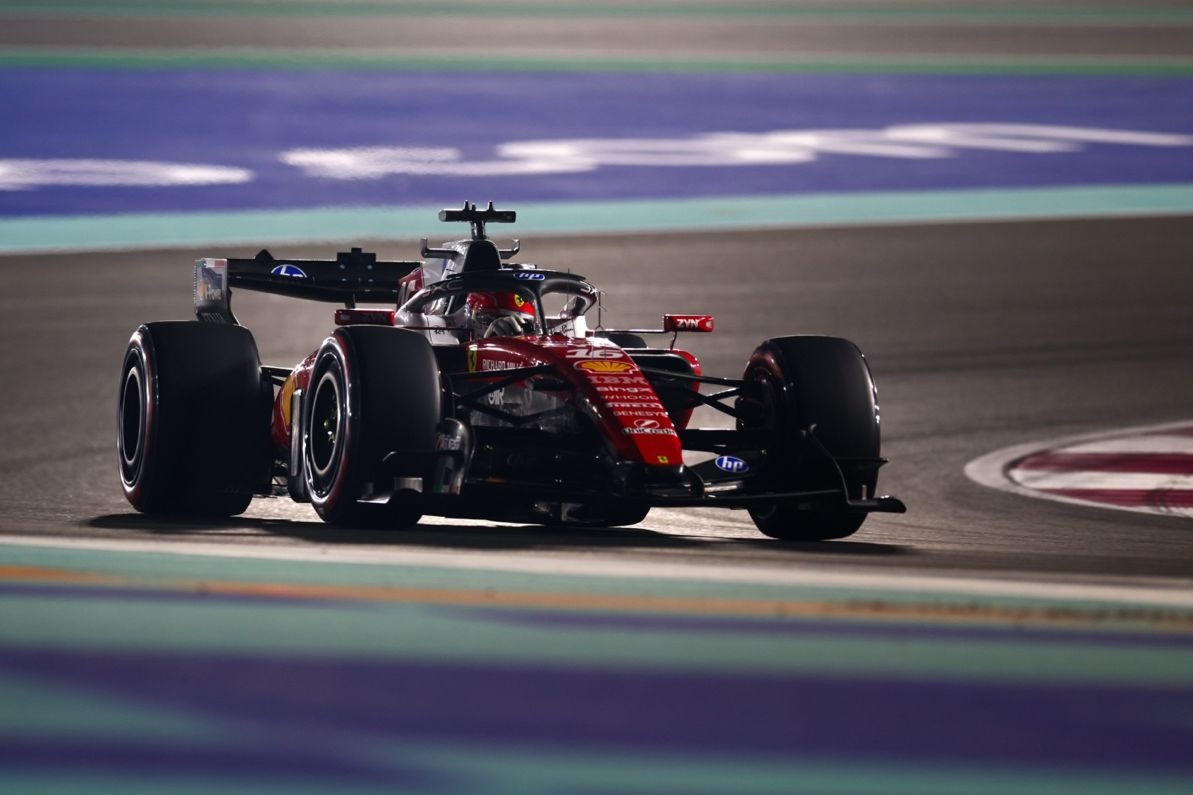
- Pace Deficit: Both Charles Leclerc and Lewis Hamilton languished roughly one full second behind the leading Mercedes of Antonelli during FP2.
- Qualifying Positions: The Ferrari duo finished seventh (Leclerc) and eighth (Hamilton), well outside the sharp end of the timing sheets.
- On-Track Incidents: Leclerc suffered an early, violent spin at Turn 7, resulting in terminal floor damage that necessitated a lengthy mid-session pit stop for a complete assembly replacement. Hamilton experienced a separate power unit failure in the closing stages of the session.
- The Core Issue: Both drivers reported a severe, inexplicable lack of overall and rear grip, rendering the SF-26 sluggish across both low-fuel qualifying simulations and high-fuel race runs—a scenario that completely defies the traditional strengths of Ferrari’s package.
Chronology of FP2: From Quiet Start to Cascading Complications
The troubles for Ferrari did not materialize out of thin air; rather, they snowballed across a tumultuous Friday afternoon and evening at the 5.419-kilometer Lusail circuit.
Early Warning Signs in FP1
Ferrari’s weekend began with an uncharacteristically quiet FP1. While other front-running teams immediately established a baseline, the SF-26 drivers struggled to find a comfortable operating window. The team initially chalked this up to standard Friday exploratory running, but the underlying balance issues would be ruthlessly exposed as track conditions evolved into the cooler, floodlit evening environment of FP2.
Leclerc’s Turn 7 Incident
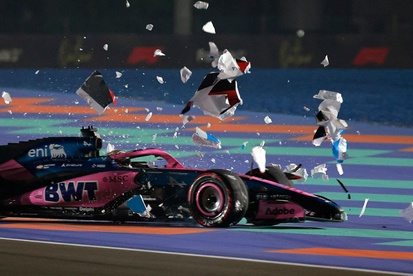
The turning point of Leclerc’s session arrived early in FP2. Exiting the sweeping, high-speed Turn 7, the Monegasque driver lost the rear of his SF-26. The car snapped violently into a spin, sliding backward through the gravel trap and absorbing a heavy impact.
While Leclerc was able to nurse the wounded car back to the pit lane, the telemetry immediately flashed warning signs. The floor—a critical aerodynamic component for ground-effect Formula 1 cars—was severely compromised.
The Mid-Session Rebuild
Ferrari sporting director Diego Ioverno confirmed that the initial data spike matched the visual evidence of the crash. The team attempted to assess the damage, but it quickly became apparent that a patch job was impossible.
"After the spin, there was clear damage on the floor," Ioverno explained. "We saw it also from numbers, and we told him to stop. It was not repairable, so we replaced the floor. After that, there were still some small damages around the car, but nothing major."
The replacement process cost Leclerc vital minutes of track time, restricting his data collection on the medium compound tyres and halting any upward trajectory on the timing sheets.
Hamilton’s Late Halt
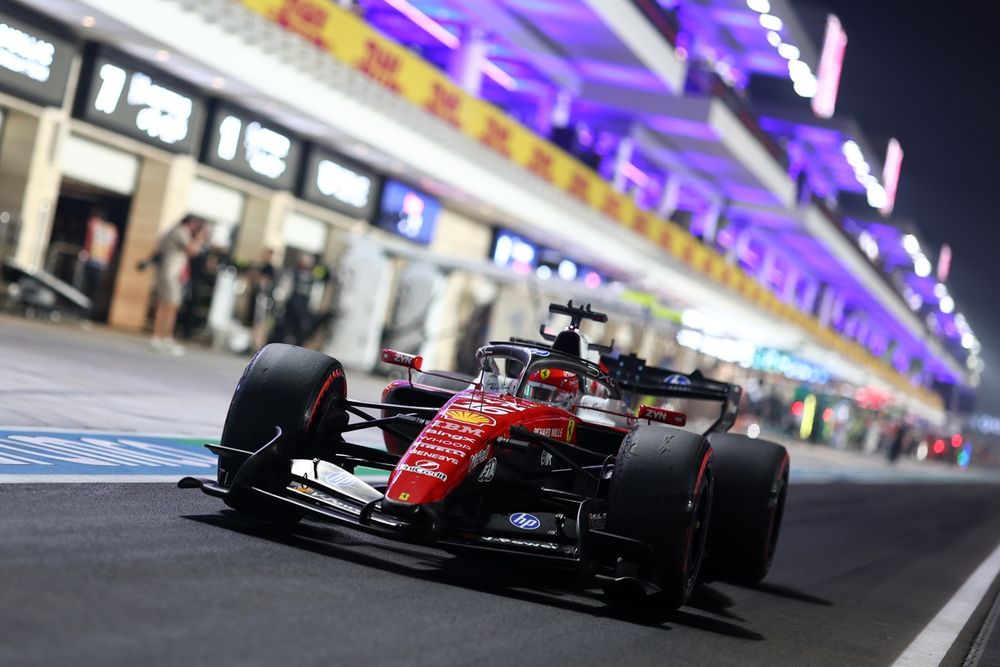
As if to compound Ferrari’s misery, seven-time world champion Lewis Hamilton was forced to park his car in the dying moments of the extended practice session due to a power unit issue. While the sight of a halted Ferrari is never comforting, the timing and context blunted the severity of the blow, as the team had elected to run an older-specification power unit for Friday’s practice duties.
Supporting Data and Technical Context: The Mystery of the SF-26
What makes Ferrari’s current plight so baffling to the engineering team is the nature of the Lusail International Circuit itself. Characterized by a sweeping array of medium- and high-speed downforce corners, the track layout is traditionally viewed as a natural hunting ground for the aerodynamic strengths of the Ferrari package.
Yet, the SF-26 showed no affinity for the Qatari asphalt.
+--------------------+---------------------+---------------------+
| Driver             | FP2 Best Position   | Gap to P1 (Antonelli)|
+--------------------+---------------------+---------------------+
| Charles Leclerc    | 7th                 | +1.0s               |
| Lewis Hamilton     | 8th                 | +1.0s               |
+--------------------+---------------------+---------------------+
Leclerc was candid in his assessment that the floor damage, while unfortunate, was a red herring regarding their true lack of competitiveness.
"To be honest, this is not even the reason why we were slow," Leclerc admitted. "We were just very slow from the first lap this morning to the last lap in FP2, and it’s very difficult to understand what the outlier is."
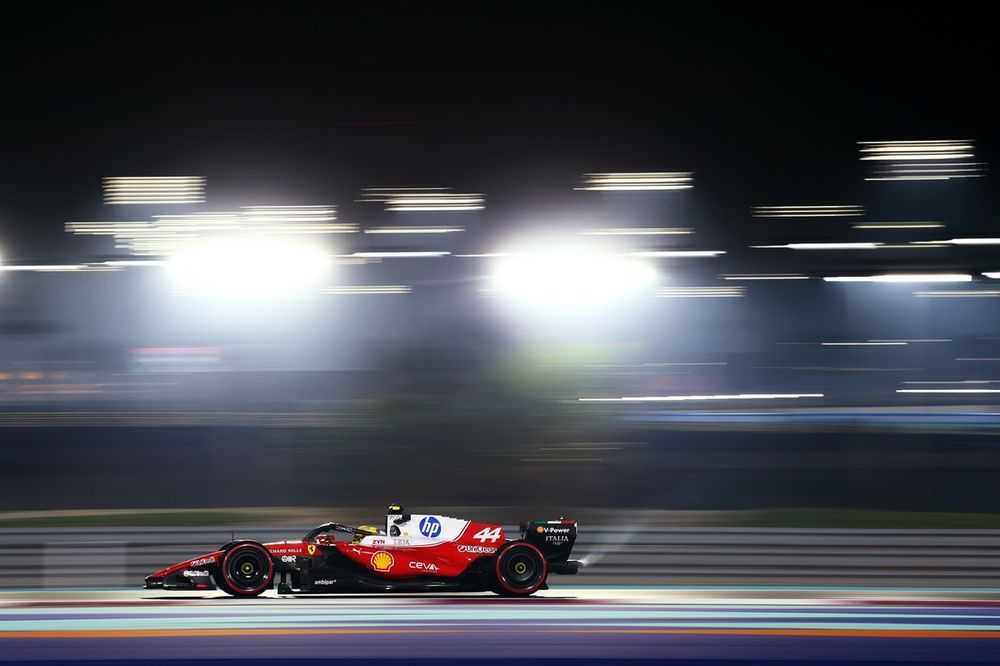
Furthermore, Ferrari typically prides itself on robust high-fuel race simulations, where tire management and car stability usually shine. On Friday evening, however, that strength evaporated.
"Overall, the pace has just been very, very poor," Leclerc continued. "Low fuel, high fuel, normally high fuel is our strength, but today, there was just no pace at all. I don’t really have an idea of what we can do significantly better that will turn the situation upside down."
Official Responses: Inside the Ferrari Garage
The mood within the Scuderia camp was one of measured concern rather than panic, tempered by the knowledge that Formula 1 teams frequently unlock significant performance overnight through simulator work and setup adjustments.
Charles Leclerc’s Perspective
Leclerc emphasized the elusive nature of the balance issues plaguing the SF-26. He noted that his best lap of the entire session was essentially his very first installation lap on medium tires, after which the car’s performance plateaued and regressed.
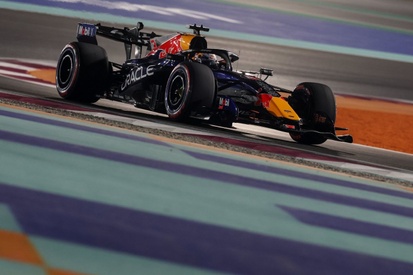
"The best lap time was I think my first lap in FP2, and after that, we could never really improve," Leclerc said. "Of course, we didn’t do that many laps on the medium tyres because then we had to stop to repair because of the floor damage I got on the kerbs. After I lost the car, it probably made it even worse, so we just decided to change the floor, which cost us quite a bit of time."
When asked about Hamilton’s late-session power unit failure, Leclerc downplayed any long-term mechanical anxiety:
"I don’t think that this is a worry going forward because we’re running with quite old power units. It’s never nice to obviously have a car stop, but towards the end of the season like this, with our free practice set-up, it was a matter of time."
Diego Ioverno’s Analysis
Ferrari sporting director Diego Ioverno urged caution before drawing sweeping conclusions from Friday’s timing sheets, specifically pointing to the staggering pace displayed by Mercedes. He acknowledged the variables of engine modes, fuel loads, and aerodynamic configurations that inherently muddy the waters of Friday practice.
"Today, Mercedes seems particularly quick, not only compared to us, but also compared to the others," Ioverno noted. "It can be for whatever reason that their package here is performing even better than in the remainder of the season, or maybe they’ve made different choices in terms of plan, power settings, fuel load, whatsoever.

"They are apparently a step in front of all the others. We will look deeper into the data that we have, which is not so much, and try to understand what we can do better tomorrow."
Implications for the Remainder of the Qatar Grand Prix Weekend
As the paddock packs up for the night, Ferrari faces a critical race against the clock. The implications of a poor Friday at a modern sprint or standard grand prix weekend can be severe, leaving little time to course-correct before parc fermé conditions lock down setups.
- The Search for the "Outlier": Ferrari’s primary objective overnight will be sifting through the sparse telemetry to identify why the SF-26 behaved so drastically out of character. If they cannot locate the setup "outlier" that Leclerc referenced, the team risks being marooned in the midfield.
- The Mercedes Threat: With Andrea Kimi Antonelli and the broader Mercedes squad showing ominous pace—drawing admiring and wary glances from rivals like Lando Norris and Max Verstappen alike—Ferrari not only has to solve its own internal limitations but also contend with Silver Arrows machinery operating on an entirely different plateau.
- Power Unit Management: While Hamilton’s failure was managed via an older-spec engine, the team must ensure that the fresh components slated for installation overnight deliver reliable, maximum performance without introducing new operational risks.
For Ferrari, the desert air in Qatar has turned decidedly chilly. The Scuderia must execute a flawless overnight turnaround if they are to transform a nightmarish Friday into a competitive challenge when the lights go out for qualifying.


 Nila Kartika Wati
 rifanmuazin

 Nana Wu

 Reynand Wu
 Suro Senen
 Lina Irawan
 Laily UPN