
 Nila Kartika Wati
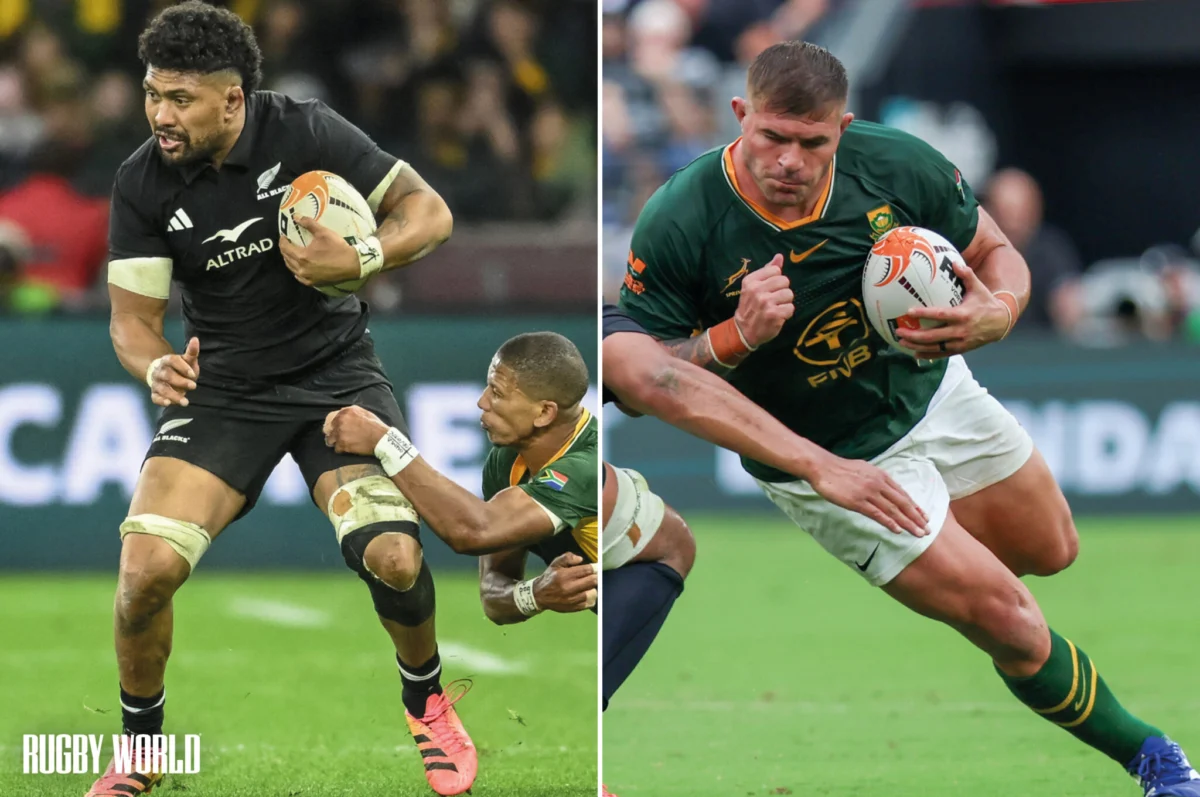
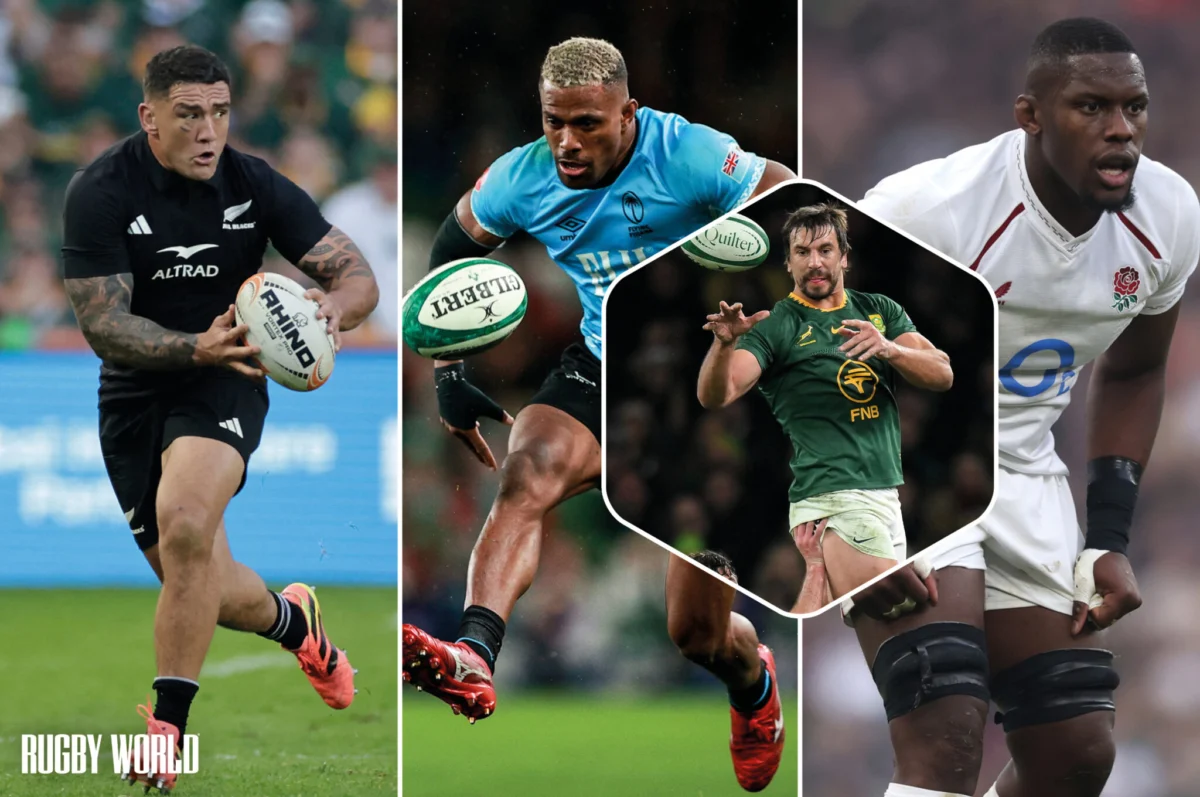
As the countdown to the pinnacle of our Top 50 Men’s Rugby Players in the World series reaches its breathless conclusion, Rugby World is proud to announce that the bronze and silver medals—the second and third spots in our definitive rankings—have been claimed by two absolute behemoths of the modern game. In a testament to the enduring dominance of the southern hemisphere, the accolades head to New Zealand and South Africa, respectively.
These two athletes represent the evolution of the modern forward: versatile, physically imposing, and technically masterful. They are not merely players; they are the strategic pillars upon which their nations’ international ambitions rest. With the number one spot set to be unveiled tomorrow, the debate among fans, pundits, and players is reaching a fever pitch.
3. Ardie Savea: The All Black Maestro
A Legacy of Dynamism and Leadership
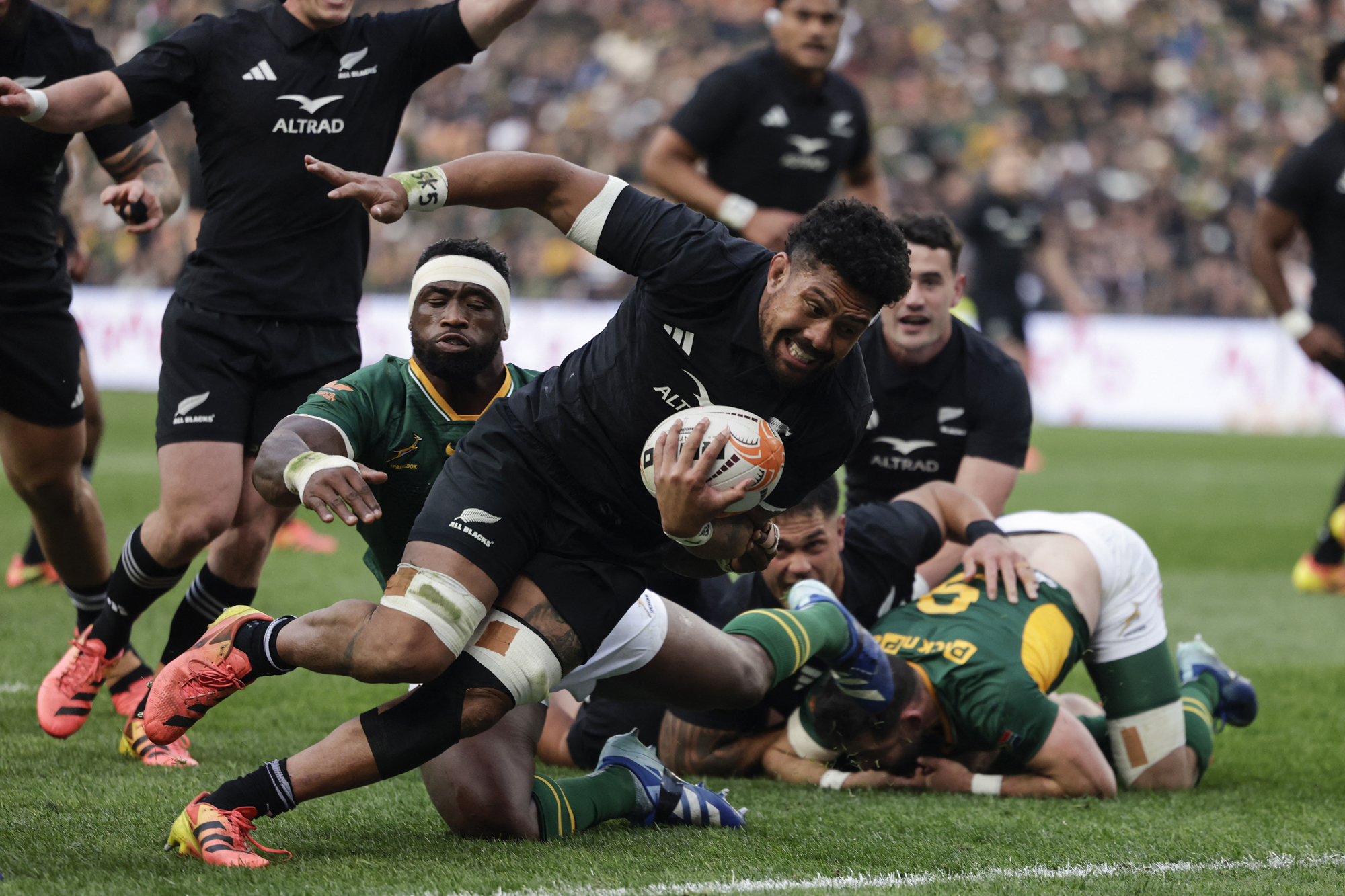
Occupying the bronze medal position is none other than the heartbeat of Kiwi rugby, Ardie Savea. Whether operating as a flanker or at the base of the scrum as a No. 8, Savea has fundamentally redefined what is expected of a back-row forward in the professional era.
The Tactical Pivot
There is a prevailing narrative in New Zealand rugby circles that Savea’s influence was the catalyst for the coaching transition that saw Scott Robertson depart the All Blacks last January. If that sentiment holds truth, it serves as the ultimate validation of Savea’s stature. When new head coach Dave Rennie took the reins, one of his first and most critical decisions was to install Savea as captain—a move that signaled a new era of accountability and intensity for the All Blacks.
Technical Prowess and Statistical Brilliance
Savea’s game is a masterclass in modern rugby. He possesses a rare combination of explosive carrying, bone-jarring tackling, and an uncanny ability to disrupt opposition possession at the breakdown. Moreover, he has added a tactical kicking game to his repertoire, making him a complete triple-threat.
As an All Black centurion and a former World Player of the Year, his resume is staggering. With 35 international tries to his name, he sits just behind the legendary Jonah Lomu in the All Blacks’ all-time scoring list. His impact during the opening stages of the Rugby’s Greatest Rivalry series was palpable, and his unfortunate injury mid-series was widely cited by analysts as the turning point that tilted the scales in favor of the Springboks.
2. Malcolm Marx: The Front-Row Phenomenon
Redefining the Hooker’s Role
Securing the silver medal is South Africa’s transformative hooker, Malcolm Marx. In a sport that rewards specialization, Marx is an anomaly—a set-piece anchor who operates with the breakdown efficiency of an elite openside flanker.
The "Jackler" Extraordinaire
It is a rare feat for a hooker to be considered the premier "jackler" in world rugby, yet Marx consistently defies positional conventions. Once he locks onto a ball in the ruck, the contest is effectively over; his physical strength and low center of gravity make him virtually immovable.
"There are no real chinks in his armour," says former Springbok captain John Smit. "He is the bane of existence for every opposition side. He disrupts rhythm, forces penalties, and changes the momentum of a game in seconds."
A Historic Trajectory
Marx began this November as the incumbent Men’s World Player of the Year—the first front-rower to claim the honor since the great Keith Wood in 2001. Nearing his 100th Test cap, he holds a unique place in South African history as the only forward to crack the nation’s top 16 all-time try-scorers list.
His upcoming move to the Bulls, following a highly successful six-year tenure in Japan, has sent shockwaves through the United Rugby Championship (URC). Fans in Pretoria are already anticipating the impact he will have on their title charge, as the Springbok stalwart brings his world-class intensity to the domestic stage.
Chronology: The Road to the Top 50
The compilation of this year’s Top 50 was a meticulous, multi-month endeavor. Rugby World sought to revitalize the legacy of the official Player of the Year award, which had remained in hiatus since 1992.
- 1970–1992: The era of the original official Rugby World Player of the Year, featuring legends like Barry John, Gareth Edwards, and Will Carling.
- 1993–2025: A 34-year period where the award underwent various iterations and organizational shifts across the global rugby landscape.
- Late 2025: The editorial board of Rugby World decided to resurrect the prestige of the annual ranking, initiating a global consultation process.
- November 2026: The finalized Top 50 list is released, culminating in the announcement of the #1 ranked player in the world.
Supporting Data and Selection Criteria
The selection of these 50 players was not a popularity contest but a rigorous analytical process. We consulted nearly two dozen international rugby journalists to ensure a balanced perspective, free from regional bias.
The Metrics of Excellence
Our panel utilized a weighted scoring system based on the following pillars:
- Impact: The player’s influence on game outcomes, particularly in high-pressure "Big Match" environments.
- Honours: Club and international trophies secured during the 2025–2026 window.
- Consistency: Reliability in performance across the full calendar year.
- Durability: Total games played and ability to maintain form during taxing international tours.
- The "X-Factor": A subjective yet crucial metric regarding a player’s ability to excite the crowd and innovate within their position.
The inclusion of Savea and Marx in the top three validates this methodology. Both players have demonstrated consistent excellence while navigating the immense physical demands of the modern international calendar.
Official Responses and Expert Analysis
The rugby community has been vocal in its appraisal of this year’s rankings. Coaches, former players, and media outlets have pointed to the dominance of southern hemisphere forwards as a sign of where the game is trending.
"You look at what Malcolm and Ardie bring to the table, and you see the future of the game," noted one senior international selector. "It’s no longer enough to be a specialist. You have to be a hybrid athlete who can play at the gain line, at the breakdown, and in the open field. They set the bar."
While fans of northern hemisphere rugby have pointed to the rise of young talents in the Six Nations, the consensus remains that the sheer, ruthless efficiency of Savea and Marx makes them the undisputed benchmarks of the current era.
Implications for the Future
What does the placement of these two giants mean for the sport as we look toward the next international cycle?
1. The Rise of the ‘Hybrid’ Forward
The success of Savea and Marx signals that the traditional boundaries of positions are dissolving. We are seeing a move toward "total rugby," where hookers act as flankers and flankers act as auxiliary playmakers. Future scouting and development programs will likely prioritize mobility and breakdown IQ even for the heaviest players on the pitch.
2. The Great Rivalry’s Intensity
The fact that both players were central figures in the Rugby’s Greatest Rivalry series highlights how closely matched these two nations are. The tactical battle between New Zealand and South Africa remains the most compelling narrative in the sport, and it is built upon the individual brilliance of players like these.
3. The Quest for the Number One
With Savea at #3 and Marx at #2, the focus now shifts entirely to the top spot. Who could possibly usurp a World Player of the Year and a centurion All Black captain? Speculation is rampant. Is it a creative fly-half who orchestrated an upset? A world-beating winger who redefined the try-scoring record? Or perhaps a defensive general who anchored a championship-winning team?
Conclusion
As we look forward to tomorrow’s reveal, we invite our readers to reflect on the brilliance of Ardie Savea and Malcolm Marx. They represent the pinnacle of grit, athleticism, and skill. They are the standard-bearers for a sport that continues to evolve at a breakneck pace.
Be sure to check back tomorrow for the grand reveal of our number one ranked player. Whether you agree with our selection or have a different candidate in mind, the debate is exactly what makes this game the greatest in the world.
Have you guessed who is number one yet? The answer lies within the pages of our latest special edition of Rugby World magazine and here on our website. Join us tomorrow as we crown the king of world rugby.

 Ammar Sabilarrohman
 Nana Wu

 Jia Lissa
 Asro

 Layla Zulfa
 Basiran