
 Nana
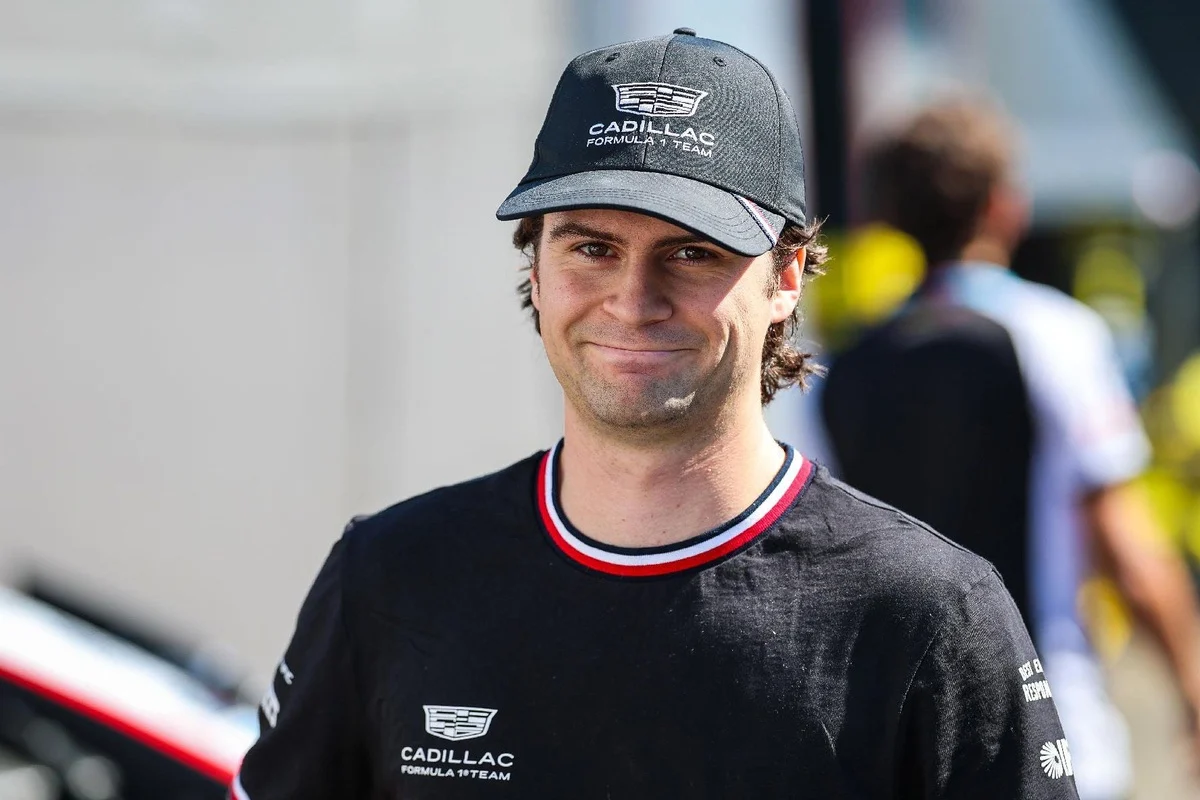
SAO PAULO — As the Formula 1 paddock unpacks its equipment at the historic Autódromo José Carlos Pace for this weekend’s Sao Paulo Grand Prix, the spotlight shines intensely on the Cadillac F1 Team garage. While the iconic Interlagos circuit is globally celebrated for its dramatic elevation changes, unpredictable weather, and rich motorsport heritage, Cadillac’s primary focus this Friday morning will be administrative and mathematical: securing the final FIA superlicense point for test and development driver Colton Herta.
The pursuit of this elusive 40th point has turned into a high-stakes saga that underscores the rigid, sometimes bureaucratic complexities of Formula 1’s licensing system. For Cadillac, resolving this hurdle in Brazil is not merely about ticking a regulatory box; it is a foundational step in shaping the team’s long-term driver strategy as they evaluate their options for the 2027 season and beyond.
Main Facts
- The Objective: Colton Herta requires a mandatory 40 FIA superlicense points to legally race in Formula 1. Following a recent re-evaluation of his past IndyCar results, it was discovered that the 26-year-old Californian is sitting precisely one point short.
- The Solution: To rectify the deficit, Cadillac is putting Herta behind the wheel of Sergio Pérez’s MAC-26 during Friday’s opening Free Practice (FP1) session at Interlagos.
- Regulatory Exemption in Practice: While F1 teams are legally mandated by the FIA to field a rookie in only four FP1 sessions per calendar year, Sao Paulo will mark Herta’s sixth Friday appearance of the 2025 season. Cadillac has willingly shouldered this extra workload to ensure their tester finally crosses the licensing threshold.
- The Distance Hurdle: Herta’s previous attempt to secure a point during an FP1 outing was thwarted in Monza when his car suffered a mechanical failure, leaving him short of the mandatory 100-kilometer completion distance required to validate the session. At Interlagos, completing 24 laps will officially fulfill this requirement.
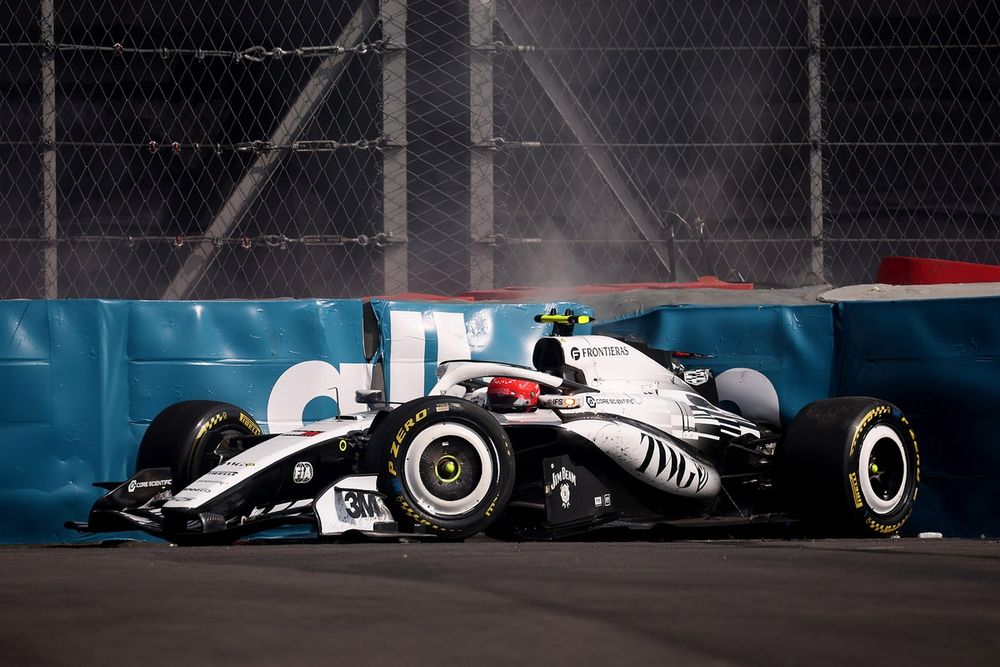
- The Broader Context: The team arrives in Brazil nursing the wounds of a bruising Mexico City Grand Prix, which culminated in a terrifying high-speed crash for veteran Valtteri Bottas due to a front-left suspension failure. Cadillac insists it has implemented structural mitigations ahead of the Brazilian weekend.
Chronology of a Miscalculation: The Road to 40 Points
The narrative surrounding Colton Herta’s transition from American open-wheel racing to the pinnacle of global motorsport has been years in the making. Having established himself as a dominant force and race winner in the NTT IndyCar Series, Herta was systematically integrated into Cadillac’s development pipeline through private testing, simulator work, and a challenging F2 campaign designed to bolster his superlicense resume.
Heading into last weekend’s Mexican Grand Prix, the consensus within the Cadillac hierarchy was that Herta had safely navigated the complex points matrix. Team officials believed the former IndyCar ace had successfully crossed the 40-point threshold, opening the door for a potential full-time race seat in the future.
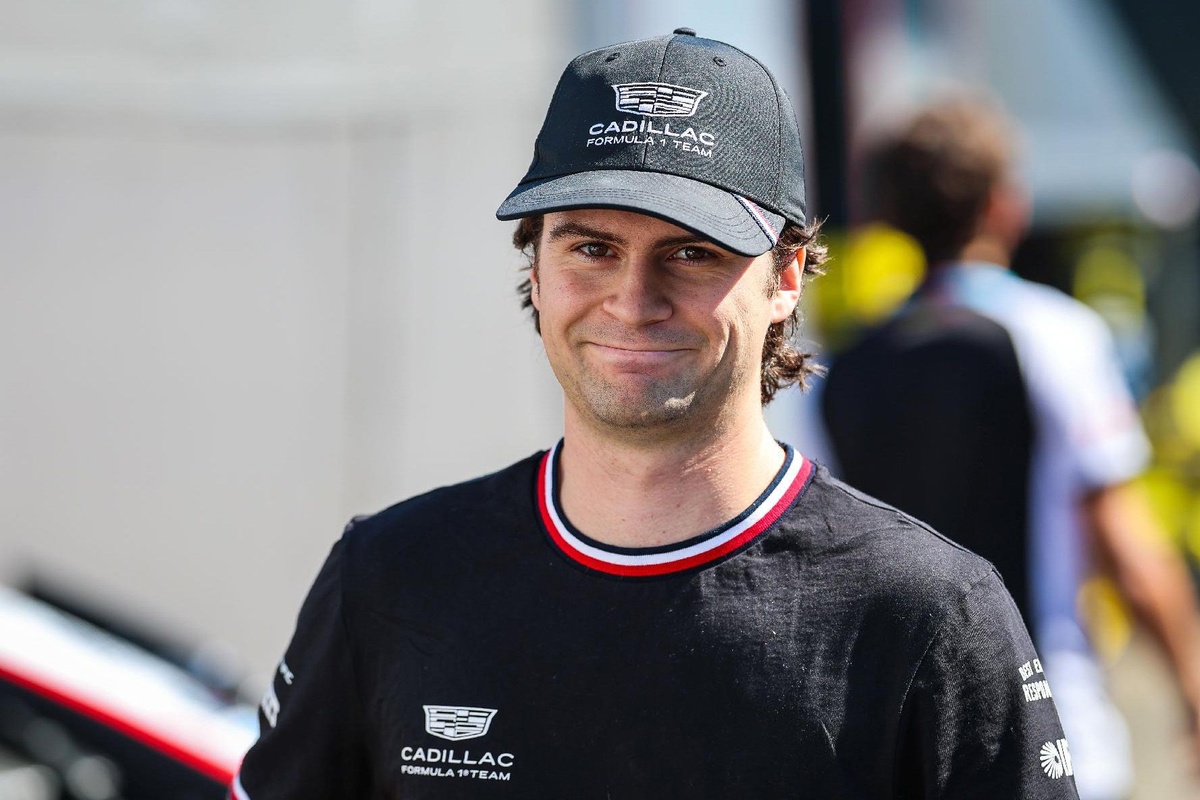
However, joy quickly turned to confusion. As administrative audits took place following the Mexico event, it emerged that a re-interpretation and review of Herta’s historical IndyCar finishes left him stranded at 39 points.
Adding insult to injury, Herta’s previous attempts to accumulate points via Friday practice sessions had not all gone to plan. Earlier in the season at Monza, a sudden car breakdown cut his running short. Because FIA regulations dictate that a driver must cover a minimum distance of 100 kilometers during a practice session for it to count toward superlicense accumulation, the interrupted Italian outing yielded zero points.
Realizing the error and the missed mileage, Cadillac immediately recalibrated. Rather than waiting for the final rounds of the championship, the team opted to use their home stretch in Brazil to guarantee the outcome. By slotting Herta into Sergio Pérez’s MAC-26 for FP1 at Interlagos, and ensuring he comfortably clears the 24-lap (100km) benchmark, Cadillac aims to finally put the superlicense controversy to bed.
Official Responses and Driver Perspectives
Speaking ahead of the weekend’s activities, Colton Herta expressed a mixture of enthusiasm for the legendary Brazilian venue and deep focus on the engineering run plan assigned to him.
"I’m really looking forward to getting back behind the wheel of the MAC-26 for another FP1 session," Herta stated. "Interlagos is such an iconic, historic track, and driving an F1 car around there is going to be an awesome experience. Every time I’ve stepped into the car this year, from Barcelona to Budapest, COTA and Mexico City, I’ve felt more comfortable and better integrated with the engineering team."
Herta emphasized that despite the individual milestone hanging over his head, his priority remains the team’s weekend objectives.
"My goal for Friday morning in Brazil is the same: execute the run plan cleanly, give Checo and the engineers the best possible setup data to start their weekend, and keep building on my progress in the car. I’m grateful to the team for giving me this opportunity."
Meanwhile, Cadillac Team Principal Marcin Budkowski addressed both the operational fallout from Mexico and the strategic importance of Herta’s continued development. The team boss was quick to reassure media members that the frightening mechanical failure that befell Valtteri Bottas in Mexico has been thoroughly addressed.
"Following our post-race investigations, Valtteri suffered a suspension failure, and we have implemented mitigations going forward," Budkowski confirmed, turning his attention to the garage’s other storyline. "I’m also pleased to see Colton return to the MAC-26 for another FP1 outing, stepping in for Checo. His growth in the car across his sessions has been impressive, and his feedback remains invaluable to our 2027 development program."
Supporting Data: The F1 Superlicense System and Rookie Regulations
To fully understand the weight of Cadillac’s actions in Sao Paulo, one must look closely at the governing body’s strict criteria. The FIA superlicense system, introduced in the wake of the 2014–2015 licensing controversies to ensure that only properly qualified drivers reach Formula 1, requires a driver to accumulate 40 points over a rolling three-year window across recognized international and national championships.
- The Points Matrix: IndyCar finishes offer substantial points toward this total, but championship positions fluctuate year-on-year, leading to complex tracking by team legal departments.
- The FP1 Loophole: Teams can assist drivers who are close to the threshold by running them in official Friday practice sessions. Each clean FP1 outing where the driver completes at least 100 kilometers without incurring penalty points yields 1 additional superlicense point.
- The Rookie Mandate: Article 10.3 of the Sporting Regulations requires every F1 team to allocate at least four FP1 sessions per season to a "young driver" (someone who has started no more than two F1 Grands Prix). Cadillac has blown past this minimum requirement this year, using Herta for six FP1 appearances to fast-track his readiness and secure his credentials.
Implications for the Future: Bottas, Pérez, and 2027
Beyond the immediate administrative relief of securing Herta’s 40th point, this weekend’s events ripple outward into Cadillac’s long-term driver market strategy.
The team currently fields a veteran lineup featuring Mexican star Sergio Pérez and seasoned Finnish champion Valtteri Bottas. While Bottas has recently expressed confidence regarding his prospects of remaining with the outfit into 2027, the presence of a fast, highly motivated, and factory-backed young talent like Herta creates a natural pressure cooker within the organization.

By ensuring Herta officially possesses his superlicense, Cadillac achieves maximum strategic flexibility. Once the paperwork is cleared by the FIA, Herta transitions from a development prospect with a bureaucratic roadblock to a fully viable candidate who can legally be substituted into a race seat at a moment’s notice, or drafted in as a full-time starter for the 2027 campaign.
For now, all eyes will be glued to the timing screens as the lights go green for FP1 at Interlagos. As Herta fires up the Mercedes-powered MAC-26 and begins ticking off his laps around the anti-clockwise Brazilian asphalt, he won’t just be chasing quick times—he will be chasing the final piece of paper needed to unlock his Formula 1 destiny.

 Lina Irawan
 Asro
 Iffa Jayyana

 Sagoh

 Raul Delapena Setiawan

 Suro Senen