
 Neng Nana
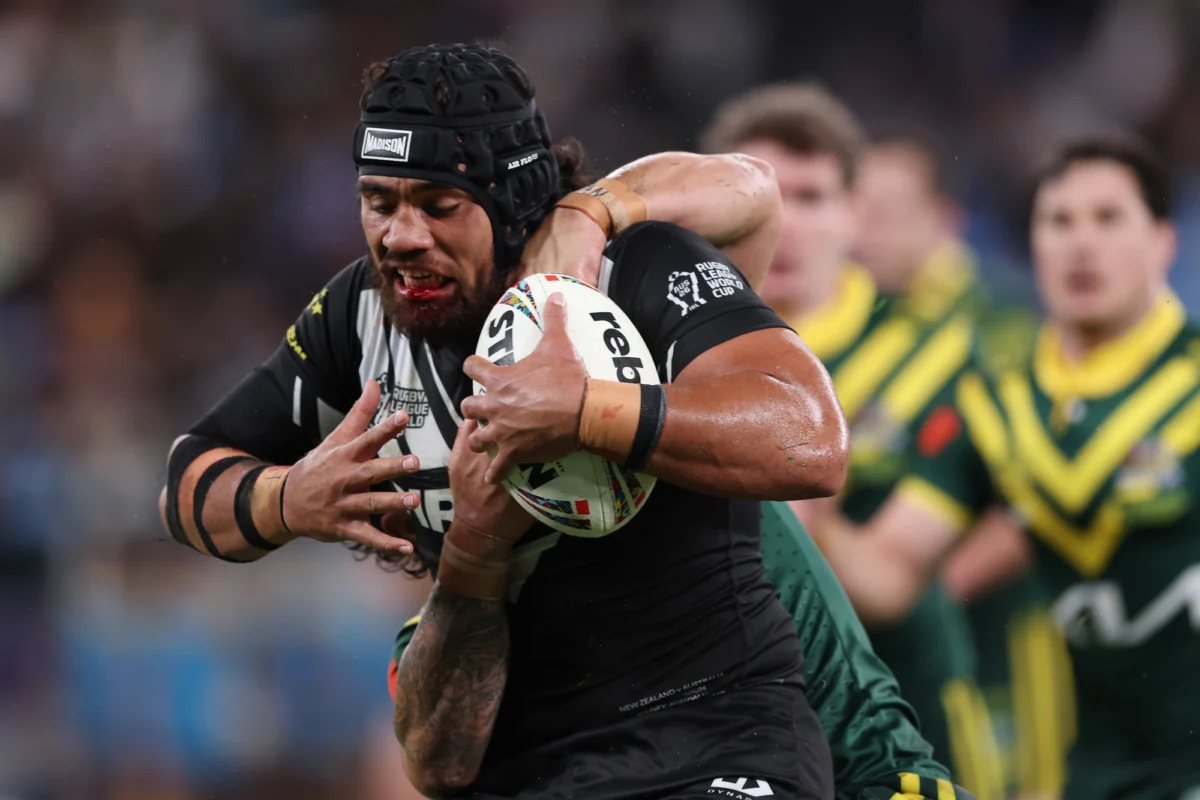
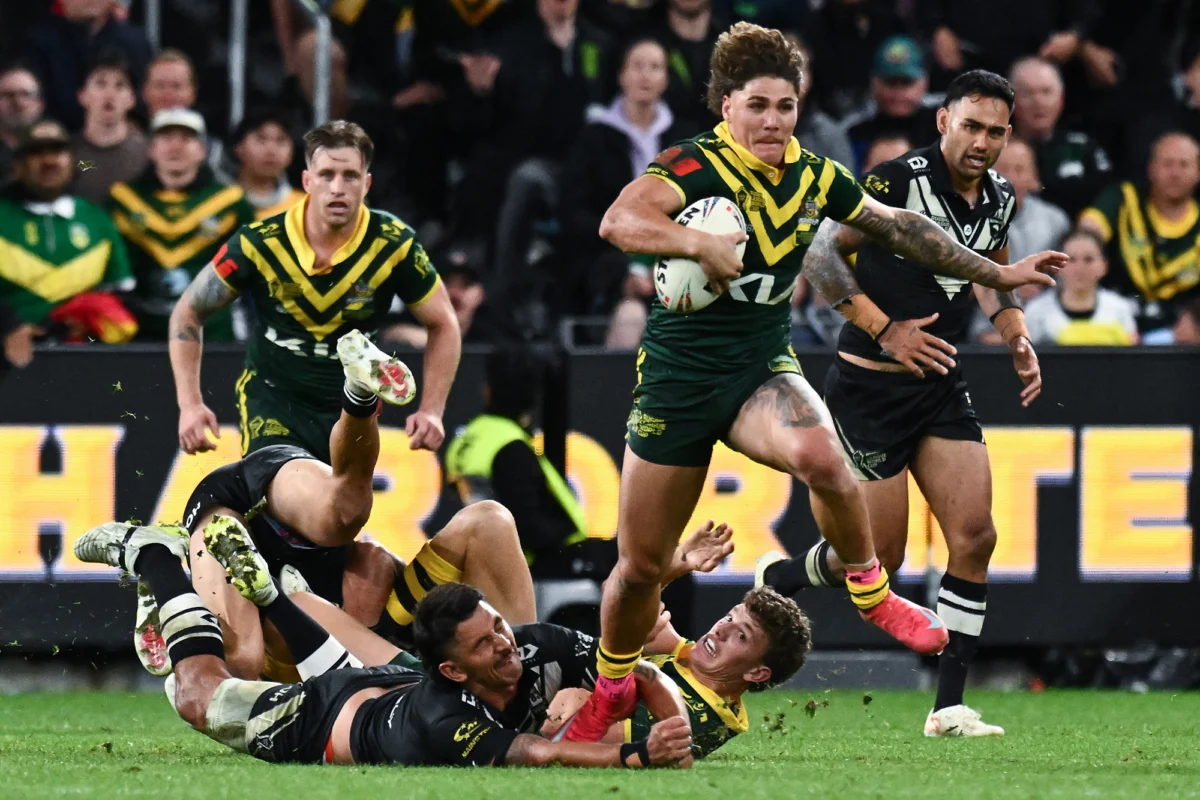
The pressure on New Zealand’s national rugby league side has reached a boiling point. As the second-ranked nation in the world, the Kiwis entered the 2026 Rugby League World Cup with lofty expectations and designs on the trophy. However, a heartbreaking 24-22 opening loss to arch-rivals Australia has left their tournament aspirations hanging by a thread. This Sunday, in Christchurch, New Zealand faces the Cook Islands in a fixture where anything less than a comprehensive victory could signal an premature exit from the competition.
The Stakes: A Path to Redemption
For the Kiwis, the equation is simple but brutal: win the remaining two group games, or face an unthinkable group-stage elimination. The loss to the Kangaroos was a contest of fine margins. New Zealand led for the majority of the match, displaying a tactical superiority and defensive grit that solidified their status as world-class contenders. Yet, a late surge from Australia exposed the fragility of their lead, turning a potential statement victory into an agonizing defeat.
"We played with intensity, but we lacked the composure to close it out," said one team insider. The sentiment within the camp is clear—the disappointment of last week must be channeled into clinical execution against the Cook Islands. The Kiwis are not merely playing for points; they are playing to regain their rhythm and psychological momentum as the tournament enters its critical phase.
Chronology and Context: The Road to Christchurch
The 2026 Rugby League World Cup has been a tournament of surprises, but for New Zealand, it has been a test of resilience. The opening match against Australia was widely considered a "final before the final." The intensity was palpable, with the Kiwis dominating the middle third for sixty minutes. However, the toll of that physical exertion was evident as the match drew to a close.
The Cook Islands, conversely, arrive in Christchurch looking to disrupt the status quo. Their own campaign suffered a setback in the opening round with a loss to Fiji, leaving them in a position where they must secure an upset to keep their own flickering hopes of qualification alive. Under the guidance of head coach Karmichael Hunt, the Cook Islands have spent the week recalibrating their defensive structure, preparing to absorb the inevitable pressure that a desperate New Zealand side will exert from the opening whistle.
Tactical Shifts: New Faces in the Fray
The personnel changes announced for Sunday reflect both injury-enforced absences and a tactical pivot by the coaching staff. The most notable omission is fullback Kalyn Ponga, whose absence leaves a significant void in the Kiwis’ attacking fluidity. Keano Kini steps into the starting fullback role, carrying the burden of replacing one of the game’s most dynamic playmakers.
"Keano brings a different kind of energy," the team management noted. "His ability to inject himself into the line at speed will be vital against a Cook Islands defense that thrives on slow-paced, grinding exchanges."
Further adjustments see Charnze Nicoll-Klokstad slotting into the centre, a move designed to add defensive stability and physicality to the backline. In the pack, Xavier Willison and Scott Sorensen have been named in the second row, signaling an intent to dominate the contact zone from the outset.
For the Cook Islands, Karmichael Hunt has opted for a bold reshuffle. The inclusion of Valentine Holmes at fullback is a major statement of intent—the experienced campaigner is expected to provide the composure necessary to handle the high balls and kick-chase pressure that New Zealand will surely employ. Brad Takairangi’s shift to the half-back position is designed to provide greater tactical oversight, as the Cook Islands look to control the tempo and frustrate the Kiwis’ more explosive athletes.
Supporting Data: By the Numbers
The statistical breakdown of the previous round highlights the discrepancy between the two sides. New Zealand recorded an 88% completion rate against Australia, but it was their defensive lapses in the final ten minutes—conceding two tries in quick succession—that proved their undoing.
The Cook Islands struggled with ball security against Fiji, committing 14 errors. To challenge New Zealand, the Cook Islands must drastically reduce their unforced errors and maintain a high completion rate. Conversely, New Zealand’s forward pack—anchored by captain James Fisher-Harris and Joseph Tapine—must impose themselves early to prevent the Cook Islands from gaining the momentum needed to spring an upset.
Official Responses and Tactical Implications
The officiating team for Sunday’s clash will be led by referee Ashley Klein. His interpretation of the ruck speed will be pivotal. Both teams have expressed a desire for a free-flowing game, but the tactical reality suggests a stop-start battle characterized by high-intensity wrestling in the tackle.
"We aren’t looking past the Cook Islands," said New Zealand captain James Fisher-Harris during the pre-match press conference. "They have athletes who can hurt you if you switch off for a second. Our focus is on our own standards. If we hit our targets, we believe the result will follow."
For the tournament organizers, this match is a litmus test for the popularity of the sport in the South Pacific. A win for New Zealand keeps the dream of a trans-Tasman final alive, while a Cook Islands victory would arguably be the greatest upset in the history of the competition.
Global Viewing Guide: How to Follow the Action
The match is scheduled for Sunday, October 25, 2026. Kick-off is set for 5.05am GMT, which translates to 6.05pm NZDT (local time) in Christchurch.
Free Streaming and Local Broadcasts
- New Zealand: The match will be available for free on ThreeNow. It is also available via a subscription to Sky Sport NZ.
- Australia: Fans can stream the game for free on 7plus and watch live on Seven. This service is highly accessible, requiring only a simple registration.
- United Kingdom: Premier Sports holds the exclusive rights for the tournament. Subscriptions are available on a rolling monthly basis or via annual contracts.
- Ireland: Similar to the UK, Premier Sports is the primary broadcaster. Subscribers can access the game via the Sports Extra pack on Sky or through Now Sports Extra.
- United States: The Premier Sports RLWC26 Pass provides full access to all 53 matches of the tournament for a one-time fee of $25.
International Access and VPN Usage
For those traveling abroad, geo-blocking can often prevent access to local free-to-air services like 7plus or ThreeNow. Utilizing a reputable VPN, such as NordVPN, allows fans to mask their IP address and connect to a server in their home country, ensuring they do not miss a minute of the action.
Note: The use of a VPN is intended for legal, recreational purposes, such as accessing home-region content while traveling. Users should always adhere to the terms and conditions of their streaming providers.
Team Line-ups
New Zealand
- Keano Kini | 2. Jamayne Isaako | 3. Charnze Nicoll-Klokstad | 4. Casey McLean | 5. Ronaldo Mulitalo | 6. Kodi Nikorima | 7. Jahrome Hughes | 8. James Fisher-Harris (c) | 9. Jeremy Marshall-King | 10. Joseph Tapine | 11. Xavier Willison | 12. Scott Sorensen | 13. Erin Clark
Interchange: 14. Te Maire Martin | 15. Leo Thompson | 16. Tanner Stowers-Smith | 17. Jacob Laban | 18. Isaiah Papali’i | 19. Briton Nikora
Cook Islands
- Valentine Holmes | 2. Paul Ulberg | 3. KL Iro (c) | 4. Reubenn Rennie | 5. Cameron Brown | 6. Maui Winitana-Patelesio | 17. Brad Takairangi | 8. Davvy Moale | 9. Rua Ngatikaura | 10. Rhys Dakin | 11. Amare Milford | 12. Delahia Wigmore | 13. Mason Teague
Interchange: 7. Esan Marsters | 14. K-Cl Newton-Whare | 15. David Tuariki | 16. Makahesi Makatoa | 17. Chaev Kolone | 18. Glassie Glassie
Implications for the Tournament
The stakes for this match extend far beyond the two points on offer. A dominant victory for New Zealand would send a message to the rest of the competition that they have moved past their opening-round jitters. It would provide the necessary confidence boost ahead of the final group stage fixture.
However, if the Kiwis falter, the narrative of the 2026 World Cup will shift dramatically. The tournament is designed to showcase the growth of rugby league, and a competitive performance from the Cook Islands—regardless of the final score—would reinforce the increasing parity between tier-one and tier-two nations.
As Christchurch prepares for a night of world-class rugby, all eyes will be on the pitch to see if the Kiwis can rise to the challenge or if the Cook Islands can carve their name into the history books. For both teams, the 2026 Rugby League World Cup enters its most critical chapter this Sunday. The message from the Kiwi camp remains unchanged: win, and the dream continues; lose, and the journey ends.

 Nana Wu
 Jia Lissa
 Reynand Wu
 Siti Muinah

 Ali Ikhwan

 Lina Hope
 Ammar Sabilarrohman