Trending News:Steiner Dismisses "Dream" Pairing: Why Christian Horner and Fred Vasseur Will Never Coexist at FerrariThe United Rugby Championship 2026/27: A Comprehensive Guide to the Global Rugby ShowcaseThe Psychedelic Fairway: Inside the High-Stakes World of Ayahuasca-Infused Golf RetreatsRock, Paper, Scissors Settles Elite Race Order for Historic Two-Day TCS London MarathonBeyond the Goggles: Redefining Aquatic Ear Health for the Year-Round AthleteChasing the Deep: The Definitive Guide to the Best Powder Skis of 2027Steiner Debunks Ferrari "Dream Team" Speculation: Why Horner and Vasseur Coexisting in Maranello is a Formula 1 ImpossibilityThe Global Stage: Your Comprehensive Guide to the 2026-27 United Rugby ChampionshipBreakthrough in Baku: Cadillac F1 Cures Major Cooling Achilles’ Heel as High-Profile Engineering Signings Bolster Long-Term AmbitionsThe End of a Breakfast Cocktail: Mars Terminates BuzzBallz Partnership Amid Public Health BacklashThe Endless Odyssey: Viktor Hovland’s Struggle to Reclaim His Golfing IdentityClash of Styles: How Jim Hiller’s Analytical Approach and Defensive Pedigree Will Shape the Toronto Maple Leafs’ Star-Studded OffenseA Championship to Forget: Visa Hurdles, Roster Depletion, and UCI Penalties Plague Eritrea at the Road World ChampionshipsCal Swimming Scores Massive Recruiting Coup: Top-Ranked Class of 2028 Prospect Kai Joyner Commits to BerkeleyWeather Woes and Balance Sheets: Vail Resorts Navigates a Historic Low-Snow Season and Prepares for What’s NextThe Perth Crucible: Les Kiss and the Wallabies Face Their Ultimate 2026 Reckoning Against the SpringboksResilience and Tactics: How Mads Pedersen Fought Through Adversity to Secure Sixth at the World ChampionshipsThe Nordica Santa Ana 102: Why Last Season’s Discounted All-Mountain Charger is the Smartest Buy in SkiingA Mixed Bag in Baku: How Williams’ Long-Awaited B-Spec Upgrade Sparked Hope Amid Familiar Growing PainsMcLaren Racing on Track to Shatter F1 Financial Records with Projected $1 Billion Revenue MilestoneThe Dragon’s Call: LEGO Finally Unveils First-Ever Dragon Ball Set in Leaked RevealThe Twilight Chase: Adam Scott and the Weight of Unfinished BusinessTampa Bay Rays Outright Veteran Pitcher Jake Woodford to Triple-A DurhamA Titan of the Pool: Remembering Legendary Coach Frank Busch (1951–2026)The Smartest Move on Snow: Why the Unchanged Nordica Santa Ana 102 is the Ultimate Gear HackDenny Hamlin Demands Severe Penalties Following Ugly Post-Race Brawl at Martinsville SpeedwayWSL Weekly Roundup: Tactical Struggles, Emerging Stars, and the Shifting Power DynamicsSebastian Vettel Reflects on Post-Retirement Life, F1’s Future, and the Door to a Potential ReturnThe Weight of Gold: Tom Kim’s Relentless Week at Medinah and the High-Stakes Path to ExemptionAthletics General Manager Search: Jon Daniels Declines Candidacy as Oakland Continues High-Stakes Front Office HuntTriumphs on Welsh Soil: Courtney-Bryant and Kavanagh Claim Crowns at the SportsShoes Podium Home Nations 5kmRising Star Maggie Wanezek Extends Partnership with A3 Performance on Road to 2028 OlympicsSebastian Vettel Weighs Future F1 Role: Life After the Cockpit, Sustainability Goals, and the 2026 RegulationsRacing Bulls Rookie Arvid Lindblad Issues Public Apology to Teammate Liam Lawson After Dramatic Baku CollisionFrom Browser Staple to Steam Success: The Phenomenal Resurgence of Happy WheelsThe Crucible in Perth: Les Kiss’s Wallabies Face the Ultimate Springbok TestEnd of an Era: Dan Wilson Out as Mariners Manager Following Disappointing 2026 CampaignRising Star Jack Miceli Commits to UC Santa Barbara: A Strategic Addition for the GauchosMasterclass at Kansas: Kyle Larson Dominates with Historic Maximum-Points Performance in 2026 NASCAR Cup ThrillerAlexander Isak Returns to Liverpool Following Injury on International DutyMastering the Chaos: How Isack Hadjar’s Stunning Baku Comeback Proved His Red Bull ReadinessThe Foursomes Fiasco: Is the American Golf Machine Breaking Down?Phillies Turn to Zack Wheeler in Desperate Finale as Jesús Luzardo Returns to Bolster BullpenSt. Louis Blues Face Early Season Uncertainty as Young Defenceman Logan Mailloux Suffers Upper-Body Injury in Preseason ActionDrexel Swimming Bolsters Future: Emily Black-Wright and Maddie Inman Commit to Class of 2031Beyond the Giants: Why the Power Pass Is Quietly Rewriting the Southwest Ski SeasonMastering the Chaos: How Isack Hadjar’s Baku Masterclass Proved He is Red Bull’s FutureMaine’s Culinary Icon Evolves: W.A. Bean Replaces Red Dye 3 with Insect-Based PigmentA New Era at Welford Road: Leicester Tigers vs. Saracens Set to Define the Opening Weekend of the Gallagher PremiershipThe Final Push: Presidents Cup Sunday at Medinah Reaches a Boiling PointA Rainbow in Montreal: Demi Vollering Claims Historic Elite Women’s Road Race World Title in Thrilling FinaleRedefining Aging: A Comprehensive Review of British Masters Track Records Following a Historic Weekend in DerbyLegacy of Speed: Anders Koschmann Commits to Northwestern’s Class of 2032Red Bull’s Resurgence: Isack Hadjar’s Stunning Comeback Podium in Baku Highlights Team SynergyThe Manchester City Reckoning: A Watershed Moment for English FootballOff-Track Bonding and On-Track Upgrades: Inside Williams’ High-Stakes Azerbaijan Grand Prix WeekendThe Unsettling Mirror: Chris Hansen Breaks Silence on Robert Pattinson’s Portrayal in A24’s PrimetimeOttawa Senators Bolster Goalie Depth, Acquiring Jonas Johansson from Tampa Bay Lightning Following Waiver LossThe Battle for the Rainbow Jersey: Your Ultimate Guide to the 2026 UCI Road World Championships in MontréalVirginia Dominates Match #2 of the College Swimming League: A Masterclass in Depth and VersatilityBeyond the Giants: Why the Power Pass Is Quietly Reshaping Southwest Ski CultureA Night of Nations League Drama: Mbappé Injury Overshadows French Victory as Italy StumblesSteiner Slams Williams’ "Crocodile Tears" Over F1 Cap Ex Limits and Vowles’ Shifting TimelinesThe "Torture" of Productivity: Why Alarmy is Turning Morning Routines into Digital BootcampsZebre Parma 2026-27: A Franchise at the Crossroads of Survival and DevelopmentDéjà Vu at Medinah: International Team Stuns Americans with Historic Foursomes SweepCalgary Flames Sign Forward Alex Nylander to a One-Year, Two-Way Contract After Successful Training Camp TryoutAlejandra Neira Clinches Historic Junior Women’s Road Race Victory for Spain at the UCI Road World Championships in MontrealInside the Puma 418 Relay and the Grand Opening of the Berlin Nitro Lab: A Masterclass in Endurance, Community, and Brand InnovationThe Global Pool: A Comprehensive Guide to International Swimming’s High-Stakes October 2026Beyond the Megapass: Why the Regional Power Pass is Quietly Reshaping Ski CultureFrom Bristol Blowups to Paddock Camaraderie: Inside the Carson Hocevar and Ryan Blaney AftermathVerstappen Stuns Mercedes with Late Charge to Top Baku FP2, Setting Up Thrilling Azerbaijan GP QualifyingThe Art of the Anonymous: How Instagram’s New AI Blur Tool is Redefining Digital Privacy and DatingThe NHL’s New Fashion Police: Trevor Zegras Draws Penalty as League Revives Crackdown on Tucked JerseysLotte Kopecky Set for High-Stakes Showdown at the Montreal Elite Women’s Road RaceMelissa Courtney-Bryant Ready to Headline Women’s Field at SportsShoes Podium Home Nations 5K in CardiffA Historic Conclusion: The Final Night of the 2026 Asian Games Swimming ProgramBeyond the Giants: Why the Regional Power Pass is Reshaping Southwest Ski CultureMotoGP Unveils Its Most Ambitious Schedule Yet: 22 Rounds, New Global Hubs, and a Bold 2027 VisionA New Dawn or a Familiar Dusk? Klopp’s Chaotic Germany Debut Ends in StalemateHigh Stakes in Baku: David Coulthard Warns "Heads Will Roll" if Williams’s Major B-Spec Upgrade Fails to DeliverBeyond the Rainbow Bridge: BARK and Liquid Death Launch "The Most Forever Home" CasketU.S. Team Grinds Out Narrow Lead as Presidents Cup Opens at MedinahAstros Shuffle Roster as Playoff Push Intensifies: Daulton Varsho Lands on Injured ListFrench Alps 2030 Winter Olympics: Ice Hockey Shifts from Nice to Lyon Amid Infrastructure and Funding OverhaulBreakthrough Performance: 20-Year-Old Mara Winter Shines in U23 World Championships Road RaceThe Unorthodox Champion and the Record Chasers: A Deep Dive into the 2026 BMW Berlin MarathonKristina Paegle Returns to Indiana: A Pivotal Development Amidst Ongoing NCAA LitigationBeyond the Giants: Why the Regional Power Pass is Reshaping Southwest Ski CultureHigh Stakes on the Plains: The Complete Guide to the 2026 NASCAR Cup Series Playoff Showdown at Kansas SpeedwayA Season of Transition: Reds Designate TJ Friedl, Place Chase Burns on Injured ListA Narrow Escape: Arsenal’s Champions League Opener Masks Deeper Offensive WoesInside the Golden Prison: The Complex Web Behind Charles Leclerc’s Loyalty to FerrariDiscord’s New Era: Inside the Platform’s Automated Global Age-Verification RolloutA New Dawn in Treviso: Can Wayne Pivac Restore the Benetton Roar?The Pressure Cooker at Medinah: Five Players Carrying the Weight of the 2026 Presidents CupOakland Athletics Shake Up Roster: Kuroda-Grauer Returns as Injury Woes Mount for Muncy and GinnTriumph in Montreal: Maria Okrucińska Dominates Junior Women’s Time Trial at the 2026 UCI Road World ChampionshipsRising to New Heights: Otis Poole’s Rapid Ascent, Historic World Bronze, and the Bold Leap to Texas A&M
Trending News:Steiner Dismisses "Dream" Pairing: Why Christian Horner and Fred Vasseur Will Never Coexist at FerrariThe United Rugby Championship 2026/27: A Comprehensive Guide to the Global Rugby ShowcaseThe Psychedelic Fairway: Inside the High-Stakes World of Ayahuasca-Infused Golf RetreatsRock, Paper, Scissors Settles Elite Race Order for Historic Two-Day TCS London MarathonBeyond the Goggles: Redefining Aquatic Ear Health for the Year-Round AthleteChasing the Deep: The Definitive Guide to the Best Powder Skis of 2027Steiner Debunks Ferrari "Dream Team" Speculation: Why Horner and Vasseur Coexisting in Maranello is a Formula 1 ImpossibilityThe Global Stage: Your Comprehensive Guide to the 2026-27 United Rugby ChampionshipBreakthrough in Baku: Cadillac F1 Cures Major Cooling Achilles’ Heel as High-Profile Engineering Signings Bolster Long-Term AmbitionsThe End of a Breakfast Cocktail: Mars Terminates BuzzBallz Partnership Amid Public Health BacklashThe Endless Odyssey: Viktor Hovland’s Struggle to Reclaim His Golfing IdentityClash of Styles: How Jim Hiller’s Analytical Approach and Defensive Pedigree Will Shape the Toronto Maple Leafs’ Star-Studded OffenseA Championship to Forget: Visa Hurdles, Roster Depletion, and UCI Penalties Plague Eritrea at the Road World ChampionshipsCal Swimming Scores Massive Recruiting Coup: Top-Ranked Class of 2028 Prospect Kai Joyner Commits to BerkeleyWeather Woes and Balance Sheets: Vail Resorts Navigates a Historic Low-Snow Season and Prepares for What’s NextThe Perth Crucible: Les Kiss and the Wallabies Face Their Ultimate 2026 Reckoning Against the SpringboksResilience and Tactics: How Mads Pedersen Fought Through Adversity to Secure Sixth at the World ChampionshipsThe Nordica Santa Ana 102: Why Last Season’s Discounted All-Mountain Charger is the Smartest Buy in SkiingA Mixed Bag in Baku: How Williams’ Long-Awaited B-Spec Upgrade Sparked Hope Amid Familiar Growing PainsMcLaren Racing on Track to Shatter F1 Financial Records with Projected $1 Billion Revenue MilestoneThe Dragon’s Call: LEGO Finally Unveils First-Ever Dragon Ball Set in Leaked RevealThe Twilight Chase: Adam Scott and the Weight of Unfinished BusinessTampa Bay Rays Outright Veteran Pitcher Jake Woodford to Triple-A DurhamA Titan of the Pool: Remembering Legendary Coach Frank Busch (1951–2026)The Smartest Move on Snow: Why the Unchanged Nordica Santa Ana 102 is the Ultimate Gear HackDenny Hamlin Demands Severe Penalties Following Ugly Post-Race Brawl at Martinsville SpeedwayWSL Weekly Roundup: Tactical Struggles, Emerging Stars, and the Shifting Power DynamicsSebastian Vettel Reflects on Post-Retirement Life, F1’s Future, and the Door to a Potential ReturnThe Weight of Gold: Tom Kim’s Relentless Week at Medinah and the High-Stakes Path to ExemptionAthletics General Manager Search: Jon Daniels Declines Candidacy as Oakland Continues High-Stakes Front Office HuntTriumphs on Welsh Soil: Courtney-Bryant and Kavanagh Claim Crowns at the SportsShoes Podium Home Nations 5kmRising Star Maggie Wanezek Extends Partnership with A3 Performance on Road to 2028 OlympicsSebastian Vettel Weighs Future F1 Role: Life After the Cockpit, Sustainability Goals, and the 2026 RegulationsRacing Bulls Rookie Arvid Lindblad Issues Public Apology to Teammate Liam Lawson After Dramatic Baku CollisionFrom Browser Staple to Steam Success: The Phenomenal Resurgence of Happy WheelsThe Crucible in Perth: Les Kiss’s Wallabies Face the Ultimate Springbok TestEnd of an Era: Dan Wilson Out as Mariners Manager Following Disappointing 2026 CampaignRising Star Jack Miceli Commits to UC Santa Barbara: A Strategic Addition for the GauchosMasterclass at Kansas: Kyle Larson Dominates with Historic Maximum-Points Performance in 2026 NASCAR Cup ThrillerAlexander Isak Returns to Liverpool Following Injury on International DutyMastering the Chaos: How Isack Hadjar’s Stunning Baku Comeback Proved His Red Bull ReadinessThe Foursomes Fiasco: Is the American Golf Machine Breaking Down?Phillies Turn to Zack Wheeler in Desperate Finale as Jesús Luzardo Returns to Bolster BullpenSt. Louis Blues Face Early Season Uncertainty as Young Defenceman Logan Mailloux Suffers Upper-Body Injury in Preseason ActionDrexel Swimming Bolsters Future: Emily Black-Wright and Maddie Inman Commit to Class of 2031Beyond the Giants: Why the Power Pass Is Quietly Rewriting the Southwest Ski SeasonMastering the Chaos: How Isack Hadjar’s Baku Masterclass Proved He is Red Bull’s FutureMaine’s Culinary Icon Evolves: W.A. Bean Replaces Red Dye 3 with Insect-Based PigmentA New Era at Welford Road: Leicester Tigers vs. Saracens Set to Define the Opening Weekend of the Gallagher PremiershipThe Final Push: Presidents Cup Sunday at Medinah Reaches a Boiling PointA Rainbow in Montreal: Demi Vollering Claims Historic Elite Women’s Road Race World Title in Thrilling FinaleRedefining Aging: A Comprehensive Review of British Masters Track Records Following a Historic Weekend in DerbyLegacy of Speed: Anders Koschmann Commits to Northwestern’s Class of 2032Red Bull’s Resurgence: Isack Hadjar’s Stunning Comeback Podium in Baku Highlights Team SynergyThe Manchester City Reckoning: A Watershed Moment for English FootballOff-Track Bonding and On-Track Upgrades: Inside Williams’ High-Stakes Azerbaijan Grand Prix WeekendThe Unsettling Mirror: Chris Hansen Breaks Silence on Robert Pattinson’s Portrayal in A24’s PrimetimeOttawa Senators Bolster Goalie Depth, Acquiring Jonas Johansson from Tampa Bay Lightning Following Waiver LossThe Battle for the Rainbow Jersey: Your Ultimate Guide to the 2026 UCI Road World Championships in MontréalVirginia Dominates Match #2 of the College Swimming League: A Masterclass in Depth and VersatilityBeyond the Giants: Why the Power Pass Is Quietly Reshaping Southwest Ski CultureA Night of Nations League Drama: Mbappé Injury Overshadows French Victory as Italy StumblesSteiner Slams Williams’ "Crocodile Tears" Over F1 Cap Ex Limits and Vowles’ Shifting TimelinesThe "Torture" of Productivity: Why Alarmy is Turning Morning Routines into Digital BootcampsZebre Parma 2026-27: A Franchise at the Crossroads of Survival and DevelopmentDéjà Vu at Medinah: International Team Stuns Americans with Historic Foursomes SweepCalgary Flames Sign Forward Alex Nylander to a One-Year, Two-Way Contract After Successful Training Camp TryoutAlejandra Neira Clinches Historic Junior Women’s Road Race Victory for Spain at the UCI Road World Championships in MontrealInside the Puma 418 Relay and the Grand Opening of the Berlin Nitro Lab: A Masterclass in Endurance, Community, and Brand InnovationThe Global Pool: A Comprehensive Guide to International Swimming’s High-Stakes October 2026Beyond the Megapass: Why the Regional Power Pass is Quietly Reshaping Ski CultureFrom Bristol Blowups to Paddock Camaraderie: Inside the Carson Hocevar and Ryan Blaney AftermathVerstappen Stuns Mercedes with Late Charge to Top Baku FP2, Setting Up Thrilling Azerbaijan GP QualifyingThe Art of the Anonymous: How Instagram’s New AI Blur Tool is Redefining Digital Privacy and DatingThe NHL’s New Fashion Police: Trevor Zegras Draws Penalty as League Revives Crackdown on Tucked JerseysLotte Kopecky Set for High-Stakes Showdown at the Montreal Elite Women’s Road RaceMelissa Courtney-Bryant Ready to Headline Women’s Field at SportsShoes Podium Home Nations 5K in CardiffA Historic Conclusion: The Final Night of the 2026 Asian Games Swimming ProgramBeyond the Giants: Why the Regional Power Pass is Reshaping Southwest Ski CultureMotoGP Unveils Its Most Ambitious Schedule Yet: 22 Rounds, New Global Hubs, and a Bold 2027 VisionA New Dawn or a Familiar Dusk? Klopp’s Chaotic Germany Debut Ends in StalemateHigh Stakes in Baku: David Coulthard Warns "Heads Will Roll" if Williams’s Major B-Spec Upgrade Fails to DeliverBeyond the Rainbow Bridge: BARK and Liquid Death Launch "The Most Forever Home" CasketU.S. Team Grinds Out Narrow Lead as Presidents Cup Opens at MedinahAstros Shuffle Roster as Playoff Push Intensifies: Daulton Varsho Lands on Injured ListFrench Alps 2030 Winter Olympics: Ice Hockey Shifts from Nice to Lyon Amid Infrastructure and Funding OverhaulBreakthrough Performance: 20-Year-Old Mara Winter Shines in U23 World Championships Road RaceThe Unorthodox Champion and the Record Chasers: A Deep Dive into the 2026 BMW Berlin MarathonKristina Paegle Returns to Indiana: A Pivotal Development Amidst Ongoing NCAA LitigationBeyond the Giants: Why the Regional Power Pass is Reshaping Southwest Ski CultureHigh Stakes on the Plains: The Complete Guide to the 2026 NASCAR Cup Series Playoff Showdown at Kansas SpeedwayA Season of Transition: Reds Designate TJ Friedl, Place Chase Burns on Injured ListA Narrow Escape: Arsenal’s Champions League Opener Masks Deeper Offensive WoesInside the Golden Prison: The Complex Web Behind Charles Leclerc’s Loyalty to FerrariDiscord’s New Era: Inside the Platform’s Automated Global Age-Verification RolloutA New Dawn in Treviso: Can Wayne Pivac Restore the Benetton Roar?The Pressure Cooker at Medinah: Five Players Carrying the Weight of the 2026 Presidents CupOakland Athletics Shake Up Roster: Kuroda-Grauer Returns as Injury Woes Mount for Muncy and GinnTriumph in Montreal: Maria Okrucińska Dominates Junior Women’s Time Trial at the 2026 UCI Road World ChampionshipsRising to New Heights: Otis Poole’s Rapid Ascent, Historic World Bronze, and the Bold Leap to Texas A&M
The 2026 Formula 1 Azerbaijan Grand Prix delivered a quintessential "mixed bag" weekend for Williams. For a team that has endured months of drought regarding significant developmental updates to the FW48, the trip to the Baku City Circuit was circled in red on the calendar as a pivotal checkpoint.
By introducing an overhauled chassis at the required minimum weight limit, alongside a completely redesigned floor and a suite of aerodynamic parts, the Grove-based squad hoped to breathe new life into its campaign.
While the weekend yielded Williams’ first appearance in Q3 of 2026 and its first points-scoring finish since Monaco, it was also underscored by grid penalties, a costly crash for Alex Albon, and persistent underlying weaknesses in the car’s behavioral architecture.
As Formula 1 enters the demanding phases of a triple-header—with high-downforce tracks like Sepang and Singapore looming—Williams finds itself at a critical crossroads. The B-spec package proved it has raw potential, but the team’s overarching narrative remains one of fighting an uphill battle against a fiercely competitive midfield.
Main Facts: The Baku Weekend at a Glance
Williams arrived in Baku facing immense pressure to validate months of factory labor. The core facts of their Azerbaijan Grand Prix weekend outline a narrative of dualities:
The Upgrades: Williams finally introduced its long-awaited B-spec package, featuring a brand-new chassis that hit the weight limit, a heavily revised floor, and updated aerodynamic surfaces.
Qualifying Breakthrough: Carlos Sainz secured ninth place in qualifying—representing the team’s first Q3 appearance of the 2026 season—though a grid penalty subsequently dropped him to 14th on the starting grid.
Race Day Drama: Benefit was found via sheer attrition and chaos; a dramatic restart collision involving Franco Colapinto, Pierre Gasly, and Lando Norris opened the door for Williams to climb back into the top ten.
The Points Drought Broken: Sainz crossed the line to secure a hard-fought single point for 10th place, marking Williams’ first points finish since the Monaco Grand Prix.
The Lowlight: Alex Albon suffered a heavy crash on Lap 31, bringing out the safety car and exposing lingering vulnerabilities in the FW48’s front-end geometry and wind-sensitivity.
The Championship Picture: Williams continues to languish ninth in the Constructors’ Championship, treating the remainder of 2026 primarily as a rigorous operational stress test and a development runway for 2027.
Chronology of the Weekend: From Early Promise to Race Day Chaos
Friday: Unlocking Midfield Pace
The weekend began with genuine optimism under the Baku sun. During Free Practice 2 (FP2), the FW48 demonstrated surprisingly strong long-run pace. For months, Williams drivers had struggled to break into the upper tier of the midfield pack. In FP2, however, the new chassis unlocked a window of performance that suddenly placed Williams squarely in the conversation alongside established midfield contenders like Haas, Racing Bulls, and Audi.
Engineers in the Grove garage analyzed the telemetry with cautious optimism. The car was reacting predictably to setup changes, and the correlation between the simulator and the physical track data appeared reasonably aligned.
Saturday: Qualifying Highs and Grid Penalties
Saturday afternoon brought the first tangible milestone of the season. Carlos Sainz extracted maximum performance from the updated FW48, navigating the tight, unforgiving walls of the Baku street circuit to secure ninth place in qualifying. It was Williams’ maiden Q3 appearance of 2026, setting off celebratory scenes within the garage.
However, the euphoria was short-lived. Due to a pre-existing grid penalty, Sainz was slapped with a drop that relegated him to 14th place for the race start, immediately behind his teammate, Alex Albon. What should have been a clean shot at points from the top ten suddenly transformed into another exercise in damage limitation from the belly of the pack.
Sunday: Attrition, Chaos, and Redemption
When the lights went out on Sunday, Williams faced an uphill battle in the dirty air of the midfield. During the first stint, the FW48 struggled noticeably for race pace, unable to make meaningful inroads against direct rivals. Team principal James Vowles later highlighted this phase as a critical area requiring deep forensic analysis.
Just as hopes of a points-paying finish appeared to be fading, the race dynamics shifted dramatically. A chaotic restart triggered by Franco Colapinto saw him collect Pierre Gasly and Lando Norris, causing a major shake-up in the order.
Capitalizing on the ensuing chaos and clean driving through the wreckage, Carlos Sainz steered his way through the melee to salvage 10th place. The single world championship point was a welcome reward, but it arrived with a caveat: teammate Alex Albon was not there to share in the spoils.
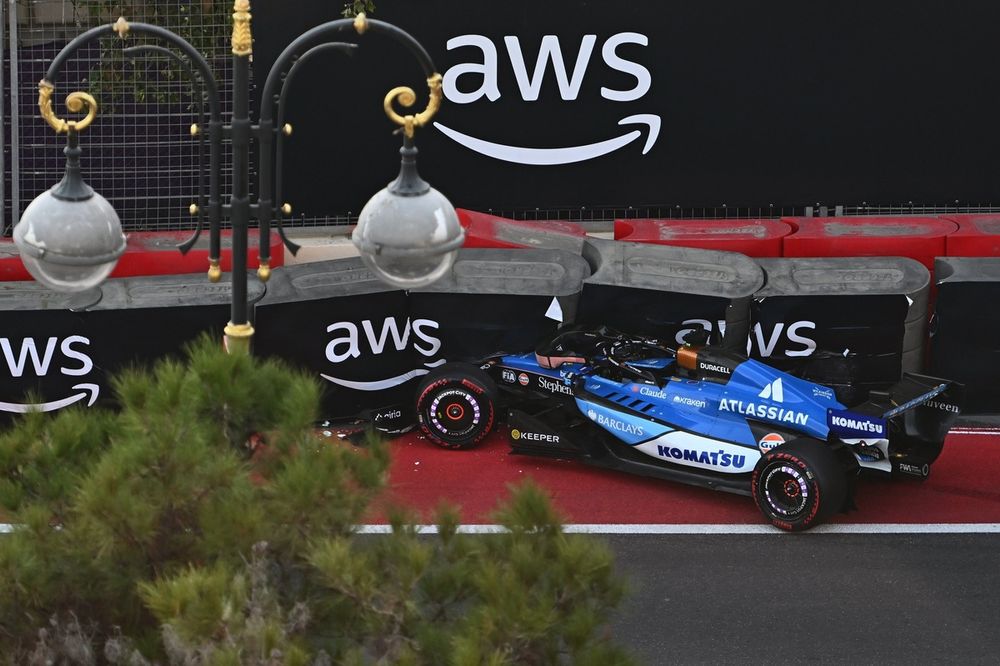
On Lap 31, Albon misjudged his braking zone into Turn 1, clipping the barriers and bringing out the Safety Car. The accident abruptly ended his afternoon and capped off a deeply polarized team result.
Supporting Data: Assessing the B-Spec Step
The fundamental question circulating the paddock after the chequered flag waved was whether the Williams B-spec package actually delivered the performance step anticipated by the engineers.
According to the drivers and management, the upgrade achieved its empirical targets without causing harmful aerodynamic side effects, but the sheer scale of the deficit Williams started the year with means they are still playing catch-up.
Weight Target Met: The new chassis successfully shaved off crucial kilograms, bringing the FW48 down to the mandated minimum weight limit for the first time this season.
Qualifying Gain: A move into Q3 proved that the one-lap pace has fundamentally improved, even if track characteristics heavily flattered the low-drag demands of Baku.
Relative Competitiveness: While the car is objectively faster than it was in the opening rounds, the rest of the midfield has not stood still, leaving Williams fighting for the minor points positions.
Official Responses: Inside the Williams Camp
The post-race debriefs from team leadership and drivers painted a transparent picture of a squad realistic about its current limitations while quietly confident about its long-term trajectory.
James Vowles: Team Principal
Reflecting on the grueling effort required to bring the updates to Azerbaijan, Vowles praised his factory personnel while highlighting clear areas of concern:
"It’s been a mammoth effort to bring the update that we have here this weekend and it’s nice to walk away with a point," Vowles told the media.
"You can see we didn’t have the pace on that first stint, and we need to dig and understand that because that was a critical part of the race where we weren’t able to make progress."
Looking toward the broader institutional challenges, Vowles admitted that Williams is still battling structural disadvantages:
"My real learning from it is we need a lot more investment to bring us just the ability to keep up with those in front. And the cost cap restrains us from doing that. [The upgrade] is directionally right. I think more importantly, it’s the foundation we wanted to set ourselves for next year. We recognise this year’s a little bit behind us, unfortunately, but there’s a lot to do in going into 2027."
Alex Albon: Driver #23
Albon offered a pragmatic assessment of the car’s behavior following his race-ending crash, pointing to both driver error and historical chassis characteristics:
"I think it’s exactly the step we expected. Maybe we didn’t expect Q3, to be fair to you. But yes, it put us in a midfield fight," Albon said regarding the upgrade package.
Addressing his Lap 31 incident, Albon was candid about how external elements exposed the FW48’s known aerodynamic and mechanical traits:
"It was odd. I braked a little bit later, but not much later. Then we had a big wind gust. I thought I would run a little bit wide, but I never thought I would hit the wall. I’m sure I have to hold my hand up in that situation, but at the same time we’ve had these issues before. We know our car likes to lift the front wheel and we three-wheel. We know when we brake a little bit late, we can expose ourselves to that three-wheeling."
"For sure, with the wind gust and braking late at the same time, it just tips it over the edge. It wasn’t a huge amount; it was a few metres, but that’s too much."
Carlos Sainz: Driver #55
Sainz echoed his teammate’s sentiments, emphasizing that while the aerodynamic updates work as intended, the sheer developmental mountain Williams must climb remains vast:
"Our initial feel is that the car feels just a bit quicker. But we were so far away that even though we’ve been bringing such a big upgrade, it still feels like we are playing a lot of catch-up. So as promised, no big massive surprises in terms of pace, a healthy step forward."
Implications: The Road Ahead Through the Triple-Header and Toward 2027
As the dust settles on Baku, Williams must quickly shift its focus to the immediate future, which presents severe hurdles.
Baku was historically a circuit that suited the core aerodynamic profile of Williams cars. However, the upcoming races at Malaysia’s Sepang circuit and the grueling Singapore street track place an immense premium on high-speed and medium-speed downforce—qualities that have traditionally exposed the FW48’s weaknesses.
The Upcoming Reality Check
Both Vowles and Albon have issued clear warnings to fans and stakeholders: do not expect miracles in the coming weeks.
"This track, even without the upgrade, it would have favoured us," Albon warned. "Malaysia will be telling to see where we are on a much more downforce-focused circuit. We’ve also got now a few days to actually understand the package. Expect us to fall back in Malaysia, and then maybe in Singapore we can come somewhere in between."
A Stress Test for 2027
With Williams anchored in ninth place in the Constructors’ Championship, the 2026 on-track season is effectively a lost cause in terms of championship glory. However, framing the current campaign purely through the lens of race results misses the point.
The successful introduction of an entirely new chassis under stringent cost-cap constraints serves as a vital operational stress test. It proves that the Grove factory can conceptualize, manufacture, and deploy major foundational components much more efficiently than it could twelve years—or even twelve months—ago.
Because the core architectural chassis concepts developed for this B-spec package are designed to carry over into the 2027 campaign, Williams has cleared a massive developmental hurdle ahead of time. While next year brings a fresh set of aerodynamic rule tweaks and brand-new power unit regulations, the physical framework of the car will not require a ground-up reinvention.
For James Vowles and his team, Baku was never going to instantly transform Williams into podium contenders. Instead, it was a gritty, reality-check laboratory session on wheels—one that proved the team is moving in the correct directional vector, even if the road to redemption remains long, arduous, and paved with difficult lessons.
Steiner Debunks Ferrari "Dream Team" Speculation: Why Horner and Vasseur Coexisting in Maranello is a Formula 1 Impossibility
LONDON — Formula 1’s rumor mill has once again gone into overdrive following explosive comments from former Red Bull Racing team principal Christian Horner regarding his potential future in the…
Breakthrough in Baku: Cadillac F1 Cures Major Cooling Achilles’ Heel as High-Profile Engineering Signings Bolster Long-Term Ambitions
By Motorsport Reporting Desk In the fast-paced, relentlessly demanding world of Formula 1, finding a competitive edge often starts with simply keeping your car alive. For the nascent Cadillac F1…

 Asro
Asro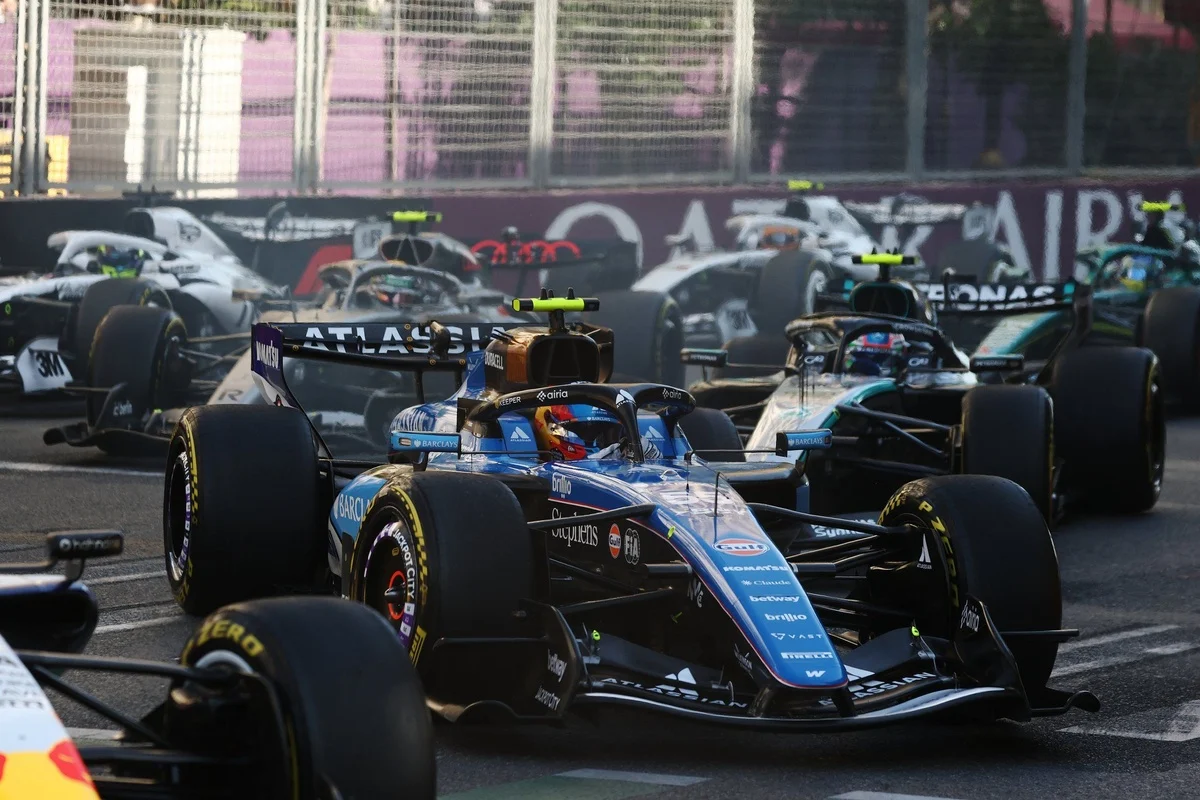



 Pevita Pearce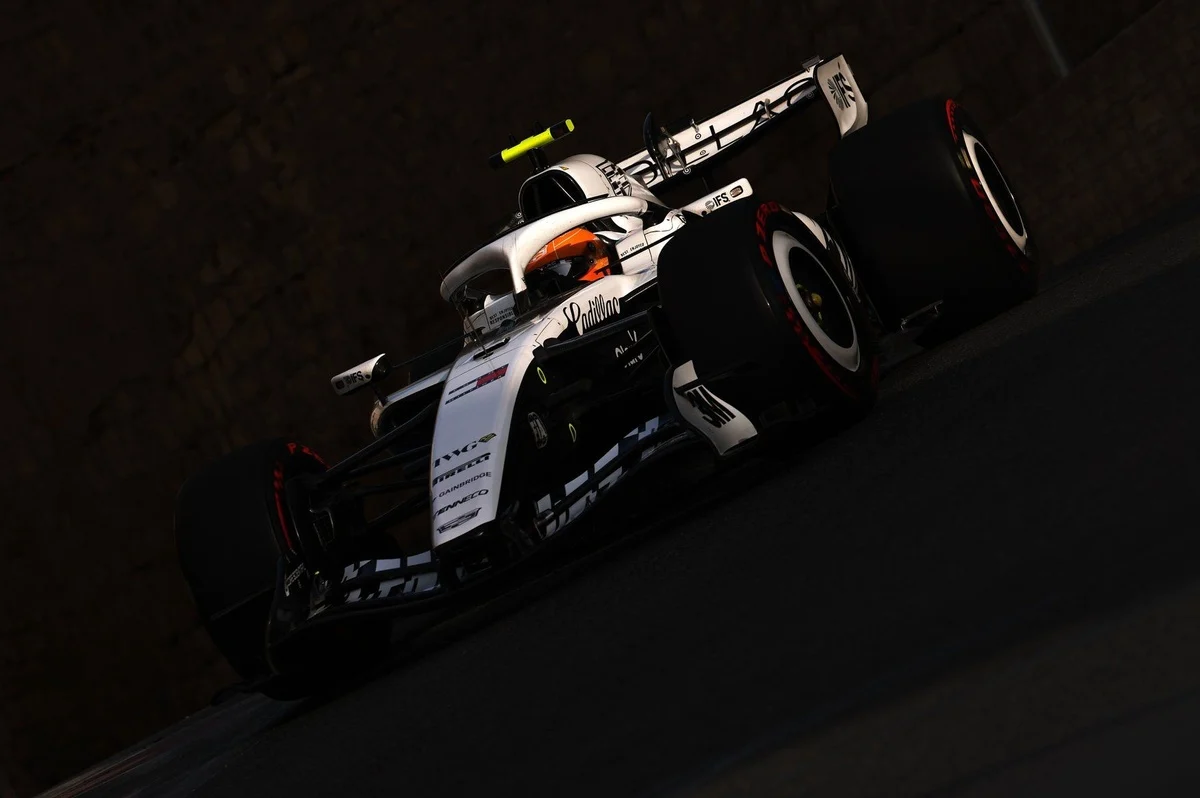
 Evan Lee Salim
 Neng Nana
 Nana Wu
 Lina Hope
 Sagoh
Sagoh
 Iffa Jayyana