
 Raul Delapena Setiawan
Updated September 24, 2026
For years, the modern ski season has been defined by a duopoly. Mention a multi-mountain pass to almost any avid skier, and their mind immediately goes to the behemoths: the Epic Pass or the Ikon Pass. These industry titans have reshaped how North Americans consume winter sports, drawing millions of destination travelers to massive, high-amenity resorts from Whistler to Vermont.
Yet, operating outside the shadow of these massive corporate networks is an alternative that often flies under the radar for destination travelers, but commands fierce loyalty among locals and regional road-trippers: the Power Pass.
Administered by Mountain Capital Partners (MCP), the Power Pass offers a distinct value proposition. Centered heavily around the American Southwest—while stretching across international borders—it trades the sprawling base villages, high-speed gondolas, and international marketing budgets of the mega-passes for a more localized, community-driven ski experience.
As the winter season approaches, examining the Power Pass requires looking past the glossy brochures of mega-resorts and evaluating what regional passes truly offer: accessibility, community character, and an alternative financial model for the modern skier.
Main Facts: Anatomy of the Power Pass Network
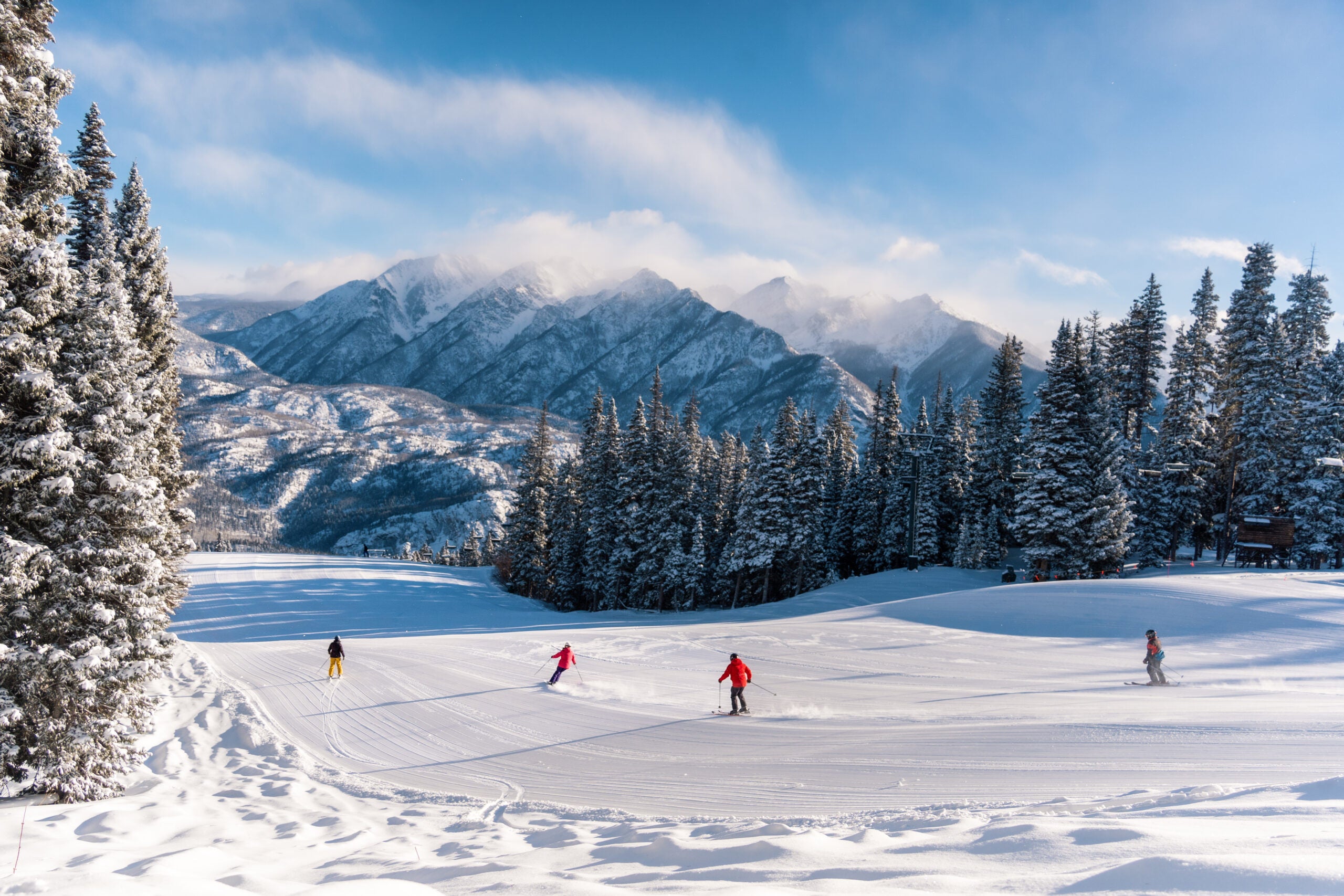
To understand the Power Pass, one must first look at its geography. Unlike passes designed to capture destination air-travelers from coast to coast, the Power Pass is anchored firmly in the regional drive-markets of the Southwest and Intermountain West, with select outposts in the Pacific Northwest.
The full, unrestricted Power Pass grants unlimited skiing and snowboarding with zero blackout dates across a diverse roster of resorts:
- Colorado: Purgatory Resort
- Arizona: Arizona Snowbowl
- Utah: Brian Head Resort, Nordic Valley
- New Mexico: Sipapu, Pajarito
- Nevada: Lee Canyon
- Oregon: Willamette Pass, Sandia Peak (New Mexico)
Crucially, the pass expands far beyond the continental United States. Power Pass holders gain access to Valle Nevado and La Parva in the Chilean Andes. This international partnership gives skiers and riders the rare opportunity to chase winter during the Northern Hemisphere’s summer months. Furthermore, the utility of the pass does not melt away when the snow does: full passholders receive warm-weather mountain biking access at Spider Mountain Bike Park in Texas.
Chronology: The Evolution of Regional Passes in a Mega-Pass Era
The rise of the Power Pass mirrors a broader structural shift in the ski industry over the past decade.
- Pre-2010s: The ski landscape was dominated by individual, mountain-specific season passes or expensive regional bundles. Skiers typically committed to one local hill.
- The Epic/Ikon Disruption: As Vail Resorts and Alterra Mountain Company consolidated the market through the Epic and Ikon passes, independent resorts faced immense pressure to aggregate or risk losing market share to the mega-pass ecosystems.
- MCP’s Expansion Era: Mountain Capital Partners steadily acquired and integrated a collection of independent, often overlooked regional ski areas—ranging from Arizona Snowbowl to New Mexico’s Sipapu and Pajarito. By linking these disparate mountains under a single digital ecosystem, MCP transformed a patchwork of regional hills into a cohesive network.
- Present Day (2026/2027 Season): The Power Pass has matured into a viable third pillar for skiers based in the Southwest, offering specific tier structures—including aggressive family incentives like free skiing for kids 12 and under on the full pass—to capture market share from families and road-trippers feeling fatigued by mega-pass price hikes and overcrowding.
Supporting Data: Weather Patterns, Demographics, and Economics
When evaluating whether a ski pass offers genuine value, meteorology and geography matter just as much as retail pricing.

The 2026/2027 Weather Outlook
Winter weather forecasts often dictate pass sales, and the upcoming season brings a compelling narrative for the Southwest. According to OpenSnow meteorologist Sam Collentine, current meteorological indicators point toward a pronounced shift.
“The effects of El Niño appear to show a mixed bag for much of the Western United States, with the strongest signal being average to above-average snowfall for the Southwest,” Collentine told SKI.
If this southern storm track materializes, southern Colorado, New Mexico, and Arizona could see highly favorable snow cycles. However, meteorologists urge caution against using seasonal forecasts as the sole justification for a pass purchase. Weather patterns represent broad probabilities rather than localized guarantees, and conditions can vary wildly from one peak to the next. As Collentine notes, historical El Niño patterns do not hold with 100-percent predictability.
Demographics and Pass Economics
The economic equation of the Power Pass depends entirely on user habits. For a skier based in Phoenix, Albuquerque, Flagstaff, or Denver, the pass can pay for itself in a handful of weekend trips.
Moreover, ancillary perks add measurable value for specific user groups:
- The Family Metric: With kids 12 and under skiing free on the full pass, multi-generational families save hundreds—sometimes thousands—of dollars compared to per-day ticket windows or tier-restricted children’s rates on competing passes.
- Partner Resort Allotments: Full passholders receive three days each at independent favorites like Monarch Mountain, Sundance, and Loveland, alongside up to 10 split days at Valle Nevado and La Parva in Chile.
- On-Mountain Discounts: Standard industry perks—such as discounted buddy tickets, food and beverage savings, and retail discounts—help chip away at the total cost of ownership over a season.
Official Responses and Industry Perspectives
Resort operators and winter sports analysts have increasingly pointed to regional passes as a necessary counterweight to the hyper-commercialization of mega-resorts.
Representatives for Mountain Capital Partners have consistently emphasized that the mission of the Power Pass is to preserve the character of community mountains while giving local skiers a flexible, affordable product. Rather than trying to compete with the sprawling luxury footprint of destinations like Vail or Aspen, MCP focuses on operational efficiency, snowmaking investments, and family-friendly accessibility at smaller properties.
Industry observers note that while mega-passes excel at capturing the destination vacation market—fly-in tourists looking for high-end dining, luxury lodging, and extensive retail options—regional networks like the Power Pass fill a vital niche for grassroots skiers. They keep the sport accessible to middle-class families who might otherwise be priced out of major resort towns.
Implications: Who Wins and Who Loses With the Power Pass?
Choosing a season pass ultimately forces skiers to answer a fundamental question: What kind of ski experience do you actually value?
The Trade-Offs of Smaller Mountains
Opting for the Power Pass means bypassing mega-resort amenities. Skiers at areas like Sipapu, Pajarito, or Nordic Valley will not find multi-million-dollar base villages, high-end culinary scenes, or sprawling high-speed transit networks. Terrain footprints are smaller, and lodging options are more limited.

Yet, for many skiers, these limitations are features, not bugs.
- Crowd Dynamics: Smaller mountains generally feature shorter lift lines and less congested trails. For advanced skiers, this means fresh powder can linger for hours rather than minutes.
- Navigation and Family Friendliness: Compact resorts make it significantly easier for families and beginners to navigate the mountain without spending half the day coordinating meetups or traversing complex terrain pods.
- Local Character: These mountains often retain a laid-back, authentic ski-town culture that can feel diluted at massive, corporate-owned destination resorts. Walking a few steps from a parking lot straight onto the snow without boarding a shuttle bus provides a frictionless experience that modern mega-resorts have largely traded away.
The Verdict: Geographic Alignment is Everything
Ultimately, the Power Pass is not an overlooked replacement for the Epic or Ikon passes. It is an entirely different product built for a different demographic.
- Who it’s for: Skiers and families based in the Southwest within driving distance of participating mountains, road-trip enthusiasts looking to string together multiple regional hills, and budget-conscious parents taking advantage of free children’s passes.
- Who it’s not for: East Coast or Midwest skiers planning a single, destination-focused weeklong vacation to a world-class mega-resort. For those flyers, the logistical hurdles and airfare required to piece together regional Southwest mountains rarely make economic sense.
For the right skier, however, the Power Pass represents a savvy backdoor into a fulfilling winter—proving that bigger is not always better, and that the heart of skiing often beats loudest far away from the mega-resort crowds.

 Muslim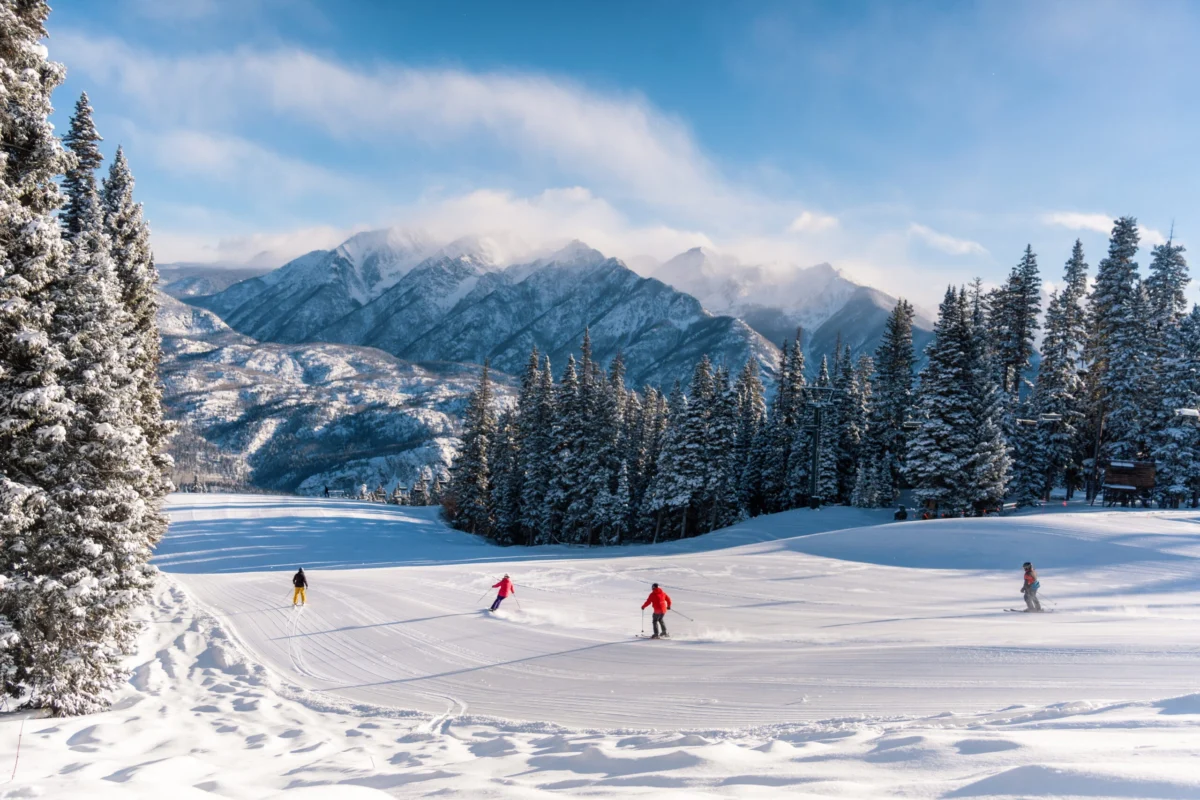
 Evan Lee Salim
 Sagoh
Sagoh

 Jia Lissa

 Asro
Asro
 Basiran