
 Azzam Bilal Chamdy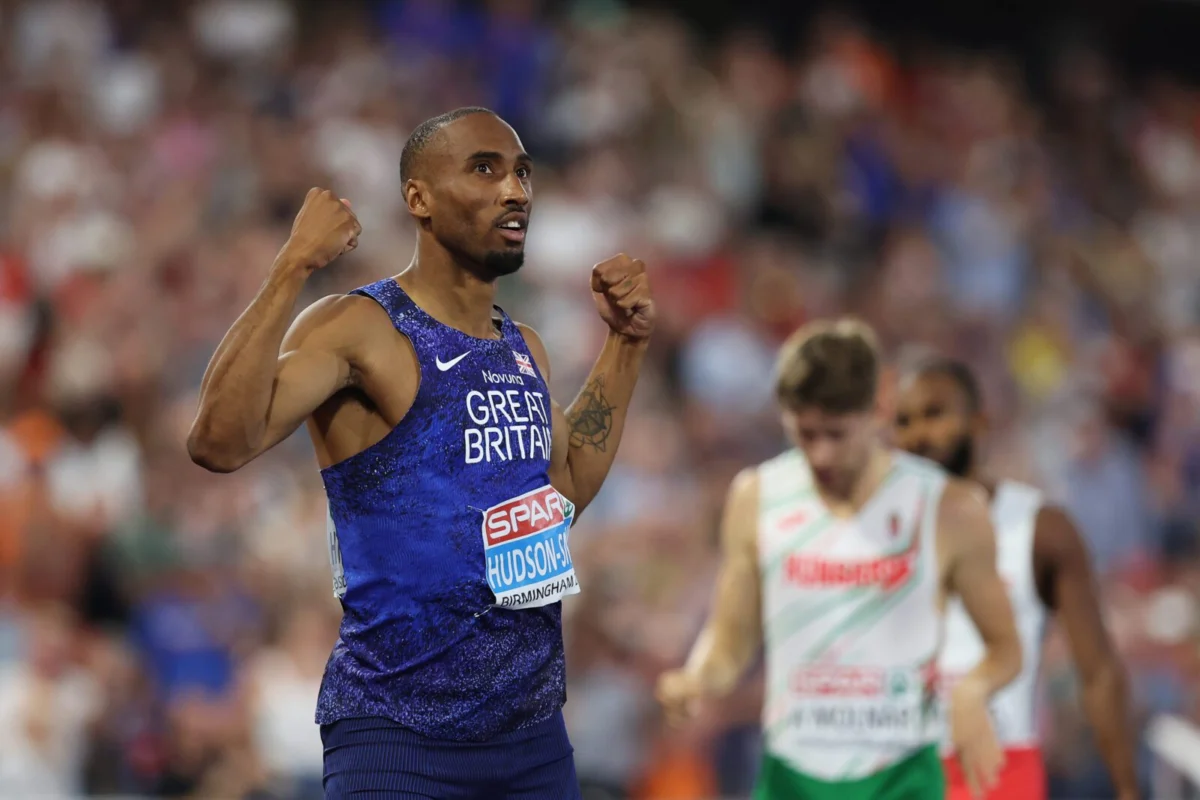
By Athletics Review Desk
Published: September 2026
1. Main Facts: A Packed Summer of Athletics
The summer of 2026 delivered an unprecedented, breathless feast of track and field action. Following a blistering world record-setting performance by Josh Kerr in London on July 18, the athletics world transitioned into a high-stakes, back-to-back double header: the Commonwealth Games in Glasgow and the European Championships at Birmingham’s iconic Alexander Stadium.
For nearly a month, track and field dominated the headlines. The packed calendar showcased the absolute pinnacle of athletic achievement, highlighted by unforgettable home-soil triumphs. Josh Kerr captured the imagination of the Scottish public by gritting out a hard-fought mile victory in Glasgow to the tune of The Proclaimers, while Matt Hudson-Smith electrified his hometown crowd in Birmingham by securing his third European 400m title under immense psychological pressure.
Yet, beneath the glittering gold medals and roaring packed houses on closing nights, the dual championships exposed significant friction points. From broadcasting rights and paywalls to sparse crowds during opening sessions and controversial sprint qualifying formats, the summer of 2026 served as a vital litmus test for the operational future of major athletics events.
2. Chronology: From London’s Spark to Birmingham’s Curtain Call
The trajectory of the late-summer athletics block unfolded in rapid, high-intensity succession:
- July 18, 2026: Scottish middle-distance star Josh Kerr lights the fuse for the summer by smashing a world record in London, immediately driving athletics to the forefront of global sports news.
- Late July / Early August 2026: The action shifts north for the Commonwealth Games in Glasgow. Scotstoun Stadium plays host, and while the integration of para-athletics and able-bodied events proves seamlessly popular, the meet is immediately dogged by broadcast visibility constraints and ticketing hurdles.
- Mid-August 2026: The baton passes directly to the West Midlands for the European Championships in Birmingham. As a co-commentator for the week, former athlete Katharine Merry experiences the electric atmosphere firsthand, noting initial empty seats giving way to a roaring full house by the dramatic final night.
- Final Night of the European Championships: The curtain falls on a wave of emotional home victories, most notably Matt Hudson-Smith conquering the 400m field from lane nine at his spiritual home ground, Alexander Stadium, bringing a triumphant close to a relentless month of racing.
3. Supporting Data: The Highs and Lows of Event Delivery
While the athletic performances consistently hit world-class standards, logistical and structural data points highlighted areas of friction between event organizers, broadcasters, and fans.
Broadcasting and Accessibility
The decision to award exclusive broadcast rights for the Glasgow Commonwealth Games to TNT Sports—with the BBC restricted to Scottish-only coverage via BBC Alba featuring Gaelic commentary—severely hampered casual viewership. Industry experts note that placing multi-discipline events behind a paywall fundamentally stunts grassroots audience expansion. Without free-to-air visibility akin to the Olympic Games or Wimbledon (both protected under the UK’s "Crown Jewels" list), the sport risks alienating casual sports fans.
Attendance and Marketing Gaps
Both Glasgow’s Scotstoun Stadium and Birmingham’s Alexander Stadium faced heavy scrutiny over empty seats during their respective opening days. Despite organizers maintaining that ticket sales were fundamentally robust, a disconnect persisted. Key factors included:
- Timing: Staging major events during the peak summer holiday period.
- Economic Pressures: Navigating ticket pricing models during an ongoing cost-of-living crisis.
- Local Awareness: Shocking gaps in local marketing, with residents living blocks away from Alexander Stadium reporting total ignorance that a major continental championship was occurring on their doorstep.
The Sprint Qualifying Controversy
A structural flashpoint of the European Championships was the modified qualification format for sprint events. Rather than requiring all athletes to navigate traditional opening heats, top-ranked sprinters on times were handed a direct bye through the first round.
While this innovation allowed athletes like Amy Hunt to target ambitious multi-medal campaigns (such as pursuing four golds), it drew fierce criticism from athletes, broadcasters, and fans alike. Spectators who purchased tickets expecting to see marquee names in action during opening sessions were left confused when top-tier stars were absent until the semi-finals.
4. Official Responses and Expert Perspectives
Reflecting on the dual championships, athletics insider and broadcaster Katharine Merry offered a candid assessment of what succeeded and what required urgent institutional reform.
Speaking on the integration of sports, Merry praised the inclusive structure of the events:
"The integration of the para athletics and able-bodied events is a big thing and that stood out to me… it worked seamlessly."
However, addressing the structural missteps, Merry did not mince words regarding the qualifying byes for sprinters:
"I think everybody should come to the championships on a level playing field and I’m a fan of adding, not taking away… The sport needs to show its assets as much as it can and I really don’t see the positives in this system."
On the commercial and broadcasting front, organizers faced immense pressure to justify placing high-profile national games behind subscription walls. While recognizing the complex behind-the-scenes financial machinations that govern sports rights, commentators argued that marquee multi-sport competitions must be legally safeguarded as protected events to ensure public accessibility and long-term sport health.
5. Implications: Lessons for the Future of Athletics
As the dust settles on Glasgow 2026 and Birmingham 2026, governing bodies face a critical window of reflection. The successes of the summer—exemplified by Josh Kerr’s tactical brilliance, Matt Hudson-Smith’s disciplined masterclass from lane nine, and the seamless integration of inclusive racing—prove that track and field retains an unmatched visceral appeal when staged correctly.
Nevertheless, the challenges encountered point to clear structural imperatives for future championships:
- Protecting Free-to-Air Access: If athletics is to grow its demographic base, governing bodies must prioritize free-to-air broadcasting partnerships over short-term subscription revenue. Visibility breeds participation; paywalls breed obscurity.
- Precision Marketing and Pricing: Future organizing committees must synchronize ticket pricing strategies with transparent, aggressive local marketing campaigns. Assuming crowds will automatically materialize during summer holiday windows is a strategy of the past.
- Preserving Competition Integrity: The backlash against sprint byes demonstrates that fans and athletes value the purity of traditional qualification structures. Eliminating preliminary rounds diminishes the live spectator experience and deprives emerging athletes and smaller nations of vital exposure.
Ultimately, the 2026 summer block will be remembered as a magnificent sporting spectacle wrapped in valuable administrative lessons. By listening to the athletes, commentators, and fans who lived through the triumphs and trials of Glasgow and Birmingham, athletics can forge a more resilient, accessible, and thrilling path forward.

 Nila Kartika Wati
 Siti Muinah
 Iffa Jayyana
 Ali Ikhwan
 Jia Lissa
 Neng Nana
 Dwi Wanna