Trending News:Max Verstappen’s Ultimate Karting Masterclass: Dominating the "Max vs 100" Showdown at SilverstoneCrisis at Old Trafford: Manchester United’s Carabao Cup Exit Deepens Growing Existential DreadEncouragement Amidst Endurance: Cadillac F1 Faces Reliability Hurdles and Pace Realities at the Spanish Grand PrixFrom Digital Slang to Lexical Staples: Merriam-Webster’s Latest Update Captures the ZeitgeistThe Bristol Bears Paradox: Can Pat Lam’s Vision Finally Find Consistency in 2026-27?The Rolapp Doctrine: Defining the Future of the PGA TourArizona Diamondbacks Bolster Bullpen: Ryne Nelson Returns as Derek Law Designated for AssignmentChasing a Fairytale Finish: Declan Irvine’s Fight for a World Championship Berth at Sea Otter EuropeRun With the Champions: Everything You Need to Know About the European Running Championships Belgrade 2027Lehigh University Suspends Men’s Swimming Program Amid Fresh Hazing AllegationsThe Ultimate All-Mountain Front: Inside the 2026 SKI Test Results for Women’s SkisBack to Bright: Hendrick Motorsports Brings Back Iconic Neon Yellow Numbers for 2027 SeasonCarabao Cup Night of Drama: Manchester United Stunned by Brighton as Underdogs RiseInside the Crucible: How Yuki Tsunoda Survived the Toughest Seat in Formula 1A Return to Retro: Wendy’s Reclaims Its Iconic Yellow Branding Amidst a Wave of Fast-Food NostalgiaThe Pretoria Paradox: Can the Bulls Finally Break Their URC Heartbreak?Mastering the Kinetic Chain: Inside the High-Performance Training Secrets of PGA Tour ProsDodgers Shake Up Roster: Kris Bubic Returns, Ryan Ward Designated for AssignmentSecuring the Future: Anaheim Ducks Lock Up Cutter Gauthier with Blockbuster $81 Million ExtensionLeading from the Front: Kirsten Frattini’s Visionary Stewardship at the Helm of CyclingnewsSaucony Paramount Max Review: Bringing Elite-Level Superfoam to the Everyday TrainerSprint Specialist Sophie Miller Melendez Commits to Georgia Southern University for 2027The Ultimate One-Ski Quiver: Inside the 2027 SKI Test and the Best All-Mountain Skis of the YearChristian Rasmussen Reunites with Era Motorsport for IMSA Battle on the Bricks at IndianapolisBack to the Capital: How Madrid’s F1 Return Exposed the Growing Pains of Modern Street CircuitsThe Gallagher Premiership Returns: A New Era of English Rugby Kicks OffThe Evolution of the Ultimate Escape: Inside GOLF’s New Top 100 Resorts in the WorldThe End of the Road: Carlos Correa Ruled Out for 2026 Season as Astros Pivot to Postseason RunShifting Gears: How Tadej Pogačar’s Absence is Rewriting Slovenia’s World Championships StrategyHistoric Milestone: Nairobi to Host 2029 World Athletics Championships, Bringing Global Flagship Event to Africa for the First TimeChasing Gold in Los Angeles: USA Swimming Adjusts 2028 Olympic Trials Schedule to Combat Heat and Optimize PerformanceChaos, Attrition, and Breakthroughs: Inside the Wild, Record-Breaking 2026 NASCAR Cup Race at GatewayLiverpool Advance in Carabao Cup Thriller as Tottenham’s Trophy Drought ContinuesAnatomy of a Processed Disappointment: Why Lando Norris’s Spanish Grand Prix Defeat Exposes Fundamental Flaws at the MadringThe Sweet Return: Why IHOP’s Stuffed French Toast is Making a ComebackThe Ascent at Walnut Cove: Betting Analysis for the Inaugural Biltmore ChampionshipNavigating the Post-Tkachuk Era: The Ottawa Senators’ 2026–27 Season PreviewTadej Pogačar Takes First Steps Toward Recovery Following Devastating Vuelta a España CrashA Weekend of Record-Breaking Strides: The Great North Run Highlights a Monumental Festival of British Road, Trail, and Fell RunningLegislative Shake-up: The "TEAM USA Act" Challenges the International Composition of NCAA RostersThe Legend Continues: Warren Miller’s 77th Annual Film Debuts With Comedian Katie Burrell at the HelmVasseur Defends Ferrari’s SF-26 Development Push Despite Mounting Title DeficitLando Norris Completes First Full Hypercar Test with McLaren at Portimão Ahead of 2027 WEC DebutDe Zerbi’s Crusade: Inside the Mission to Reclaim Tottenham’s Cutting EdgeMax vs 100: Inside the Ultimate Karting Showdown as 100 Racers Prepare to Take on F1 Champion Max Verstappen at SilverstoneThe Scent of Scarcity: Inside the Exclusive Megan Fox and Dr. Squatch ‘Feral Fox’ CollaborationThe Road to Glory: A Comprehensive Guide to South Africa’s 2026 Rugby FixturesThe Passion and the Prowess: How Carlota Ciganda’s Ruthless Focus Defined the 2026 Solheim CupVeteran Right-Hander Chris Devenski Clears Waivers, Assigned to Triple-A SyracuseResilience in Red: How UAE Team Emirates-XRG Navigated Their Hardest Grand Tour of Recent Years at the Vuelta a EspañaElectric Nights in Budapest: Jefferson-Wooden and Bednarek Lead Historical Showstoppers at the Ultimate Championship FinaleThe 2026 Recruitment Landscape: Analyzing the Evolution of College Swimming’s Next GenerationThe End of an Era (and a Major Bargain): Why the Nordica Promachine Remains a Gold Standard for Precision SkiersBrake Failures and Chaos at Gateway: Inside NASCAR’s Latest Short-Track CrisisLeeds United Dismantle Newcastle in Four-Goal Premier League MasterclassLando Norris Completes First Full Hypercar Test with McLaren at Portimão Ahead of 2027 WEC DebutDigital Shield or Burden? South Korea’s Real-Time Tracking App for Stalking VictimsThe Road to 2027: A Comprehensive Guide to New Zealand’s Rugby FutureMastering the Pivot: How to Eradicate the "Downswing Slide" and Unlock Consistent Ball StrikingDiamondbacks Take a Late-Season Gamble: Claiming Jesús Sánchez off WaiversSD Worx-Protime Secures French Climbing Star Cédrine Kerbaol in Major Long-Term Transfer CoupPhoto-Finish Thrillers and World Championship Previews: Inside the 2026 SportsShoes Podium 5km at Battersea ParkThe End of an Era: Swedish Breaststroke Legend Erik Persson Announces RetirementTurning Back the Clock: Aspen Snowmass Celebrates 80 Years on Snow With 1946 PricingThe Titan Clash: Springboks and All Blacks Ignite Rugby’s Greatest Rivalry in JohannesburgCatastrophic Brake Failure Ends Ryan Blaney’s Gateway Chase Hopes PrematurelyControversy at Old Trafford: Pro Ref Admits “Error of Judgement” in Manchester Derby WinnerA Father’s Carnation and a Masterclass in Madrid: Inside Kimi Antonelli’s Spanish Grand Prix TriumphA Southern Secret No More: How Biscuitville Continues to Outpace Fast-Food GiantsThe Putting Paradox: Solheim Cup Heartbreak and the "Slow Green" ControversyFrench Prodigy Paul Seixas Sets Sights on World Championships After Narrow Defeat at Grand Prix de Montréal"Are You Not Entertained?" Alison Dos Santos Storms to Ultimate 400m Hurdles Glory in BudapestRising Star Reagan Edquid Commits to Grand Canyon University: A New Chapter for the LopesA Father, a Flower, and a Flawless Drive: Inside Kimi Antonelli’s Spanish Grand Prix TriumphThe Theatre of Marginal Gains: Arteta, Arsenal, and the Architecture of Modern OutrageHamilton’s Spanish GP Disappointment: Inside the Brake Failure That Ended Ferrari’s Charge in MadridThe Surveillance Paradox: How a Michigan Tattoo Artist’s Viral Joke Sparked a National Debate on Private PolicingAll Blacks Aim for Clean Sweep: Lions Clash Marks Conclusion of High-Stakes TourThe Bus to Nowhere: How a Viral Celebration Became the Defining Symbol of the Solheim CupA New Era in the Desert: The Athletics’ High-Stakes Search for a General ManagerMontreal Canadiens Lock Up Forward Zach Bolduc to a Four-Year, $16.8 Million ExtensionFrom Heartbreak to Redemption: Wout van Aert Conquers the Vuelta a España in Triumphant StyleMasterclass in Budapest: Josh Kerr Caps Golden Season with Ultimate Championship 1500m GloryRising Star Carina Dai Announces Commitment to Columbia University SwimmingGear Up for Winter: Early Labor Day Sales Bring Deep Discounts on Essential Ski and Outdoor EquipmentNavigating the Abyss: The Rise of the Triple Black Diamond and the Evolution of Ski Terrain RatingsBattle in the Cape: Springboks Seek Redemption in Pivotal Second Test Against All BlacksBreaking the Curse: Mikel Landa’s Stunning Solitary Triumph at the 2026 Vuelta a EspañaPresidential Presence: Donald Trump Takes Center Stage at the Amgen Irish OpenThe Ultimate Tyre Test: Inside the Technical Puzzle of Formula 1’s New Madrid Circuit and ‘La Monumental’European Football Weekend: Dortmund’s Historic Start and Continental DramaUnlocking the Beast: How Lando Norris Stunned the F1 Paddock with a Masterclass Pole in MadridViral Infamy: The Consequences of Public Indecency at Download FestivalElite Global Rugby Returns: Your Ultimate Guide to the 2026 WXV Global SeriesDeadlocked in the Netherlands: Solheim Cup Poised for Epic Sunday FinaleNationals Secure Former Top Prospect Chase Hampton; Roster Shuffle Ends Matt Waldron’s SeasonTactical Masterclass in the Sierra Nevada: Sepp Kuss and Visma-Lease a Bike Rewrite the Vuelta a España ScriptElectric Nights in Budapest: World Athletics Ultimate Championship Delivers Historic Showdowns and Breakthrough VictoriesFuture Violet: Ethan Chen Announces Verbal Commitment to NYU for the Class of 2031Historic Snowfall in the Andes Extends South American Ski Season Into October
Trending News:Max Verstappen’s Ultimate Karting Masterclass: Dominating the "Max vs 100" Showdown at SilverstoneCrisis at Old Trafford: Manchester United’s Carabao Cup Exit Deepens Growing Existential DreadEncouragement Amidst Endurance: Cadillac F1 Faces Reliability Hurdles and Pace Realities at the Spanish Grand PrixFrom Digital Slang to Lexical Staples: Merriam-Webster’s Latest Update Captures the ZeitgeistThe Bristol Bears Paradox: Can Pat Lam’s Vision Finally Find Consistency in 2026-27?The Rolapp Doctrine: Defining the Future of the PGA TourArizona Diamondbacks Bolster Bullpen: Ryne Nelson Returns as Derek Law Designated for AssignmentChasing a Fairytale Finish: Declan Irvine’s Fight for a World Championship Berth at Sea Otter EuropeRun With the Champions: Everything You Need to Know About the European Running Championships Belgrade 2027Lehigh University Suspends Men’s Swimming Program Amid Fresh Hazing AllegationsThe Ultimate All-Mountain Front: Inside the 2026 SKI Test Results for Women’s SkisBack to Bright: Hendrick Motorsports Brings Back Iconic Neon Yellow Numbers for 2027 SeasonCarabao Cup Night of Drama: Manchester United Stunned by Brighton as Underdogs RiseInside the Crucible: How Yuki Tsunoda Survived the Toughest Seat in Formula 1A Return to Retro: Wendy’s Reclaims Its Iconic Yellow Branding Amidst a Wave of Fast-Food NostalgiaThe Pretoria Paradox: Can the Bulls Finally Break Their URC Heartbreak?Mastering the Kinetic Chain: Inside the High-Performance Training Secrets of PGA Tour ProsDodgers Shake Up Roster: Kris Bubic Returns, Ryan Ward Designated for AssignmentSecuring the Future: Anaheim Ducks Lock Up Cutter Gauthier with Blockbuster $81 Million ExtensionLeading from the Front: Kirsten Frattini’s Visionary Stewardship at the Helm of CyclingnewsSaucony Paramount Max Review: Bringing Elite-Level Superfoam to the Everyday TrainerSprint Specialist Sophie Miller Melendez Commits to Georgia Southern University for 2027The Ultimate One-Ski Quiver: Inside the 2027 SKI Test and the Best All-Mountain Skis of the YearChristian Rasmussen Reunites with Era Motorsport for IMSA Battle on the Bricks at IndianapolisBack to the Capital: How Madrid’s F1 Return Exposed the Growing Pains of Modern Street CircuitsThe Gallagher Premiership Returns: A New Era of English Rugby Kicks OffThe Evolution of the Ultimate Escape: Inside GOLF’s New Top 100 Resorts in the WorldThe End of the Road: Carlos Correa Ruled Out for 2026 Season as Astros Pivot to Postseason RunShifting Gears: How Tadej Pogačar’s Absence is Rewriting Slovenia’s World Championships StrategyHistoric Milestone: Nairobi to Host 2029 World Athletics Championships, Bringing Global Flagship Event to Africa for the First TimeChasing Gold in Los Angeles: USA Swimming Adjusts 2028 Olympic Trials Schedule to Combat Heat and Optimize PerformanceChaos, Attrition, and Breakthroughs: Inside the Wild, Record-Breaking 2026 NASCAR Cup Race at GatewayLiverpool Advance in Carabao Cup Thriller as Tottenham’s Trophy Drought ContinuesAnatomy of a Processed Disappointment: Why Lando Norris’s Spanish Grand Prix Defeat Exposes Fundamental Flaws at the MadringThe Sweet Return: Why IHOP’s Stuffed French Toast is Making a ComebackThe Ascent at Walnut Cove: Betting Analysis for the Inaugural Biltmore ChampionshipNavigating the Post-Tkachuk Era: The Ottawa Senators’ 2026–27 Season PreviewTadej Pogačar Takes First Steps Toward Recovery Following Devastating Vuelta a España CrashA Weekend of Record-Breaking Strides: The Great North Run Highlights a Monumental Festival of British Road, Trail, and Fell RunningLegislative Shake-up: The "TEAM USA Act" Challenges the International Composition of NCAA RostersThe Legend Continues: Warren Miller’s 77th Annual Film Debuts With Comedian Katie Burrell at the HelmVasseur Defends Ferrari’s SF-26 Development Push Despite Mounting Title DeficitLando Norris Completes First Full Hypercar Test with McLaren at Portimão Ahead of 2027 WEC DebutDe Zerbi’s Crusade: Inside the Mission to Reclaim Tottenham’s Cutting EdgeMax vs 100: Inside the Ultimate Karting Showdown as 100 Racers Prepare to Take on F1 Champion Max Verstappen at SilverstoneThe Scent of Scarcity: Inside the Exclusive Megan Fox and Dr. Squatch ‘Feral Fox’ CollaborationThe Road to Glory: A Comprehensive Guide to South Africa’s 2026 Rugby FixturesThe Passion and the Prowess: How Carlota Ciganda’s Ruthless Focus Defined the 2026 Solheim CupVeteran Right-Hander Chris Devenski Clears Waivers, Assigned to Triple-A SyracuseResilience in Red: How UAE Team Emirates-XRG Navigated Their Hardest Grand Tour of Recent Years at the Vuelta a EspañaElectric Nights in Budapest: Jefferson-Wooden and Bednarek Lead Historical Showstoppers at the Ultimate Championship FinaleThe 2026 Recruitment Landscape: Analyzing the Evolution of College Swimming’s Next GenerationThe End of an Era (and a Major Bargain): Why the Nordica Promachine Remains a Gold Standard for Precision SkiersBrake Failures and Chaos at Gateway: Inside NASCAR’s Latest Short-Track CrisisLeeds United Dismantle Newcastle in Four-Goal Premier League MasterclassLando Norris Completes First Full Hypercar Test with McLaren at Portimão Ahead of 2027 WEC DebutDigital Shield or Burden? South Korea’s Real-Time Tracking App for Stalking VictimsThe Road to 2027: A Comprehensive Guide to New Zealand’s Rugby FutureMastering the Pivot: How to Eradicate the "Downswing Slide" and Unlock Consistent Ball StrikingDiamondbacks Take a Late-Season Gamble: Claiming Jesús Sánchez off WaiversSD Worx-Protime Secures French Climbing Star Cédrine Kerbaol in Major Long-Term Transfer CoupPhoto-Finish Thrillers and World Championship Previews: Inside the 2026 SportsShoes Podium 5km at Battersea ParkThe End of an Era: Swedish Breaststroke Legend Erik Persson Announces RetirementTurning Back the Clock: Aspen Snowmass Celebrates 80 Years on Snow With 1946 PricingThe Titan Clash: Springboks and All Blacks Ignite Rugby’s Greatest Rivalry in JohannesburgCatastrophic Brake Failure Ends Ryan Blaney’s Gateway Chase Hopes PrematurelyControversy at Old Trafford: Pro Ref Admits “Error of Judgement” in Manchester Derby WinnerA Father’s Carnation and a Masterclass in Madrid: Inside Kimi Antonelli’s Spanish Grand Prix TriumphA Southern Secret No More: How Biscuitville Continues to Outpace Fast-Food GiantsThe Putting Paradox: Solheim Cup Heartbreak and the "Slow Green" ControversyFrench Prodigy Paul Seixas Sets Sights on World Championships After Narrow Defeat at Grand Prix de Montréal"Are You Not Entertained?" Alison Dos Santos Storms to Ultimate 400m Hurdles Glory in BudapestRising Star Reagan Edquid Commits to Grand Canyon University: A New Chapter for the LopesA Father, a Flower, and a Flawless Drive: Inside Kimi Antonelli’s Spanish Grand Prix TriumphThe Theatre of Marginal Gains: Arteta, Arsenal, and the Architecture of Modern OutrageHamilton’s Spanish GP Disappointment: Inside the Brake Failure That Ended Ferrari’s Charge in MadridThe Surveillance Paradox: How a Michigan Tattoo Artist’s Viral Joke Sparked a National Debate on Private PolicingAll Blacks Aim for Clean Sweep: Lions Clash Marks Conclusion of High-Stakes TourThe Bus to Nowhere: How a Viral Celebration Became the Defining Symbol of the Solheim CupA New Era in the Desert: The Athletics’ High-Stakes Search for a General ManagerMontreal Canadiens Lock Up Forward Zach Bolduc to a Four-Year, $16.8 Million ExtensionFrom Heartbreak to Redemption: Wout van Aert Conquers the Vuelta a España in Triumphant StyleMasterclass in Budapest: Josh Kerr Caps Golden Season with Ultimate Championship 1500m GloryRising Star Carina Dai Announces Commitment to Columbia University SwimmingGear Up for Winter: Early Labor Day Sales Bring Deep Discounts on Essential Ski and Outdoor EquipmentNavigating the Abyss: The Rise of the Triple Black Diamond and the Evolution of Ski Terrain RatingsBattle in the Cape: Springboks Seek Redemption in Pivotal Second Test Against All BlacksBreaking the Curse: Mikel Landa’s Stunning Solitary Triumph at the 2026 Vuelta a EspañaPresidential Presence: Donald Trump Takes Center Stage at the Amgen Irish OpenThe Ultimate Tyre Test: Inside the Technical Puzzle of Formula 1’s New Madrid Circuit and ‘La Monumental’European Football Weekend: Dortmund’s Historic Start and Continental DramaUnlocking the Beast: How Lando Norris Stunned the F1 Paddock with a Masterclass Pole in MadridViral Infamy: The Consequences of Public Indecency at Download FestivalElite Global Rugby Returns: Your Ultimate Guide to the 2026 WXV Global SeriesDeadlocked in the Netherlands: Solheim Cup Poised for Epic Sunday FinaleNationals Secure Former Top Prospect Chase Hampton; Roster Shuffle Ends Matt Waldron’s SeasonTactical Masterclass in the Sierra Nevada: Sepp Kuss and Visma-Lease a Bike Rewrite the Vuelta a España ScriptElectric Nights in Budapest: World Athletics Ultimate Championship Delivers Historic Showdowns and Breakthrough VictoriesFuture Violet: Ethan Chen Announces Verbal Commitment to NYU for the Class of 2031Historic Snowfall in the Andes Extends South American Ski Season Into October
The 2026 Formula 1 World Championship has reached a crucial developmental phase, and for the newly established Cadillac Formula 1 Team, the learning curve remains as steep as ever. Entering their maiden campaign as the grid’s newest constructor, Cadillac has undeniably found themselves fighting at the back of the pack. However, the recent Spanish Grand Prix at the newly introduced Madrid circuit provided a fascinating juxtaposition of raw, encouraging speed and lingering structural limitations.
While championship points remained frustratingly out of reach, the race weekend offered vital data points for the fledgling American outfit. Sergio Perez delivered an inspired drive that showcased the latent potential of the MAC-26 challenger, running strongly inside the lower midfield before a terminal water leak cruelly cut his race short on the 17th lap. His performance electrified the garage and provided a much-needed morale boost, even if veteran teammate Valtteri Bottas offered a more sobering assessment of the car’s ongoing vulnerability to high tyre degradation and mechanical fragility.
As the team prepares to pack up and head to the street-circuit test of Baku, Azerbaijan, Cadillac finds itself grappling with the classic dichotomy of a startup team: flashes of genuine competitiveness paired with the unforgiving realities of F1 reliability. With 11 retirements or non-starts already recorded in 2026, the team knows that survival and development must go hand in hand if they are to bridge the gap to established midfield runners like Williams.
Chronology of the Spanish Grand Prix Weekend
The weekend in Madrid began with typical turbulence for a team still finding its footing in the complex regulatory landscape of modern Formula 1. During Friday’s practice sessions, Cadillac focused heavily on baseline setup work, attempting to cure the balance issues that had plagued them in previous rounds. The circuit layout, featuring a mix of demanding corners and technical sections, tested the limits of the MAC-26’s downforce capabilities.
When lights went out for Sunday’s Grand Prix, both drivers knew they faced a defensive afternoon of damage limitation. Yet, the opening lap injected a sudden dose of optimism. Sergio Perez expertly navigated the chaotic midfield scramble, using a sharp launch to jump from 18th on the starting grid up to 16th position. In doing so, he cleanly bypassed established names like Yuki Tsunoda and Ferrari’s Carlos Sainz.
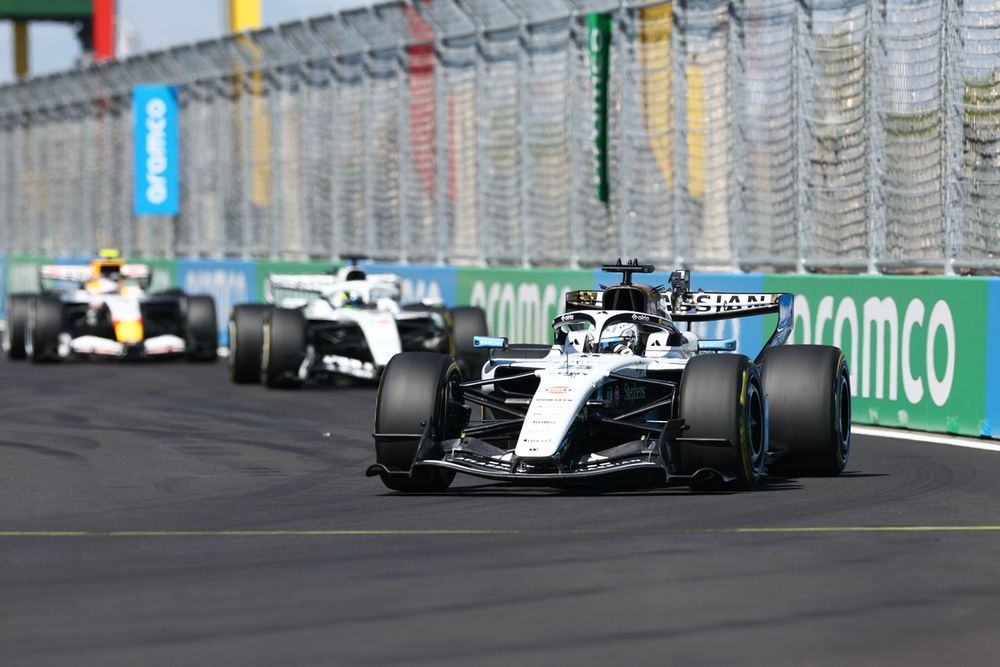
Perez settled into a rhythm, locked in a fierce duel with Williams driver Alexander Albon. Both drivers shared an identical race strategy, kicking off proceedings on the medium compound tyre. When a Virtual Safety Car (VSC) was deployed mid-race, both Cadillac and Williams capitalized on the neutralisation to pit their drivers for the hard compound tyres.
For a brief, shining window during the second stint, Perez was not merely matching Albon—he was actively faster, slicing fractions of a second off the Williams driver’s advantage. The duel seemed destined to carry on until the closing laps, but the grueling nature of the Madrid track exacted its toll. On lap 17, a terminal water leak sprang within the power unit installation of Perez’s Cadillac, forcing him to pull off the circuit and ending what could have been a career-best afternoon for the team.
Meanwhile, Valtteri Bottas endured a lonely and arduous Grand Prix at the rear of the field. The Finn spent the afternoon managing brake temperatures and nursing high tyre degradation, ultimately crossing the finish line far behind the points-paying positions, though his successful completion of the race distance provided at least one tangible milestone for the engineering debrief.
Supporting Data and Technical Analysis
To truly understand Cadillac’s performance in Madrid, one must look past the raw finishing positions and dive into the telemetry and lap-time data. Formula 1 is a game of marginal gains, and for a new constructor, every thousandth of a second counts as a victory.
Data comparisons between Sergio Perez and Alexander Albon reveal a fascinating narrative of growth. Because both drivers were locked into the same medium-to-hard strategy under identical VSC-timed pit stops, engineers were presented with a pristine, controlled testing environment to benchmark the MAC-26 against a proven midfield competitor like the Williams FW-48.
First Stint (Medium Compounds): Over a representative sample of 11 laps, Perez proved to be reasonably competitive, conceding an average of just 0.403 seconds per lap to Albon. For a backmarker team in its maiden season, running within half a second of a established points-scorer on pure pace is a massive psychological and technical milestone.
Second Stint (Hard Compounds): The data grew even more favorable after the field switched to the white-walled Pirelli rubber. Across a sample of 8 representative laps on the hard compound, Perez was actually 0.351 seconds quicker per lap than Albon, matching the Williams car stride for stride and applying intense pressure before his eventual retirement.
However, the telemetry also laid bare the structural weaknesses of the Cadillac package. Brake temperature management proved to be an emergency constant throughout the grand prix. Both Perez and Bottas were forced into extensive "lift-and-coast" fuel and temperature saving measures from the early stages of the race.
Furthermore, tyre degradation (deg) remains an existential crisis for the team. While the car can switch its tyres on effectively over a single lap or a short stint, high-fuel longevity and thermal management over longer runs cause the MAC-26 to chew through its rubber at an unsustainable rate compared to direct rivals.
Reliability data further highlights the tightrope Cadillac is walking. The team has accumulated a staggering 11 retirements or non-starts over the course of the 2026 season. While this sits favorably compared to Aston Martin’s nightmarish tally of 15 DNFs, it dwarfs Williams, who have only suffered seven reliability-related non-finishes. Building a fast car is only half the battle; ensuring it can survive a 300-kilometer Grand Prix distance is the mountain Cadillac must still climb.
Official Responses and Driver Perspectives
The post-race paddock painted a vivid picture of contrasting emotions within the Cadillac garage, highlighting the duality of engineering optimism versus driver pragmatism.
Sergio Perez, despite walking away with a DNF and zero points, was visibly enthused by the speed he extracted from the MAC-26. Speaking to media after stepping out of the cockpit, the Mexican veteran emphasized that the team’s performance in Madrid was a watershed moment for their developmental trajectory.
"I was pretty much the same pace as Albon all the way through," Perez commented, a broad smile belying the frustration of his mechanical failure. "I was within a second or two until we had the issue. So a really strong weekend for the team in terms of pace. We pushed everything, we were on the limit with the brakes, but we pushed to the very limit, and I’m happy with that."
Perez noted that while the car’s strong stint pace might be "a bit track-specific" given the unique characteristics of the new Madrid venue, the underlying momentum is undeniable.
"That’s the most positive thing of the weekend: we were with them since lap one all the way through the end," Perez added. "We were actually, I think, faster than Albon on the second stint, so really happy with that. And we just have to keep this momentum going and make sure that we get the reliability, but as a team I’m proud that we pushed everything to the limit."
In contrast, Valtteri Bottas offered a much more sobering, pragmatic perspective from the other side of the garage. The seasoned Finn did not sugarcoat the immense challenges still facing the organization.
"We know we need to improve," Bottas said with a nervous chuckle, reflecting on the sheer physical and mechanical toll of the grand prix. "The car is still not robust enough, and we need to make it a lot faster. And the deg today highlights how much we’re lacking, it’s like way more than the competition."
Bottas elaborated on the race-long operational constraints he had to manage from behind the wheel:
"In the end, we were lacking a lot of pace. We knew it was going to be a tough race, but it was maybe even tougher than I thought. We also did have to manage all through the race the brake temps, so quite a bit of lift-and-coast all the way. But we finished, that’s a positive."
Addressing Perez’s encouraging pace relative to Williams, Bottas offered a measured nuance:
"In the beginning we can be there, we’ve seen, but as the race progresses, the deg gets worse."
Implications for the Future: Looking Ahead to Baku
The performance in Madrid serves as both a roadmap and a warning sign for Cadillac Racing as the 2026 Formula 1 season enters its grueling European and transcontinental stretches.
To date, Cadillac’s peak achievements stand at 18th in Grand Prix qualifying sessions and a best finish of 14th on Sunday afternoons. While these figures might seem modest to legacy giants like Ferrari, McLaren, or Red Bull, for a completely fresh entry constructing a power unit and chassis package from scratch, they represent critical stepping stones.
The immediate implications of the Spanish Grand Prix point toward a targeted development focus on mechanical durability and high-fuel thermal management. If the engineering department in North America and their European base can solve the water leak vulnerabilities and tame the aggressive tyre degradation profile, the MAC-26 has proven it possesses the aerodynamic baseline to fight genuinely in the lower midfield.
Fortunately, the calendar offers a timely reprieve. The next round of the championship takes the circus to the Baku City Circuit for the Azerbaijan Grand Prix. Street circuits place a premium on low-speed mechanical traction, heavy braking stability, and straight-line top speed, while largely bypassing the sweeping, high-speed, high-load cornering sequences that mercilessly punish tyre deg and expose downforce deficits.
Valtteri Bottas captured the cautious optimism within the team camp regarding the upcoming Azerbaijan fixture:
"Actually for the next event, I’m more hopeful that we can be there. Baku, the only high-speed corners, they are flat out; otherwise it’s slow- or medium-speed."
If Cadillac can harness the promising stint pace they unlocked in Madrid, iron out their cooling and brake management issues, and keep both cars reliably circulating through Friday and Saturday, Baku could very well present the rookie team with its most golden opportunity yet to crack the elusive top-ten points barrier. The road is long, punishing, and unrelenting, but in the heat of Madrid, Cadillac proved they are no longer just making up numbers—they are learning how to race.
Inside the Crucible: How Yuki Tsunoda Survived the Toughest Seat in Formula 1
Introduction: The Red Bull Second-Seat Curse In the modern era of Formula 1, few sporting challenges have carried a psychological and professional toll quite as heavy as driving the second…
Back to the Capital: How Madrid’s F1 Return Exposed the Growing Pains of Modern Street Circuits
Formula 1’s much-anticipated return to Madrid after a 45-year hiatus was heralded as a triumph of logistical planning, yet it left hardcore racing purists longing for genuine on-track spectacle. Dubbed…

 Lina Hope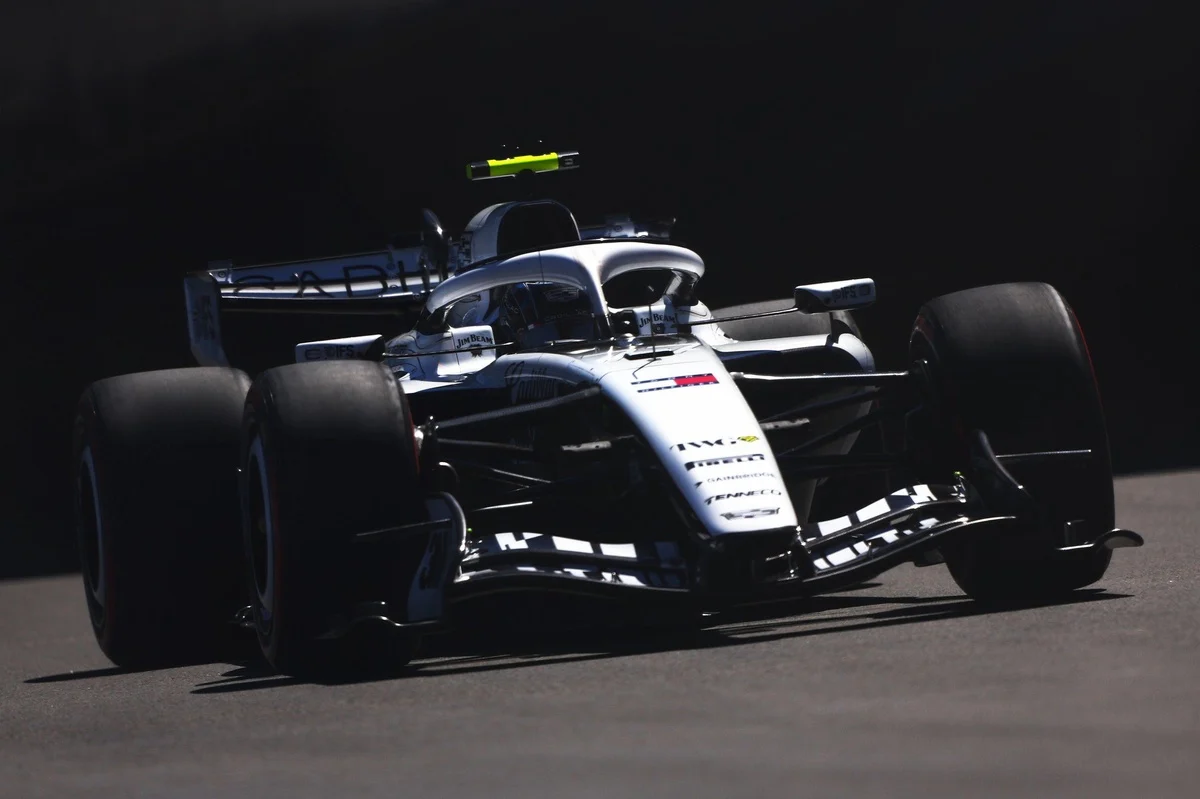



 Basiran
 Nana
Nana
 Dwi Wanna
 Nana Wu
 Jia Lissa
 Reynand Wu