 Nila Kartika Wati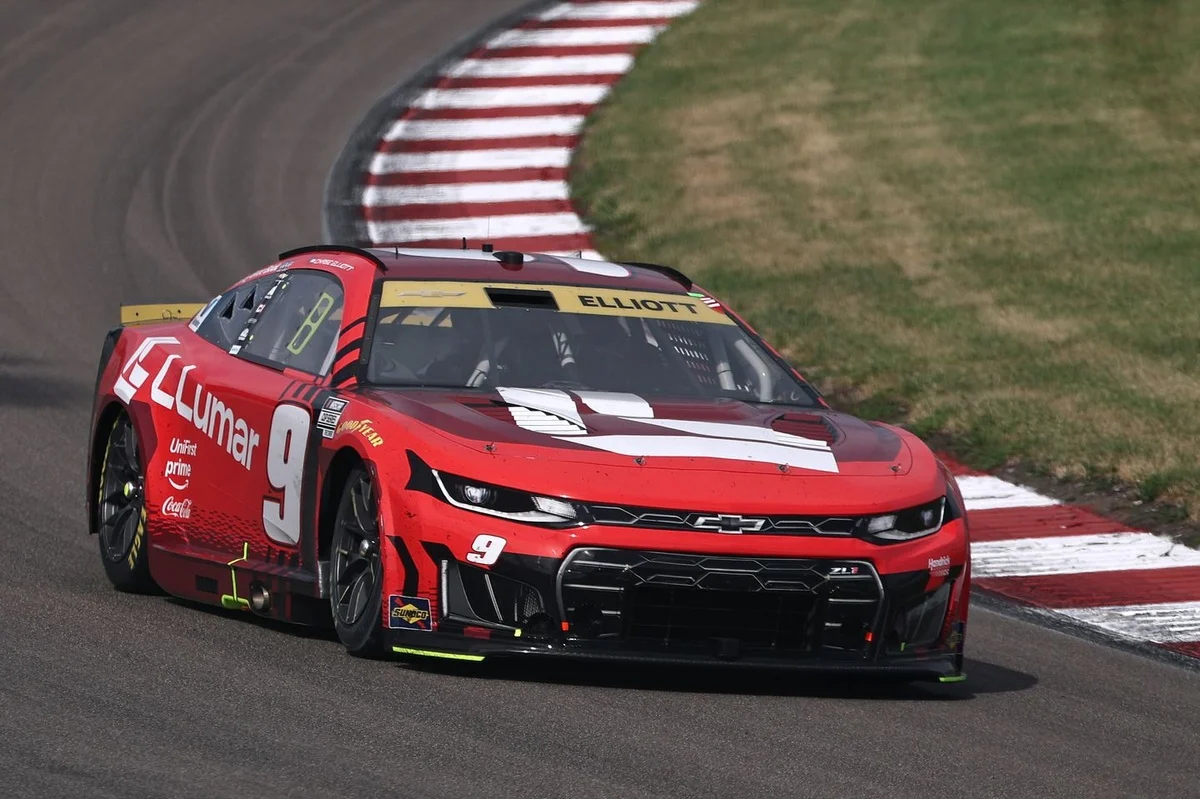
The Enjoy Illinois 300 at World Wide Technology Raceway was always destined to be a grueling test of mechanical survival, but the sheer scale of the carnage caught even the seasoned garage off guard. Long straightaways coupled with heavy-braking corners have historically pushed NASCAR Cup Series machinery to its absolute limits, particularly since the introduction of the current-generation car in 2022. Tracks like New Hampshire (Loudon), Nashville Superspeedway, and Phoenix Raceway have all witnessed their share of brake-related drama.
However, the debut of Gateway under the new higher-horsepower, lower-downforce short-track rules package amplified the strain exponentially. With increased speeds screaming down the straightaways and a smaller rear spoiler offering less aerodynamic drag to help slow the cars at corner entries, the braking systems were pushed past the breaking point.
The resulting mechanical failures wreaked havoc on the Chase for the Championship grid, turning what should have been a standard tactical short-track battle into a high-stakes lottery of survival.
Main Facts: A Blueprint for Mechanical Disasters
The race at World Wide Technology Raceway—commonly known as Gateway—featured a cascade of brake failures that disproportionately targeted championship contenders.

- The Victims: Playoff drivers Zane Smith, Ryan Blaney, and Chase Elliott all suffered catastrophic brake failures that either ended their races or severely compromised their finishes. Lower-seeded Chase for the Championship competitor Chris Buescher also fell victim to the trend, bringing out the race’s final caution with a late-race crash.
- The Culprit: The current-generation Cup car’s demanding high-speed, heavy-braking profile, exacerbated by a restrictive rules package that limits teams’ options for cooling configurations and component swaps.
- The Rule Hurdles: NASCAR regulations prohibit teams from changing brake pads between final practice and the start of the race, forcing engineers to balance longevity and performance on an razor-thin margin.
Chronology of Carnage: How the Race Unfolded
From the drop of the green flag, drivers reported fading brake pressure and an increasingly worrisome "long pedal"—the universal indicator in stock car racing that a system is overheating and fluid is boiling.
As the laps ticked away, the warnings turned into reality:
- End of Stage 2: Zane Smith, driving for Front Row Motorsports, suffered a terrifying, high-speed impact at the end of the second stage following a sudden rotor failure. The sheer force of the crash underscored the danger of total brake loss on a flat, tight oval.
- Lap 155: Ryan Blaney, running solidly in the sixth position and fighting for crucial playoff points, saw his No. 12 Team Penske Ford violently drill the frontstretch wall. The failure caught his team completely off guard, instantly upending his championship trajectory.
- Lap 214: Chase Elliott experienced a sudden brake failure that robbed him of stopping power, collecting fellow playoff driver Chase Briscoe in an unavoidable multi-car incident. Elliott later apologized to Briscoe, noting that he simply "had nowhere to go."
- With 3 Laps to Go: Chris Buescher became the final major casualty, suffering a brake failure that triggered a late caution and scrambled the closing laps of the race.
Even drivers who managed to escape unscathed admitted they were walking a tightrope. Championship leader Denny Hamlin revealed after the race that he was moments away from joining the casualty list. "I would say I was on the verge," Hamlin admitted. "I had long pedal those last two restarts, so that’s the indication you’re usually about to blow one."
Supporting Data and Garage Insights: Why Did Some Fail While Others Survived?
While several top-tier teams found themselves embedded in the wall, others managed the race distances without issue, highlighting a stark divide in setup philosophy and preparation.

Bubba Wallace’s team, for instance, experienced zero brake degradation. Wallace credited a multi-year development focus within 23XI Racing’s engineering group. "Yeah, my car was fine," Wallace said. "We’ve really worked on our brake package a lot over the last six years. And we feel like the 23 group has got into a really good spot for brakes. So, mine felt brand new to the finish."
Similarly, William Byron drove his Hendrick Motorsports entry to a fourth-place finish, though it required meticulous management from his pit box. Crew chief Rudy Fugle spent the afternoon monitoring temperatures and coaching Byron to modify his driving style.
"Unfortunately, we’ve had some issues with this car since the start of it… at places with long straightaways," Fugle said on SiriusXM NASCAR Radio. "We have a lot of brake issues and it’s caused some issues with a lot of the field; different manufacturers and different companies. It stinks because we don’t have a lot to do with it. We get to pick brake pads and that’s about it. It’s tough."
Fugle explained the perilous balancing act required to keep the car on track: "It’s always a worry; and we’re making decisions about trying to survive the race instead of focusing on performance… We had a long pedal at times, which can be a death sentence, because you want to pump the brakes, which creates heat, which leads to losing a rotor. We have to encourage him to use less pump and wait for a caution to come out."

The Practice Format Factor
Kyle Larson’s race-winning crew chief, Cliff Daniels, offered a deeper technical perspective, pointing out an unexpected culprit: the newly expanded practice sessions. While teams and fans universally praised the return of extended practice time with two sets of sticker tires, Daniels noted that it introduces an unforeseen stressor to the braking systems.
"When you come in to put on your second set of sticker tires, you’re going to be sitting for a minute," Daniels explained. "That’s another rapid cooling cycle from where you go from [the brakes] being really hot on track. You come in, sit, make your changes, putting on sticker tires to go back out. This is a bit different than what a pit stop scenario would be during a race."
This thermal cycling, combined with heavy pad wear during practice, reduces the overall safety threshold of the components by the time the green flag drops.
Official Responses: Crew Chiefs and Executives Call for Flexibility
The recurring crisis at heavy-braking tracks has sparked frustration across the Cup Series garage. Team leadership is increasingly vocal about the need for regulatory flexibility from NASCAR.

Ryan Blaney’s crew chief, Jonathan Hassler, shouldered some of the blame for their conservative cooling setup, but emphasized the unique demands of the venue. "Gateway has always been a place that’s tough on brakes," Hassler told NASCAR.com. "We’ve been on the good side of it before, but we knew there was a little more demand with this package. We certainly were trying to be conservative, but still didn’t give it enough cooling, I don’t think."
Meanwhile, Cliff Daniels proposed a pragmatic rule adjustment to alleviate the stress caused by modern practice schedules. He suggested that NASCAR consider allowing teams to swap out like-for-like brake rotors and pads between practice and the race—provided the components pass initial technical inspection.
"I wonder as we get towards more practice… is it also a lot more duty cycles on the brakes?" Daniels asked. "Part of the conversation might be to consider in the future after we have these longer practice sessions… do we allow the teams to put like-for-like changes, brake rotors and pads, on the cars going into the race?"
Hendrick Motorsports Vice Chairman Jeff Gordon took the critique a step further, arguing that overly restrictive rules are boxing teams into an unnecessary corner.

"I feel like the reason we’re in this position is because we’re so limited," Gordon stated. "We need more options and more ability. If we want to cool more, cool more. If we want a different pad… I would just like to see NASCAR and the teams work a little bit more together with the brake manufacturers to try to find a solution for here."
Gordon emphasized that the pre-race anxiety in the garage should not be the norm. "Our cars are notorious hard on brakes in general, then hard on them here. I feel like with the right amount of effort, they can come up with a solution. We shouldn’t be coming here with teams feeling like the margins are that close. I think every team came in here nervous. When they dropped the green, they were nervous."
Implications for the Chase and the Future of Short-Track Racing
The brake failures at Gateway carry massive implications for the NASCAR Cup Series playoffs. With the Chase for the Championship serving as an unforgiving elimination battle, a single mechanical failure triggered by a glowing rotor or a boiled line can instantly dash a championship dream. For drivers like Ryan Blaney and Chase Elliott, the DNFs and damaged points nights create a steep hill to climb in the rounds ahead.
Beyond the championship implications, the Gateway crisis forces NASCAR and its teams into a critical dialogue regarding the Next Gen car’s short-track package. As teams continue to extract more speed from the current configuration, the thermal loads on braking components will only increase.

Whether NASCAR will heed the advice of veterans like Jeff Gordon and Cliff Daniels—by loosening restrictions on brake cooling ducts, allowing pre-race pad changes, or collaborating more closely with component manufacturers—remains to be seen. What is clear, however, is that unless changes are made, tracks with heavy braking zones will continue to serve as high-speed Russian roulette for the best drivers in the world.

 Pevita Pearce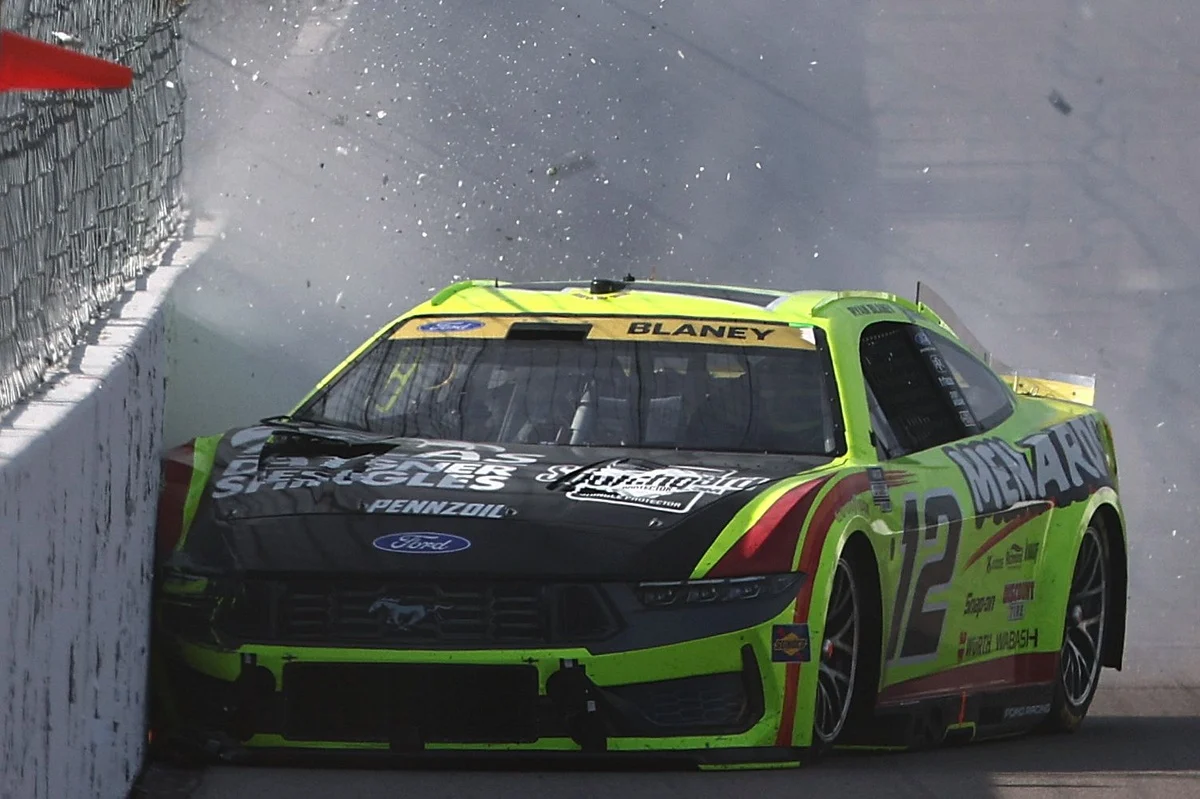
 Nana
Nana
 Basiran
 rifanmuazin