
 Iffa Jayyana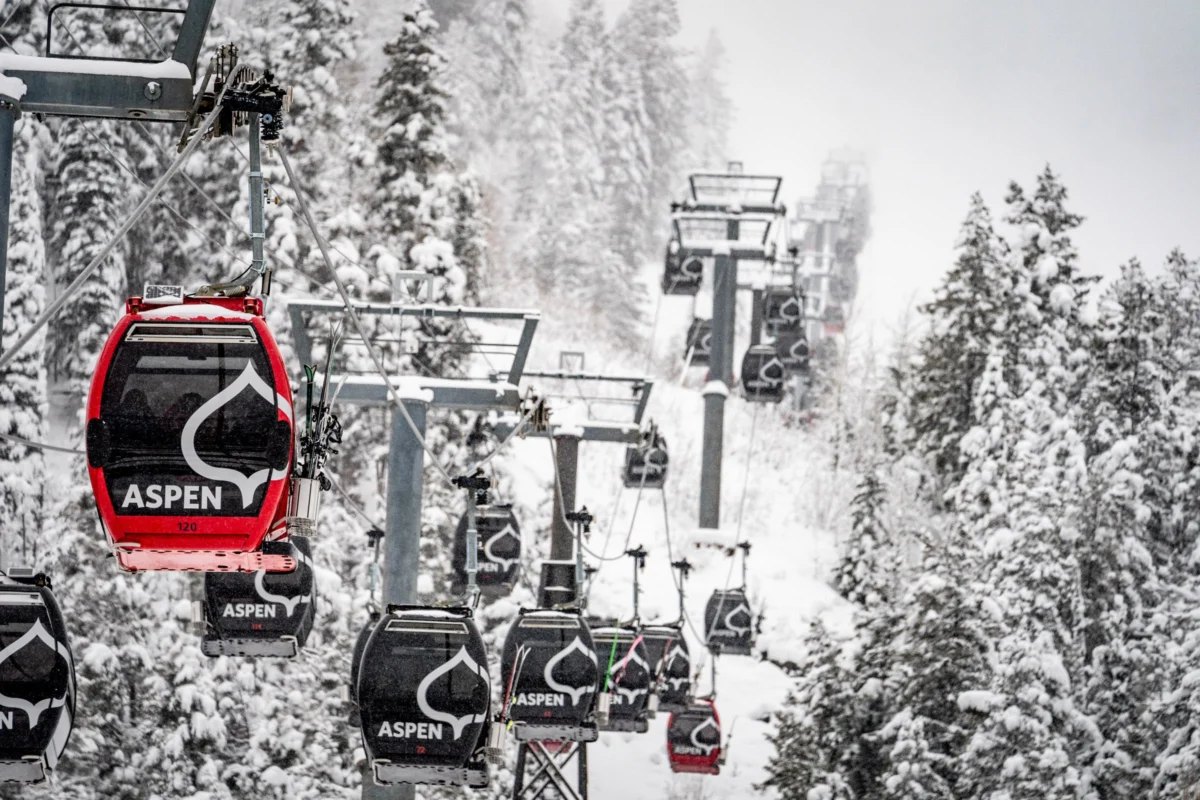
ASPEN, Colo. — The year was 1946. Harry S. Truman occupied the Oval Office, Frank Sinatra was rapidly ascending to cultural superstardom, and moviegoers across America were first weeping at the newly released premiere of Frank Capra’s holiday classic, It’s a Wonderful Life. High up in the Rocky Mountains of Colorado, a nascent vision of American alpine culture was also taking its first breath. Aspen Mountain officially opened its slopes to the public that winter, laying the groundwork for what would evolve into one of the most iconic, glamorous, and culturally influential winter destinations on the planet.
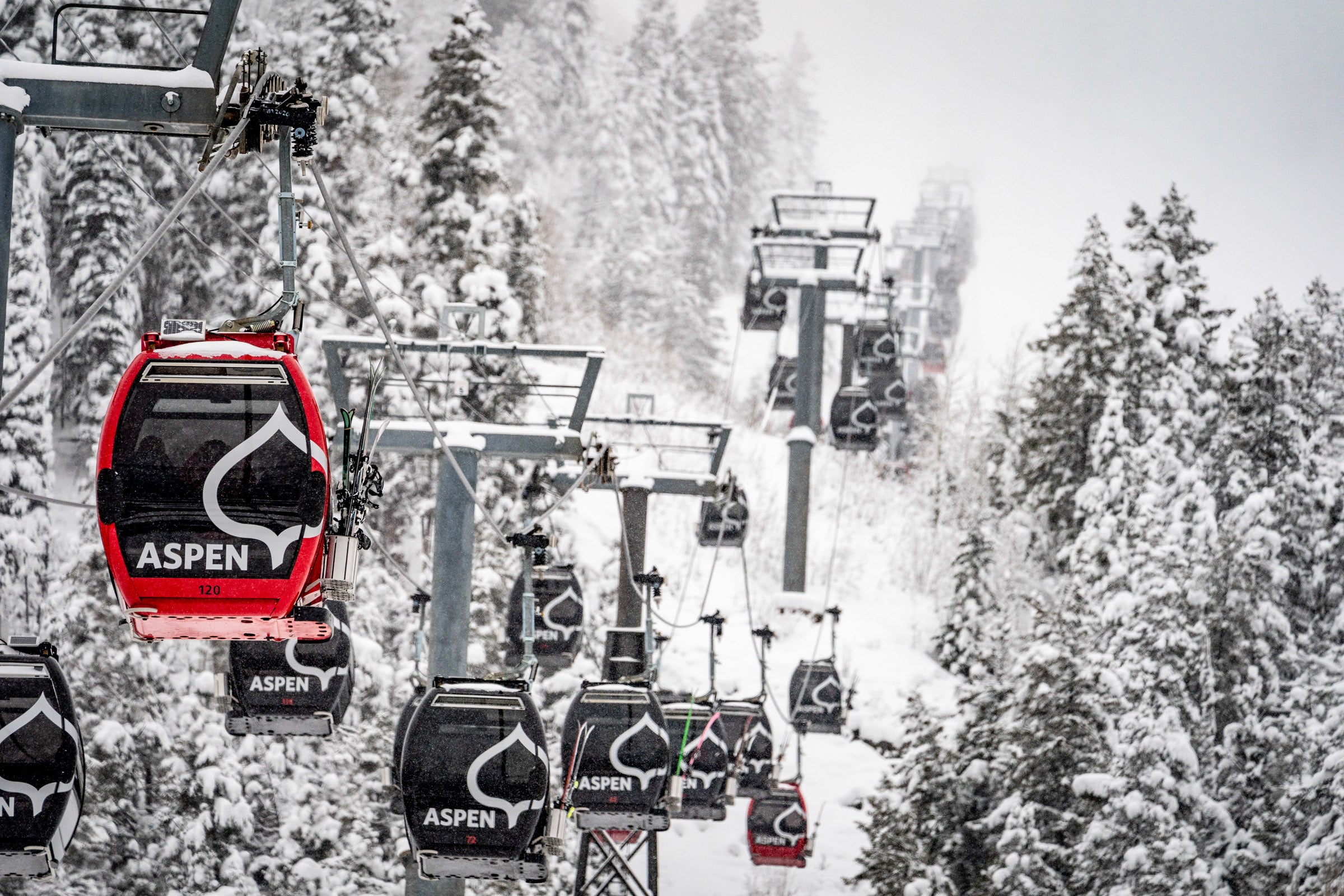
Eighty years later, the ski industry has transformed out of all recognition, shifting from rope tows and wooden skis to high-speed detachable quads, heated gondola cabins, and carbon-composite gear. Yet, in a rare nod to nostalgia that bridges the gap between post-war America and the modern era of mega-passes, Aspen Snowmass is rolling back its pricing to the exact day the resort first welcomed guests.
As part of a sprawling milestone anniversary celebration slated for mid-December, skiers and snowboarders will have the astonishing opportunity to secure lift tickets for a mere $3.75—the original cost of admission on opening day in 1946.
Main Facts: The 1946 Throwback and Anniversary Offerings
The headline-grabbing promotion is designed as a direct tribute to the resort’s longevity, offering deep, historically themed discounts across lift tickets, lodging, and dining. While adult single-day lift passes at premier Colorado resorts routinely command anywhere from $189 to upwards of $309 during peak winter periods, Aspen Snowmass is making a limited allocation of passes available at mid-century rates.
The Ticket Lineup
- The $3.75 Ticket: Valid exclusively for December 14, marking the exact historical opening date of Aspen Mountain. Quantities are strictly limited and are expected to sell out rapidly.
- The $80 Ticket: Created to honor eight decades of alpine heritage, these tickets are available for skiers hitting the slopes on December 12 and December 13.
- Universal Access: Crucially, these promotional tickets are not restricted to a single peak. They are valid across all four distinct mountains that comprise the Aspen Snowmass footprint: Aspen Mountain, Aspen Highlands, Buttermilk, and Snowmass.
Dining and On-Mountain Perks
The retro pricing strategy extends beyond the lift lines. On-mountain concessions and dining venues will feature select items priced at $19.46, serving as a culinary homage to the resort’s founding year. In addition to the nostalgic price tags, the anniversary weekend—running from December 11 through December 14—will feature a robust lineup of live music, on-mountain pop-up events, brand giveaways, and high-energy après-ski celebrations dispersed across all four resort properties.
Lodging Discounts
For travelers looking to make a full weekend out of the anniversary events, premier local properties are getting in on the historical celebration with aggressive seasonal rate cuts:
- Limelight Snowmass: Offering a 46 percent discount on stays between December 11 and December 14 (two-night minimum stay required) using the promotional code
80YEARS. - Limelight Aspen: Offering a 46 percent discount on stays for December 13 and 14, with no minimum stay requirement, using the same code.
- The Little Nell: Aspen’s legendary five-star luxury hotel is granting up to 30 percent off stays from December 11 to December 14 using the
80YEARSpromo code, with no minimum stay requirement.
Chronology: Eight Decades of Innovation and Evolution
To understand the weight of Aspen’s 80th anniversary, one must trace the improbable trajectory of a sleepy silver-mining ghost town transformed into the epicenter of global ski culture.
The Post-War Genesis (1946–1950s)
Aspen’s modern era began immediately following World War II. Industrialist Walter Paepcke and his wife, Elizabeth, recognized the rare combination of rugged topography and Victorian architecture in the Roaring Fork Valley. Alongside legendary mountaineer and veteran of the elite 10th Mountain Division, Friedl Pfeifer, the Paepckes founded the Aspen Skiing Company in 1946.
The resort’s initial infrastructure was modest by modern standards, anchored by the longest chairlift in the world at the time, which hauled skiers up the punishing steeps of Aspen Mountain. Despite the rudimentary gear and limited amenities, the town quickly attracted a distinct blend of outdoor adventurers, intellectuals, and artists, setting the template for the town’s unique cultural DNA.
The Expansion Era (1950s–1980s)
As the sport of skiing gained traction in the American mainstream, Aspen refused to remain a single-mountain destination. Buttermilk debuted in 1958, quickly earning a reputation as a haven for families and beginners due to its gentle, rolling terrain.
A decade later, in 1958, Aspen Highlands was founded by visionary skier Burnaby Hudson, adding rugged, high-altitude terrain and launching local traditions like the Highland Bowl culture. Finally, Snowmass—the largest of the four mountains—opened its vast network of bowls and cruisers in 1967, transforming the sleepy valley into a sprawling multi-mountain empire.
The Modern Powerhouse (1990s–Present)
Entering the 21st century, Aspen Snowmass solidified its status as an international cultural capital. Beyond winter sports, the town became globally renowned for hosting high-profile intellectual summits, the Aspen Music Festival, and world-class culinary events like the Food & Wine Classic.
Today, while corporate consolidation has swallowed up large swaths of the North American ski landscape, Aspen Skiing Company has maintained a fiercely independent spirit, prioritizing environmental sustainability, progressive climate advocacy, and community-driven arts programs alongside world-class winter recreation.
Supporting Data: The Economics of Modern Skiing vs. The Throwback
The decision to offer $3.75 lift tickets provides a fascinating economic lens through which to view the evolution of the ski industry over the last 80 years.
| Metric / Era | 1946 (Founding Era) | 2026 (80th Anniversary) |
|---|---|---|
| Standard Lift Ticket | ~$3.75 (Adjusted for inflation: ~$60) | $189 – $309 (Peak adult single-day) |
| Resort Footprint | 1 Mountain (Aspen Mountain) | 4 Mountains (Aspen, Highlands, Buttermilk, Snowmass) |
| Lifts | Single chairlift / Rope tows | Dozens of high-speed quads, gondolas, and lifts |
| Average Skier Equipment | Wooden skis, leather boots, wool sweaters | Carbon-fiber gear, Gore-Tex apparel, smart avalanche beacons |
When adjusted for inflation, the original $3.75 lift ticket from 1946 would equate to roughly $60 in today’s currency. Consequently, purchasing a ticket for $3.75 in December 2026 represents an astronomical discount compared to both modern market rates and historical purchasing power.
Even the $80 ticket offered for December 12 and 13 represents a substantial markdown, undercutting standard walk-up window rates by more than 70 percent, making world-class skiing temporarily accessible to a much broader demographic of local families and regional enthusiasts.
Official Responses: Honoring the Past While Carving the Future
Leadership at Aspen Skiing Company has emphasized that the anniversary is not merely a marketing gimmick, but a celebration of community resilience, environmental stewardship, and cultural heritage.
"Aspen Snowmass is a destination like no other—four unique mountains, two unique towns, one community, incredible experiences, and infinite perspectives," said Geoff Buchheister, CEO of Aspen Skiing Company, in an official press release shared with industry media.
Buchheister underscored the delicate balance the resort strives to maintain between luxury tourism and authentic mountain culture.
"Nature meets culture in this very special place, where we seek to live fully and build lasting connections with people and planet," Buchheister continued. "Every day, we carve the future while honoring the past—and this season, we’re so proud to celebrate 80 incredible years."
Local historians and longtime residents have similarly echoed these sentiments, pointing out that Aspen’s survival from a collapsing silver-mining camp into an international winter capital is a testament to the tenacity of the people who settled the Roaring Fork Valley generations ago.
Implications: What the Promotion Means for the Industry and Travelers
While the vast majority of skiers will still be paying standard season-pass rates or traditional daily ticket prices during the anniversary window, the promotion carries wider implications for the broader ski tourism market.
1. Democratizing Access Amid Rising Costs
The cost of skiing has become a frequent point of contention across North America, with multi-day window rates pushing many middle-class families out of the sport. While a one-day promotional stunt does not permanently solve the systemic issue of rising resort costs, initiatives like Aspen’s $3.75 tickets generate immense goodwill and momentarily open the floodgates for skiers who might otherwise be priced out of premier luxury resorts.
2. Early-Season Tourism Stimulation
Early-season skiing in the Rocky Mountains can often be a gamble, dependent entirely on natural snowfall and aggressive snowmaking operations. By packaging deep lift ticket discounts alongside steep hotel price cuts (such as the 46 percent off promotions at Limelight properties), Aspen Snowmass effectively guarantees a surge of early-season economic activity. Hotels that might otherwise sit half-empty during mid-December will experience high occupancy rates, driving secondary spending at local restaurants, retail boutiques, and rental shops.
3. Strengthening Brand Loyalty and Heritage Marketing
In an era dominated by corporate ski conglomerates and homogenized resort experiences, brand heritage is a powerful differentiator. By leaning heavily into its post-war origins, Aspen Snowmass reinforces its distinct identity. It reminds the global ski community that long before corporate equity firms bought into the ski industry, Aspen was built on a distinct counter-cultural ethos blending European alpine tradition with American frontier independence.
As the snow begins to pile up across the peaks of Aspen Mountain, Highlands, Buttermilk, and Snowmass, the stage is set for a historic winter. For a lucky few who manage to secure the coveted 1946-priced passes, a trip down the mountain will literally and figuratively feel like stepping back in time—proving that while the gear, the fashion, and the lift speeds have drastically evolved, the pure, unadulterated joy of sliding down a snow-covered mountain remains entirely unchanged.

 Laily UPN
 rifanmuazin
 Pevita Pearce
 Basiran

 Nila Kartika Wati
 Nana
Nana