
 Dwi Wanna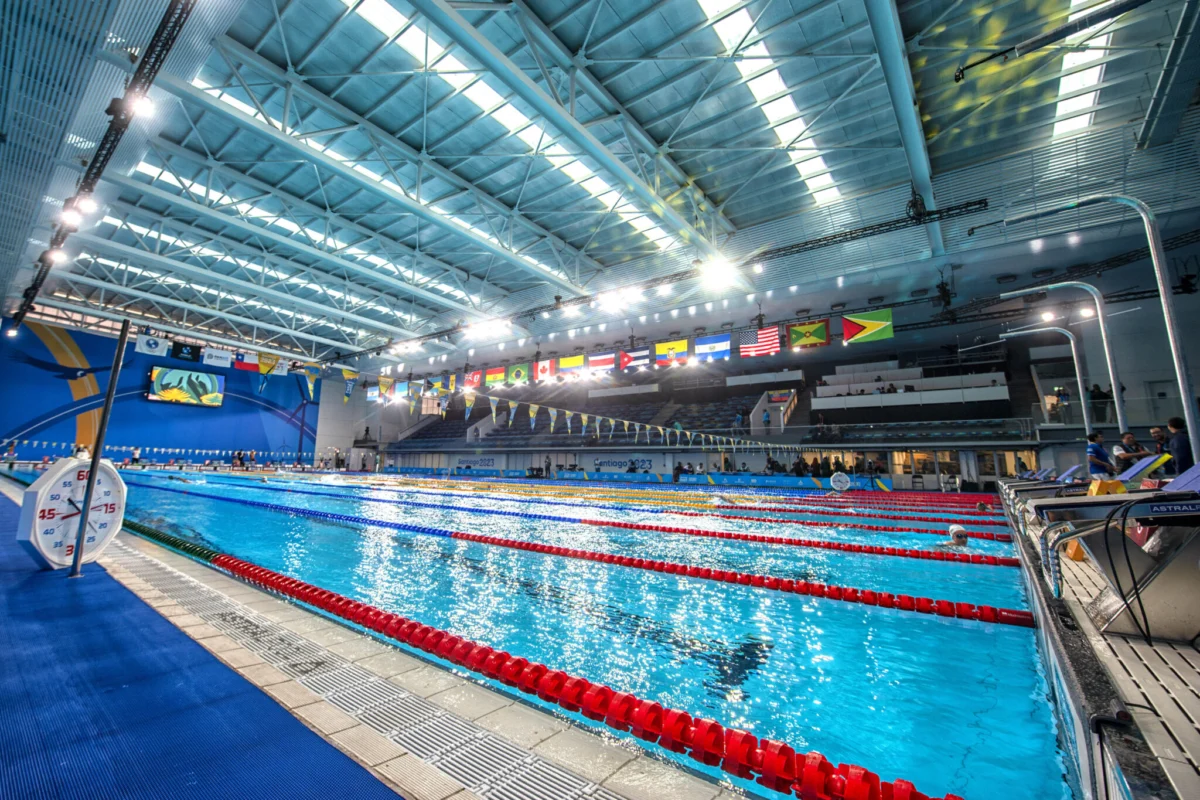
Introduction: The Future of Pan American Sport
Panam Sports has officially entered a new chapter in its strategic development, unveiling the three official host candidates for the 2029 Pan American Junior Games. As the premier multisport event for the youth of the Americas, the Junior Games serve as a critical crucible for the next generation of Olympic talent. The selection of Guatemala City, Panama City, and Rosario signals a competitive and diverse field, with each city offering a distinct geographic, cultural, and logistical profile.
This decision marks the commencement of a high-stakes evaluation process that will culminate in late 2026, setting the stage for the third iteration of a tournament that has quickly become a cornerstone of the regional sporting calendar.
The Candidate Cities: A Comparative Overview
The three cities selected by Panam Sports represent a broad cross-section of the Americas, each presenting unique opportunities for athletes and spectators alike.
Rosario, Argentina: The Riverfront Powerhouse
Situated along the banks of the Paraná River, Rosario is Argentina’s third-largest city, boasting a population of approximately 1.03 million. Known for its vibrant cultural scene and deep-rooted passion for football and high-performance sports, Rosario offers a sea-level climate that is generally moderate during the summer months. For athletes, the city’s established infrastructure and central location in the Southern Cone make it a logistical frontrunner for South American participants.
Guatemala City: High-Altitude Precision
Representing Central America, the capital of Guatemala offers a stark contrast to the other bidders. With a metropolitan population exceeding 3 million, the city sits nestled in a mountain valley at an elevation of 4,900 feet. The year-round temperate climate provides a stable environment for endurance and outdoor sports, though the altitude factor will undoubtedly play a strategic role in the training and performance preparation for visiting delegations.
Panama City: The Tropical Gateway
Panama City rounds out the list as a unique tropical destination. Located at sea level, the city is defined by its proximity to the rainforest and its role as a global transit hub. With a population of 1.4 million, it offers a distinct climate profile—hot and humid—that will test the physical conditioning of the youth athletes. Its status as a cosmopolitan crossroads ensures that it possesses the connectivity required for an international event of this magnitude.
Chronology of the Bid and Selection Process
The journey to the 2029 Games is a multi-stage process designed to ensure that the chosen host possesses not only the infrastructure but the organizational capacity to deliver a world-class event.
- Bid Dossier Submission: All three candidate cities successfully met the stringent requirements established by Panam Sports, submitting comprehensive dossiers that outline venue capabilities, athlete village logistics, security, and transportation.
- Technical Evaluation (Upcoming): The Panam Sports Evaluation Commission will now conduct rigorous site visits. These technical assessments are designed to verify the claims made in the dossiers and gauge the readiness of current and proposed sporting facilities.
- The Santo Domingo Presentation: On July 22, the cities will take the stage in Santo Domingo, Dominican Republic, during the Centro Caribe Sports General Assembly. This event acts as a crucial lobbying platform, allowing candidates to present their vision directly to National Olympic Committees (NOCs). To ensure full inclusivity, remote participation via Zoom will be facilitated for committees unable to travel.
- The Final Decision: The selection process will reach its climax on August 27 and 28, 2026, in Lima, Peru. During the XIV General Assembly of Panam Sports, the member nations will cast their votes to determine which city will carry the torch for the 2029 Games.
Building on a Legacy: The Evolution of the Junior Games
The Pan American Junior Games are a relatively young addition to the international sporting landscape, but their impact has been profound. Debuting in 2021 in Cali, Colombia, the Games were established to bridge the gap between regional youth competitions and the senior Pan American Games.
The success of the Cali 2021 edition proved that there was a massive appetite for youth-centered competition. This was followed by the 2025 Games in Asunción, Paraguay, which saw a significant increase in the quality of competition and media coverage. For instance, the swimming events in 2025 highlighted the rapid development of regional talent, with Brazil dominating the medal table—securing 43 total medals, 24 of which were gold.
These past editions have set a high bar. Any city hosting in 2029 must demonstrate that they can not only replicate the organizational success of Cali and Asunción but also innovate to improve the athlete experience and community engagement.
Official Perspectives: The Vision of Panam Sports
The leadership of Panam Sports has expressed significant optimism regarding the quality of the current candidate pool. Jimena Saldaña, the Secretary General of Panam Sports, lauded the commitment shown by the three bidders.
"We are very happy and proud that three great cities on our continent have expressed interest in hosting the most important youth multisport event in the Americas in 2029," Saldaña remarked. "These are three beautiful cities with significant sports infrastructure, where sports are lived with great passion, and most importantly, all three have National Olympic Committees that are deeply committed to the Olympic movement and to the development of sports in our region."
This statement underscores the strategic importance of the Games: it is not merely a tournament, but a mechanism for long-term sports development within the Americas. By selecting a host that aligns with the values of the Olympic movement, Panam Sports aims to ensure that the legacy of the 2029 Games extends well beyond the final closing ceremony.
Implications for Regional Sports Development
The selection of a host for the 2029 Junior Games carries significant weight for the regional sporting ecosystem.
Economic and Infrastructure Impact
Hosting an event of this size requires significant capital investment, typically resulting in the renovation of existing stadiums and the potential development of new housing and transport infrastructure. For cities like Rosario, Guatemala City, or Panama City, this serves as a catalyst for urban renewal that benefits the local population long after the athletes have departed.
Athlete Pipeline and Talent Scouting
The Junior Games are the primary feeder system for the senior Pan American Games and, ultimately, the Olympic Games. By providing a high-pressure, professional environment for athletes in their late teens and early twenties, Panam Sports is creating a vital training ground. Scouts from major universities and professional organizations often utilize these games to identify the next wave of global superstars.
Diplomatic and Cultural Exchange
Beyond the medals, the Junior Games serve as a diplomatic tool. By bringing together thousands of young people from across the hemisphere, the event fosters intercultural dialogue. The "Pan American family" identity is strengthened every time a new city hosts, creating bonds between nations that often transcend the political climate of the time.
Conclusion: The Road to Lima
As the world watches the evaluation process unfold, the focus shifts to the technical prowess of the three candidates. Whether it is the riverine charm of Rosario, the high-altitude challenges of Guatemala City, or the tropical connectivity of Panama City, the 2029 Pan American Junior Games are poised to be a landmark event.
The decision in Lima in August 2026 will not just choose a venue; it will choose the backdrop for the next generation of athletic history. For the athletes who dream of standing on the podium, the journey has already begun. For the three candidate cities, the next eighteen months will be a test of their ability to convince the Americas that they are the right place to host the future of sport.

 Sagoh
Sagoh
 Nana Muazin
 Neng Nana
 Nana Wu
 Lina Hope

 Iffa Jayyana