Trending News:Ferrari Scrambles for Answers After Qatar GP Qualifying Nightmare Leaves Scuderia Trapped in the MidfieldThe Final Stand: Wales and Japan Clash in Nations Championship Decider at TwickenhamStay Warm and Ride On: Specialized Prime-Series Alpha Jacket Sees Massive Black Friday DiscountsRising Star: Jonathan Richardson Announces Commitment to Howard University’s Dominant Swim ProgramGear Up for Powder Season: The Definitive SKI Magazine Guide to Evo’s Massive Black Friday SaleFerrari’s Qatari Nightmare: Inside the Scuderia’s Lusail Meltdown and Power Unit CrisisFIA President Mohammed Ben Sulayem Faces Intense Backlash Over "Dangerous" Country Comparison to F1 DriversBattle for Bronze: England and the All Blacks Collide in Nations Championship FinaleCardinals Bolster Rotation Depth with Signing of Right-Hander Griffin CanningRemco Evenepoel Eyes Historic Opening on the Cobbles: Belgian Star Targets Omloop Het Nieuwsblad for 2027 Season DebutSaline Standout Ty Lauritzen Announces Verbal Commitment to Grand Valley State UniversityThe Agony of the Alpine Fit: Inside the Multimillion-Dollar Quest for the Perfect Ski BootFIA President Mohammed Ben Sulayem Faces Intense Backlash Over "Dangerous" Country Comparison to F1 DriversRedemption at Twickenham: Italy and Fiji Clash in Nations Championship Final ShowdownSnowy Showdown in Ostrava: Thibau Nys Outduels Tibor Del Grosso in Elite Men’s Cyclo-Cross World Cup OpenerThe ISL All-Star Revolution: Gastaldello and Hansson Lead Team Europe’s ChargeHitting the Slopes Together: SKI Readers Reveal the Best Family-Friendly Resorts in the EastFerrari Left Searching for Answers After a "Very, Very Difficult" Opening Day at the Qatar Grand PrixFrom Pallet Town to the Promised Land: The Dual Career of Hidenori KusakaTwickenham Showdown: Ireland and Australia Battle for Fifth in Nations Championship FinaleThe High-Stakes Hustle: Inside the 2026 Skins Game’s Billion-Dollar BlueprintFreezing Chaos in Ostrava: Mechanical Woes Strike Elite Contenders at Historic UCI Cyclo-cross World Cup OpenerRising Sprint Star Justin Chiang Announces Commitment to Washington University in St. LouisTurn Travel Time Into Fresh Powder: How to Score Free Arrival-Day Skiing for the 2026–27 Winter SeasonFerrari Left Seeking Answers After a "Very, Very Difficult" Opening Day at the Qatar Grand PrixThe Price of Glory: Toto Wolff Acknowledges Mercedes Must Realign Kimi Antonelli’s Contract After Stunning F1 Title RunThe Ultimate Rugby Showdown: Nations Championship Finals Weekend GuideMariners Bolster Depth with Minor League Signing of Infielder Liover PegueroThe Datafication of Pro Cycling: How the UCI Points System is Reshaping Team Strategy, Survival, and the Pursuit of VictoryThe Distance Revolution: Previewing the Men’s Freestyle Battles at the 2026 World Aquatics Swimming Championships (25m)World Cup Alpine Skiing Returns to Colorado: The Stifel Copper Cup Kicks Off the Domestic Men’s Speed SeasonThe Price of Glory: Toto Wolff Hints at a Major Payday as Kimi Antonelli’s Mercedes Contract Reality Lags Behind World Championship StatusBeyond the Grand Prix Circuit: Kimi Antonelli Eyes Nordschleife Dream Team with Max VerstappenThe Global Elite: Unveiling the Rugby World Ultimate XVBeyond the Fairway: Why Taconic’s Rain-Soaked Links Became a Lesson in FriendshipAsk the "Bling": Cyclingnews Announces Exclusive Reader Q&A with Australian Star Michael Matthews Ahead of the 2026 SeasonSam Atkin Claims Triumphant Victory on Debut at the 90th Manchester Road RaceSprint Specialist Sophie Oldham Shifts Commitment to TCU for 2027-28 SeasonReturn to Superstar: U.S. Women’s Ski Team Seeks Glory at the 2026 Stifel Killington CupBeyond the F1 Paddock: Kimi Antonelli Eyes Nordschleife Dream Team with Max VerstappenDoha Marathon by Ooredoo Achieves Elite World Athletics Platinum Label Status, Boosting 2028 Olympic HopesBig Ten Swimming and Diving Excellence: Wanezek, Greenhawt, and Noel Lead Weekly HonorsThe Ultimate Family Ski Guide: Top 10 Western Resorts for 2027Formula 1 2026 Season Finale Overshadowed: Max Verstappen Voices Discomfort Over Middle East Trips Ahead of Qatar Grand PrixThe Leather Dilemma: PETA Challenges Nvidia CEO Jensen Huang to Retire His Iconic WardrobeThe French Renaissance: Dupont and Bielle-Biarrey Define a New Era of Global RugbyThe Cold War Resumes: Brooks Koepka Reignites Rivalry with Sharp Jabs at Bryson DeChambeauPrimoz Roglic and the Final Chapter: Why the Slovenian Champion Stepped Back from Retirement for One Last RideHigh-Stakes Backstroke: A Comprehensive Preview of the 2026 World Aquatics Swimming Championships (25m)The Psychology of the Drop-In: North America’s 10 Most Terrifying Ski Run EntrancesUnbroken: The True Story of Martin Donnelly, the F1 Survivor Who Inspired HollywoodOrioles Secure Rotation Stability: Freddy Peralta Inks Five-Year, $125 Million DealThe Unrivaled Titan: Why Jack Willis is the World’s Best Rugby PlayerBeyond the Fairway: Why the PURE Insurance Championship at Pebble Beach Is Golf’s Ultimate Human Interest StoryNew York Mets Bolster Organizational Depth with Signing of Versatile Infielder Eddys LeonardFrom Pole to Victory LaneThe Southern Hemisphere’s Elite: Unveiling the Bronze and Silver Titans of World RugbyThe Fall from Grace: Inside the PGA Tour’s Brutal Season-Ending Reality CheckLabor Tensions Escalate: MLB Proposes $1 Million Minimum Salary Amid Impasse Over Salary CapThe Ultimate Black Friday Ski Gear and Recovery Guide: Stocking Up for the 2026–2027 Winter SeasonEuropean Football Weekend: Barcelona’s Resurgence, Atalanta’s Great Escape, and Concerns at BayernBlackhawks Claim Veteran Center Luke Glendening Off Waivers Amid Center Crisis and Injury WoesA Nightmare at Anfield: The Pochettino Era Begins in Total Disarray for Manchester UnitedThe Battle for the Shield: Washington Spirit and Kansas City Current Clash in NWSL Championship ShowdownMcLaren Confronts Straight-Line Deficit in Las Vegas as Piastri and Norris Battle Setup CompromisesGeorgia Fall Invite: Kennedi Dobson Shatters Historical Barrier in Sensational 500 FreestyleThe Untapped Value of Early-Season Skiing: Why November and December Turns Offer the Best Kept Secret in WintersportsWSL Shake-up: Chelsea Frustrated by Resilient Liverpool as London City Lionesses SurgeCardiff Calling: Can Wales Sustain Their Historic Momentum Against the Wallabies?Three Carbon-Plated Racers, Three Different Rides: Putting the Latest Super-Shoes to the TestBig Red Dominance: Denison Invitational Hits Fever Pitch with Record-Breaking PerformancesNOAA’s Updated Winter Outlook Boosts Hopes for California and the Southwest Ski CountryBezzecchi Smashes Portimao Lap Record to Claim Portuguese GP Pole as Marquez Eyes 2026 World Championship GloryBayern Munich Crisis: Harry Kane Sidelined for Months Following Ankle InjuryThe Boiling Point of Peloton Safety: How a Five-Minute Protest at Il Lombardia Marked a Turning Point for Professional CyclingThe Spirit of the District: How Washington’s NWSL Powerhouse Became a Cultural BeaconThe New Face of Leonida: Why Vicki the Bartender Has Captured the GTA 6 Community’s ImaginationElite Endurance Stars Collide: World Athletics Cross Country Tour Brings High-Stakes Battles to Atapuerca and Cinque MuliniCycling Royalty to Meet Pope Leo XIV at the Vatican: A Historic Summit for Peace and SportLyon Assert European Dominance with Clinical Victory Over Arsenal at Meadow ParkInside Cadillac F1’s Driver Dilemma: Why Stability Prevailed Over a Shakeup for 2027The Elite Echelon: Rugby World’s Top 50 Countdown Continues (40-31)The Architect of Greatness: How Chris Williams Found His True Calling in the Shadow of a LegendWolfpack Elite GAC Invitational: Opening Night Delivers High-Octane Midseason DramaRaising the Bar for Family Skiing: How Banff Sunshine Village is Redefining Multi-Generational Mountain AdventuresStalemate in London: Chelsea and PSG Play Out Tactical Deadlock in Women’s Champions LeagueRoyals Designate Kyle Isbel for Assignment Following Blockbuster Trade with MarinersSt. Louis Blues Forward Adam Jecho Cleared by NHL/NHLPA Player Assistance Program, Reports to AHL SpringfieldInside the Racing Bulls Decision: How Liam Lawson’s 2026 Resurgence Secured His Future and Balanced Red Bull’s Junior StrategyThe Pochettino-Guardiola Nexus: A New Era for the USMNT and the Legacy of a DepartureHendrick Motorsports Shakes Up Crew Chief Lineup: Rudy Fugle Moves to Alex Bowman’s No. 48 Team While Adam Wall Promoted to William Byron’s No. 24Tactical Masterclass and Nerve-Wracking Finale: England Edge Past Spain in Nations League ThrillerDecoding the Red Bull Dilemma: Why the Second Seat Became F1’s Most Impossible ChallengeLegal Standoff: Dana White’s Power Slap Battles Parody Rival ‘Power Spank’ Over Branding RightsBattle of the Fallen: Scotland and Australia Eye Redemption at MurrayfieldRemembering Bill Watters: A Towering Figure in Canadian Hockey, Media, and Front-Office ManagementRising Star Emma Grace Richardson Commits to NC State: A New Era for Wolfpack SprintingFrom Hardgoods to Hardshells: Why Iconic Ski Brand Atomic is Taking a Gamble on the Crowded Apparel MarketNations League Roundup: A New Era Begins as Denmark Stuns Portugal and Northern Ireland Inches Toward GloryHow Mercedes Won Early and Stumbled Late: Inside the 2026 F1 W17 Development Paradox
Trending News:Ferrari Scrambles for Answers After Qatar GP Qualifying Nightmare Leaves Scuderia Trapped in the MidfieldThe Final Stand: Wales and Japan Clash in Nations Championship Decider at TwickenhamStay Warm and Ride On: Specialized Prime-Series Alpha Jacket Sees Massive Black Friday DiscountsRising Star: Jonathan Richardson Announces Commitment to Howard University’s Dominant Swim ProgramGear Up for Powder Season: The Definitive SKI Magazine Guide to Evo’s Massive Black Friday SaleFerrari’s Qatari Nightmare: Inside the Scuderia’s Lusail Meltdown and Power Unit CrisisFIA President Mohammed Ben Sulayem Faces Intense Backlash Over "Dangerous" Country Comparison to F1 DriversBattle for Bronze: England and the All Blacks Collide in Nations Championship FinaleCardinals Bolster Rotation Depth with Signing of Right-Hander Griffin CanningRemco Evenepoel Eyes Historic Opening on the Cobbles: Belgian Star Targets Omloop Het Nieuwsblad for 2027 Season DebutSaline Standout Ty Lauritzen Announces Verbal Commitment to Grand Valley State UniversityThe Agony of the Alpine Fit: Inside the Multimillion-Dollar Quest for the Perfect Ski BootFIA President Mohammed Ben Sulayem Faces Intense Backlash Over "Dangerous" Country Comparison to F1 DriversRedemption at Twickenham: Italy and Fiji Clash in Nations Championship Final ShowdownSnowy Showdown in Ostrava: Thibau Nys Outduels Tibor Del Grosso in Elite Men’s Cyclo-Cross World Cup OpenerThe ISL All-Star Revolution: Gastaldello and Hansson Lead Team Europe’s ChargeHitting the Slopes Together: SKI Readers Reveal the Best Family-Friendly Resorts in the EastFerrari Left Searching for Answers After a "Very, Very Difficult" Opening Day at the Qatar Grand PrixFrom Pallet Town to the Promised Land: The Dual Career of Hidenori KusakaTwickenham Showdown: Ireland and Australia Battle for Fifth in Nations Championship FinaleThe High-Stakes Hustle: Inside the 2026 Skins Game’s Billion-Dollar BlueprintFreezing Chaos in Ostrava: Mechanical Woes Strike Elite Contenders at Historic UCI Cyclo-cross World Cup OpenerRising Sprint Star Justin Chiang Announces Commitment to Washington University in St. LouisTurn Travel Time Into Fresh Powder: How to Score Free Arrival-Day Skiing for the 2026–27 Winter SeasonFerrari Left Seeking Answers After a "Very, Very Difficult" Opening Day at the Qatar Grand PrixThe Price of Glory: Toto Wolff Acknowledges Mercedes Must Realign Kimi Antonelli’s Contract After Stunning F1 Title RunThe Ultimate Rugby Showdown: Nations Championship Finals Weekend GuideMariners Bolster Depth with Minor League Signing of Infielder Liover PegueroThe Datafication of Pro Cycling: How the UCI Points System is Reshaping Team Strategy, Survival, and the Pursuit of VictoryThe Distance Revolution: Previewing the Men’s Freestyle Battles at the 2026 World Aquatics Swimming Championships (25m)World Cup Alpine Skiing Returns to Colorado: The Stifel Copper Cup Kicks Off the Domestic Men’s Speed SeasonThe Price of Glory: Toto Wolff Hints at a Major Payday as Kimi Antonelli’s Mercedes Contract Reality Lags Behind World Championship StatusBeyond the Grand Prix Circuit: Kimi Antonelli Eyes Nordschleife Dream Team with Max VerstappenThe Global Elite: Unveiling the Rugby World Ultimate XVBeyond the Fairway: Why Taconic’s Rain-Soaked Links Became a Lesson in FriendshipAsk the "Bling": Cyclingnews Announces Exclusive Reader Q&A with Australian Star Michael Matthews Ahead of the 2026 SeasonSam Atkin Claims Triumphant Victory on Debut at the 90th Manchester Road RaceSprint Specialist Sophie Oldham Shifts Commitment to TCU for 2027-28 SeasonReturn to Superstar: U.S. Women’s Ski Team Seeks Glory at the 2026 Stifel Killington CupBeyond the F1 Paddock: Kimi Antonelli Eyes Nordschleife Dream Team with Max VerstappenDoha Marathon by Ooredoo Achieves Elite World Athletics Platinum Label Status, Boosting 2028 Olympic HopesBig Ten Swimming and Diving Excellence: Wanezek, Greenhawt, and Noel Lead Weekly HonorsThe Ultimate Family Ski Guide: Top 10 Western Resorts for 2027Formula 1 2026 Season Finale Overshadowed: Max Verstappen Voices Discomfort Over Middle East Trips Ahead of Qatar Grand PrixThe Leather Dilemma: PETA Challenges Nvidia CEO Jensen Huang to Retire His Iconic WardrobeThe French Renaissance: Dupont and Bielle-Biarrey Define a New Era of Global RugbyThe Cold War Resumes: Brooks Koepka Reignites Rivalry with Sharp Jabs at Bryson DeChambeauPrimoz Roglic and the Final Chapter: Why the Slovenian Champion Stepped Back from Retirement for One Last RideHigh-Stakes Backstroke: A Comprehensive Preview of the 2026 World Aquatics Swimming Championships (25m)The Psychology of the Drop-In: North America’s 10 Most Terrifying Ski Run EntrancesUnbroken: The True Story of Martin Donnelly, the F1 Survivor Who Inspired HollywoodOrioles Secure Rotation Stability: Freddy Peralta Inks Five-Year, $125 Million DealThe Unrivaled Titan: Why Jack Willis is the World’s Best Rugby PlayerBeyond the Fairway: Why the PURE Insurance Championship at Pebble Beach Is Golf’s Ultimate Human Interest StoryNew York Mets Bolster Organizational Depth with Signing of Versatile Infielder Eddys LeonardFrom Pole to Victory LaneThe Southern Hemisphere’s Elite: Unveiling the Bronze and Silver Titans of World RugbyThe Fall from Grace: Inside the PGA Tour’s Brutal Season-Ending Reality CheckLabor Tensions Escalate: MLB Proposes $1 Million Minimum Salary Amid Impasse Over Salary CapThe Ultimate Black Friday Ski Gear and Recovery Guide: Stocking Up for the 2026–2027 Winter SeasonEuropean Football Weekend: Barcelona’s Resurgence, Atalanta’s Great Escape, and Concerns at BayernBlackhawks Claim Veteran Center Luke Glendening Off Waivers Amid Center Crisis and Injury WoesA Nightmare at Anfield: The Pochettino Era Begins in Total Disarray for Manchester UnitedThe Battle for the Shield: Washington Spirit and Kansas City Current Clash in NWSL Championship ShowdownMcLaren Confronts Straight-Line Deficit in Las Vegas as Piastri and Norris Battle Setup CompromisesGeorgia Fall Invite: Kennedi Dobson Shatters Historical Barrier in Sensational 500 FreestyleThe Untapped Value of Early-Season Skiing: Why November and December Turns Offer the Best Kept Secret in WintersportsWSL Shake-up: Chelsea Frustrated by Resilient Liverpool as London City Lionesses SurgeCardiff Calling: Can Wales Sustain Their Historic Momentum Against the Wallabies?Three Carbon-Plated Racers, Three Different Rides: Putting the Latest Super-Shoes to the TestBig Red Dominance: Denison Invitational Hits Fever Pitch with Record-Breaking PerformancesNOAA’s Updated Winter Outlook Boosts Hopes for California and the Southwest Ski CountryBezzecchi Smashes Portimao Lap Record to Claim Portuguese GP Pole as Marquez Eyes 2026 World Championship GloryBayern Munich Crisis: Harry Kane Sidelined for Months Following Ankle InjuryThe Boiling Point of Peloton Safety: How a Five-Minute Protest at Il Lombardia Marked a Turning Point for Professional CyclingThe Spirit of the District: How Washington’s NWSL Powerhouse Became a Cultural BeaconThe New Face of Leonida: Why Vicki the Bartender Has Captured the GTA 6 Community’s ImaginationElite Endurance Stars Collide: World Athletics Cross Country Tour Brings High-Stakes Battles to Atapuerca and Cinque MuliniCycling Royalty to Meet Pope Leo XIV at the Vatican: A Historic Summit for Peace and SportLyon Assert European Dominance with Clinical Victory Over Arsenal at Meadow ParkInside Cadillac F1’s Driver Dilemma: Why Stability Prevailed Over a Shakeup for 2027The Elite Echelon: Rugby World’s Top 50 Countdown Continues (40-31)The Architect of Greatness: How Chris Williams Found His True Calling in the Shadow of a LegendWolfpack Elite GAC Invitational: Opening Night Delivers High-Octane Midseason DramaRaising the Bar for Family Skiing: How Banff Sunshine Village is Redefining Multi-Generational Mountain AdventuresStalemate in London: Chelsea and PSG Play Out Tactical Deadlock in Women’s Champions LeagueRoyals Designate Kyle Isbel for Assignment Following Blockbuster Trade with MarinersSt. Louis Blues Forward Adam Jecho Cleared by NHL/NHLPA Player Assistance Program, Reports to AHL SpringfieldInside the Racing Bulls Decision: How Liam Lawson’s 2026 Resurgence Secured His Future and Balanced Red Bull’s Junior StrategyThe Pochettino-Guardiola Nexus: A New Era for the USMNT and the Legacy of a DepartureHendrick Motorsports Shakes Up Crew Chief Lineup: Rudy Fugle Moves to Alex Bowman’s No. 48 Team While Adam Wall Promoted to William Byron’s No. 24Tactical Masterclass and Nerve-Wracking Finale: England Edge Past Spain in Nations League ThrillerDecoding the Red Bull Dilemma: Why the Second Seat Became F1’s Most Impossible ChallengeLegal Standoff: Dana White’s Power Slap Battles Parody Rival ‘Power Spank’ Over Branding RightsBattle of the Fallen: Scotland and Australia Eye Redemption at MurrayfieldRemembering Bill Watters: A Towering Figure in Canadian Hockey, Media, and Front-Office ManagementRising Star Emma Grace Richardson Commits to NC State: A New Era for Wolfpack SprintingFrom Hardgoods to Hardshells: Why Iconic Ski Brand Atomic is Taking a Gamble on the Crowded Apparel MarketNations League Roundup: A New Era Begins as Denmark Stuns Portugal and Northern Ireland Inches Toward GloryHow Mercedes Won Early and Stumbled Late: Inside the 2026 F1 W17 Development Paradox
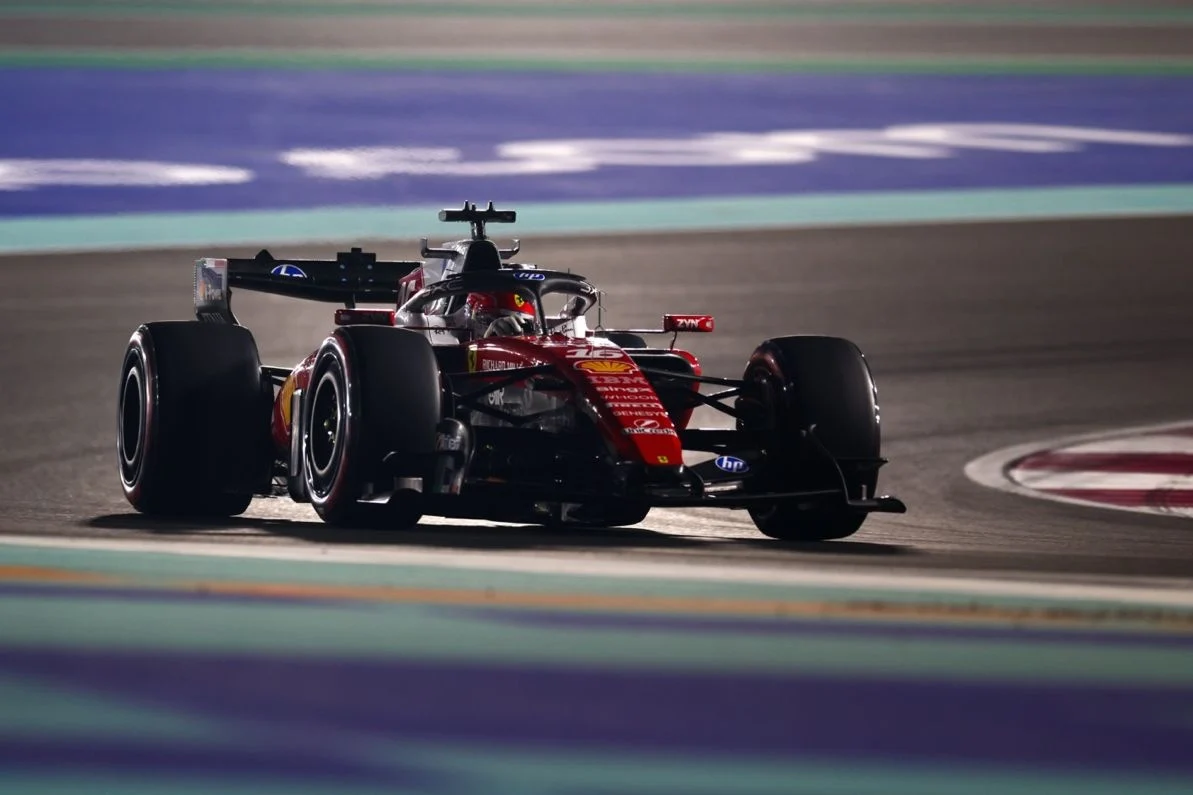
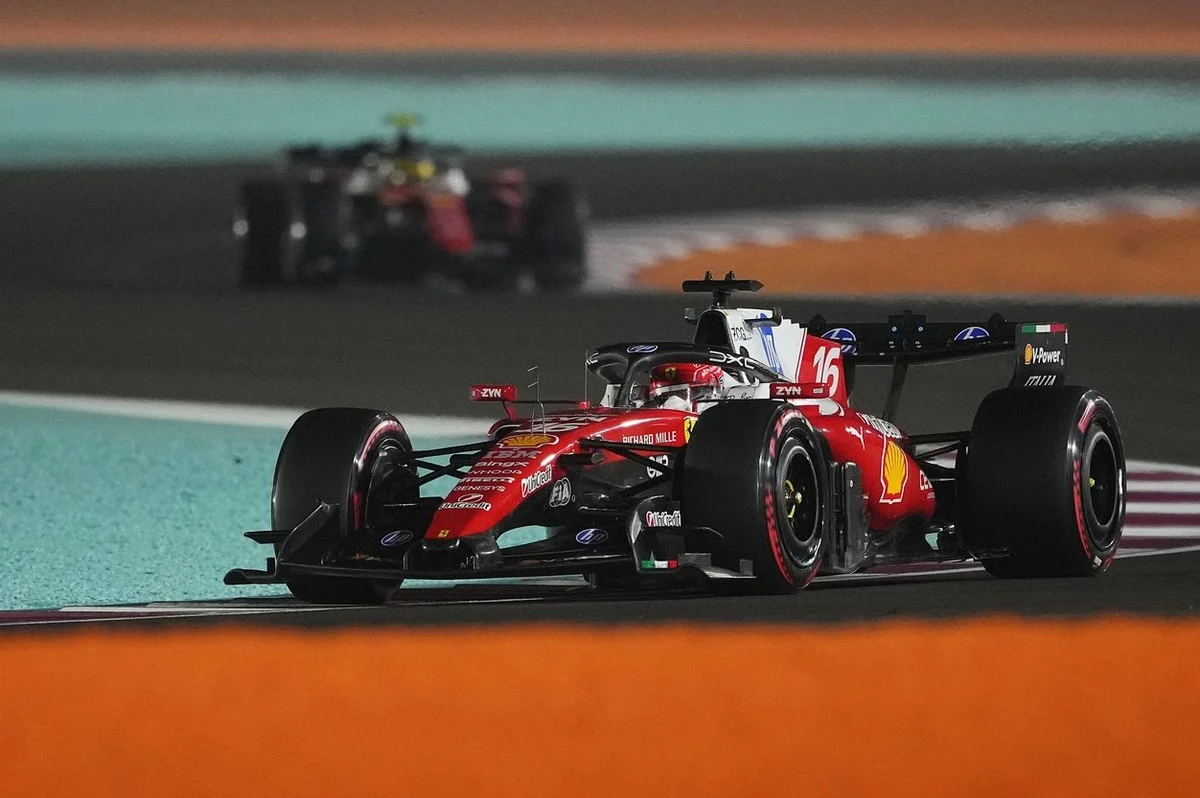
The Formula 1 paddock arrived at the Lusail International Circuit anticipating a strong showing from Ferrari. With its twisty layout and high-downforce demands, the Qatari track on paper appeared to play to the structural strengths of the SF-26. Instead, the Scuderia has endured a disastrous weekend, plagued by an alarming lack of pace that has relegated them from potential race winners to fighting for scraps in the dense midfield alongside Racing Bulls.
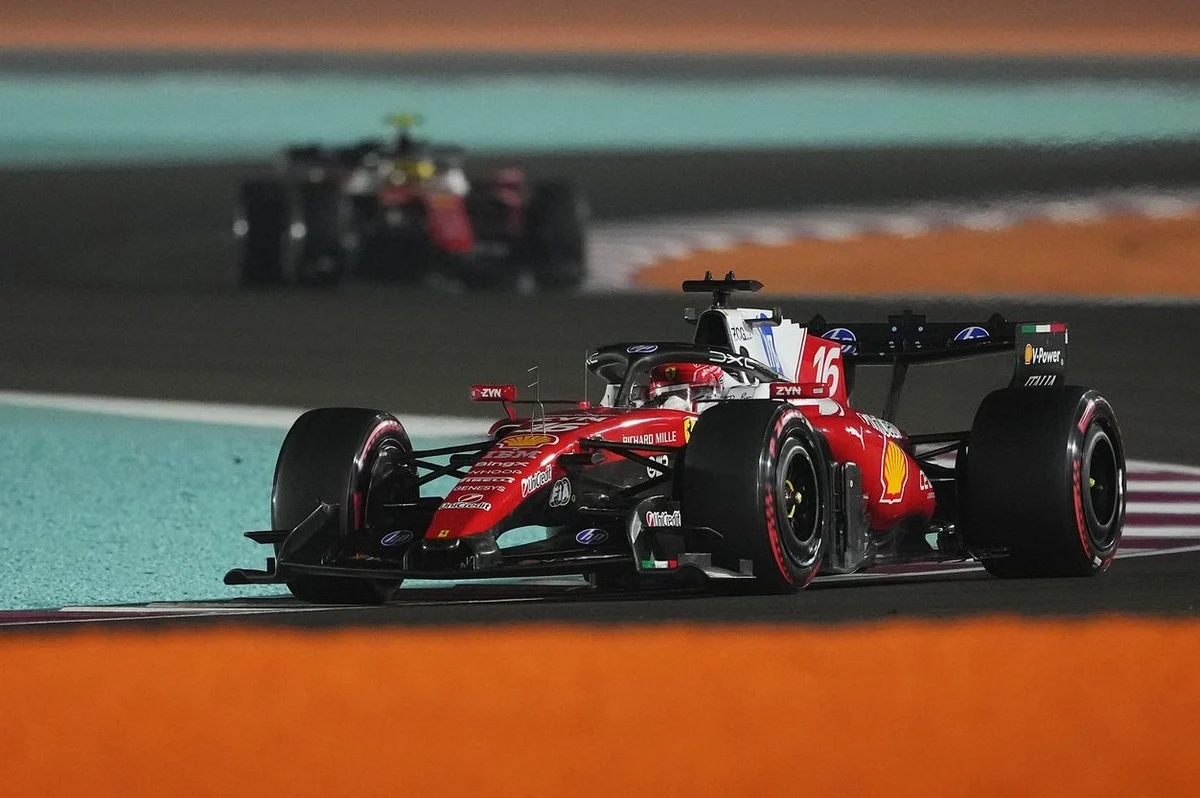
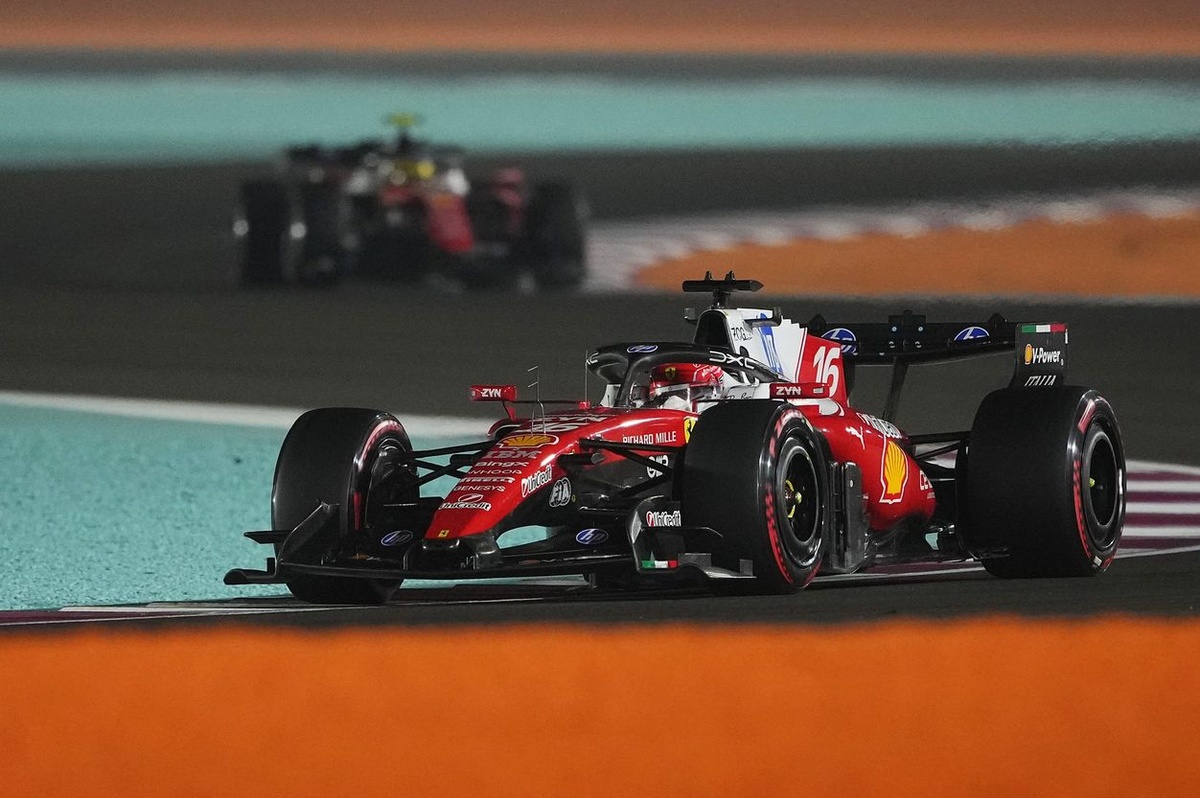
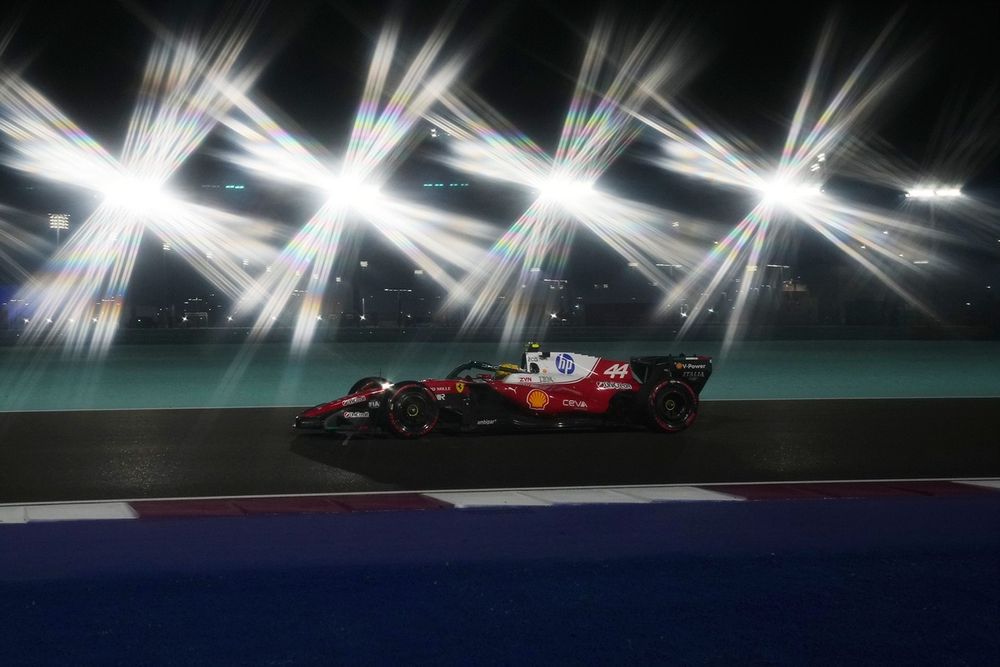
During a bruising qualifying session, Charles Leclerc could manage no better than seventh place on the starting grid, finishing a staggering full second adrift of polesitter George Russell, who extracted blistering pace out of a dominant Mercedes. Meanwhile, teammate Lewis Hamilton narrowly split the Racing Bulls duo, slotting into ninth position between Arvid Lindblad and Liam Lawson.
Far from challenging the front-runners, Ferrari has found itself grappling with a fundamental identity crisis regarding its car’s performance envelope. From the opening practice session, the red cars lacked competitive bite, leaving team principal Frederic Vasseur, Leclerc, and Hamilton searching desperately for root causes rather than fine-tuning setups.
Chronology of Struggle: From Practice Woes to Qualifying Despair
The warning signs were immediate as soon as the SF-26 hit the asphalt in Doha. Unlike other venues where Ferrari can mask minor shortcomings through clever engineering or aerodynamic adjustments, the Lusail circuit exposed systemic vulnerabilities from Lap 1.
Free Practice and Setup Blind Alleys
Throughout the practice sessions, both drivers reported a distinct lack of rear stability and an overall absence of mechanical grip. Engineers threw a myriad of setup variations at both cars, altering ride heights, wing levels, and mechanical stiffnesses, yet nothing yielded a breakthrough. The car simply refused to bite into the tarmac.
The Qualifying Debacle
When Saturday evening rolled around for the qualifying hour, the true scale of Ferrari’s deficit was laid bare. As Mercedes locked out the upper echelons of the timesheets with Russell leading the charge, Leclerc and Hamilton were left wrestling uncooperative chassis. Leclerc’s best effort of seventh left him isolated in no-man’s-land, unable to bridge the gap to the front while nervously glancing over his shoulder at the midfield runners. Hamilton fared even worse, trapped in traffic and handcuffed by a power unit that visibly bled time on the circuit’s crucial acceleration zones.
Supporting Data: The Physics of the Qatar GP Nightmare
Ferrari’s dramatic fall from grace at Lusail can be attributed to a confluence of unique physical factors: high tire pressures, ultra-smooth asphalt characteristics, and a power unit deficit that gets magnified on a layout demanding continuous throttle application.
The Pirelli Tire Pressure Conundrum
Pirelli’s arrival in Qatar necessitated extreme safety precautions. To combat the massive cornering loads combined with aggressive track kerbs, the Italian tire supplier mandated an exceptionally high minimum starting pressure of 29 psi—the highest figure seen across the entire 2026 Formula 1 calendar.
This stringent mandate heavily disrupted Ferrari’s tire operational window. The SF-26 proved fundamentally incapable of generating and sustaining the correct thermal and mechanical energy within the rubber under these elevated pressures. Team principal Frederic Vasseur conceded that this was a core differentiator in their performance loss:
"We had decent expectations coming to Doha, but from the beginning of the weekend we are struggling with the conditions. Mainly to put the tyres in the right spot, with the very high minimum tyre pressure prescription."
The Smooth Tarmac Anomaly
Charles Leclerc highlighted a second, more structural weakness that has plagued the team whenever they encounter certain surface textures: ultra-smooth asphalt.
"There’s one thing that is quite unique and different here is the tarmac characteristics which is extremely smooth and there’s a tendency of us struggling more on smooth tarmacs," Leclerc explained. "This is a lot smoother than anything in the calendar, and it’s definitely a standout for us."
The Monegasque driver noted that while the car’s aerodynamic balance felt reasonably benign, pushing past a very low threshold resulted in immediate four-wheel sliding. "The car doesn’t feel too bad in terms of balance. It’s just that if we push more, we just slide from all four wheels, and we don’t make the corners. So, there was just not enough grip."
The Power Unit Deficit
Adding insult to injury, Lewis Hamilton pointed out a critical mechanical limitation that goes beyond chassis dynamics. Counterintuitively, the Lusail circuit places a heavy tax on internal combustion engines because drivers spend an immense percentage of the lap pinned to the throttle.
"It’s just power. The speed Mercedes already arrive at Turn 12 and then they hold that power. It’s just grunt. We can’t match it," Hamilton bluntly stated.
Official Responses and Team Perspectives
The post-qualifying media pen provided a sobering look inside the Maranello camp, with leadership and drivers alike pulling no punches regarding the scale of their current crisis.
Frederic Vasseur: Taking Accountability
Ferrari Team Principal Frederic Vasseur made no attempts to sugarcoat the situation, labeling the weekend’s performance as the worst of the entire 2026 campaign. However, he refused to use external factors as an excuse for the team’s lack of preparedness:
"It’s the worst of the season, clearly in terms of pace… It’s not an excuse because we all have the same and we are struggling to fix it. When you don’t put the tyres in the right window, you are one second off. We are struggling from the beginning."
Charles Leclerc: Looking to the Future
Leclerc adopted a realist’s perspective, shifting focus away from immediate damage control in the Grand Prix and toward long-term development. He stressed that championship-winning teams cannot afford to have blind spots on specific track types:
"We’ve tried very different things on the car, but there’s just something that is not working. So, we need to dig a little bit into that and make sure that for next year we take that into account, these tracks. Because to be champion, we need to be good in those tracks as well and at the moment we are extremely far."
Looking ahead to the race, Leclerc admitted his expectations were modest:
"I don’t want to sound pessimistic, but looking at qualifying, we are much closer to the Racing Bulls than we are to the Red Bulls. I want to look forward, but it’s not going to be an easy day tomorrow."
Lewis Hamilton: Acknowledging a Year-Long Development Lag
Hamilton went a step further, lifting the hood on Maranello’s engine development timeline and confirming that the Scuderia is paying the price for architectural choices made long ago:
"It’s a big obstacle. They know where I think they went wrong with this power unit and they are working really, really hard to try and rectify it for next year, but we are a year behind everybody."
Implications: What This Means for Ferrari’s Championship Ambitions
The Qatar Grand Prix weekend serves as a glaring wakeup call for Ferrari. While the team has enjoyed strong weekends elsewhere on the calendar, their vulnerability on high-pressure tire specifications, smooth asphalt surfaces, and power-sensitive tracks exposes a narrow operating window in the SF-26 concept.
Midfield Threat and Strategic Deadlock
With overtaking notoriously difficult at Lusail and Pirelli mandating strict maximum stint lengths of 27 laps due to safety concerns, strategic flexibility during the Grand Prix will be severely restricted. Starting seventh and ninth, Leclerc and Hamilton risk getting swallowed up or bottled up in DRS trains behind leaner, more agile midfield competitors like Racing Bulls.
Long-Term Development Ramifications
More importantly, Hamilton’s candid admission regarding the power unit underscores a structural development lag that Maranello must overcome to mount a sustained championship charge in future seasons. If Ferrari’s power unit deficiencies are indeed baked into their current architecture, engineering resources must pivot aggressively toward next season’s regulations to bridge the grunt gap to Mercedes and Honda.
As the red cars prepare to line up on the grid under the Lusail floodlights, the immediate goal is damage limitation. But the deeper work—unpacking why a car designed for high downforce can be rendered utterly toothless by smooth tarmac and high tire pressures—has already begun back at the factory. For Ferrari, Doha will long be remembered not just for the points lost, but for the stark truths it revealed about the journey still ahead.
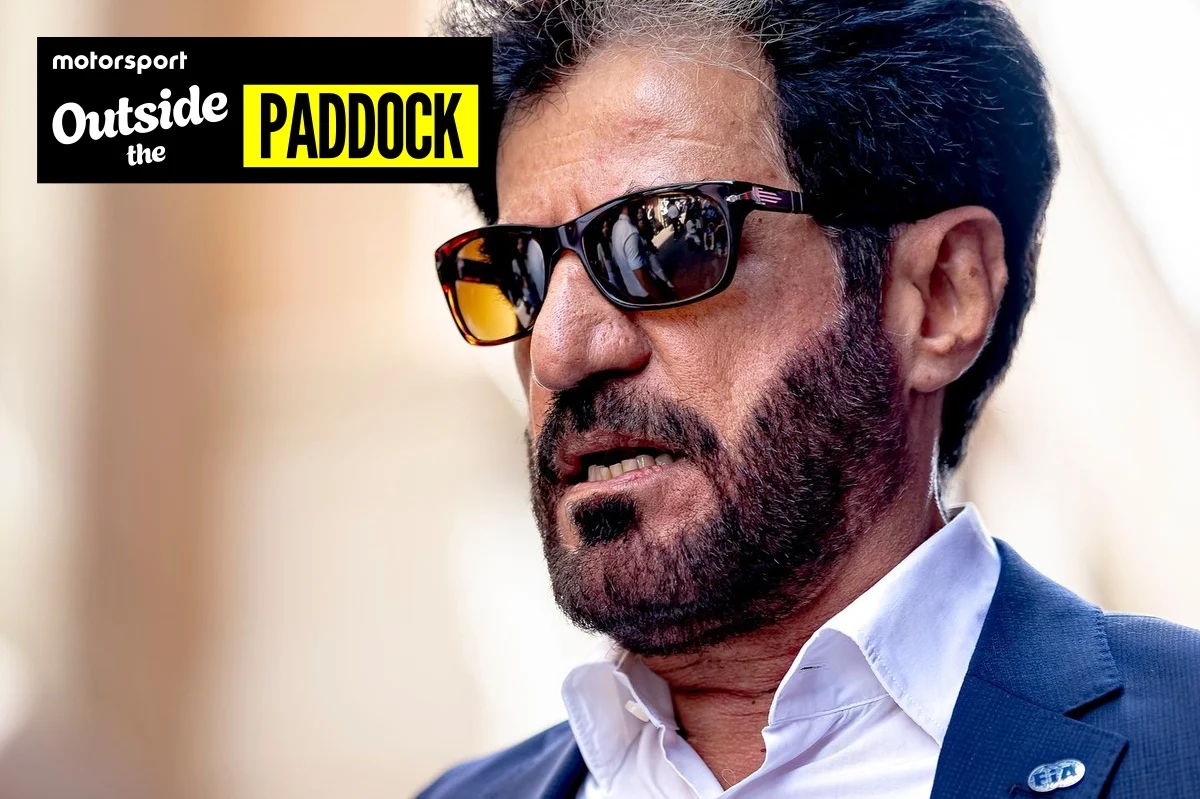
FIA President Mohammed Ben Sulayem Faces Intense Backlash Over "Dangerous" Country Comparison to F1 Drivers
DOHA, Qatar — FIA President Mohammed Ben Sulayem has found himself at the center of a burgeoning controversy following an awkward and politically sensitive exchange with Formula 1 drivers George…
Ferrari Left Searching for Answers After a "Very, Very Difficult" Opening Day at the Qatar Grand Prix
Main Facts The opening day of practice for the Formula 1 Qatar Grand Prix proved to be a sobering experience for Scuderia Ferrari. Struggling with a severe lack of grip…

 Asro

 Pevita Pearce
 Jia Lissa
 Reynand Wu
 Ammar Sabilarrohman
 Nana Wu

 Laily UPN
 Ali Ikhwan