
 Iffa Jayyana
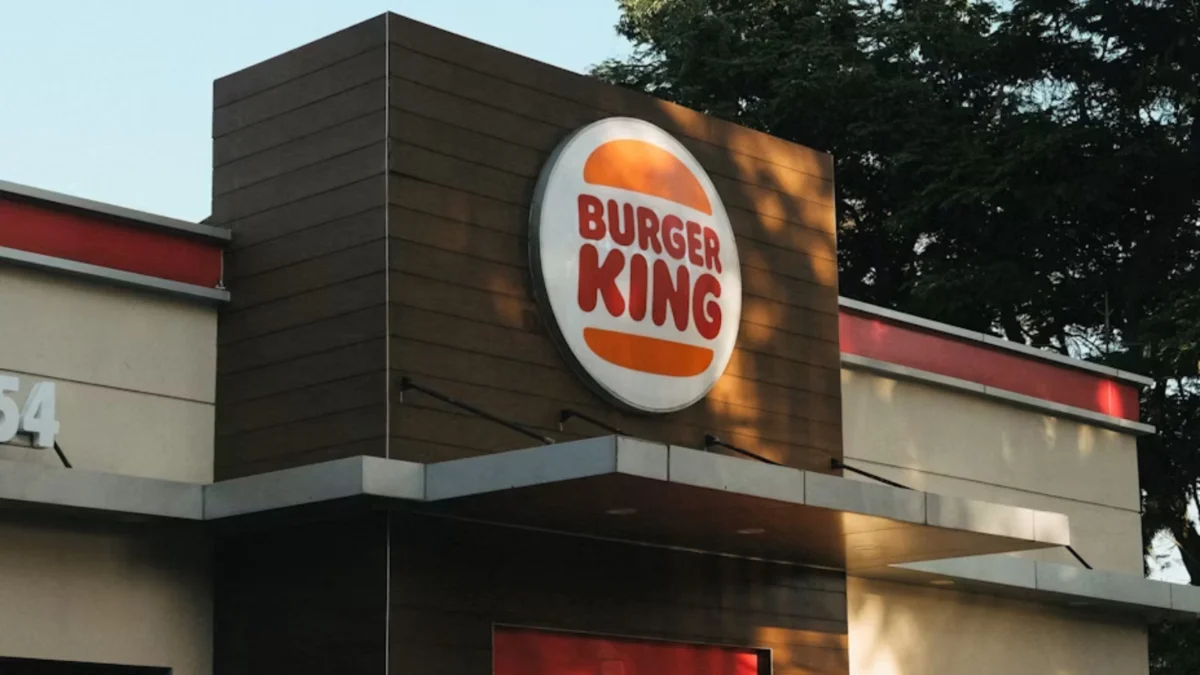
For the third consecutive year, Burger King has officially entered the holiday season with a flourish, announcing the return of its fan-favorite Advent calendar. However, this year’s iteration marks a significant departure from previous releases. Moving beyond the standard gift-based surprises, the 2026 edition invites patrons to engage in an immersive architectural experience: the construction of a detailed, miniature Burger King restaurant.
As the fast-food giant continues to leverage nostalgia and collectible culture to drive brand engagement, the 2026 Advent calendar stands as a testament to the company’s evolving marketing strategy. With a limited run that promises to sell out in record time, the calendar is poised to become one of the most sought-after holiday items for fast-food enthusiasts and collectors alike.
Main Facts: A Construction Project for the Holidays
Announced on November 5, 2026, the new calendar represents a shift toward interactive, "build-your-own" merchandise. Rather than a collection of disparate gifts, the 12-day experience is designed to culminate in a cohesive, desktop-sized replica of a classic Burger King restaurant.
The calendar breaks away from the traditional candy-filled or chocolate-laden seasonal offerings that dominate the market. Instead, Burger King is offering 12 distinct compartments, each containing a piece of the puzzle. By the time the final door is opened on the 12th day, collectors will have assembled a miniature location complete with iconic restaurant fixtures, holiday-themed accessories, and tiny versions of the chain’s most recognizable menu items.
The set includes:
- Miniature Menu Items: A perfectly scaled-down Whopper in updated packaging and a box of signature chicken nuggets.
- Restaurant Fixtures: A functional-looking soda fountain and the iconic "King’s Booth."
- Festive Flair: Seasonal decorations, including a miniature Christmas tree and reindeer, allowing for a personalized, holiday-themed storefront.
- The Final Incentive: As a nod to the digital age, the final door also contains a $5 digital coupon for Royal Perks members, adding tangible value to the collectible.
Chronology of the 2026 Release
The rollout for the 2026 calendar is characterized by extreme scarcity and a precise, high-pressure release schedule. Unlike mass-market retail items that remain on shelves throughout December, this collection is treated as a premium "drop" model.
The acquisition window begins on Monday, November 16, 2026. Burger King has opted for a tiered release strategy, limiting availability to ensure exclusivity. A mere 110 units will be made available daily at 12 PM ET from Monday, November 16, through Friday, November 20.
This results in a total production run of only 550 units worldwide. Given that the previous two iterations of the Advent calendar sold out in less than five minutes each, the 2026 release is expected to be a high-stakes race for collectors. The items will be sold exclusively through the official BKAdventCalendar.com website, with no stock allocated to physical restaurant locations.
Supporting Data and Strategic Context
The decision to limit the production to just 550 units is a calculated move designed to maintain the "collectible" status of the brand. In the world of fast-food marketing, "scarcity marketing" is a powerful tool. By ensuring that demand vastly outstrips supply, Burger King creates a buzz cycle that extends far beyond the purchasers themselves.
The price point of $19.54 is a deliberate historical nod, representing the year of the company’s founding. This pricing strategy serves two purposes: it creates a sense of brand heritage and reinforces the idea that the item is a premium keepsake rather than a disposable toy.
Historical performance data from 2024 and 2025 supports the company’s confidence in this year’s model. In both previous years, the calendars were touted as "sold out" almost immediately upon launch. This sustained interest demonstrates a loyal, albeit small, segment of the consumer base that is willing to invest both time and money into the brand’s non-food retail products.

Official Responses: The Vision Behind the Miniature
Joel Yashinsky, Chief Marketing Officer of Burger King US&C, expressed significant enthusiasm regarding the 2026 initiative. In a formal statement following the announcement, Yashinsky noted that the goal was to elevate the holiday experience for the brand’s most dedicated patrons.
"We know Guests will be excited that for the third year in a row, the Advent Calendar is back, and it’s the best one ever," Yashinsky stated. "So this year, fans can build their very own BK restaurant, complete with a mini-Whopper, nuggets, and other items that make BK feel like BK."
The focus on the "BK feel" is central to the company’s current brand identity. By bringing the restaurant into the homes of customers in a miniature format, Burger King is attempting to foster an emotional connection that transcends the transactional nature of buying a burger. The inclusion of the "King’s Booth" and the specific, branded packaging for the Whopper suggests that the company is leaning heavily into its own corporate iconography as a form of cultural currency.
Implications for the Fast Food Industry
The success and execution of this Advent calendar reveal broader trends within the Quick Service Restaurant (QSR) sector. As fast-food chains face increasing pressure to differentiate themselves, the move toward lifestyle branding—where the restaurant becomes a source of entertainment, decor, and hobbyism—is becoming more prevalent.
1. The "Drop" Culture
By utilizing a five-day, limited-quantity release, Burger King is mirroring the strategies used by high-fashion streetwear brands. This shift indicates that QSR marketing is moving away from traditional television and radio advertising toward digital, influencer-led, and scarcity-driven models.
2. Digital Integration
The inclusion of a $5 digital coupon for Royal Perks members is a critical component of the strategy. It serves to bridge the gap between the physical collectible and the digital ecosystem. By requiring recipients to use the coupon through their digital account, Burger King is driving traffic to its app, collecting user data, and encouraging repeat purchases, all while rewarding the most dedicated fans.
3. Sustainability and Longevity
While the calendar is a physical product, the trend of creating durable, non-edible items—as opposed to single-use packaging—is a subtle nod to the growing consumer desire for more sustainable or "reusable" brand interactions. A miniature restaurant that can be displayed for years is inherently less wasteful than a daily food-based advent calendar, aligning, at least in perception, with modern consumer values regarding waste.
4. The Rise of "Brand Merch" as a Revenue Stream
Although 550 units will not generate significant revenue for a global corporation, the brand value generated by the marketing campaign is substantial. The "prestige" of owning a limited-edition Burger King piece allows the brand to compete with other pop-culture entities. In the future, it is likely that we will see more QSRs treating their menu items as characters and their restaurants as sets, further blurring the line between food service and pop culture merchandising.
Conclusion
The 2026 Burger King Advent calendar is more than just a holiday countdown; it is a meticulously crafted marketing tool that encapsulates the modern era of fast-food branding. By focusing on interactivity, nostalgia, and extreme exclusivity, Burger King has successfully positioned itself at the intersection of holiday tradition and collectible culture.
For the 550 lucky individuals who manage to secure a calendar, the reward is a tangible, miniature testament to the brand’s 70-year history. For everyone else, the excitement of the "drop" serves as a reminder that in the hyper-competitive world of QSRs, the battle for the consumer’s attention is increasingly being fought not just on the grill, but on the mantelpiece.
As November 16 approaches, the digital queues are already forming. Whether this year’s calendar will indeed be the "best one ever" remains to be seen, but one thing is certain: in the world of 2026 retail, the King is once again ready to take his place in the homes—and holiday villages—of his most devoted subjects.

 Basiran

 Ammar Sabilarrohman
 Suro Senen
 Lina Hope
 Asro

 Muslim

 Nana