Trending News:Inside the Mexico GP Controversy: Why the FIA Handed Charles Leclerc a Lenient Penalty After Lap 1 Ferrari ClashAnthropic Clamps Down on AI-Generated Game Clones: A New Precedent for Intellectual PropertyThe United Rugby Championship: Your Definitive Guide to Following the 2026-27 SeasonTampa Bay Rays Secure Ace: Drew Rasmussen’s 2027 Option Exercised Following Career-Best CampaignThe Road to Beijing: High Stakes and Record-Breaking Performances at the 2026 U.S. Short Course World Championship TrialsChasing Shadows in the Powder: How Bigfoot Became the Iconic Mascot of Pacific Northwest Ski CultureTension in the Paddock: Esteban Ocon Denies Physical Altercation After Being Benched by Haas for the Mexico City Grand PrixRacing Bulls Retains Sole Control Over 2027 Line-Up Despite Verstappen-Lawson Mexico ClashKangaroos Eye Perfect Group Stage: Australia Set for Final Pool A Test Against Cook IslandsEmilio Pagán Hits Free Agency: Veteran Reliever Declines Option with Cincinnati RedsSidney McGill Dominates Oro-Medonte to Claim Her Maiden Elite Canadian Cyclocross TitleDakar 2024: Youth Olympic Games Return Amidst Extreme Heat ChallengesChasing the First Chair: Where to Find the Best Early-Season Snow for the 2026–’27 Ski SeasonLong-Shot Glory: Denny Hamlin’s Uphill Battle at Martinsville as Kyle Larson Closes in on NASCAR Cup Series CrownColton Herta’s Formula 1 Superlicence Odyssey: Why the IndyCar Star Is Still One Point ShortDo-or-Die in Wollongong: England’s Rugby League World Cup Future Hangs by a ThreadRays Facing Pivotal Offseason After 2026 World Series RunEmbracing the Pain Cave: Inside Cyclingnews’ Indoor Cycling Week and the Evolution of Virtual TrainingThe Winter Chill on Youth Athletics: How Cold Weather, Cancellations, and Safety Fears Are Threatening the Next Generation of RunnersElectric Pace at the 2026 U.S. Short Course World Championship Trials: A Night of Records and RivalriesThe Ultimate Cross-Border Escape: Why Québec is North America’s Best-Kept Winter SecretHigh Stakes in the Western District: Joe Gibbs Racing Presses for ‘Adverse Inference’ in Legal Battle Over Chris Gabehart’s Deleted TextsPressure Mounts at Brackley: Guenther Steiner Warns George Russell Faces a Crucial F1 CrossroadsThe Future of the Brew: How Starbucks is Leveraging AI to Revolutionize the Drive-Thru ExperienceHigh Stakes at Cbus Super: New Zealand and Fiji Face Off in World Cup DeciderGiants Catcher Andrew Knizner Clears Waivers: A Crossroads in a Veteran’s CareerThe State of Professional Women’s Cycling in 2026: Financial Insecurity and Safety Overshadow Growth, Warns New ReportPull Up a Chair at the AW Editorial Table: Help Shape the Future of Athletics WeeklyHigh Stakes in Genoa: The 52nd Nico Sapio Trophy Sets the Stage for World Championship QualificationThe Ultimate Winter Wilderness: How Québec’s Public Lands and Deep-Snow Culture Are Redefining North American AdventureIs Time Running Out for George Russell at Mercedes? Guenther Steiner Issues Stark F1 Warning"Built Differently": Lewis Hamilton Eyes F1 Longevity, the Rwandan GP, and His Ferrari FutureThe End of the Open Web? Reddit Shifts Strategy Toward Mandatory User AccountsThe Global Stage: Your Comprehensive Guide to the 2026 WXV Global SeriesMets Bolster Utility Depth: Kyren Paris Claimed Off Waivers, Cristian Pache Designated for AssignmentIlluminating the Night: The Definitive Guide to the Best Mountain Bike Lights for 2024 and BeyondStage Set for the 40th Anniversary of the English Cross Country Relays at Berry Hill ParkRecord-Breaking Pace: Westmont Ignites at 2026 U.S. Short Course World Championship TrialsAnother Championship Slips Away: Denny Hamlin Reflects on Resilience, Regrets, and NASCAR’s High-Stakes Chase FormatStalemated Ambition: Manchester City and PSG Locked in Tactical Deadlock at the Joie Stadium"This Year Won’t Break Me": George Russell Defiant Despite 2026 F1 Title Setback and Long-Term AmbitionsViral Outrage: Delivery Driver Faces Backlash After Assaulting Family Pet on PorchGlobal Rugby League Excellence: The 2026 World Cup Reaches Fever PitchThe $500,000 Tee Time: How Nick Hardy’s Calculated Gamble Paid Off at the Mexico OpenLife Time Introduces Mandatory ‘LT Pro Number’ for Elite Off-Road Cycling Events, Reshaping the Professional FieldSpanish Athletics Mourns Promising Long Jumper Julieta Gallego Among 74 Victims of Toledo High-Speed Train TragedySpeed and Strategy: A Comprehensive Report from the 2026 U.S. Short Course World Championship TrialsThe Missing Middle: Why the Ski Industry Is Ignoring the Most Important Backcountry Boot Category"This Year Won’t Break Me": George Russell Reflects on an Inconsistent 2026 F1 Campaign and Looks AheadThe 2026 Mexico Grand Prix: Five Defining Storylines as F1 Enters the Business End of the SeasonMomentum Builds: Tonga Eyes Knockout Stages as Lebanon Fights for SurvivalAstros Consider Reunion with Former Architect Oz Ocampo as Front Office Restructuring ContinuesA Strong Start: U.S. Short Course World Championship Trials Open in WestmontThe White Ribbon Unfurled: Arapahoe Basin Kicks Off North America’s 2026–’27 Ski SeasonFrom YouTube Stardom to Stock Car Grids: Cleetus McFarland and George Siciliano Outline Full-Time ARCA CampaignsAnatomy of a Fall: Inside Christian Horner’s Shocking Ouster from Red Bull RacingBringing the Johto Dairy Farm Home: A Deep Dive into the New Moomoo Milk Kitchen CollectionThe Global Stage Reimagined: A Deep Dive into the 2026 Nations ChampionshipLondon Marathon Considers Landmark Shift to Mixed Elite Women’s Race for 2027Big Ten Preemptively Adopts $49 Million NIL Compensation Cap, Signaling New Era for College AthleticsConquering the Uphill Battle: The Definitive 2027 Backcountry Ski Climbing Skins Gear GuideFrom Open-Wheel to Prototypes: Sting Ray Robb Crosses Over to United Autosports for Asian Le Mans Series DebutFrom Practice Purgatory to Podium Glory: How Kimi Antonelli and Mercedes Defied the Odds at COTAThe Great Unraveling: England’s Red Roses Face Defining Test After Historic Loss to CanadaThe Mariners’ Managerial Search: A Crossroads for Seattle’s FutureWinter Gear Guide: Expert Testers Put the Best Heated Gloves of 2026 Through Sub-Zero TrialsA Stay of Execution: Indian River State College Swimmers Win Temporary Reprieve in Fight to Save Historic ProgramCarabao Cup Chaos: Fleetwood Town Push Arsenal to the Brink in Surreal Highbury EncounterTales of Two Garages: Inside Mercedes’ Austin Paradox and George Russell’s Early-Season StrugglesThe Silicon Resurrection: How a YouTuber Transformed the 1985 NES into a Fully Functional PCBetting the 2026 VidantaWorld Mexico Open: Insights and Expert Analysis for the FedExCup Fall SeriesA New Horizon: Lucinda Brand Embarks on an ‘Exciting New Chapter’ with Canyon-SRAM Scalable CapitalWhy Pacing a Marathon is Just Risk Management in TrainersHigh Stakes in Westmont: The Inaugural US Short Course World Championship TrialsThe Hidden Key to Winter Safety: Why Every Skier Needs to Train Their Gluteus MediusThe End of an Era: Inside Brad Keselowski’s Shocking Departure from RFK RacingRed Bull’s Narrow Setup Window Threatening Verstappen and Hadjar’s 20th F1 Campaign: Naomi Schiff’s AnalysisAll or Nothing: Kiwis Face Must-Win Clash Against Cook Islands in Rugby League World Cup 2026Mets Reshape Coaching Staff: Mariano Duncan Elevated to Big League Role; Long and Mallee Out of ConsiderationThe Battle for Yellow: Analyzing the Contenders, Route, and Stakes of the 2027 Tour de France FemmesThe Ultimate Pre-Season Ski Gear Inspection Guide: Expert Strategies to Prepare for Opening DayRed Bull’s Narrow Set-Up Window Threatening Verstappen and Hadjar’s 2026 F1 Campaigns, Warns Naomi SchiffPhantom Debris, Radio Meltdowns, and a Silver Lining: Inside Red Bull’s Turbulent US Grand PrixChasing Immortality: The Premiership’s Most Prolific Try ScorersThe Truth About Your Missed Putts: Why Top-100 Teacher Stephen Sweeney Wants You to Stop GuessingThe Seixas Enigma: Inside the Future Planning of Cycling’s Youngest Monument WinnerBuilding a Future in Pittsburgh: Aubrey Buchanan and Emee Henkel Headline Wave of 2027 CommitmentsBeyond the Flakes: Inside the High-Stakes World of Modern Ski Resort SnowmakingDamage Control in Texas: Inside Red Bull’s Turbulent United States Grand Prix WeekendTriumph Over the Elements: Ethiopian Victories and Historic German Breakthroughs at the 43rd Mainova Frankfurt MarathonCal Golden Bears Sweep Saint Mary’s in Dominant Dual Meet ShowcaseThe Ultimate Pre-Season Migration: Snowbound Expo Returns to Mohegan Sun for 2026Red Bull Under Pressure: Isack Hadjar Demands Urgent Clutch Redesign After US Grand Prix DisasterInside the Mercedes Masterclass: Toto Wolff Demystifies the Brutal Science of F1 ScoutingA Message from the Past: The 53-Year Journey of an Ocean City Time CapsuleKangaroos Ready to Roar: Australia Faces Fiji in High-Stakes World Cup Clash at SuncorpAstros Bolster Player Development Infrastructure with Appointment of Conner Watson as Director of HittingRising Star: Katelyn Borland Announces Commitment to University of Tampa SwimmingThe Ultimate 2026 Holiday Gift Guide for Skiers: Top Gear and Apparel From REI to Rule the SlopesInside the Mercedes F1 Scouting Matrix: Toto Wolff Pulls Back the Curtain on Finding Generation-Defining Talent
Trending News:Inside the Mexico GP Controversy: Why the FIA Handed Charles Leclerc a Lenient Penalty After Lap 1 Ferrari ClashAnthropic Clamps Down on AI-Generated Game Clones: A New Precedent for Intellectual PropertyThe United Rugby Championship: Your Definitive Guide to Following the 2026-27 SeasonTampa Bay Rays Secure Ace: Drew Rasmussen’s 2027 Option Exercised Following Career-Best CampaignThe Road to Beijing: High Stakes and Record-Breaking Performances at the 2026 U.S. Short Course World Championship TrialsChasing Shadows in the Powder: How Bigfoot Became the Iconic Mascot of Pacific Northwest Ski CultureTension in the Paddock: Esteban Ocon Denies Physical Altercation After Being Benched by Haas for the Mexico City Grand PrixRacing Bulls Retains Sole Control Over 2027 Line-Up Despite Verstappen-Lawson Mexico ClashKangaroos Eye Perfect Group Stage: Australia Set for Final Pool A Test Against Cook IslandsEmilio Pagán Hits Free Agency: Veteran Reliever Declines Option with Cincinnati RedsSidney McGill Dominates Oro-Medonte to Claim Her Maiden Elite Canadian Cyclocross TitleDakar 2024: Youth Olympic Games Return Amidst Extreme Heat ChallengesChasing the First Chair: Where to Find the Best Early-Season Snow for the 2026–’27 Ski SeasonLong-Shot Glory: Denny Hamlin’s Uphill Battle at Martinsville as Kyle Larson Closes in on NASCAR Cup Series CrownColton Herta’s Formula 1 Superlicence Odyssey: Why the IndyCar Star Is Still One Point ShortDo-or-Die in Wollongong: England’s Rugby League World Cup Future Hangs by a ThreadRays Facing Pivotal Offseason After 2026 World Series RunEmbracing the Pain Cave: Inside Cyclingnews’ Indoor Cycling Week and the Evolution of Virtual TrainingThe Winter Chill on Youth Athletics: How Cold Weather, Cancellations, and Safety Fears Are Threatening the Next Generation of RunnersElectric Pace at the 2026 U.S. Short Course World Championship Trials: A Night of Records and RivalriesThe Ultimate Cross-Border Escape: Why Québec is North America’s Best-Kept Winter SecretHigh Stakes in the Western District: Joe Gibbs Racing Presses for ‘Adverse Inference’ in Legal Battle Over Chris Gabehart’s Deleted TextsPressure Mounts at Brackley: Guenther Steiner Warns George Russell Faces a Crucial F1 CrossroadsThe Future of the Brew: How Starbucks is Leveraging AI to Revolutionize the Drive-Thru ExperienceHigh Stakes at Cbus Super: New Zealand and Fiji Face Off in World Cup DeciderGiants Catcher Andrew Knizner Clears Waivers: A Crossroads in a Veteran’s CareerThe State of Professional Women’s Cycling in 2026: Financial Insecurity and Safety Overshadow Growth, Warns New ReportPull Up a Chair at the AW Editorial Table: Help Shape the Future of Athletics WeeklyHigh Stakes in Genoa: The 52nd Nico Sapio Trophy Sets the Stage for World Championship QualificationThe Ultimate Winter Wilderness: How Québec’s Public Lands and Deep-Snow Culture Are Redefining North American AdventureIs Time Running Out for George Russell at Mercedes? Guenther Steiner Issues Stark F1 Warning"Built Differently": Lewis Hamilton Eyes F1 Longevity, the Rwandan GP, and His Ferrari FutureThe End of the Open Web? Reddit Shifts Strategy Toward Mandatory User AccountsThe Global Stage: Your Comprehensive Guide to the 2026 WXV Global SeriesMets Bolster Utility Depth: Kyren Paris Claimed Off Waivers, Cristian Pache Designated for AssignmentIlluminating the Night: The Definitive Guide to the Best Mountain Bike Lights for 2024 and BeyondStage Set for the 40th Anniversary of the English Cross Country Relays at Berry Hill ParkRecord-Breaking Pace: Westmont Ignites at 2026 U.S. Short Course World Championship TrialsAnother Championship Slips Away: Denny Hamlin Reflects on Resilience, Regrets, and NASCAR’s High-Stakes Chase FormatStalemated Ambition: Manchester City and PSG Locked in Tactical Deadlock at the Joie Stadium"This Year Won’t Break Me": George Russell Defiant Despite 2026 F1 Title Setback and Long-Term AmbitionsViral Outrage: Delivery Driver Faces Backlash After Assaulting Family Pet on PorchGlobal Rugby League Excellence: The 2026 World Cup Reaches Fever PitchThe $500,000 Tee Time: How Nick Hardy’s Calculated Gamble Paid Off at the Mexico OpenLife Time Introduces Mandatory ‘LT Pro Number’ for Elite Off-Road Cycling Events, Reshaping the Professional FieldSpanish Athletics Mourns Promising Long Jumper Julieta Gallego Among 74 Victims of Toledo High-Speed Train TragedySpeed and Strategy: A Comprehensive Report from the 2026 U.S. Short Course World Championship TrialsThe Missing Middle: Why the Ski Industry Is Ignoring the Most Important Backcountry Boot Category"This Year Won’t Break Me": George Russell Reflects on an Inconsistent 2026 F1 Campaign and Looks AheadThe 2026 Mexico Grand Prix: Five Defining Storylines as F1 Enters the Business End of the SeasonMomentum Builds: Tonga Eyes Knockout Stages as Lebanon Fights for SurvivalAstros Consider Reunion with Former Architect Oz Ocampo as Front Office Restructuring ContinuesA Strong Start: U.S. Short Course World Championship Trials Open in WestmontThe White Ribbon Unfurled: Arapahoe Basin Kicks Off North America’s 2026–’27 Ski SeasonFrom YouTube Stardom to Stock Car Grids: Cleetus McFarland and George Siciliano Outline Full-Time ARCA CampaignsAnatomy of a Fall: Inside Christian Horner’s Shocking Ouster from Red Bull RacingBringing the Johto Dairy Farm Home: A Deep Dive into the New Moomoo Milk Kitchen CollectionThe Global Stage Reimagined: A Deep Dive into the 2026 Nations ChampionshipLondon Marathon Considers Landmark Shift to Mixed Elite Women’s Race for 2027Big Ten Preemptively Adopts $49 Million NIL Compensation Cap, Signaling New Era for College AthleticsConquering the Uphill Battle: The Definitive 2027 Backcountry Ski Climbing Skins Gear GuideFrom Open-Wheel to Prototypes: Sting Ray Robb Crosses Over to United Autosports for Asian Le Mans Series DebutFrom Practice Purgatory to Podium Glory: How Kimi Antonelli and Mercedes Defied the Odds at COTAThe Great Unraveling: England’s Red Roses Face Defining Test After Historic Loss to CanadaThe Mariners’ Managerial Search: A Crossroads for Seattle’s FutureWinter Gear Guide: Expert Testers Put the Best Heated Gloves of 2026 Through Sub-Zero TrialsA Stay of Execution: Indian River State College Swimmers Win Temporary Reprieve in Fight to Save Historic ProgramCarabao Cup Chaos: Fleetwood Town Push Arsenal to the Brink in Surreal Highbury EncounterTales of Two Garages: Inside Mercedes’ Austin Paradox and George Russell’s Early-Season StrugglesThe Silicon Resurrection: How a YouTuber Transformed the 1985 NES into a Fully Functional PCBetting the 2026 VidantaWorld Mexico Open: Insights and Expert Analysis for the FedExCup Fall SeriesA New Horizon: Lucinda Brand Embarks on an ‘Exciting New Chapter’ with Canyon-SRAM Scalable CapitalWhy Pacing a Marathon is Just Risk Management in TrainersHigh Stakes in Westmont: The Inaugural US Short Course World Championship TrialsThe Hidden Key to Winter Safety: Why Every Skier Needs to Train Their Gluteus MediusThe End of an Era: Inside Brad Keselowski’s Shocking Departure from RFK RacingRed Bull’s Narrow Setup Window Threatening Verstappen and Hadjar’s 20th F1 Campaign: Naomi Schiff’s AnalysisAll or Nothing: Kiwis Face Must-Win Clash Against Cook Islands in Rugby League World Cup 2026Mets Reshape Coaching Staff: Mariano Duncan Elevated to Big League Role; Long and Mallee Out of ConsiderationThe Battle for Yellow: Analyzing the Contenders, Route, and Stakes of the 2027 Tour de France FemmesThe Ultimate Pre-Season Ski Gear Inspection Guide: Expert Strategies to Prepare for Opening DayRed Bull’s Narrow Set-Up Window Threatening Verstappen and Hadjar’s 2026 F1 Campaigns, Warns Naomi SchiffPhantom Debris, Radio Meltdowns, and a Silver Lining: Inside Red Bull’s Turbulent US Grand PrixChasing Immortality: The Premiership’s Most Prolific Try ScorersThe Truth About Your Missed Putts: Why Top-100 Teacher Stephen Sweeney Wants You to Stop GuessingThe Seixas Enigma: Inside the Future Planning of Cycling’s Youngest Monument WinnerBuilding a Future in Pittsburgh: Aubrey Buchanan and Emee Henkel Headline Wave of 2027 CommitmentsBeyond the Flakes: Inside the High-Stakes World of Modern Ski Resort SnowmakingDamage Control in Texas: Inside Red Bull’s Turbulent United States Grand Prix WeekendTriumph Over the Elements: Ethiopian Victories and Historic German Breakthroughs at the 43rd Mainova Frankfurt MarathonCal Golden Bears Sweep Saint Mary’s in Dominant Dual Meet ShowcaseThe Ultimate Pre-Season Migration: Snowbound Expo Returns to Mohegan Sun for 2026Red Bull Under Pressure: Isack Hadjar Demands Urgent Clutch Redesign After US Grand Prix DisasterInside the Mercedes Masterclass: Toto Wolff Demystifies the Brutal Science of F1 ScoutingA Message from the Past: The 53-Year Journey of an Ocean City Time CapsuleKangaroos Ready to Roar: Australia Faces Fiji in High-Stakes World Cup Clash at SuncorpAstros Bolster Player Development Infrastructure with Appointment of Conner Watson as Director of HittingRising Star: Katelyn Borland Announces Commitment to University of Tampa SwimmingThe Ultimate 2026 Holiday Gift Guide for Skiers: Top Gear and Apparel From REI to Rule the SlopesInside the Mercedes F1 Scouting Matrix: Toto Wolff Pulls Back the Curtain on Finding Generation-Defining Talent
MEXICO CITY — The high-altitude drama of the Formula 1 Mexico Grand Prix at the Autodromo Hermanos Rodriguez delivered no shortage of talking points, but none proved as contentious as the first-lap skirmish between Ferrari teammates Charles Leclerc and Lewis Hamilton.
When the red lights went out, setting the stage for 71 laps of intense racing, the iconic red machines immediately commanded the spotlight. Yet, what began as an exciting wheel-to-wheel battle for the lead quickly morphed into an FIA officiating debate, a display of intra-team friction, and a strategic masterclass that altered the trajectory of the race.
The FIA stewards have since pulled back the curtain on their decision-making process, explaining why Leclerc was handed a mere five-second time penalty rather than a harsher sanction—a verdict that left a frustrated Lewis Hamilton accusing the governing body of handing his teammate the victory on a silver platter.
Main Facts: The Incident, the Penalty, and the Rules
The flashpoint of the Mexico City Grand Prix occurred almost immediately after the start. Charles Leclerc lined up in third place on the grid, with his teammate Lewis Hamilton occupying pole position. As the field accelerated toward the complex opening sequence of corners, Mercedes’ George Russell suffered a disastrous launch, dropping through the field like a stone.
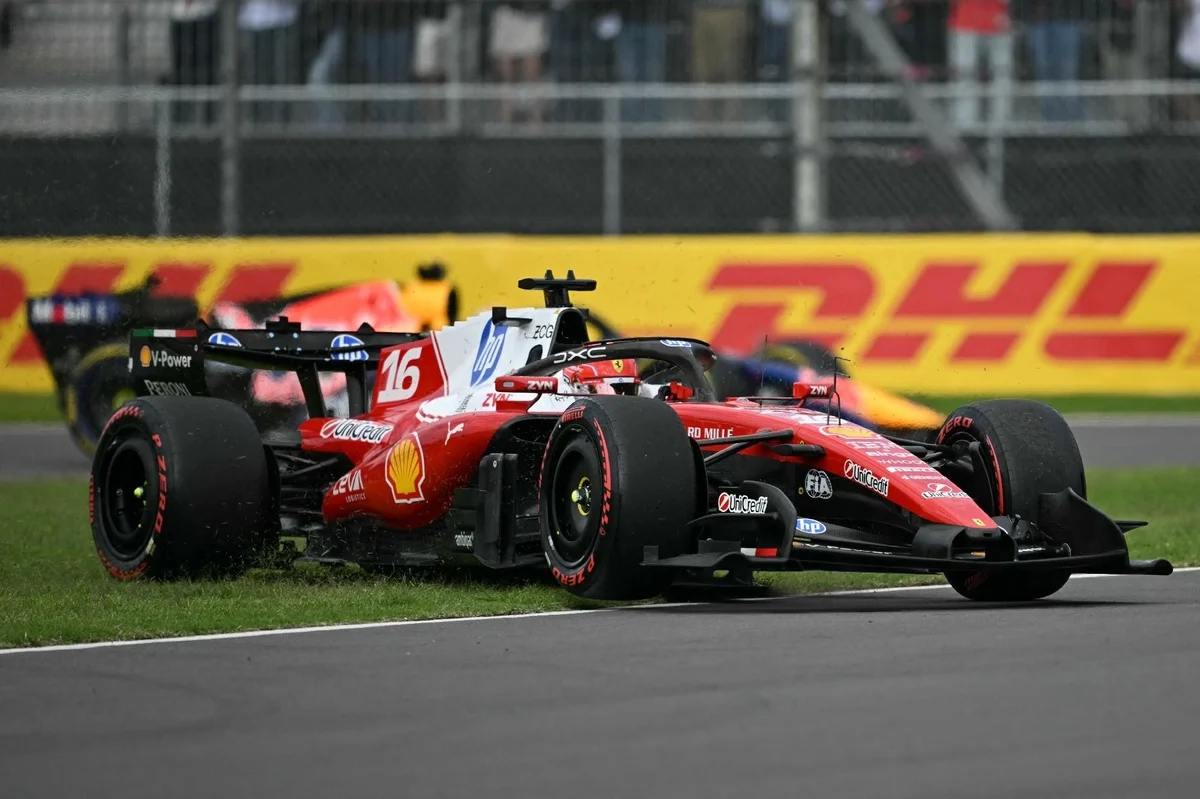
Seizing the opportunity, the two Scuderia Ferraris went wheel-to-wheel, slicing past the lagging Mercedes cars to contest the lead of the race. Hamilton managed to narrowly retain the physical advantage through the initial sequence of turns, but as the cars approached Turn 4, Leclerc lunged forward, claiming the apex.
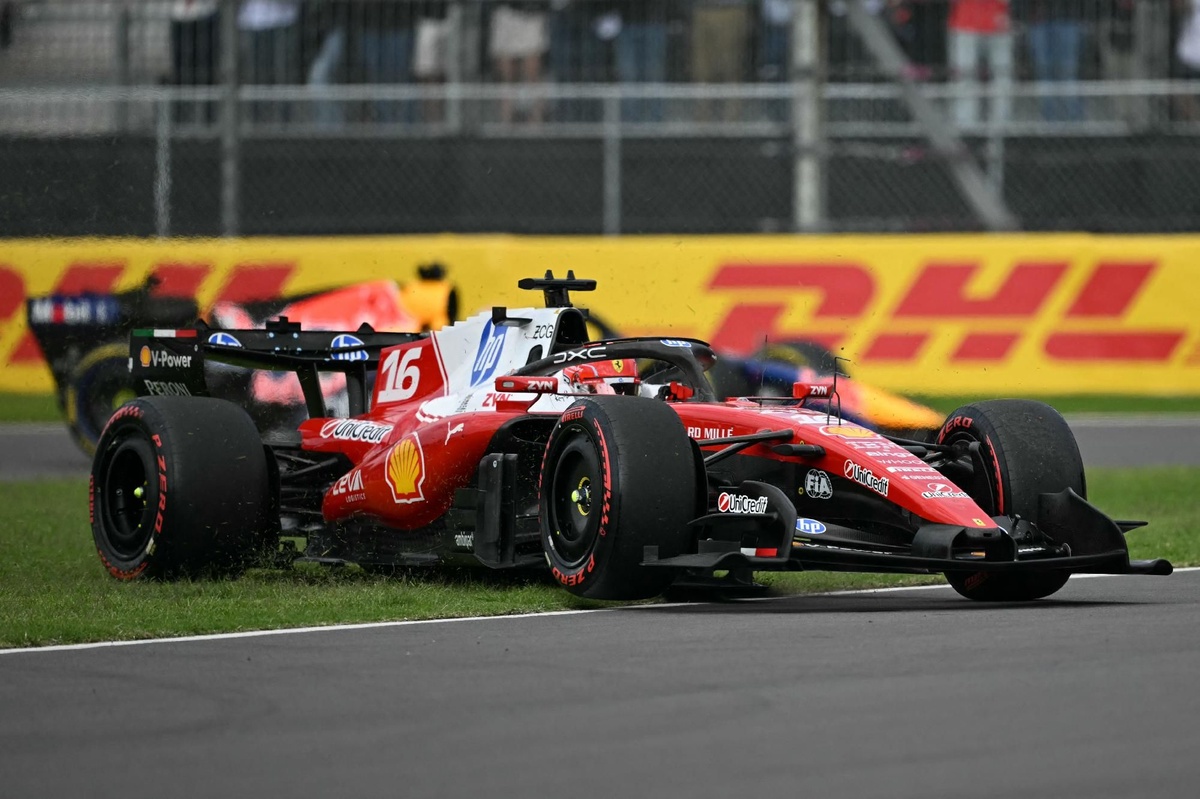
With Hamilton refusing to yield and leaving little to no racing room on the inside, both drivers carried excessive speed into the corner. Unable to negotiate the turn while remaining within the white lines, Leclerc skidded off-track and rejoined in the lead, while Hamilton was also forced wide on the inside.
Under pre-race driver briefing guidelines, drivers who gain an advantage off-track must return the position before a designated checkpoint—in this case, Turn 12. Leclerc failed to do so, retaining first place and subsequently pulling out a gap to the chasing pack.
The stewards ultimately ruled that Leclerc had completed an overtake while off-track and was not entitled to claim the corner due to excessive entry speed. However, recognizing that Hamilton was also forced off-track and that the incident occurred on a chaotic opening lap, the FIA halved their baseline 10-second penalty, issuing a five-second sanction instead.
Chronology of the Controversy: From Turn 4 to the Pit Lane
To fully understand the weight of the stewards’ decision, it is necessary to trace the timeline of the race’s opening phase and how the strategic landscape evolved.
The Start and the Turn 4 Clash
The Grid: Lewis Hamilton starts on pole, Charles Leclerc in third. George Russell makes a poor start, opening the door for the Ferrari duo.
The Run to Turn 4: Hamilton and Leclerc battle side-by-side through the first three corners. Hamilton covers the inside, but Leclerc brakes later, arriving at the apex of Turn 4 ahead.
Going Off-Track: Neither car can make the corner legitimately due to high entry speeds. Leclerc cuts across the runoff area and emerges in the lead, while Hamilton, running on the inside, is also forced wide.
The Omission: According to guidelines agreed upon in the drivers’ briefing, Leclerc was required to cede the position by Turn 12. He opts to stay ahead, capitalizing on clean air to build a buffer.
The Radio Outbursts
As Leclerc sprinted away at the front, a visibly incensed Lewis Hamilton took to the team radio to voice his disbelief. Running directly behind his teammate—and suffering the aerodynamic turbulence of dirty air—Hamilton made his feelings crystal clear to the Ferrari pit wall and race control.
"The problem is he’s got clean air, and doesn’t have to manage like the rest of us. He should just give the place back," Hamilton radioed.
A few laps later, as the five-second penalty was announced and Leclerc continued to lead, the seven-time world champion doubled down with a scathing assessment:
"The stewards are basically handing Charles this win."
The Pit Stop Phase and Strategic Shift
Despite Leclerc managing to maintain a gap large enough to cushion his five-second penalty, the race dynamic shifted during the first round of pit stops. Red Bull, sensing an opportunity with Max Verstappen, reacted swiftly to Ferrari’s strategy.
To avoid being undercut, Red Bull pulled Verstappen into the pit lane early. The rapid response from the Milton Keynes outfit neutralized Leclerc’s on-track advantage, allowing the reigning world champion to assume the virtual lead of the race once all front-runners had cycled through their stops.
Supporting Data and the Stewards’ Official Verdict
The FIA’s official document detailing the penalty shed light on the complex mechanics of modern Formula 1 stewarding guidelines. While fans and drivers often demand black-and-white rulings, the stewards must weigh multiple mitigating and aggravating factors.
The official stewards’ report read:
"The Stewards have determined that both cars entered Turn 4 with excessive speed and therefore neither would have been able to make the corner on track, as demonstrated by the fact that car 44 [Hamilton], which was on the inside, had to go off track to make the corner."
"Car 16 [Leclerc] was therefore not entitled to claim the corner due to the excessive entry speed. The driver then completed an overtake whilst off track and accordingly this warrants a penalty."
"The baseline penalty guideline is 10 seconds, however in mitigation is the fact that car 44 was also off track on the inside of car 16 and this occurred early in the first lap."
This breakdown explains why the penalty was reduced from the standard 10-second tariff down to five seconds. The stewards acknowledged that first-lap leniency is traditionally applied to give drivers breathing room during chaotic starts, and the fact that Hamilton was also incapable of making the corner on-track neutralized the argument that Leclerc had pushed a compliant car off the circuit entirely on his own accord.
Official Responses and Reactions in the Paddock
The paddock was sharply divided following the publication of the stewards’ decision. While Ferrari defended the hard racing of their drivers—emphasizing that both were fighting for supremacy under high-pressure conditions—rival teams and drivers scrutinized the consistency of the enforcement.
Lewis Hamilton’s Frustration
For Hamilton, the grievance extended beyond the mere loss of position; it was about the sporting integrity of race management. Confined to his teammate’s dirty air, Hamilton argued that Leclerc’s refusal to hand back the place fundamentally compromised his own afternoon. In modern F1, following another car closely degrades tires rapidly due to thermal degradation and aerodynamic loss, making clean air an invaluable commodity. By keeping the lead, Leclerc was insulated from these struggles while Hamilton was left to battle the elements and overheating components.
The Team Dynamic at Ferrari
Managing two world-class drivers under one roof is rarely straightforward. With both Hamilton and Leclerc harboring championship aspirations and race-winning ambitions, intra-team battles carry immense psychological weight. The Mexico GP marked one of the first major flashpoints of direct wheel-to-wheel combat between the two Ferrari stalwarts, testing the internal diplomatic skills of Team Principal Fred Vasseur and his engineering staff.
While team orders were not explicitly issued to swap the cars on track immediately, the fallout from Hamilton’s public radio critiques forced the Scuderia to carefully navigate post-race debriefs to maintain harmony within the garage.
Broader Implications for the F1 Championship and Future Enforcement
Incidents of this nature invariably leave a lasting footprint on the remainder of the Formula 1 season. The Mexico City controversy highlights several critical themes that continue to plague modern Grand Prix racing:
1. The Debate Over Racing Guidelines
The reliance on pre-determined "driving guidelines" discussed in drivers’ briefings has been a double-edged sword for the FIA. While they aim to provide clarity and predictability, they often strip away the instinctive, gladiatorial nature of first-lap combat. When a driver is instructed that they must yield by a specific corner (such as Turn 12), it transforms racing into a bureaucratic exercise rather than a pure test of skill. The fact that Leclerc chose to risk a penalty rather than surrender track position suggests that drivers still calculate whether the time lost serving a penalty is worth the defensive benefit of clean air.
2. Consistency in Stewarding
Hamilton’s frustration echoes a wider sentiment among the F1 grid regarding consistency. Drivers frequently point out that identical incidents can yield wildly different punishments depending on which panel of stewards is on duty over a given weekend. By highlighting the excessive entry speed of both cars, the FIA attempted to justify a nuanced ruling, but the debate over whether 5 seconds is a sufficient deterrent for gaining an illegal race-leading advantage will undoubtedly rumble on.
3. Championship Strategy and Track Position
In an era of ground-effect aerodynamics where following other cars closely remains notoriously difficult, track position is king. Leclerc’s decision to absorb the five-second penalty rather than give the place back underscores a pragmatic, calculated approach to modern racing strategy. If a driver believes they can pull more than five seconds clear of the field—or mitigate the penalty through superior race pace—taking the hit becomes a tactically viable gamble.
Conclusion
The first-lap controversy between Charles Leclerc and Lewis Hamilton at the Autodromo Hermanos Rodriguez will be remembered as one of the defining moments of the Mexico Grand Prix weekend.
While the FIA’s detailed explanation attempted to close the book on the debate by citing excessive entry speeds, mutual off-track excursions, and first-lap leniency, the lingering dissatisfaction from the garage of car #44 proves that harmony and controversy are never far apart in the world of Formula 1. As the season barrels toward its climax, the lessons learned—and the tensions exposed—under the blazing Mexico City sun will undoubtedly shape how drivers approach wheel-to-wheel combat for the remainder of the championship battle.
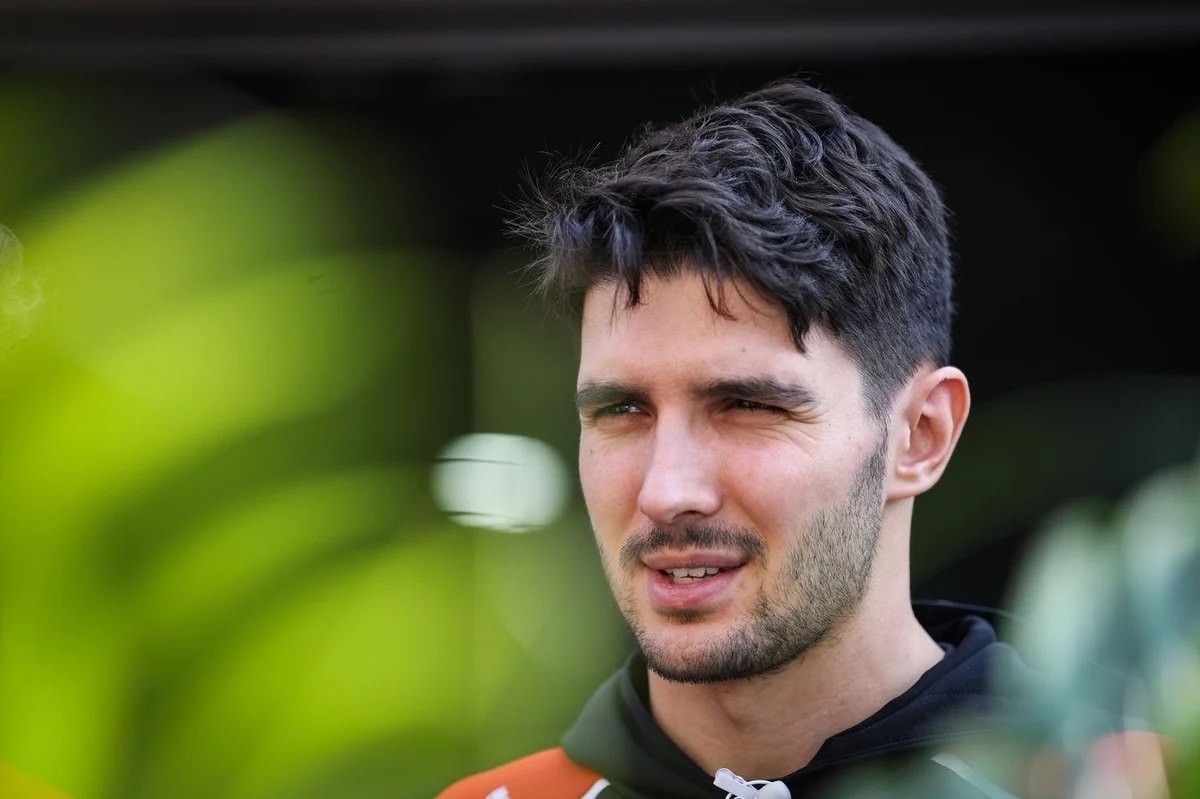
Tension in the Paddock: Esteban Ocon Denies Physical Altercation After Being Benched by Haas for the Mexico City Grand Prix
Main Facts: The Shocking Fallout in Mexico The Formula 1 paddock was sent into a tailspin ahead of the Mexico City Grand Prix when Haas F1 Team made the dramatic…
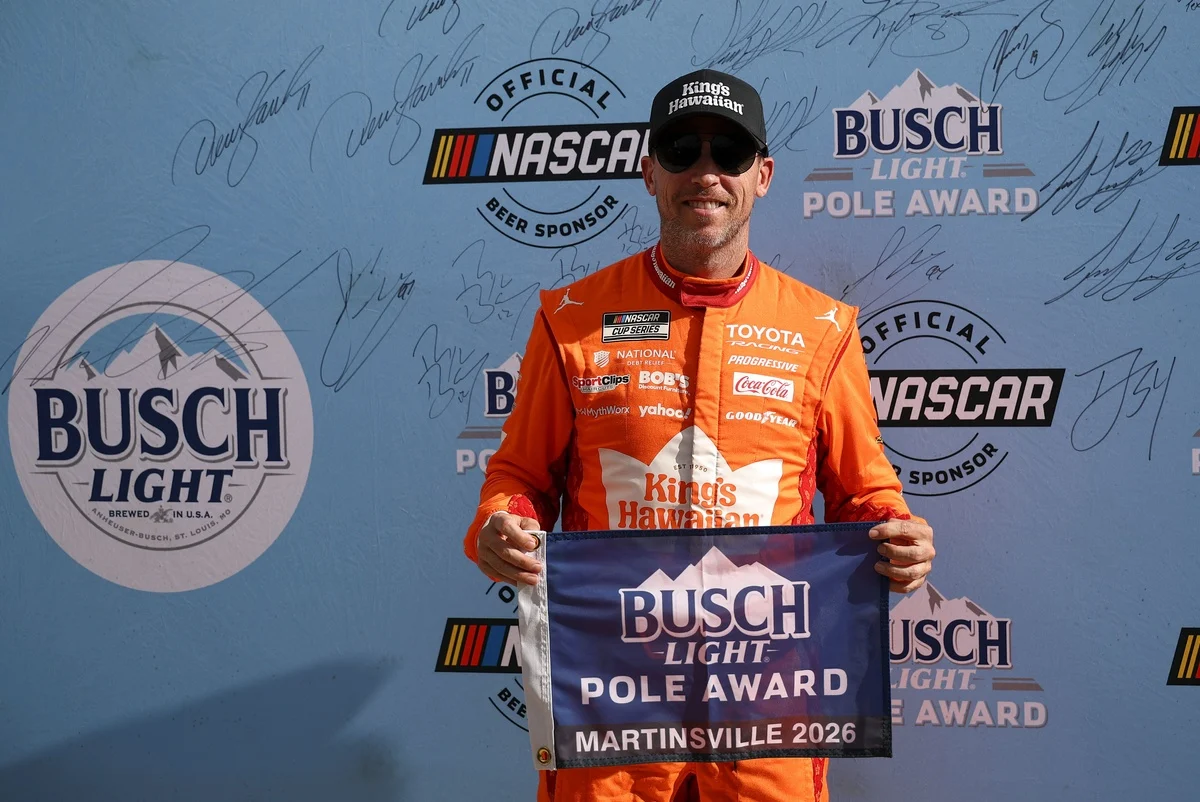
Long-Shot Glory: Denny Hamlin’s Uphill Battle at Martinsville as Kyle Larson Closes in on NASCAR Cup Series Crown
MARTINSVILLE, Va. — With just two races remaining in the grueling NASCAR Cup Series season, the math paints a bleak picture for Denny Hamlin. Facing an imposing 73-point deficit, Hamlin’s…

 Reynand Wu


 Suro Senen

 Nana Wu

 Lina Irawan
 Iffa Jayyana
 Jia Lissa

 Muslim