
 Neng Nana
By Global Cycling Desk
Published: October 24, 2026
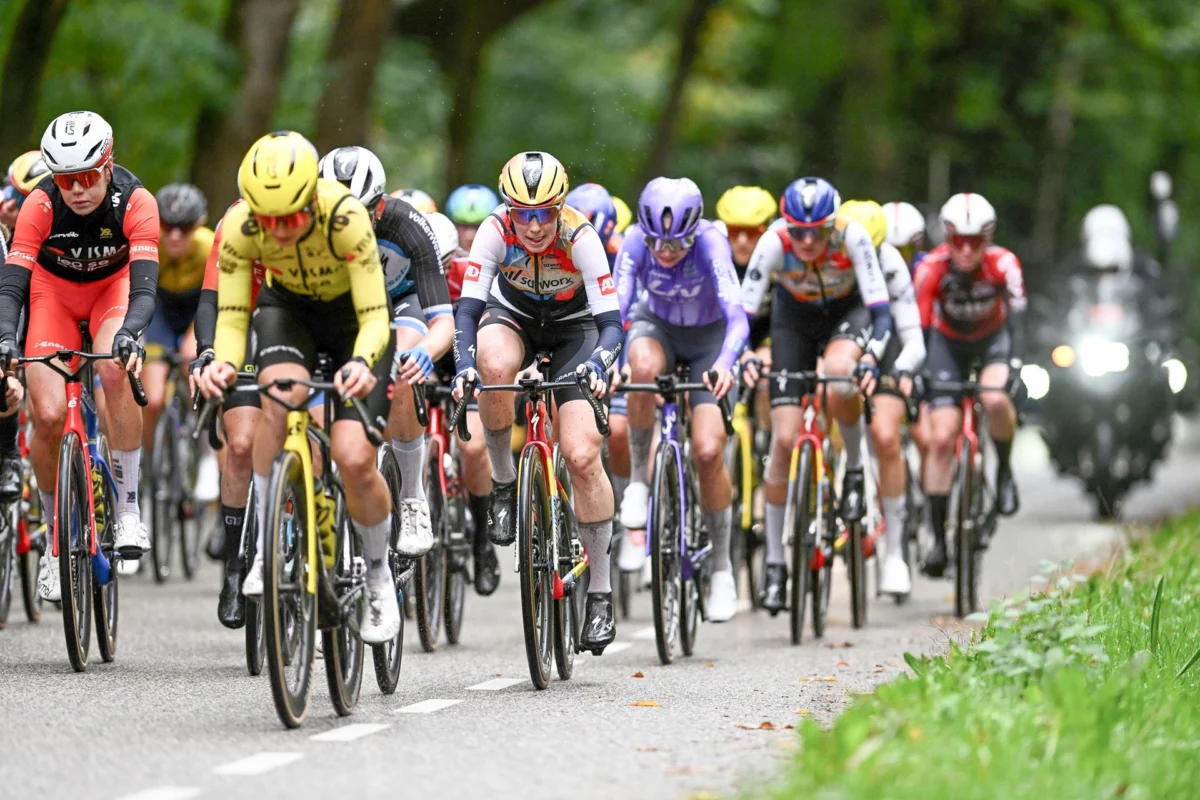
The rapid globalization, commercialization, and media expansion of women’s professional cycling have routinely dominated headlines over the past half-decade. With the introduction of the Tour de France Femmes avec Zwift, guaranteed minimum salaries, and a growing calendar of marquee WorldTour events, the sport is frequently celebrated as a modern success story of equity in elite sport.
Yet, beneath the glittering veneer of historic television broadcasts and packed roadside barriers lies a starkly different reality for the athletes pedaling the pelotons.
According to the newly released State of the Professional Women’s Peloton 2026 report by The Cyclists’ Alliance (TCA)—the de facto labor organization and advocacy voice for female professional cyclists—the sport stands at a precarious crossroads. While the ecosystem is indisputably creating opportunities and expanding its geographic footprint, it continues to fail a significant portion of its workforce.
Drawing from detailed survey responses of 127 professional riders, 118 of whom compete in the discipline of road cycling, the report paints an uncompromising picture of a sport experiencing a dangerous chasm. The core findings reveal that persistent financial insecurity outside the elite Women’s WorldTour tier, combined with systemic vulnerabilities regarding rider health, welfare, and safety, remain the overwhelming concerns of the modern professional peloton.
Main Facts: The 2026 TCA Report at a Glance
The State of the Professional Women’s Peloton 2026 report serves as an annual health check for the sport’s labor market, regulatory enforcement, and structural sustainability. The publication of the 2026 findings highlights several critical realities defining the contemporary landscape:
- The Sample Size and Demographic: The survey gathered empirical data and qualitative insights from 127 active professional female cyclists, with road riders accounting for 118 of the total participants.
- The Core Dichotomy: The report explicitly notes that while the sport is successfully "creating opportunities," it simultaneously suffers from structural deficiencies that leave competitors lacking "the financial security, care, and development pathway they need."
- The Two-Tier Reality: Financial precarity is heavily concentrated outside the top-tier Women’s WorldTour (WWT) teams. While WWT riders benefit from mandated minimum salaries, Continental-level riders—who form the vital backbone of the racing calendar—frequently face sub-livable wages, unpaid labor, and out-of-pocket expenses.
- Welfare and Safety Crisis: Beyond monetary compensation, health, welfare, and physical safety emerged as primary distress points. Riders cited inadequate medical support, inconsistent maternity and sick leave enforcement, and precarious race safety protocols as ongoing hazards.
- The Role of The Cyclists’ Alliance: Founded to bridge the gap in representation, TCA continues to function as the primary bargaining and support mechanism for riders, pushing governing bodies and team managers toward mandatory, enforceable standards.
Chronology: How the Women’s Peloton Reached This Critical Juncture
To understand the weight of the 2026 report, it is essential to trace the historical timeline of professional women’s cycling and how labor advocacy has evolved to meet the sport’s rapid, sometimes chaotic, expansion.
Pre-2018: The Era of Amateurism and Self-Funding
For decades, professional women’s cycling operated almost entirely on an amateur or semi-professional basis. Riders routinely held full-time jobs, paid for their own equipment and travel to races, and raced for meager stipends or mere product support. Governing bodies provided minimal oversight regarding contracts, and labor rights were virtually nonexistent.
2017–2018: The Birth of The Cyclists’ Alliance
Recognizing the glaring disparities in treatment, safety, and compensation compared to the men’s professional sphere, a collective of current and former riders—alongside legal and sports industry advocates—formed The Cyclists’ Alliance in late 2017. The organization established itself as the de facto union, launching its first major data collection initiatives to expose the reality behind team presentations and race calendars.
2020–2022: The WorldTour Revolution and Minimum Salaries
Propelled by sustained advocacy from TCA and increasing commercial interest, the Union Cycliste Internationale (UCI) introduced structural reforms. The most significant of these was the creation of the Women’s WorldTeam tier, which implemented a mandatory minimum salary for riders starting in 2020, scaling upward annually. The debut of the Tour de France Femmes in 2022 further catalyzed corporate investment, driving television audiences and shifting the sport’s economic potential.
2023–2025: The Growth Pains and the Enforcement Gap
As top-tier teams grew richer and more professionalized, the gap between the WorldTour and the UCI Continental teams widened. While the elite riders enjoyed better support staffs, nutritionists, and equipment, Continental teams struggled to keep pace with rising operational costs. Reports of delayed paychecks, lack of standard contracts, and unsafe race conditions flooded TCA’s helpline, proving that minimum salary rules on paper were often circumvented or poorly enforced in practice.
October 2026: The Release of the State of the Peloton Report
The publication of the 2026 report marks a definitive moment of reckoning. Rather than celebrating mere numerical growth in race days or television hours, TCA’s data forces stakeholders to confront the human and financial cost borne by riders who fall outside the protected upper echelons of the sport.
Supporting Data: Dissecting the Hard Numbers and Rider Sentiments
The qualitative and quantitative data gathered from the 127 surveyed riders provides an unfiltered look into the daily lives of female professionals. While the top 10% to 15% of the peloton—those signed to elite WorldTour outfits—enjoy professionalized support networks, the broader ecosystem remains fragile.
Financial Insecurity Outside the WorldTour
The implementation of the UCI minimum wage for Women’s WorldTeams was hailed as a historic victory. However, the 2026 report highlights that the vast majority of teams competing globally are registered at the Continental level, where minimum salary regulations do not apply.
- Sub-Livability: Many Continental riders receive little to no salary, relying instead on small stipends, part-time work during the off-season, or financial assistance from family members.
- Hidden Costs: Unlike their male counterparts, who almost universally have all race-related expenses covered, numerous female Continental riders report paying out of pocket for travel, specialized gear, or medical treatments.
- Contractual Vulnerability: Short-term, verbal, or non-compliant contracts remain prevalent outside the WorldTour, leaving riders with zero recourse when teams suddenly fold or fail to honor financial agreements.
Health, Welfare, and Safety Concerns
Financial compensation is only part of the equation. The 2026 survey underscores that physical safety and bodily autonomy are under acute threat across the sport.
- Inconsistent Medical Care: Riders reported wide variances in the quality of on-site medical staff at UCI-sanctioned races. While high-profile WorldTour events feature dedicated medical convoys, smaller races often rely on overextended local emergency services.
- Maternity and Injury Protections: Although the UCI introduced baseline maternity leave regulations for WorldTeams, enforcement remains lax, and Continental riders are effectively left unprotected. Pregnancies, long-term injuries, and concussions frequently result in contract terminations or financial abandonment.
- Race Route Safety: The modern calendar’s expansion has not always matched the safety standards required for high-speed racing. Riders continue to voice frustration over inadequate barrier setups, dangerous road furniture, unmarshaled junctions, and hostile traffic management during races.
Official Responses and Industry Reactions
The release of the 2026 report has sent ripples through the cycling ecosystem, prompting immediate statements from athlete advocates, team management associations, and international governing bodies.
The Cyclists’ Alliance: "Opportunity Must Equal Security"
Speaking on behalf of the organization, TCA leadership emphasized that the sport cannot continue to market itself on the back of pioneering athletes who are financially stressed and physically vulnerable.
"We are witnessing an unprecedented boom in visibility and fan engagement," a TCA spokesperson stated following the report’s release. "Yet, opportunity without security is exploitation. When riders at the professional level are worrying about how to pay their rent next month, or whether a concussion protocol will cost them their livelihood, the system is failing its most important asset: the athletes."
Team Management Perspectives
Representatives from several Continental and WorldTeam organizations acknowledged the findings, pointing toward the complex macro-economic climate of professional cycling. Team managers noted that while sponsorship interest is rising, finding long-term, multi-year title sponsors remains an uphill battle—particularly for squads operating outside the shadow of men’s WorldTour programs. Several managers echoed TCA’s calls for a broader financial distribution model, suggesting that television rights revenues and race broadcast profits must eventually trickle down to support the lower tiers of the sport.
The UCI’s Stance
The Union Cycliste Internationale has faced mounting pressure from labor advocates to expand mandatory minimum salaries and working standards to the Continental tier. While the governing body has previously cited the risk of shrinking the peloton if financial barriers for team registration are raised too high, cycling regulators are under renewed scrutiny to respond to the 2026 findings with concrete policy adjustments ahead of the upcoming legislative cycle.
Implications: What the 2026 Report Means for the Future of Women’s Cycling
The findings of the State of the Professional Women’s Peloton 2026 report are not merely academic; they serve as a strategic roadmap—and a warning sign—for the future trajectory of the sport.
1. The Risk of Talent Drain
If financial instability and safety hazards persist, women’s cycling risks losing a generation of athletic talent. Young, exceptionally gifted riders may choose to pursue careers in other professional sports—such as triathlon, running, or corporate sectors—where return on investment and baseline safety standards are more reliably guaranteed.
2. The Urgency of Universal Regulation
The two-tier disparity between WorldTeams and Continental teams is no longer sustainable. For women’s cycling to mature into a fully professionalized, self-sustaining global sport, baseline worker protections—including universal minimum wages, standardized healthcare, enforced maternity rights, and rigorous safety audits—must apply across the entire professional pyramid, regardless of team tier.
3. Sustainable Commercial Models
The report challenges race organizers, sponsors, and media entities to look beyond short-term publicity stunts. True sustainability requires structural investment in the infrastructure of the sport. This includes increasing prize purses across all categories, ensuring fair revenue-sharing models, and guaranteeing that race organizers are held legally accountable for the physical welfare of the peloton.
Conclusion
Women’s professional cycling in 2026 occupies a fascinating and contradictory space. On one hand, it has never been faster, more visible, or more culturally relevant. On the other hand, as The Cyclists’ Alliance report forcefully demonstrates, the foundational pillars supporting the athletes remain dangerously weak.
As stakeholders digest the data from the 127 surveyed riders, the message to the cycling world is unequivocal: the era of relying on the sheer passion and sacrifice of female athletes to sustain the sport’s growth is over. To honor the true spirit of professional sport, the structural, financial, and physical security of every rider in the peloton must become the industry’s highest priority.

 Sagoh

 Jia Lissa

 Asep Darmawan

 Lina Irawan

 Laily UPN

 Reynand Wu