Lina Irawan
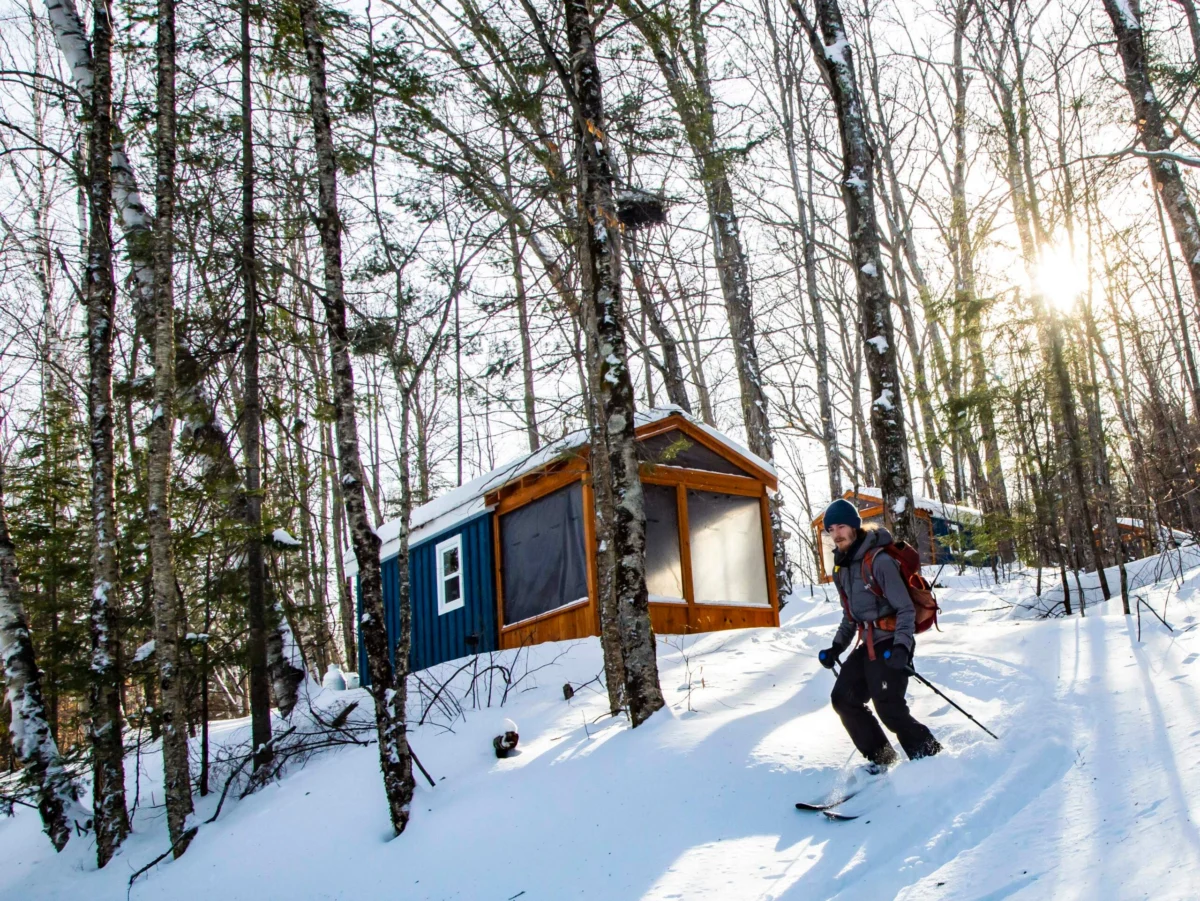
QUÉBEC CITY — With more than 92 percent of its expansive territory designated as public land, Québec transforms each winter into one of the most remarkable cold-weather playgrounds on the planet. When heavy, reliable snowfalls bury millions of acres of dense boreal forest, high-country plateaus, and jagged mountain ranges, the province wakes up to a season of boundless exploration.
Far from being a fleeting cold-weather hobby, winter travel is stitched deeply into the regional fabric. Combining a vast, meticulously maintained trail infrastructure with a deeply rooted heritage of outdoor hospitality, Québec offers an unparalleled destination for backcountry skiers, Nordic cross-country travelers, and multi-day snowshoe expeditions.
Main Facts: The Anatomy of Québec’s Winter Landscape
The sheer scale of Québec’s winter tourism and recreation network is staggering. The province boasts 28 dedicated national parks, countless regional parks, and a sprawling web of backcountry and low-land trails that rival any in North America.
- Massive Public Access: Over 92 percent of the province’s land is publicly owned, ensuring that adventurers have unprecedented, democratic access to pristine wilderness.
- Diverse Terrain: From the rolling, village-linked hills of the Laurentians to the dramatic, deep-snow vertical drops of the Saguenay Fjord and Gaspésie, the topography accommodates every level of human-powered winter recreation.
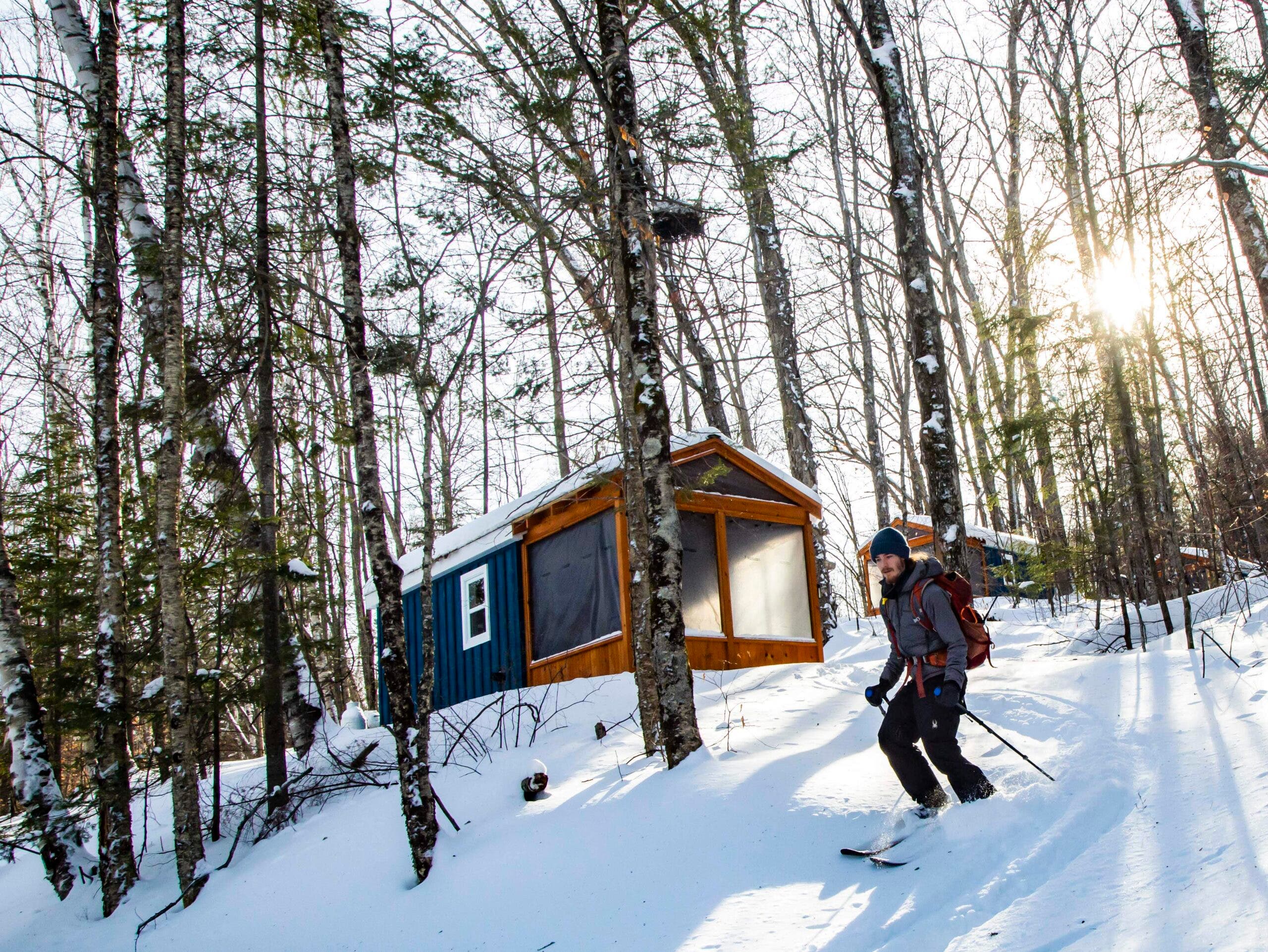
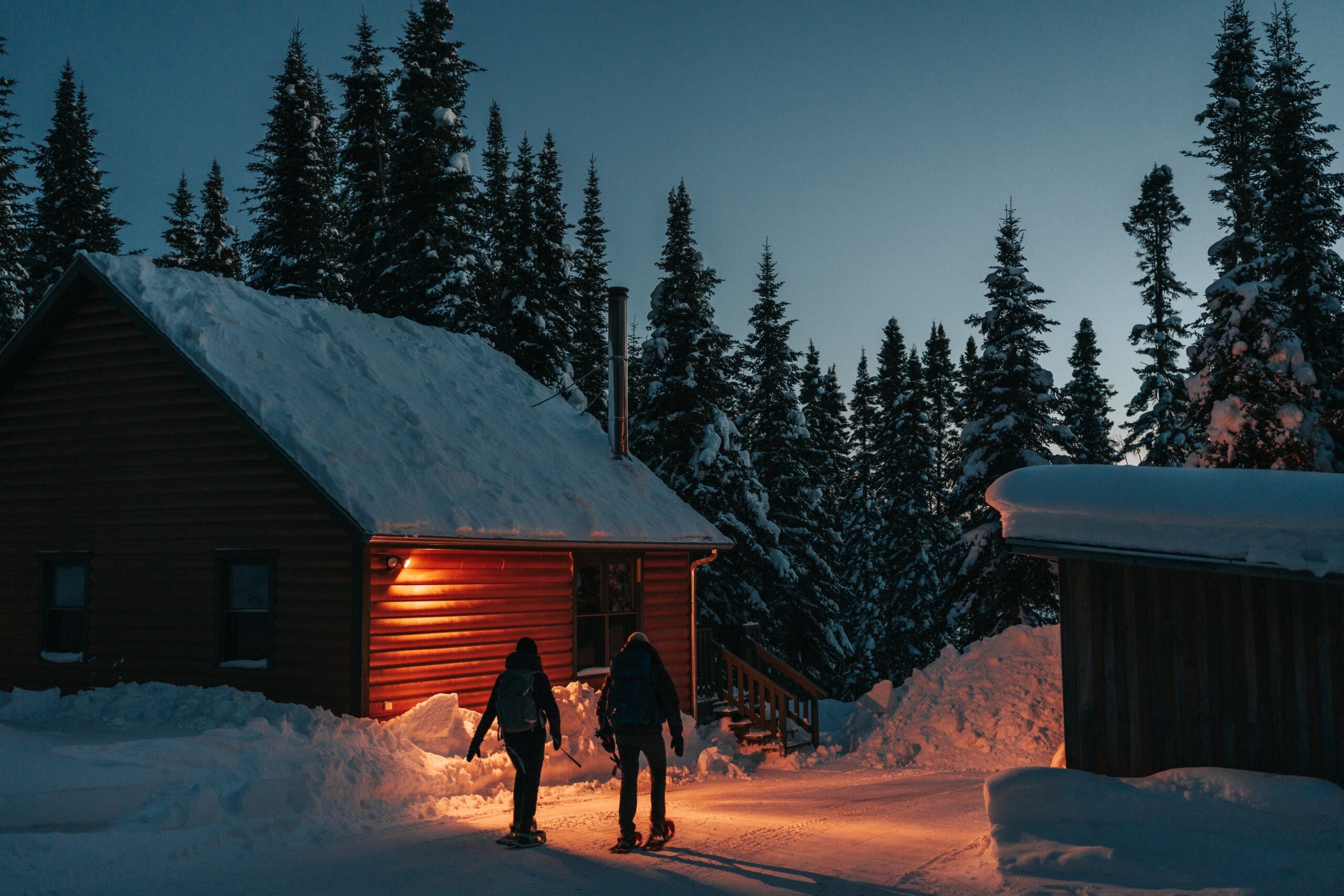
- Infrastructure Meets Wild: While many areas retain an authentic, unmitigated backcountry feel, they are supported by a backbone of accessible parking areas, trail maps, designated routes, and a well-established network of rustic backcountry huts and refuges.
- Certified Safety Standards: For those seeking expert guidance, the region features numerous outfitters and guides certified through Aventure Écotourisme Québec, ensuring rigorous adherence to risk management and professional training.
Chronology: From Indigenous Heritage to Modern Backcountry Hubs
To truly understand Québec’s obsession with winter, one must look backward through centuries of history, tracking how a harsh season evolved from a survival challenge into a celebrated cultural identity.
Pre-Colonial Era: The Roots of Winter Travel
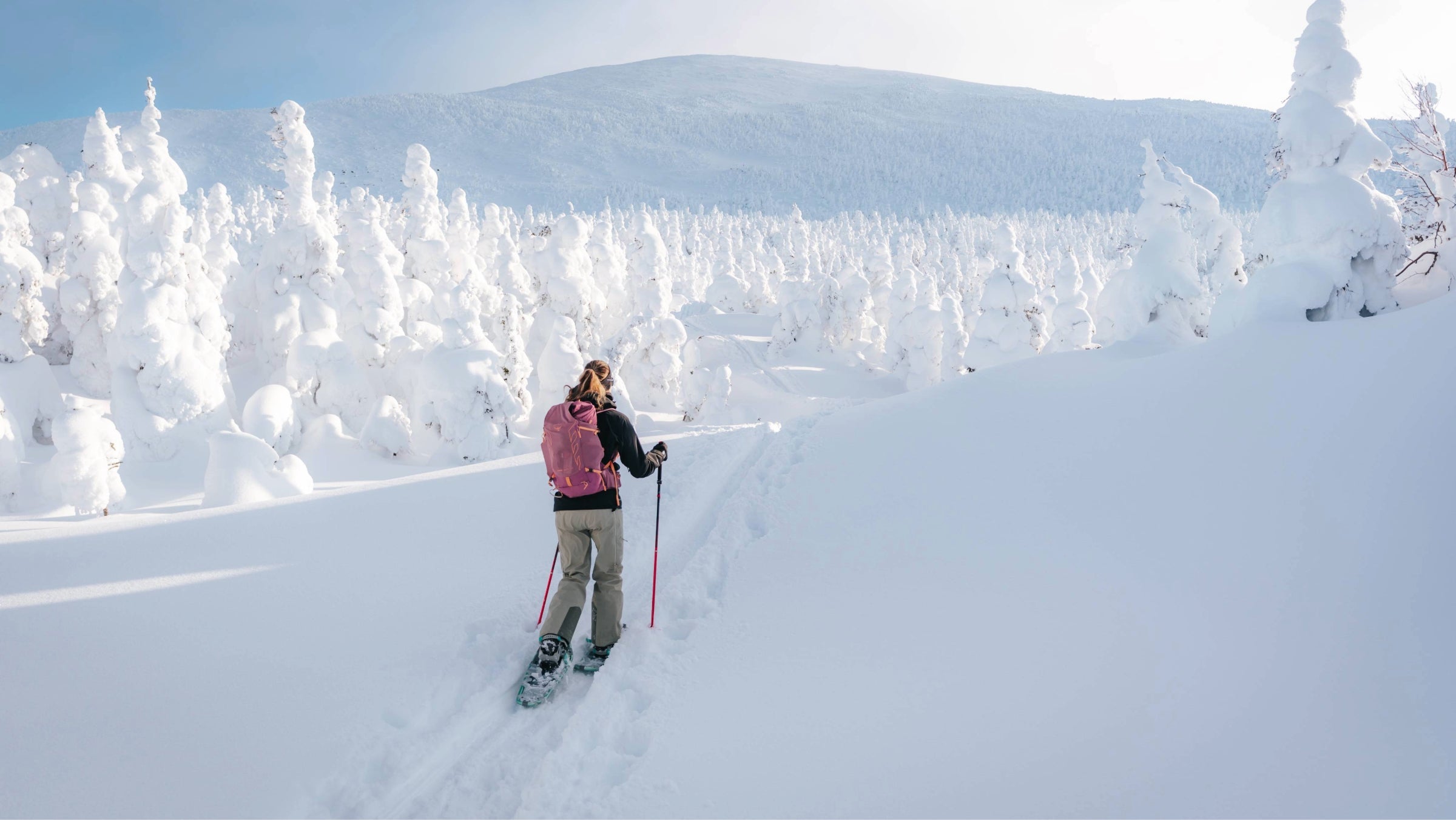
Long before winter exploration was packaged as recreation, Indigenous nations—including the Cree, Innu, and Huron-Wendat—mastered the art of navigating Québec’s deep snows. Utilizing traditional snowshoes crafted from wood and sinew, alongside deep ecological knowledge passed down through generations, Indigenous peoples traversed frozen rivers and heavy-timbered forests to hunt, trap, and trade. This foundational relationship with the winter landscape laid the cultural groundwork for all modern cold-weather travel in the region.
The Mid-20th Century: The Rise of the Ski-Hut Culture
As European settlers and subsequent generations adapted to the climate, winter travel shifted from pure survival to recreation. Mid-century saw the birth of Québec’s famous network of mountain refuges and the pioneering of alpine ski culture in the Laurentians. Communities began carving out cleared trails between villages, establishing a European-style alpine hut-to-hut culture unique to North America.
The Modern Era: Formalizing the Backcountry
Over the past two decades, regional authorities, conservation groups, and outdoor coalitions have formalized these historic routes. Parks Québec (Sépaq) and regional tourism boards have invested heavily in upgrading trail markers, building sophisticated yurts and eco-cabins, and launching cohesive winter initiatives like Les Routes Blanches. Today, Québec stands at the intersection of wild, untamed backcountry skiing and accessible, amenity-rich trail networks.
Supporting Data: By the Numbers
A closer look at the metrics defining Québec’s winter tourism economy highlights its unmatched capacity for human-powered outdoor recreation:
- 92%: The approximate percentage of Québec land that remains public property, providing an almost limitless canvas for backcountry exploration.
- 28: The total number of provincial national parks maintained by Sépaq, nearly all of which offer specialized winter programming, groomed cross-country tracks, and heated overnight shelters.
- Hundreds of Kilometers: The distance covered by interconnected trail systems such as Les Routes Blanches, which allow travelers to ski or snowshoe seamlessly from one village and inn to the next.
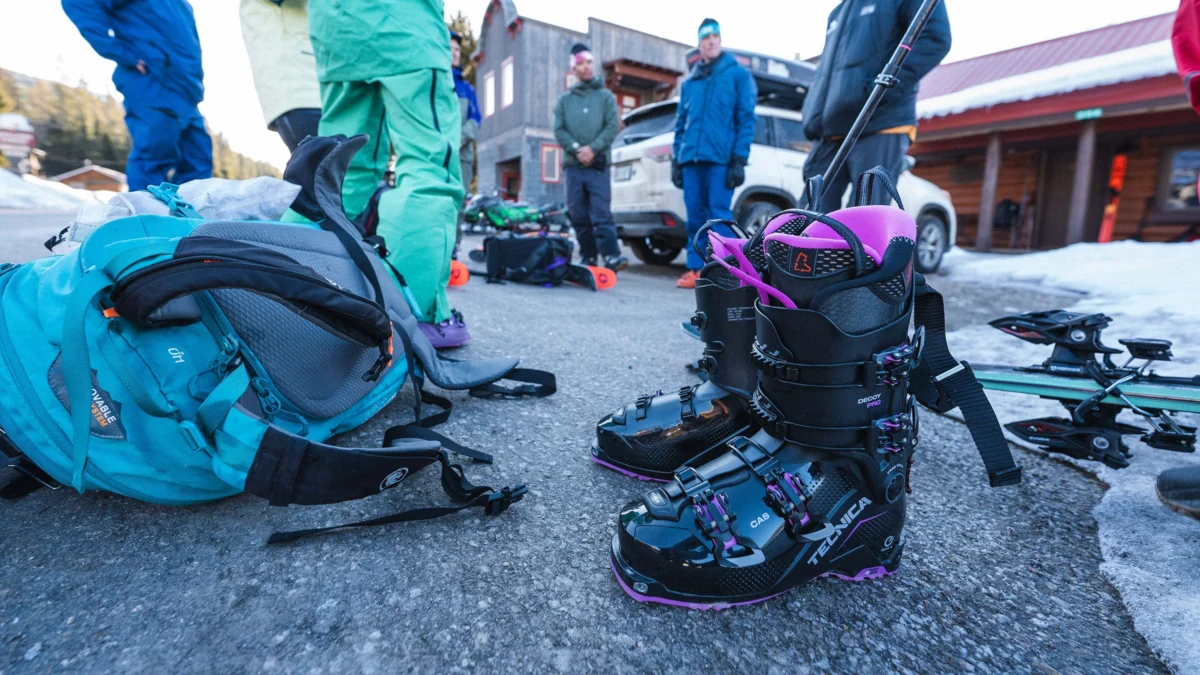
- Zero to Minimal Mitigation: While grassroots backcountry ski zones (such as those in Sommets du Fjord) offer incredible, lift-free powder descents, they intentionally operate without avalanche control—empowering experienced skiers while demanding self-reliance, proper education, and standard safety gear.
Official Perspectives and Safety Standards
With the rapid surge in popularity of backcountry skiing, splitboarding, and extended snowshoe expeditions, local authorities and tourism boards are placing heavy emphasis on education, environmental stewardship, and safety management.
Martin Gagnon, a regional tourism development coordinator for eastern Québec, emphasizes the delicate balance between wild adventure and traveler safety.
"Québec offers a unique brand of winter freedom," Gagnon notes. "You can step off the beaten path into genuinely wild, uncrowded terrain that feels entirely isolated. However, that freedom requires respect. Our grassroots ski zones and national parks are designed to give people access to raw nature, but the onus is on the traveler to possess the right mindset, navigational tools, and avalanche awareness."
To bridge the gap between hazardous wilderness and accessible tourism, the industry relies heavily on programs like the Quality-Safety certification administered by Aventure Écotourisme Québec. This rigorous credentialing system sets strict benchmarks for commercial guides, ensuring that visitors hiring local services are paired with professionals trained in wilderness first aid, group management, and route planning.
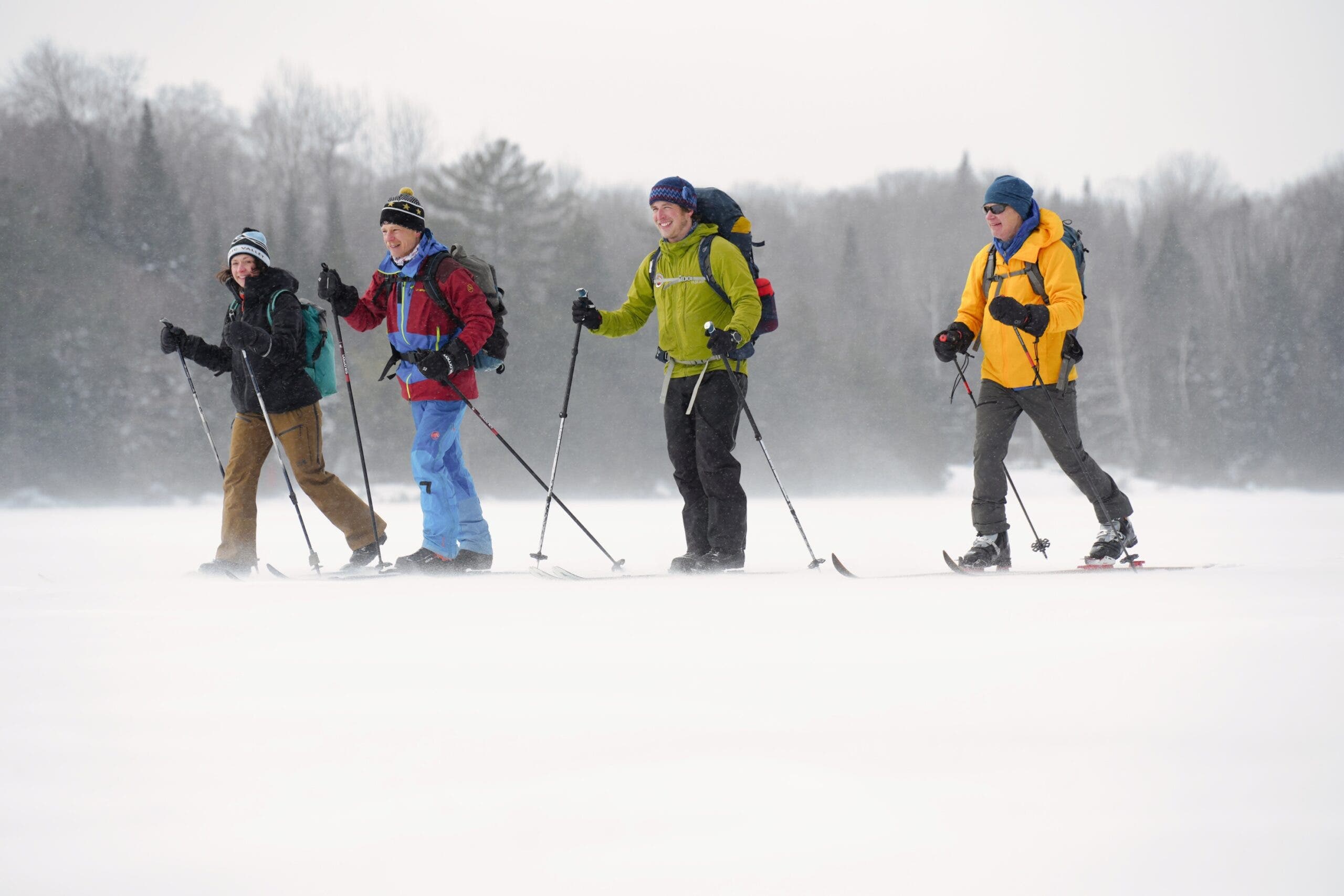
Furthermore, park authorities stress the importance of leaving no trace. As traffic increases in fragile alpine and sub-alpine zones, maintaining the pristine quality of the snowpack and protecting local wildlife habitats remain top priorities for provincial land managers.
Implications: The Economic and Cultural Impact of Winter Tourism
The thriving winter infrastructure across Québec carries profound implications for both the local economy and the broader outdoor recreation industry in North America.
Economic Revitalization of Rural Communities
Traditionally, many rural villages in the Laurentians, Lanaudière, and Saguenay–Lac-Saint-Jean regions experienced a severe economic slowdown once the summer foliage and autumn harvesting seasons came to a close. The intentional expansion of winter trails, village-to-village ski routes, and cozy lodging options has fundamentally altered this economic cycle.
Today, spots like Petite-Saguenay and the surrounding gateways to Saguenay Fjord National Park thrive year-round. Cross-country skiers, snowshoers, and backcountry tourers frequent local bakeries, microbreweries, and family-run inns, injecting vital winter revenue into small-town economies.
A Blueprint for Sustainable North American Adventure
As ski resorts across North America grapple with the unpredictable effects of changing climate patterns and increasingly crowded lift lines, Québec’s human-powered, decentralized winter model offers an appealing alternative. By prioritizing low-impact activities—such as Nordic skiing, skin-track touring, and hut-to-hut snowshoeing—the province demonstrates that world-class winter recreation does not require massive energy-guzzling resort infrastructure.
Instead, the future of winter tourism here lies in deep connections to the land, slower paces of travel, and authentic cultural immersion.
Noteworthy Destinations to Explore
For travelers looking to experience Québec’s winter renaissance firsthand, several standout locations offer a cross-section of what the province has to offer:
- Vallée Bras-du-Nord: Located a short drive from Québec City, this all-season adventure hub features a rare blend of meticulously groomed cross-country ski trails and designated steep-slope backcountry terrain. Complete with a network of ski-in, ski-out yurts and modern cabins, it provides a unique multi-sport getaway.
- Sommets du Fjord & Saguenay Fjord National Park: Situated near Petite-Saguenay, this region offers dramatic vertical drops, deep powder bowls, and breathtaking views of the legendary fjord. It serves as an ideal base camp for unmitigated backcountry skiing and rugged snowshoeing.
- Mont-Tremblant and Monts-Valin National Parks: For those seeking multi-day traverses, the robust hut systems within these parks allow adventurers to string together multi-day itineraries. Skiers can tour from refuge to refuge, stoking wood-burning stoves and sharing meals before waking up to fresh tracks.
- Les Routes Blanches (Laurentians): Perfect for travelers seeking a cultural-culinary winter journey, these village-to-village cross-country routes allow visitors to ski through stunning snow-draped forests by day and unwind in historic local inns and fine-dining establishments by night.
Looking Ahead
Ultimately, Québec’s winter appeal transcends the mere pursuit of vertical feet or distance covered. As the regional tourism board (Bonjour Québec) emphasizes, the true magic of a winter expedition here lies in the moments between the miles: gathering around a crackling woodstove in a remote backcountry hut, raising a glass of local Québec craft cider with newfound friends, and experiencing a culture that does not merely endure the winter, but warmly embraces it.

 Neng Nana
 Reynand Wu

 Laily UPN


 Ali Ikhwan

 Basiran