
 Iffa Jayyana
Published October 28, 2026
Unless you count yourself among the fortunate minority with a dedicated cat-skiing budget or a private helicopter on standby, exploring the backcountry requires embracing the fundamental tax of human-powered skiing: the climb.
Enter the climbing skin—the unassuming, adhesive-backed strips of specialized fabric that allow skiers to glide effortlessly uphill while preventing backward slides via microscopic, directional fibers (functioning much like fish scales). Though they rarely claim the glamour of a carbon-fiber powder ski or the high-tech intrigue of an avalanche airbag, these strips of mohair and nylon hold the power to dictate the success, safety, and overall enjoyment of a backcountry tour. A failing tail clip, compromised glue, or frustratingly sluggish glide can easily transform a dream powder mission into a grueling sufferfest.
To help skiers navigate the crowded market, a team of seasoned mountain guides, ski patrollers, and veteran outdoor journalists spent last winter putting eight distinct pairs of climbing skins through the ultimate gauntlet. Testing spanned the globe, from deep, blower powder days in the Tetons and pillow-dropping sessions in British Columbia to wide-open, windswept glacier exploration in the Swiss Alps and rugged, unpredictable mountain traverses in Kyrgyzstan.
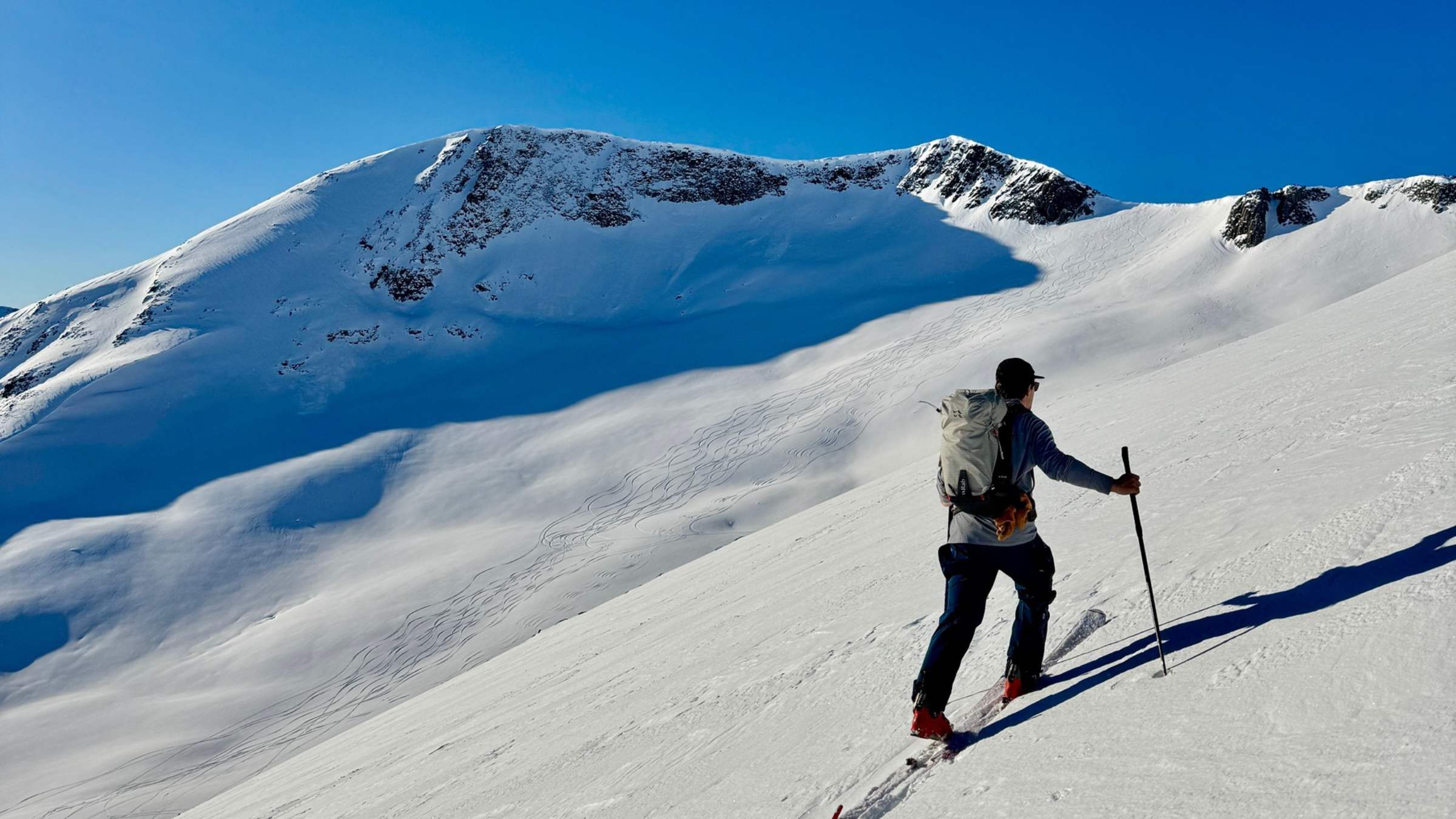
Each pair was meticulously evaluated across four core performance pillars: grip on steep or refrozen tracks, energy-saving glide, long-term durability, and packability for rapid transitions. The results culminate in the definitive 2027 climbing skin gear guide, highlighting the top performers across multiple categories.
Main Facts: The 2027 Testing Hierarchy
Following extensive field trials in some of the planet’s harshest winter environments, testing experts narrowed the field down to the absolute best climbing skins on the market for the upcoming season.
- Best Climbing Skins Overall: Pomoca Tour Pro (65% mohair, 35% nylon). Celebrated for their near-perfect balance of exceptional glide, rock-solid grip, and redesigned, fail-safe metal tail clips.
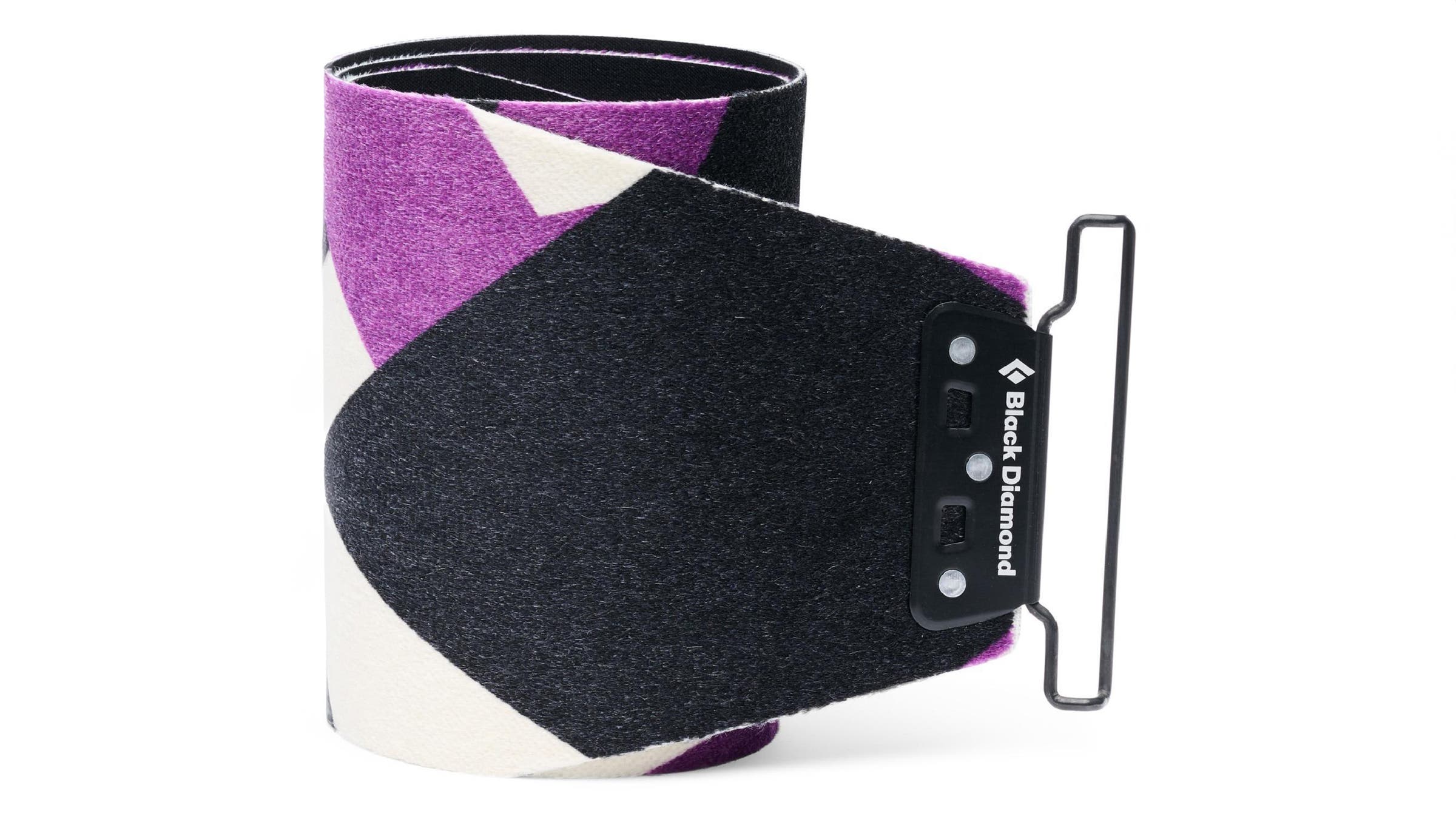
- Most Durable Climbing Skins: Black Diamond Glidelite Tour (65% mohair, 35% nylon). Replaces the legendary Glidelite Mix with a streamlined, low-profile design optimized for multi-season longevity and exceptional packability.
- Best Glide: Atomic MultiFit Bent Chetler (70% mohair, 30% nylon). Featuring signature artwork by pro skier Chris Benchetler, these skins offer blistering uphill speed paired with superior packability.
- Best for Multi-Lap Days: G3 Alpinist Universal (100% nylon). Built around a completely overhauled adhesive pattern, these skins excel on high-repetition hut trips where glue integrity is continuously tested.
- Most Packable: Kohla Freeride Air Skins (65% mohair, 35% nylon). Ultra-thin construction allows these skins to pack down small enough to vanish into a jacket pocket, making them ideal for lightning-fast transitions.
Chronology of the 2026–2027 Testing Season
The journey toward crowning the best climbing skins of 2027 began months before the first flakes fell, culminating in a rigorous, multi-continental winter field test.
Phase 1: Early-Season Shakedowns (November – December)
Testers initiated the season with early-season dawn patrols and quick pre-work laps on Teton Pass and Jackson Hole. This phase focused heavily on evaluating out-of-the-box glue performance, ease of trimming, and initial break-in periods. Testers immediately noted that nearly all modern high-end glues—particularly those from Black Diamond, G3, and Atomic—require a brief "break-in" window of four to ten tours before the adhesive mellows enough to make pulling the skins apart effortless.
Phase 2: Mid-Winter Expeditions and Multi-Lap Missions (January – February)
As winter reached its peak, the testing squad fanned out globally. Expeditions to the Swiss Alps, British Columbia’s Selkirk and Monashee ranges, and the high-altitude steppes of Kyrgyzstan pushed the gear to its absolute limits. Testers focused on multi-lap performance, tracking whether heavy snow accumulation or repeated transitions caused adhesive failure. G3’s new vertical-channel glue pattern was heavily scrutinized during high-repetition hut trips, proving its resilience against snow intrusion along the ski edges.
Phase 3: Spring Corn and Variable Crud (March – April)
The final testing phase took place across the Cascade Mountains of Washington, Mammoth Lakes, California, and Grand Teton National Park. Spring conditions—ranging from bulletproof refrozen morning crust to heavy, isothermal afternoon slop—demanded maximum edge hold and versatile tail-clip security. It was during this phase that hardware updates, such as Pomoca’s transition from plastic to metal Power Hooks, proved vital in extending the lifespan of the gear.
Supporting Data & Comprehensive Reviews
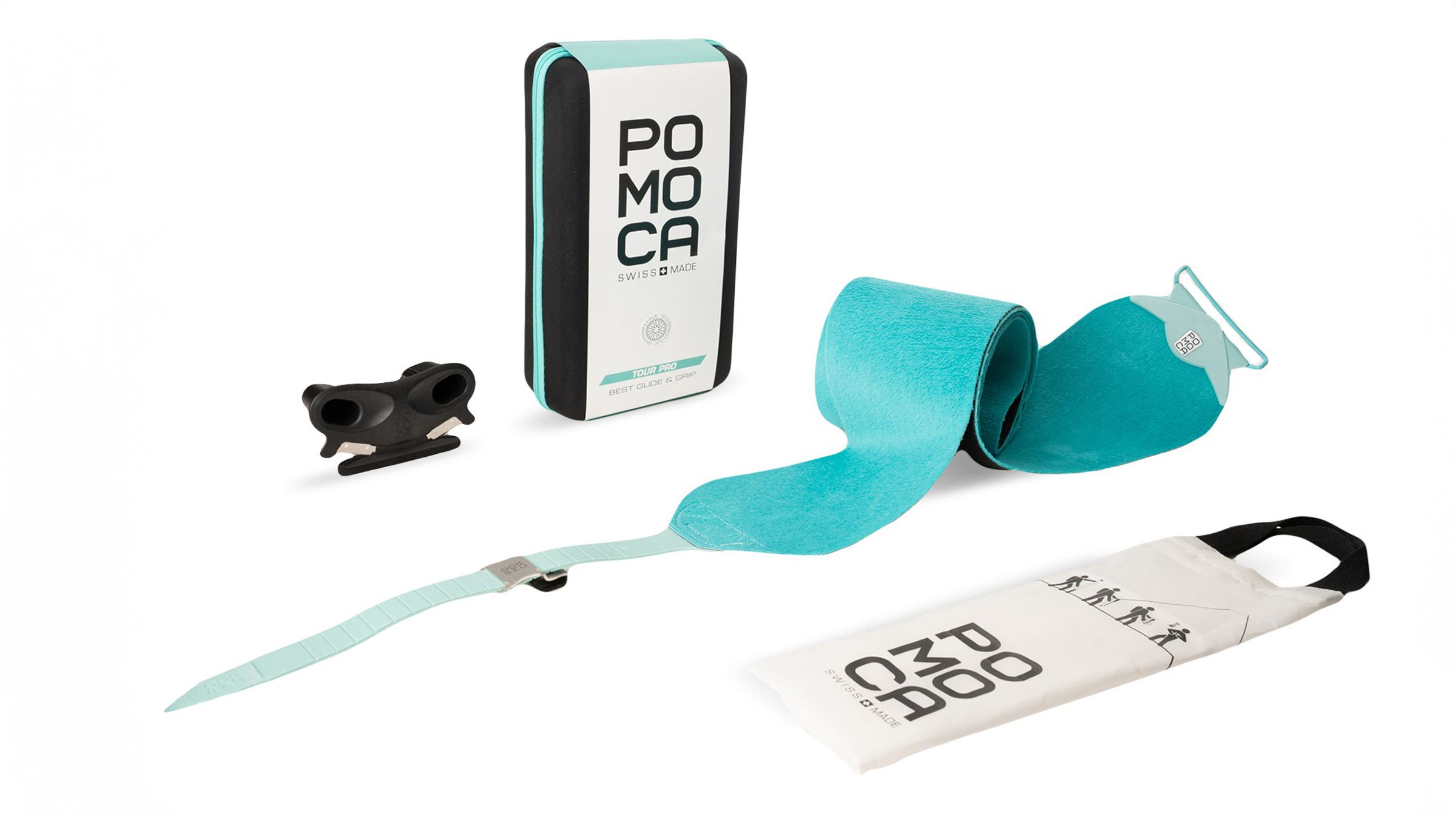
1. Best Climbing Skins Overall: Pomoca Tour Pro
- Fiber Material: 65% mohair, 35% nylon
- Pros: Excellent glide, reliable metal tail clip, high packability
- Cons: Plush requires a brief break-in period
If forced to select a single pair of skins to accompany them on every backcountry objective imaginable, testing experts overwhelmingly chose the Pomoca Tour Pro. Following punishing missions in Grand Teton National Park and quick sidecountry laps out of Jackson Hole, the Tour Pro checked every box.
The standout feature of this iteration is Pomoca’s updated Power Hook metal tail clip, which replaces the brand’s older plastic clips that frequently served as an early point of failure. "Essentially added seasons to the life of these skins," reported one Tetons-based tester. Beneath the surface, Pomoca utilizes a dual-fiber plush layout: grippier nylon blends are positioned along the edges for uncompromised edgehold on refrozen tracks, while mohair-heavy centers maximize glide. Though the plush requires a tour or two to break in, the Tour Pro delivers reliable, everyday touring performance.
2. Best Glide: Atomic MultiFit Bent Chetler
- Fiber Material: 70% mohair, 30% nylon
- Pros: Exceptional glide, super packable
- Cons: Finicky tail clip, difficult to peel apart initially
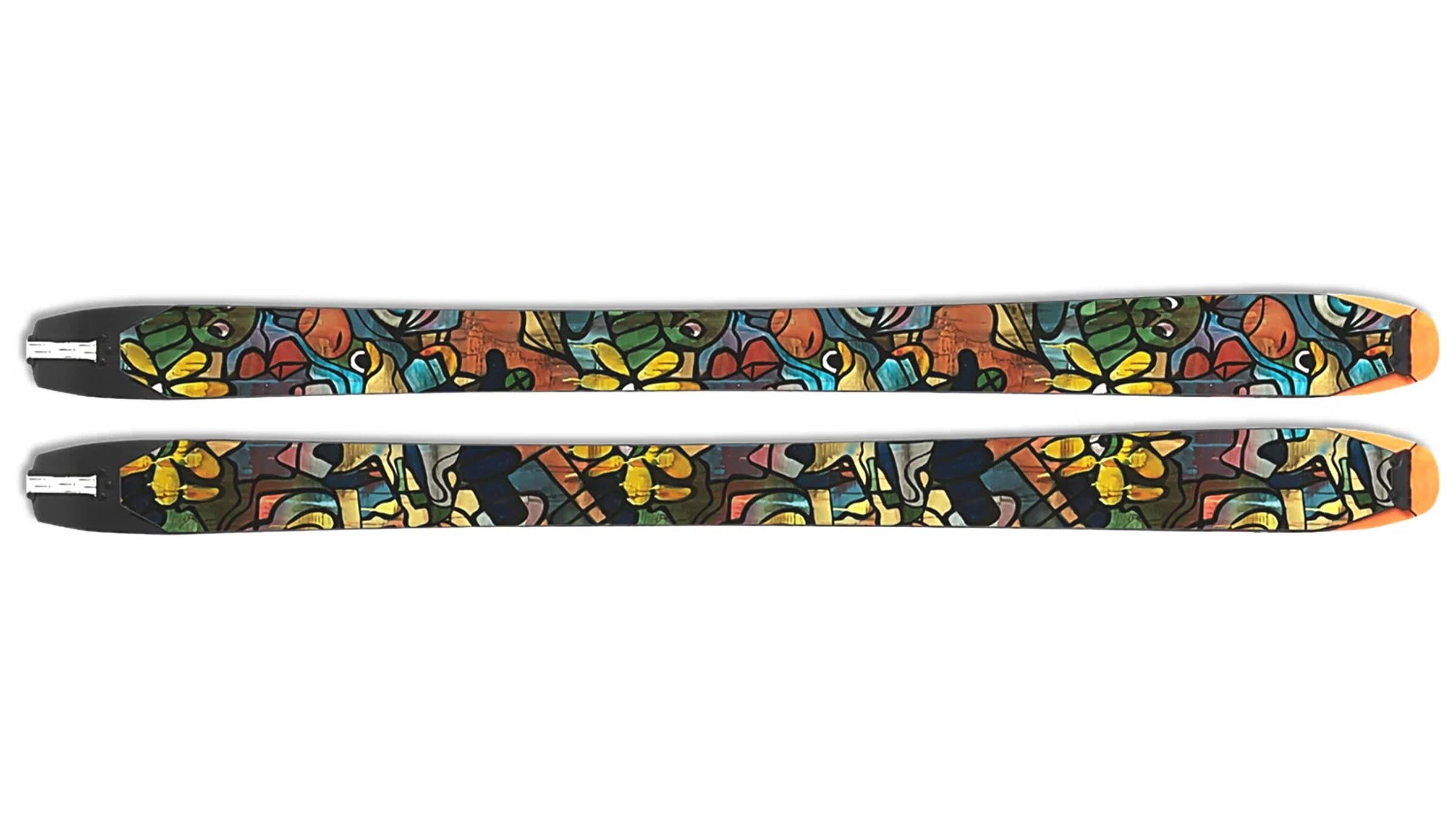
Aesthetics meet elite performance in Atomic’s MultiFit Bent Chetler skins, which showcase vibrant tip-to-tail artwork by professional skier Chris Benchetler. Beyond appearances, the 70/30 mohair-to-nylon blend delivers blistering uphill speed.
After three weeks of ski guiding across a mixed bag of deep powder and variable alpine conditions in Kyrgyzstan, testers praised their rapid glide and compact footprint. Drawbacks include tail clips that some testers found overly bulky and prone to slipping off if not carefully seated, alongside an exceptionally aggressive Hot Melt glue that required significant muscle to pull apart during the first ten tours. Fortunately, the glue leaves zero residue on the ski bases.
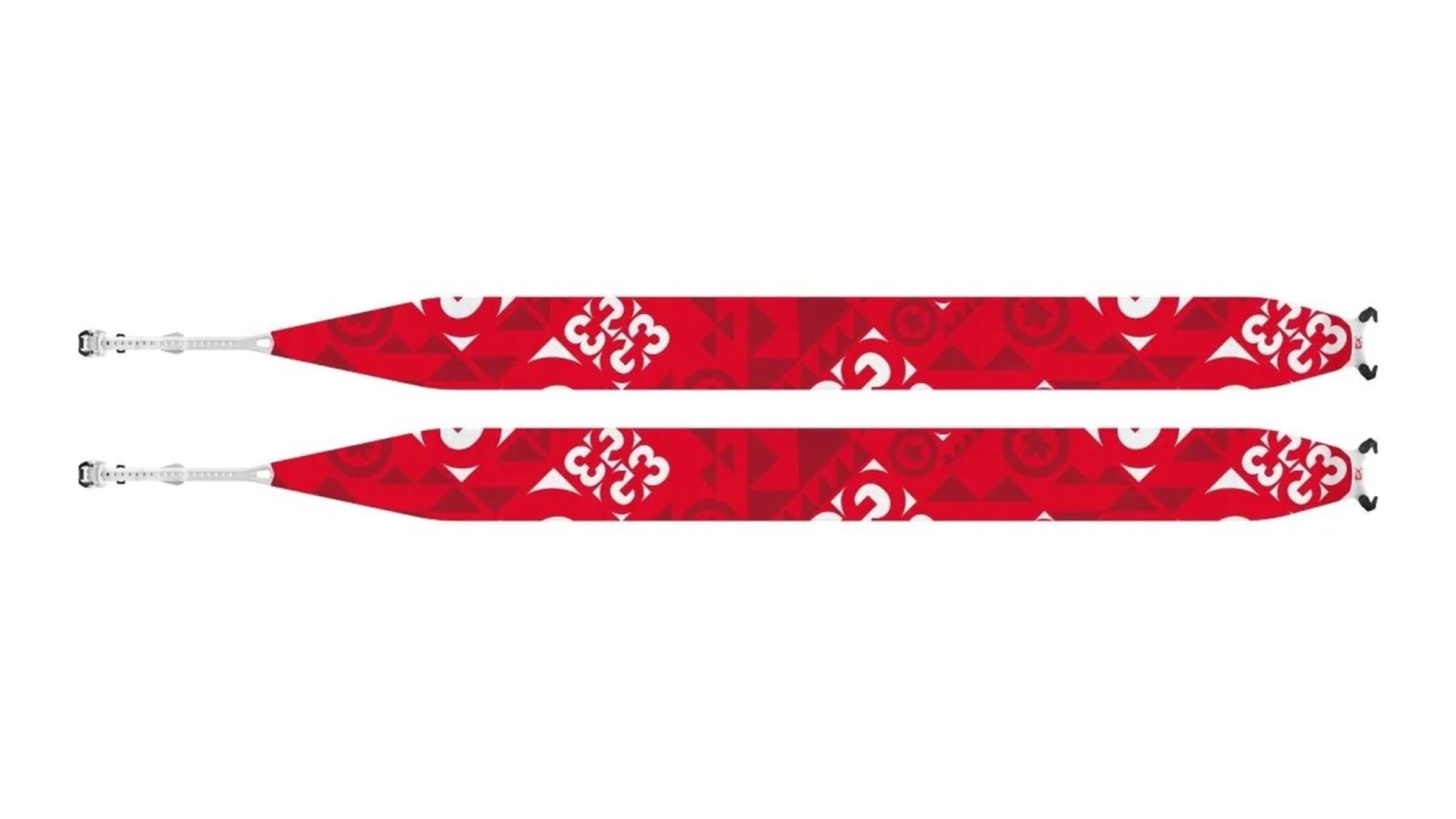
3. Best for Multi-Lap Days: G3 Alpinist Universal
- Fiber Material: 100% nylon
- Pros: Excellent grip, solid glide, zero breakdown in stickiness over multiple laps
- Cons: Glue requires a break-in period
Spring hut trips in British Columbia provide the ultimate proving ground for high-repetition touring. G3’s Alpinist Universal skins were put through the wringer at Blanket Glacier Chalet in the Monashee Mountains, ascending wide-open glaciers and heavy isothermal snow.
G3 completely overhauled its adhesive lineup this season with ChannelBond glue, featuring a vertical channel pattern that concentrates adhesive along the edges to prevent snow contamination. While the glue starts out aggressively sticky, performance stabilized after four or five tours, maintaining the exact same holding power on lap five as it did on lap one.
4. Most Durable: Black Diamond Glidelite Tour
- Fiber Material: 65% mohair, 35% nylon
- Pros: Highly packable, highly durable construction
- Cons: Glue takes a few tours to break in
Replacing the long-running Glidelite Mix, Black Diamond’s Glidelite Tour skins retain the legendary longevity of their predecessors while shedding notable bulk. Testers found the lower-profile design easy to fold and stuff into a jacket pocket for quick transitions.
Equipped with a secure metal tail clip and a wide, reinforced tip loop capable of accommodating everything from fat powder boards to narrow spring skis, the Glidelite Tour proved its worth on Teton Pass. The adhesive requires a brief break-in window, but it represents a massive improvement over older, overly sticky iterations.
5. Most Packable: Kohla Freeride Air Skins
- Fiber Material: 65% mohair, 35% nylon
- Pros: Super packable, reliable glue across varied conditions
- Cons: Less durable plush, middle-of-the-road glide
For skiers prioritizing ultralight packability, the Kohla Freeride Air Skins shine. Their thin construction allows them to fold flat enough to disappear into a jacket pocket without creating uncomfortable bulk against the back.
During a seven-day hut trip in the Selkirks featuring upwards of ten transitions a day, the glue maintained reliable performance. The stretchy rubber tail clip was cited as a seasonal favorite for its effortless on-the-fly adjustability. While glide is merely average and the plush shows noticeable wear after 100 days of hard abuse, these skins remain a top-tier choice for weight-conscious tourers.
Official Industry Responses & Manufacturer Innovations
The 2027 gear cycle highlights a clear industry-wide shift toward solving the two most common consumer complaints regarding climbing skins: premature hardware failure and unmanageable glue adhesion.
- Pomoca’s Hardware Pivot: By transitioning away from vulnerable plastic tail components in favor of robust metal hooks, Pomoca has directly addressed user feedback regarding equipment longevity, significantly reducing field failures.
- G3’s Adhesive Evolution: Recognizing that traditional full-sheet glue tends to degrade quickly under the stress of multi-lap days and snow contamination, G3’s introduction of vertical channel patterns represents a calculated engineering response to maintain edge adhesion without sacrificing user manageability.
- Brand Collaborations (Kohla): Brands like Kohla continue to expand their white-label partnerships with major ski manufacturers (including Head, Faction, and Fischer), providing pre-cut, factory-matched skins that streamline the consumer buying process and eliminate the often-dreaded home-trimming phase.
Implications for Backcountry Skiers
As backcountry skiing continues to surge in popularity, the evolution of skin technology carries significant implications for safety, efficiency, and environmental impact.
- Increased Efficiency and Safety: Modern advancements in mohair-nylon blends and specialized adhesives mean skiers expend less energy on the uphill, reducing fatigue-related accidents and extending safe touring ranges.
- Reduced Gear Waste: By improving hardware durability (such as metal tail clips) and refining glue formulas, manufacturers are actively combating gear obsolescence, allowing recreationalists to invest in products that last multiple demanding seasons.
- Accessibility for Beginners: The expansion of pre-cut, brand-matched skin packages lowers the barrier to entry for newcomers intimidated by the technical aspects of skin maintenance and trimming.
Meet Our Expert Testing Panel
- Lily Ritter: A freelance journalist and ski guide based in Victor, Idaho, Ritter spends her winters exploring Grand Teton National Park and riding lifts at Jackson Hole Mountain Resort. Her work has appeared in The Ski Journal, SKI, Powder, and Freeskier.
- Jake Stern: A writer and editor based in Mammoth Lakes, California, Stern splits his time between boot-fitting, exploring the Eastern Sierra backcountry, and perfecting his artisanal pizza dough.
- Morgan McGonagle: Balancing a career as a professional ski patroller, ski guide, and avalanche educator at Crystal Mountain, Washington, McGonagle works 12 months a year on snow, guiding glaciated volcanos during the summer months.
- Ariel Kazunas: Based in the Teton Range along the Wyoming-Idaho border, Kazunas is a freelance writer, public lands advocate, and backcountry skier who approaches gear testing with a critical eye toward performance and sustainability.

 Pevita Pearce

 Neng Nana

 Layla Zulfa
 Sagoh

 Lina Irawan

 Ammar Sabilarrohman