
 Lina Hope
Published: October 26, 2026
Author: Outdoor Life & Winter Sports Desk
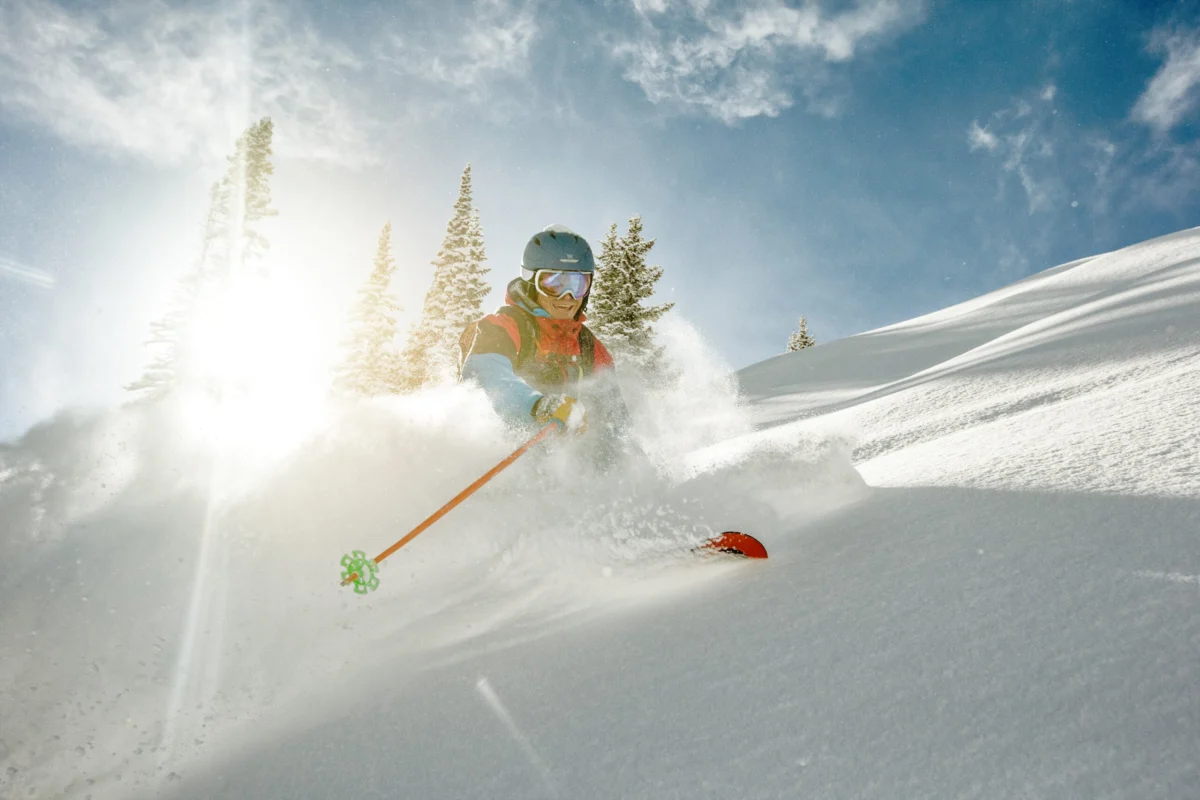
As the scorching dog days of summer fade into crisp autumnal air, a familiar, restless energy takes hold of winter sports enthusiasts across the globe. For skiers, this is simultaneously the most anticipated and most impatient time of the year. The countdown to the first chairlift spinning has officially begun, leaving many daydreaming about deep powder turns, carving corduroy, and the brisk alpine wind.
However, rather than sitting idly by and refreshing weather forecasts in an agonizing loop of anticipation, savvy skiers know that the pre-season is a crucial window of opportunity. Instead of scrambling at the eleventh hour when local ski shops are slammed with holiday rushes and emergency tune-ups, the weeks leading up to the first snowfall are the optimal time to pull your winter arsenal out of storage, evaluate its condition, and execute necessary maintenance.
Ski shops worldwide have already transitioned their floor plans from summer mountain biking to winter operations, firing up tuning machinery and readying bootfitting benches while wait times remain manageable. To ensure your opening day goes off without a hitch—leaving you with nothing to do except load the roof rack and hit the highway—experts recommend following this comprehensive, six-step gear preparation blueprint.
Main Facts: The Pre-Season Readiness Imperative
The transition from off-season storage to the high-performance demands of the mountain requires a systematic approach. According to industry professionals, neglecting early-season maintenance does not just risk equipment failure; it can severely compromise safety, diminish on-hill performance, and lead to exponentially higher repair bills later in the year.
- Shop Early to Avoid Bottlenecks: Local ski shops experience massive influxes of gear as soon as the first flakes fall. Bringing skis and boots in during the early autumn guarantees shorter turnaround times and personalized attention from master technicians.
- The Lifespan of Hardgoods: High-end skis typically have a structural lifespan of 300 to 450 days of aggressive skiing before losing their dynamic pop and structural integrity. Similarly, stock boot liners break down after roughly 60 to 120 days of hard use.
- Safety Equipment Expiration: Helmets degrade over time due to UV exposure, sweat, and minor impacts. Industry standards mandate replacing standard recreational helmets every four to five seasons, or immediately following any significant impact that "rings your bell."
- Apparel Integrity: Modern technical outerwear—especially eco-friendly, PFAS-free durable water repellent (DWR) fabrics—requires proactive cleaning and heat reactivation to maintain waterproof capabilities.
Chronology: A Step-by-Step Pre-Season Action Plan
Navigating your gear prep requires a methodical timeline. By breaking down the process into logical phases, you can eliminate opening-day panic and ensure nothing is left behind in a dark basement corner.
Phase 1: Inventory and Comprehensive Inspection (Head-to-Toe)
The psychological hurdle of ski season preparation begins with simply locating your gear. Nothing ruins the excitement of opening morning quite like tearing through a mudroom in search of a stray glove or discovering that your ski boots were left at a vacation rental back in April.
Experts recommend adopting a strict "shred list" methodology, working methodically from head to toe:
- Helmet and Goggles
- Neck gaiters / Buffs
- Technical Shell Jacket
- Gloves and Mittens
- Ski Pants / Bibs
- Ski Boots
- Skis and Poles
Once every item is accounted for, lay them out in a well-lit area to perform an exhaustive visual and tactile inspection for rips, structural fatigue, or missing components.
Phase 2: Early-Season Shop Visits (Skis and Bindings)
If your equipment requires professional intervention, the time to act is immediately. Otto Gibbons, hardgoods supervisor for Sturtevants Ski Shop in Bellevue, Washington, emphasizes the urgency: "First thing’s first, if you need to stop by your local ski shop, go now before the season starts, and definitely before the holidays."
Inspect your ski bases for deep gouges, core shots (where the fiberglass or wood core is exposed), and base discoloration. Unaddressed core shots allow moisture to seep into the ski, leading to internal delamination and structural failure. Furthermore, inspect the metal edges for rust—a direct consequence of failing to dry skis properly at the end of the previous season—and check the sidewalls for any signs of "blown-out" edges.
Phase 3: The "Cinderella" Boot Check
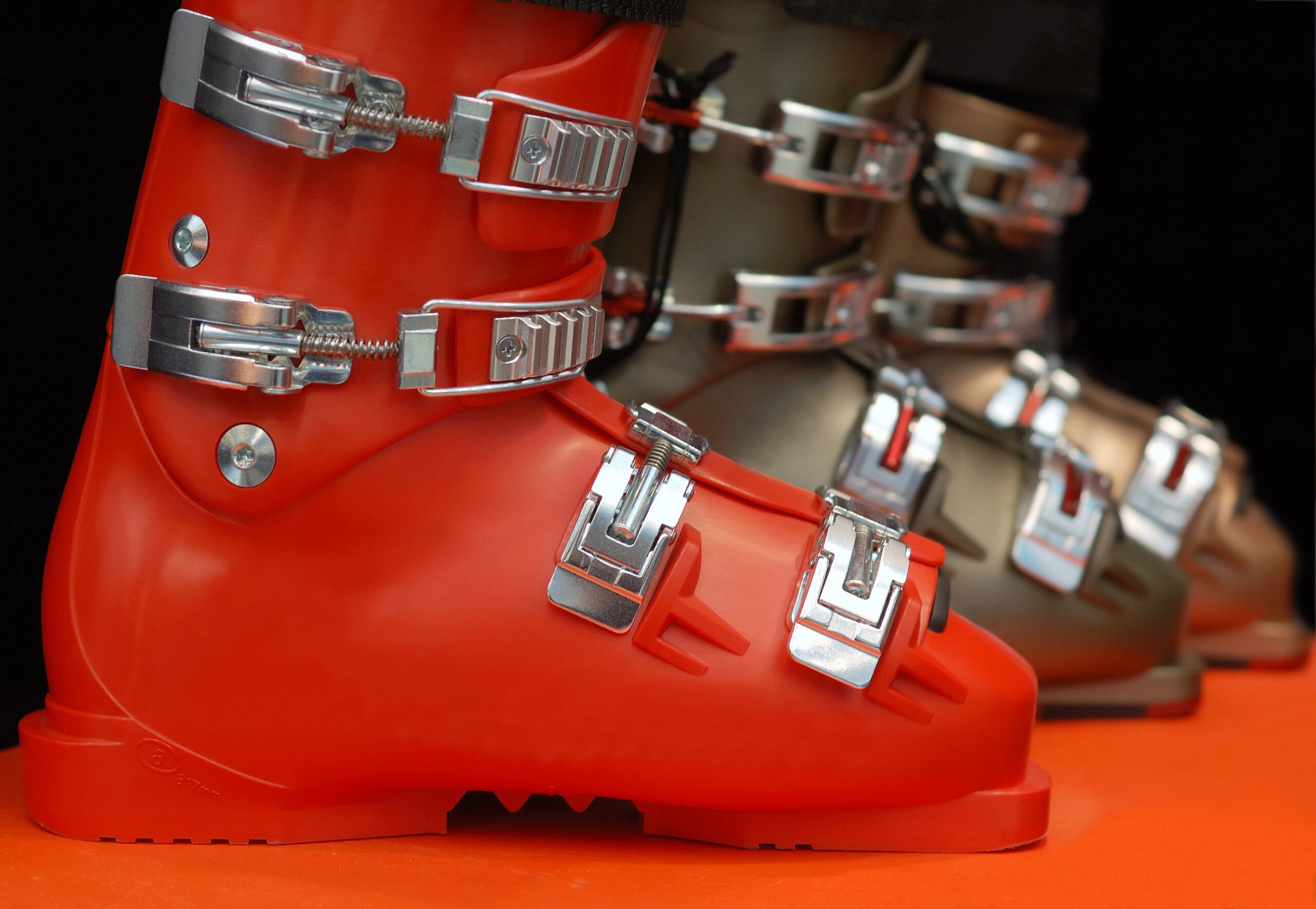
Ski boots are the literal and figurative interface between your body and your skis. Pull them out of storage, check all buckles for functionality, and examine the soles. Walking around concrete base areas at the end of the previous season can grind down plastic lug soles, jeopardizing the release and retention safety mechanisms of your bindings.
Next, perform the "Cinderella" fit test. Slip your feet into your boots to verify that your sizing hasn’t shifted due to age, weight fluctuations, or injuries. Finally, inspect the interior liners for debris, critter nests, or packed-out foam.
Supporting Data: Understanding Gear Longevity and Wear
To make informed decisions on whether to repair or replace gear, skiers must understand the quantifiable metrics of equipment lifecycle degradation.
| Equipment Category | Average Lifespan / Use Limit | Primary Indicators for Replacement |
|---|---|---|
| Alpine Skis | 300 – 400 days on snow | Loss of torsional rigidity ("dead" flex), excessive base thinning, unrepairable core shots. |
| Ski Boots (Shells) | 5 – 8 years | Plastic fatigue, cracked cuffs, severely worn non-replaceable ISO soles. |
| Ski Boots (Liners) | 60 – 120 days | Packed-out foam, excessive heel lift, loss of ankle hold and thermal retention. |
| Ski Helmets | 4 – 5 seasons (or 1 major impact) | Visible shell cracks, frayed chin straps, degraded EPS foam, or any impact resulting in disorientation. |
| Outerwear (DWR Shells) | Variable (Dependent on washing) | Permanent wetting out of face fabric (water no longer beads), extensive delamination of seam tape. |
Official Responses and Expert Insights
Industry leaders and alpine professionals provide critical context on why pre-season maintenance is non-negotiable for safety and optimal performance.
On Ski Maintenance and Base Health
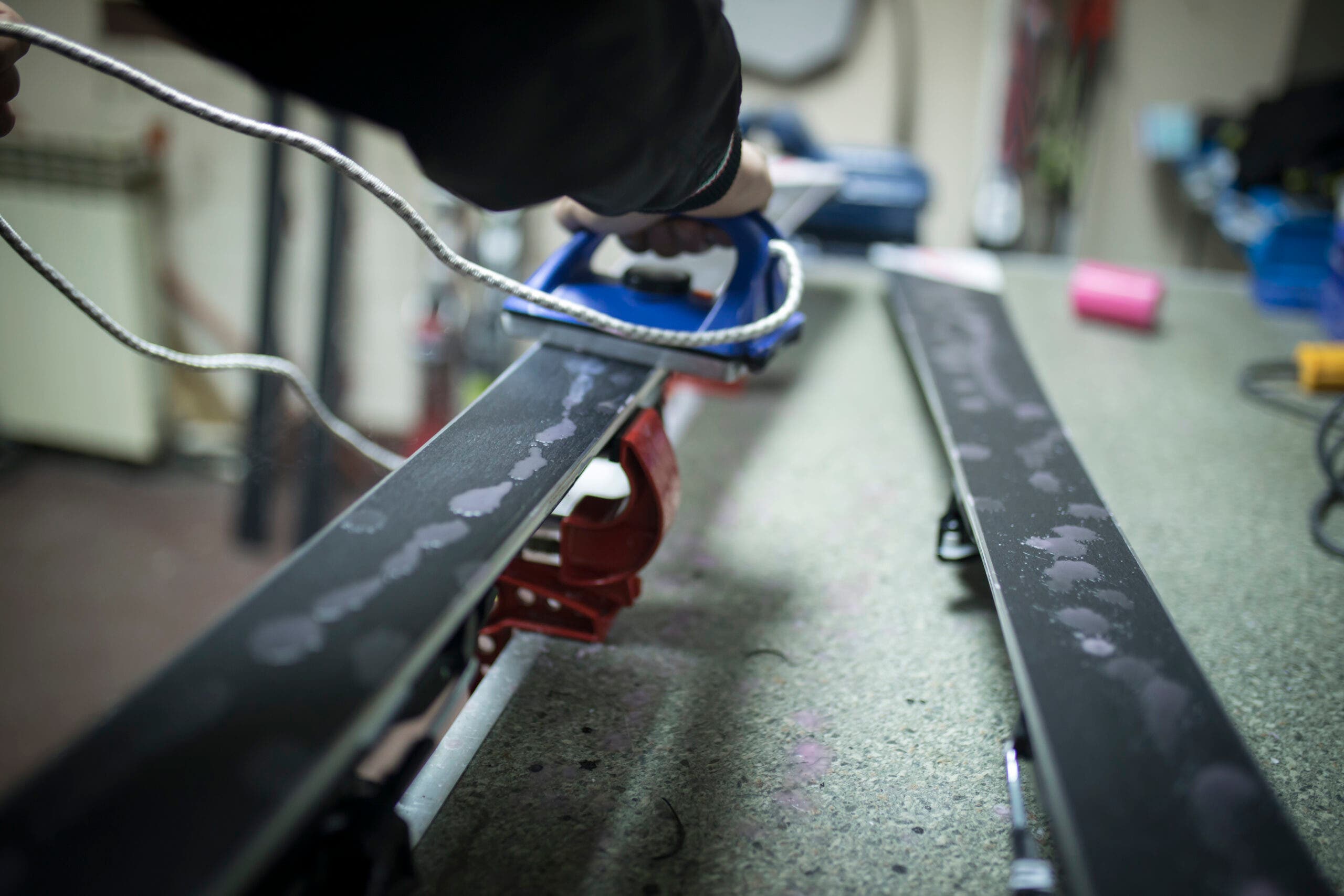
Otto Gibbons of Sturtevants Ski Shop warns against ignoring minor base damage: "Large gouges will also slow you down on the hill and even affect how your ski hooks up at a lower edge angle… Skis should also be regularly waxed to keep the bases hydrated and fast." Without wax, porous P-Tex bases dry out, oxidize, and turn white, drastically reducing glide efficiency and increasing friction.
On New Equipment and Bootfitting Dynamics
Ian Lochhead, head alpine ski coach at the University of Colorado, highlights the nuances of setting up brand-new gear. Addressing skiers who purchased new boots over the summer, Lochhead advises wearing them around the house to identify pressure points.
"You’ll most likely have to get them punched or worked on," Lochhead notes. He urges recreational skiers to prioritize a comfortable, appropriate flex over ultra-rigid race setups. "Ski racers often have boots that are too tight in the toe box, but you need that part of your foot to be able to move so you can be more athletic and control your edges better."
Furthermore, compatibility is paramount. Gibbons cautions that modern boot technologies require matching hardware: "If you got new GripWalk soles on your boots, make sure your skis, including your powder boards, have bindings that are GripWalk compatible, otherwise the binding will not function properly."
On Technical Outerwear and Eco-Friendly Fabrics
Will Dobrowski, materials coordinator for technical apparel brand Stio, addresses the unique maintenance requirements of modern eco-conscious waterproofing. With the widespread adoption of PFAS-free DWR (Durable Water Repellent) treatments, outerwear requires more vigilant upkeep.
"These chemistries are affected more easily by oils and stains, so when the water on the outside of your jacket stops beading up, it’s time for a wash and dry," Dobrowski explains. Contrary to popular belief, heat is the secret weapon for reviving waterproof jackets. "The dryer is actually what reinvigorates your DWR to help water bead more effectively. If you need a quick fix in the morning, throw it in the dryer for 10 minutes on low heat."
On Helmet Safety and Structural Integrity
Jon Jay, North American brand manager for Sweet Protection, stresses that helmets are literal life-saving devices that degrade silently.
"As a rule of thumb, any fall that ‘rings your bell,’ even if you don’t get a concussion, would warrant getting a new helmet," Jay states, comparing it to child car seat safety protocols after a vehicle collision. "Do you really want to risk a more serious injury because of unseen damage? Most modern helmets are built using very technically-engineered plastics, but they will lose strength and rigidity with regular use."
Implications: The Cost of Neglect vs. The Joy of Preparation
Failing to prepare your equipment ahead of the ski season carries tangible consequences. Bringing a neglected setup to the resort on opening day often results in standing in massive repair shop lines, paying premium rush-order fees, or—worse—experiencing a catastrophic equipment failure mid-turn due to a blown binding or unsealed helmet.
Conversely, taking proactive steps during the autumn shoulder season yields immediate dividends:
- Maximized Performance: Freshly tuned edges, structured bases, and properly waxed skis guarantee optimal speed, control, and edge-hold on hard-packed artificial snow or early-season crud.
- Enhanced Safety: Verified DIN settings, uncompromised helmet EPS foam, and fully functional boot soles dramatically reduce the risk of injury.
- Seamless Transition: By eliminating mechanical and logistical hurdles before the snow falls, skiers can focus entirely on what matters most: making those sacred, weightless turns on day one.
Once your gear checklist is thoroughly verified and checked off, there is only one ritual left to complete: fire up your favorite browser tab and refresh your local mountain weather forecast obsessively until the first major winter storm warning finally rolls in.


 Neng Nana

 Pevita Pearce

 Reynand Wu


 Siti Muinah

 Ali Ikhwan

 Ammar Sabilarrohman