
 Reynand Wu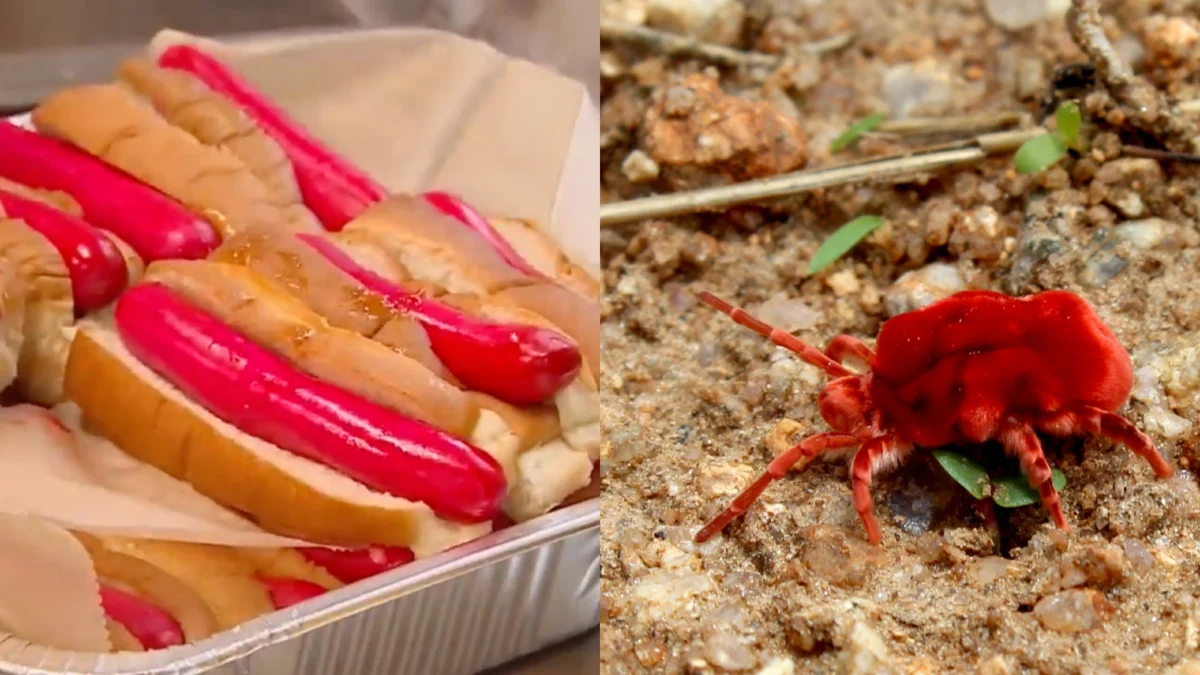
In the world of regional American cuisine, few items are as visually striking or as culturally entrenched as the Maine "red snapper." These vibrant, neon-hued frankfurters—a staple at summer barbecues, roadside stands, and kitchen tables across the Pine Tree State—are defined by their signature snap and their unmistakable, vivid red exterior. However, a significant change is coming to this storied product.
W.A. Bean, the Bangor-based family business that has produced these iconic links for over six generations, has announced a pivot in its manufacturing process. In compliance with evolving federal regulations, the company is phasing out the use of Red Dye 3, a synthetic coloring agent, in favor of a natural alternative: carmine extract, derived from crushed cochineal insects.
The Main Facts: A Regulatory Shift
The impetus for this change stems from a looming federal mandate. The U.S. Food and Drug Administration (FDA) has issued a firm directive requiring all food and beverage manufacturers to discontinue the use of Red Dye 3—a synthetic chemical known chemically as FD&C Red No. 3—by January 15, 2027.
While Red Dye 3 has been a staple in the American food industry for decades, recent studies and growing public scrutiny regarding its potential health impacts have prompted federal regulators to take action. As a result, companies across the nation are scrambling to reformulate their products to ensure compliance before the 2027 deadline. For W.A. Bean, the challenge was unique: how to maintain the intense, iconic aesthetic of the Maine red snapper without relying on the very chemical that provided its namesake glow.
The solution, while unconventional to the uninitiated, is a common practice in the global food industry. Carmine, a pigment derived from the dried bodies of the cochineal (Dactylopius coccus), is a time-tested, FDA-approved natural colorant.
Chronology of a Culinary Tradition
To understand the gravity of this change, one must understand the history of W.A. Bean. Founded in 1864, the company has operated as a pillar of Maine’s food heritage for over 160 years. The "red snapper"—so named for the distinct "snap" of its natural casing—is not merely a hot dog to the people of Maine; it is a cultural artifact.
For generations, the recipe for these sausages has remained largely static. The iconic red color was achieved through the use of synthetic dyes, which were standard in the meat-packing industry throughout the 20th century. As food safety standards evolved, the industry began to shift, but the red snapper remained a holdout of tradition.
The timeline of this transition began in earnest following the FDA’s announcement regarding the ban of Red Dye 3. Recognizing that the clock was ticking, W.A. Bean’s leadership team spent the last year evaluating potential alternatives. They sought a pigment that could withstand the heating and smoking processes required to create a perfect snapper without altering the structural integrity of the casing or the flavor profile of the meat. After rigorous testing, the company finalized the transition to carmine extract in late 2026, positioning the brand to move into the new year with a compliant, reformulated product.
Supporting Data: Understanding Carmine Extract
The transition to carmine extract often triggers questions from consumers unfamiliar with food science. It is important to contextualize what this ingredient is and how it functions within the food supply chain.
Cochineal insects are scale insects native to tropical and subtropical South America and Mexico. They have been harvested for centuries—initially for textiles and paints, and later for food. To create the extract, the insects are harvested, dried, and pulverized into a fine powder. This powder is then treated to isolate the pigment, known as carminic acid.
Contrary to popular misconceptions, the use of insect-derived coloring is not a "hidden" or unusual practice in modern grocery aisles. Carmine is a widely utilized additive found in:
- Dairy Products: Many fruit-flavored yogurts and smoothies use carmine to achieve a vibrant pink or red hue.
- Confectionery: It is frequently used in hard candies, gummies, and jellies to provide a deep red color that resists fading.
- Preserves: Jams, jellies, and fruit fillings often rely on carmine for consistency in color.
- Beverages: Certain fruit-based sodas and juices utilize the extract as a natural alternative to synthetic dyes.
From a nutritional and chemical standpoint, carmine is considered a stable, high-quality pigment. While it is not vegan, it is an animal-derived product that avoids the synthetic chemical profile of FD&C Red No. 3.
Official Responses and Corporate Integrity
The announcement of the switch was handled with transparency by the W.A. Bean leadership, who emphasized the difficulty of balancing modernization with heritage. In a formal press release, the company addressed its customer base directly, framing the move as a necessary evolution of a long-standing family business.
"By making the switch to a natural red color, we’re continuing to evolve our products while staying true to the tradition, quality, and integrity that have defined our family business for more than six generations," the statement read. "The Maine Red Snapper is more than a hot dog—it’s a piece of Maine’s food heritage."
Sean Smith, the Director of Sales at W.A. Bean, provided further reassurance to local consumers who may be concerned about the impact on the product’s legendary "snap." According to Smith, extensive testing has confirmed that there is absolutely no discernible difference in the texture, "pop," or flavor of the frankfurter.
Furthermore, in a move that has been lauded by local consumer advocates, the company has pledged to absorb the additional costs associated with sourcing carmine extract. Despite the fact that natural dyes are significantly more expensive to procure than synthetic chemical alternatives, W.A. Bean has confirmed there will be no price increase for consumers, ensuring that the Maine red snapper remains accessible to the families that have made it a local staple for over a century.
Implications for the Future of Food
The decision by W.A. Bean serves as a microcosm for a broader trend in the American food industry. As the FDA continues to tighten regulations on synthetic additives, manufacturers are being forced to revisit recipes that have been in production for decades.
The Regulatory Landscape
The impending ban on Red Dye 3 is part of a larger, long-term movement to remove artificial additives from the human diet. While the industry is largely supportive of these safety measures, the logistical challenge of replacing decades-old formulas is immense. For smaller, family-owned businesses like W.A. Bean, the pressure to innovate while maintaining the "soul" of the product is particularly high.
Consumer Perception and Transparency
The shift toward natural ingredients often creates a PR challenge for companies. There is a "gross-out" factor associated with the realization that food coloring comes from insects. However, food scientists argue that the transparency of using natural sources—even insects—is superior to the ambiguity of synthetic chemical additives. By being upfront about the use of carmine, W.A. Bean is participating in a wider societal shift toward ingredient transparency, encouraging consumers to look at labels with a more critical, educated eye.
Preserving Regional Identities
The ultimate implication of this story is the tension between modern food safety and the preservation of regional identity. The Maine red snapper is a regional symbol, much like Chicago-style deep-dish pizza or a Philly cheesesteak. When these products are altered, it can feel like a loss of cultural history. By ensuring the taste and texture remain identical, W.A. Bean is demonstrating that it is possible to uphold tradition through innovation.
Conclusion
As we move toward the January 2027 deadline, the case of the W.A. Bean red snapper serves as a reminder that the food on our plates is a constantly evolving tapestry. While the shift from a synthetic chemical to an insect-based extract might seem like a drastic departure, it is, in reality, a return to natural sources.
For the people of Maine, the "snap" remains. The color remains. And as W.A. Bean has proven, a commitment to quality can survive even the most significant regulatory shifts. As the company continues to serve its iconic frankfurters to a new generation of Mainers, it does so with the confidence that it has protected its legacy, satisfied the regulators, and, most importantly, kept the tradition of the red snapper alive and well for the future.


 rifanmuazin
 Dwi Wanna

 Pevita Pearce
 Laily UPN

 Siti Muinah