
 Laily UPN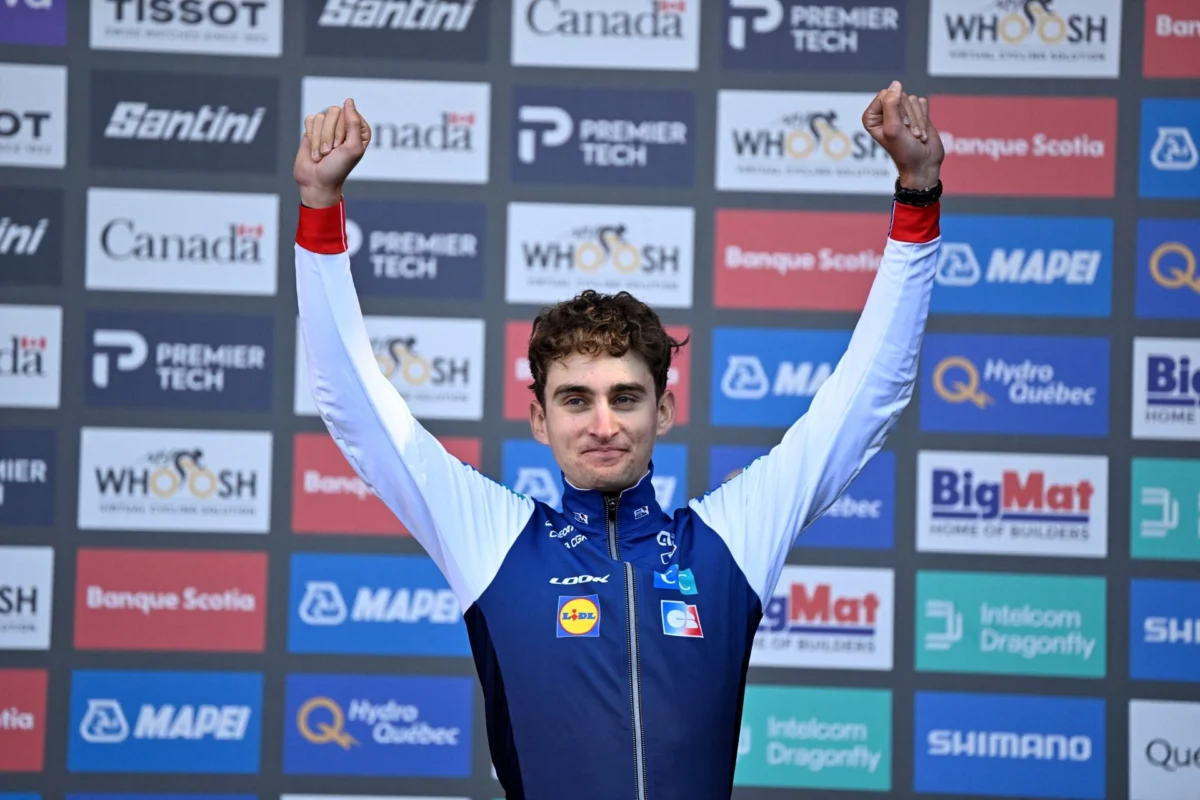
By Cyclingnews Reporting Desk
Main Facts
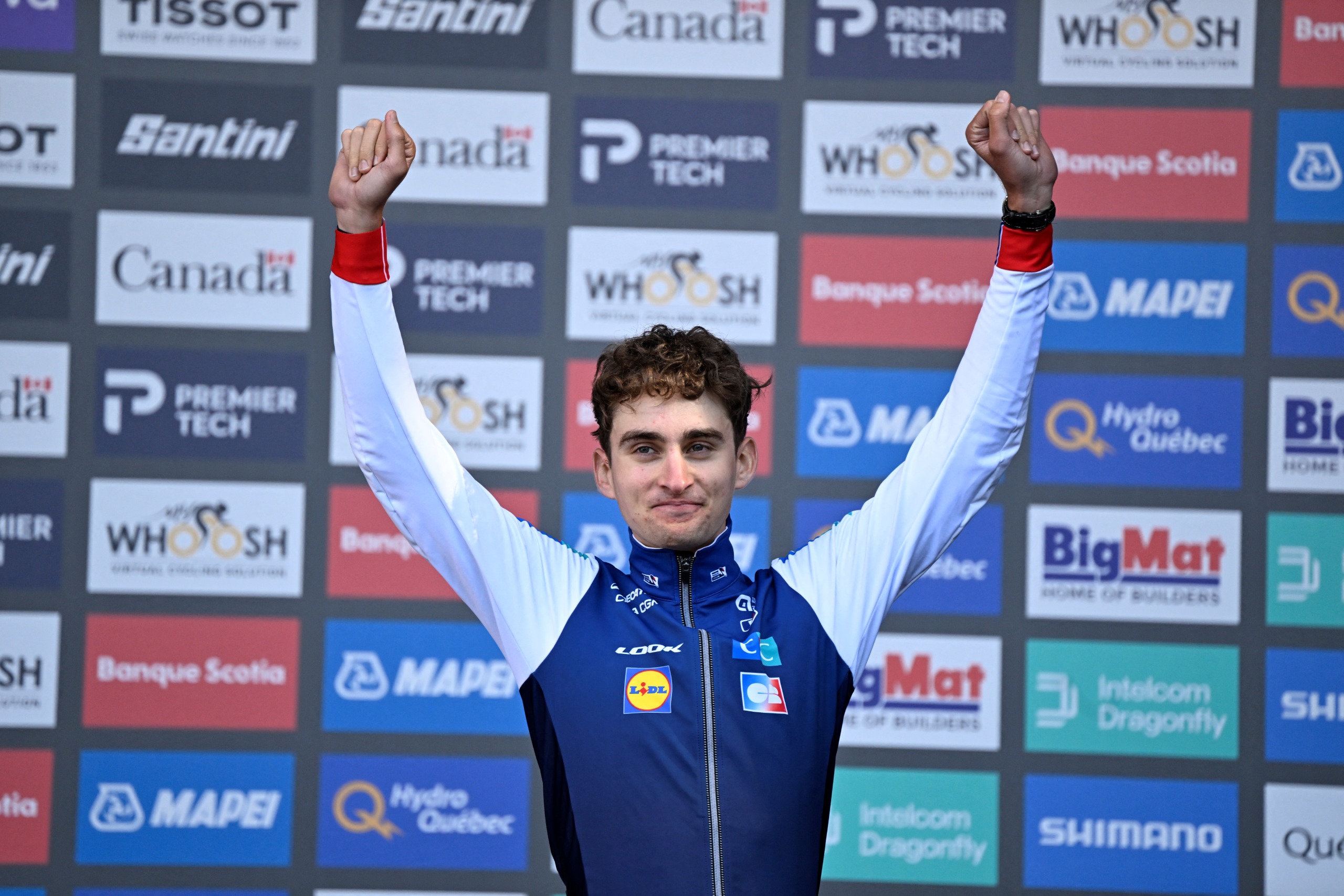
The 2026 UCI Road World Championships delivered a historic moment for French cycling as 19-year-old sensation Paul Seixas claimed the bronze medal in the elite men’s individual time trial. Competing in his very first elite-level time trial at a World Championship, the young Frenchman put on a masterclass of pacing and aerodynamic efficiency against a star-studded field.
Seixas crossed the finish line to secure the final spot on the podium, finishing just 1 minute and 13 seconds behind Belgium’s Remco Evenepoel, who clinched his fourth career world title in the discipline. Italian powerhouse Filippo Ganna secured the silver medal, holding off the hard-charging Frenchman by a mere 16 seconds.
This breakthrough performance marks a monumental milestone in Seixas’s rapidly accelerating career. Currently navigating his second neo-pro season in the WorldTour, the 19-year-old—who celebrates his 20th birthday just ahead of Sunday’s elite men’s road race—has officially announced himself as a multi-disciplinary threat capable of competing at the absolute highest tier of professional cycling.
Chronology of the Race
The elite men’s time trial at the 2026 World Championships was billed as a high-stakes battle of attrition, technical precision, and raw horsepower. Early starters set a rapid benchmark, but all eyes quickly turned to the marquee names rolling down the start ramp as the afternoon progressed.
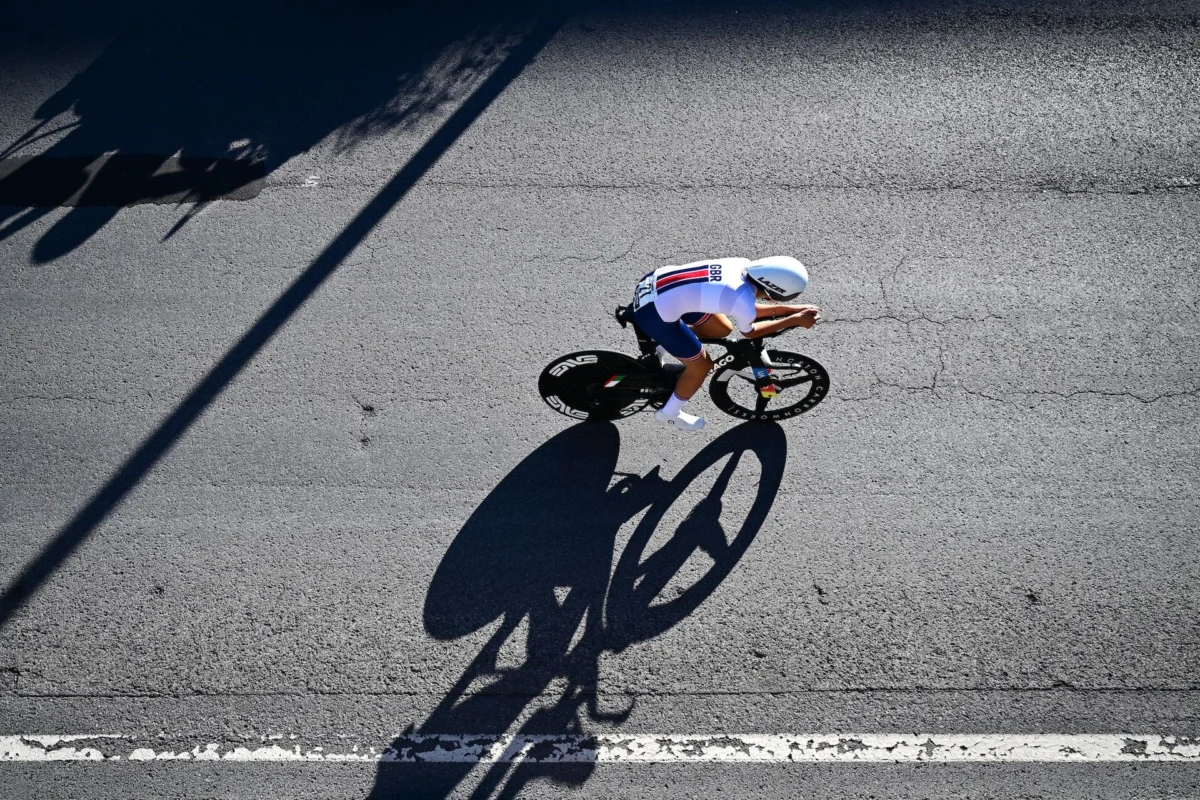
As a relative newcomer to the elite time-trial discipline, Paul Seixas rolled out with low external expectations but immense internal ambition. Operating under the guidance of his national team coaches, Seixas executed a perfectly paced opening split. Rather than blowing up in the initial kilometers—a common trap for young riders facing the grueling championship distance—the Frenchman maintained a smooth, metronomic rhythm through the intermediate checkpoints.
By the midway point of the course, live timing screens flashed a surprise: Seixas was not merely holding his own against seasoned WorldTour veterans; he was actively contending for a medal. As the heavy hitters began to filter in, Remco Evenepoel demonstrated his unmatched mastery against the clock, dominating the splits and ultimately securing the gold jersey with a commanding ride.
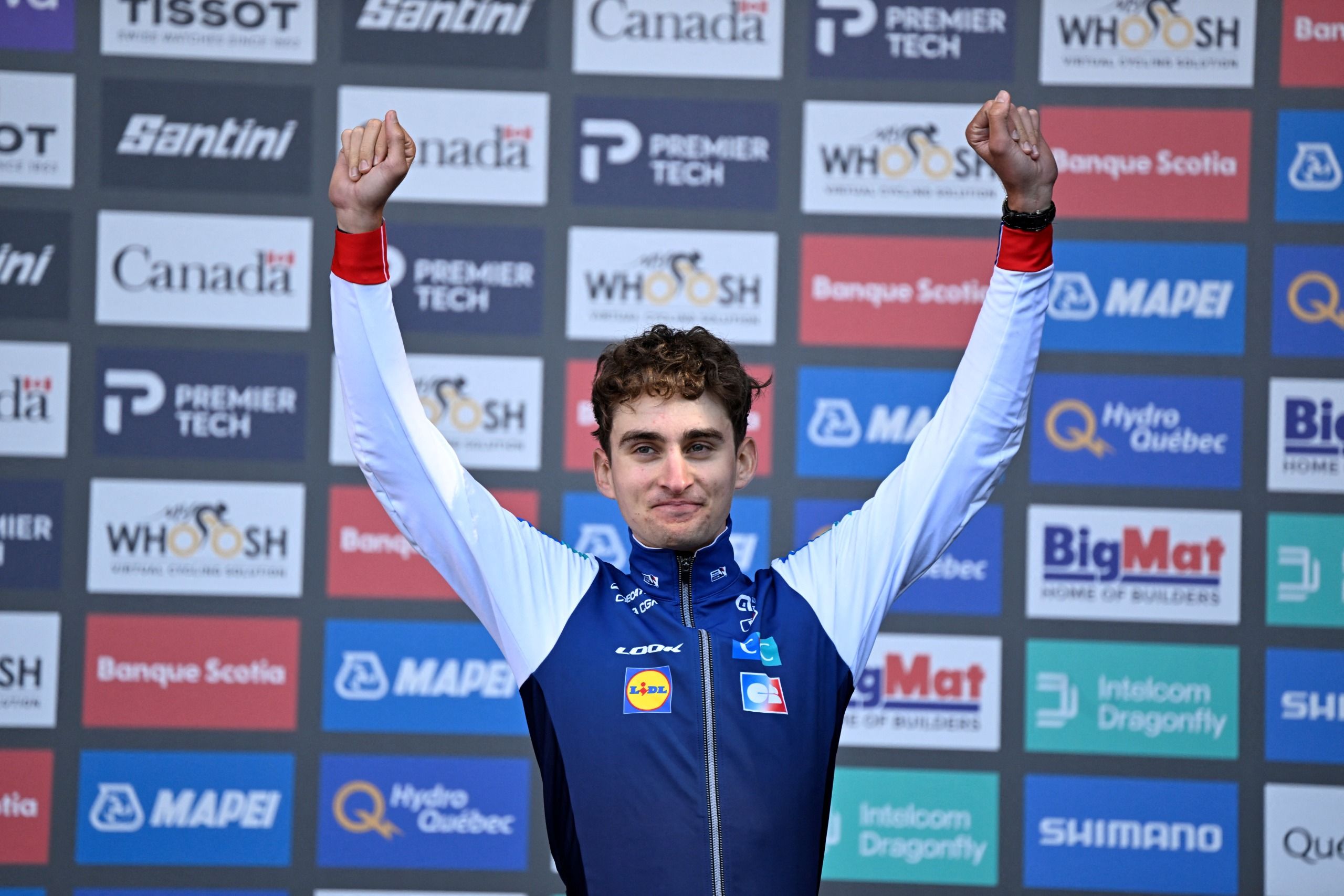
Behind Evenepoel, the battle for the remaining podium steps intensified. Filippo Ganna, a former world champion and undisputed specialist in the discipline, hammered through the final sectors to lock down the silver medal. However, all attention soon pivoted to the teenage Frenchman charging toward the line. Seixas dug deep into his reserves during the punishing final kilometers, preserving his aerodynamic tuck and cadence to stop the clock and secure a sensational bronze medal, stunning cycling pundits and fans alike.
Supporting Data and Rider Profiles
To truly understand the magnitude of Paul Seixas’s achievement, one must examine the elite company he kept on the podium:
- Gold Medalist: Remco Evenepoel (Belgium) – 4-time World Time Trial Champion. Evenepoel’s victory solidified his status as the premier chrono-man of his generation, navigating the course with peerless speed and power.
- Silver Medalist: Filippo Ganna (Italy) – Multi-time world champion and hour-record holder. Ganna’s brute strength nearly carried him to gold, ultimately fending off Seixas by a scant 16 seconds.
- Bronze Medalist: Paul Seixas (France) – 19-year-old neo-pro. By finishing just 1:13 behind Evenepoel and 16 seconds behind Ganna, Seixas proved that his physiological output matches the best time-trialists on earth.
Seixas’s trajectory in the professional ranks has been nothing short of meteoric. In his second season as a WorldTour professional, he has consistently adapted to the physical and tactical demands of top-tier racing. Known initially as an explosive climber and a dynamic one-day racer, his newly demonstrated prowess against the clock transforms him into a complete general classification (GC) contender for future Grand Tours. Furthermore, entering the elite World Championships and immediately meddling with established specialists highlights a generational talent whose ceiling remains entirely undefined.
Official Responses and Reactions
The cycling world erupted in praise following Seixas’s podium finish, with fellow competitors, team directors, and national coaches expressing awe at the teenager’s composure and maturity.
French national team performance staff noted that Seixas’s preparation meticulously targeted aerodynamic optimization and pacing strategies tailored to the specific demands of the 2026 course. "We knew Paul had extraordinary physical capacities, but translating that into an elite world championship time trial against the likes of Evenepoel and Ganna requires a rare level of psychological fortitude," a team spokesperson remarked. "He didn’t race like a 19-year-old; he raced like a seasoned champion."
Remco Evenepoel, speaking in the post-race press conference, acknowledged the shifting landscape of the sport. "The young generation is coming up extremely fast, and Paul is a massive talent. To see someone of his age step into the elite category and immediately ride onto the podium is deeply impressive. It keeps us all on our toes."
Filippo Ganna similarly praised the Frenchman’s tenacity in the closing kilometers, noting that the battle for silver required every ounce of his remaining energy. "I could feel the pressure from behind in the final part of the course. He [Seixas] rode a brilliant race, very clean and very fast."
Implications for the Future
Paul Seixas’s historic bronze medal carries profound implications for both his personal career and the broader landscape of professional road cycling.
1. The Rise of the Multi-Disciplinary Phenom
Modern cycling increasingly rewards riders who can excel across multiple disciplines—climbing, sprinting, and time-trialling. By proving he can immediately contend with world-class specialists against the clock, Seixas has elevated his status from a promising climbing talent to a bonafide future Grand Tour contender. Teams and analysts are already projecting his potential as a future yellow-jersey threat at the Tour de France, where elite time-trialling is an absolute prerequisite.
2. Momentum Heading into the Road Race
Beyond the time trial, Seixas’s immediate focus shifts to Sunday’s elite men’s road race. Turning 20 just days before the event, he enters the peloton riding a massive wave of confidence and carrying the full backing of the French national squad. While leadership roles will be carefully managed within the team, rivals will undoubtedly mark Seixas as a dangerous outsider capable of seizing opportunities on a demanding course.
3. A Shift in the WorldTour Power Dynamics
The 2026 World Championships are rapidly cementing a changing of the guard in professional cycling. As teenage and early-twenties prodigies routinely bypass the traditional multi-year apprenticeship period to win at the highest level, established veterans face unprecedented pressure. Seixas’s podium finish serves as a loud declaration that the future of French—and international—cycling has arrived, and it is younger, faster, and more versatile than ever before.
As the cycling world turns its attention toward Sunday’s road race climax, all eyes will remain locked on Paul Seixas to see if the teenage sensation can cap off an unforgettable week with yet another historic chapter.

 Muslim
 Sagoh
Sagoh
 Iffa Jayyana
 Ali Ikhwan
 Jia Lissa
 Neng Nana
 Dwi Wanna