
 Evan Lee Salim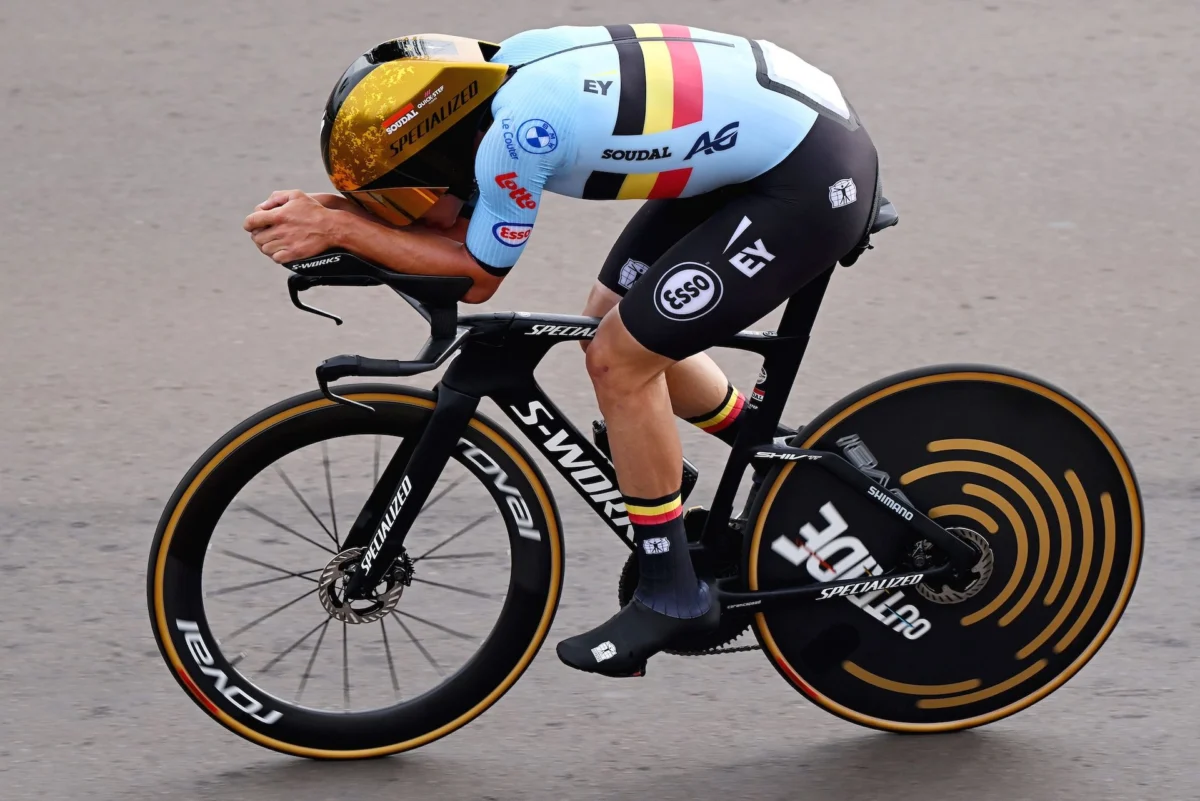
MONTREAL — The global cycling spotlight turns sharply toward North America this September as the city of Montreal officially prepares to welcome the world’s elite time-trial specialists. The 99th edition of the prestigious UCI Road World Championships kicks off on Sunday, September 20, opening with a fiercely contested pair of races: the elite women’s and men’s individual time trials.
As cycling federations finalize their rosters and athletes put the finishing touches on their aerodynamic setups, anticipation is reaching a fever pitch. The stage is set for a historic day of racing across a demanding, technical course that promises to test every facet of a rider’s physical and mental limits.
Main Facts: The Battle Against the Clock in Montreal
The opening day of the 99th UCI Road World Championships will see the world’s premier cyclists face an identical, highly strategic 39.9-kilometer test against the clock. In a continued commitment to parity within the sport, the elite women and elite men will tackle the exact same course layout, highlighting the sport’s ongoing evolution toward equal racing distances and unified platforms.
The route has been meticulously designed to showcase the vibrant cityscape of Montreal while demanding absolute precision from the competitors. Featuring a modest yet deceptive 195 meters of total elevation gain, the course is far from a pure, flat power-uisne. Instead, it rewards pacing mastery, aerodynamic efficiency, and tactical cleverness on the technical bends.
The race itinerary breaks down into several key phases:
- The Start and Descent: The race kicks off with a rapid, short downhill section that will immediately force riders to find their rhythm and test their bike-handling confidence at high speeds.
- The Flat Expanses: Competitors will navigate the iconic Gilles-Villeneuve Circuit and sweep through Parc Jean-Drapeau, settling into extended flat sections where pure powerhouses can stretch their legs and push terrifyingly high velocities.
- The City Transit: Riders will cross the historic Concorde Bridge, transitioning from the parklands directly into the pulsing heart of downtown Montreal.
- The Sting in the Tail: The ultimate test arrives in the final kilometers. The course features a punishing 400-meter punchy climb averaging a 6.1% gradient. This late-race obstacle arrives when legs are already screaming with lactic acid, setting the stage for dramatic last-minute time gains or heartbreaking collapses right before the finish line.
- The Finish: The race concludes with a flat-out drag to the line located at the scenic Parc Jeanne-Mance.
Chronology: The Journey to Montreal 2025
Bringing the UCI Road World Championships back to North America, and specifically to Montreal, is the culmination of years of rigorous planning, logistical coordination, and sporting heritage.
Historical Context and Bidding
Montreal is no stranger to world-class cycling. The city holds a storied place in international cycling lore, most notably having hosted the World Championships back in 1974—where the legendary Eddy Merckx claimed his historic rainbow jersey on a grueling circuit. Decades later, the annual Grand Prix Cycliste de Montréal firmly established the city as a beloved, tactically challenging stop on the UCI WorldTour calendar.
When the UCI awarded the 2025 World Championships to Montreal, it marked a triumphant return of the rainbow jersey spectacles to Canadian soil. The organizing committee, in collaboration with municipal authorities and cycling stakeholders, spent the subsequent years designing a course that honors the city’s rich cycling tradition while meeting modern television and safety standards.
The Buildup: Season-Long Qualification and Preparation
The path to the start ramp on September 20 has been a grueling 10-month journey for the world’s best athletes. Qualification metrics, national federation selections, and targeted preparation camps have dominated the professional peloton throughout the 2025 season.
- Spring Classics and Grand Tours: Riders utilized early-season stage races and Grand Tours like the Giro d’Italia and Tour de France to hone their time-trial capabilities. Specialized aerodynamic testing sessions in wind tunnels across Europe became standard protocol for top contenders aiming for gold in Montreal.
- The Pre-Worlds Warmups: In the weeks immediately preceding the championships, athletes fine-tuned their form at late-summer races, carefully managing fatigue to peak precisely on September 20.
- Course Reconnaissance: Teams began arriving in Quebec weeks in advance to inspect the 39.9-kilometer route. Coaches and aerodynamicists analyzed every corner of the Gilles-Villeneuve Circuit and mapped out precise gear selections for the pivotal Parc Jeanne-Mance climb.
Supporting Data: Course Metrics and Historical Precedents
To truly understand how the elite men and women will approach the opening day of the 2025 World Championships, one must examine the hard data governing the Montreal circuit.
Course Specifications at a Glance
- Total Distance: 39.9 kilometers (identical for both Elite Men and Elite Women)
- Total Elevation Gain: 195 meters
- Key Technical Zones: Gilles-Villeneuve Circuit, Parc Jean-Drapeau, Concorde Bridge transit
- Decisive Climax: 400-meter climb at an average gradient of 6.1%
- Finish Location: Parc Jeanne-Mance
Historical Context: Defending Titles and Recent Champions
The individual time trial at the World Championships remains one of the most prestigious and fiercely guarded titles in professional cycling.
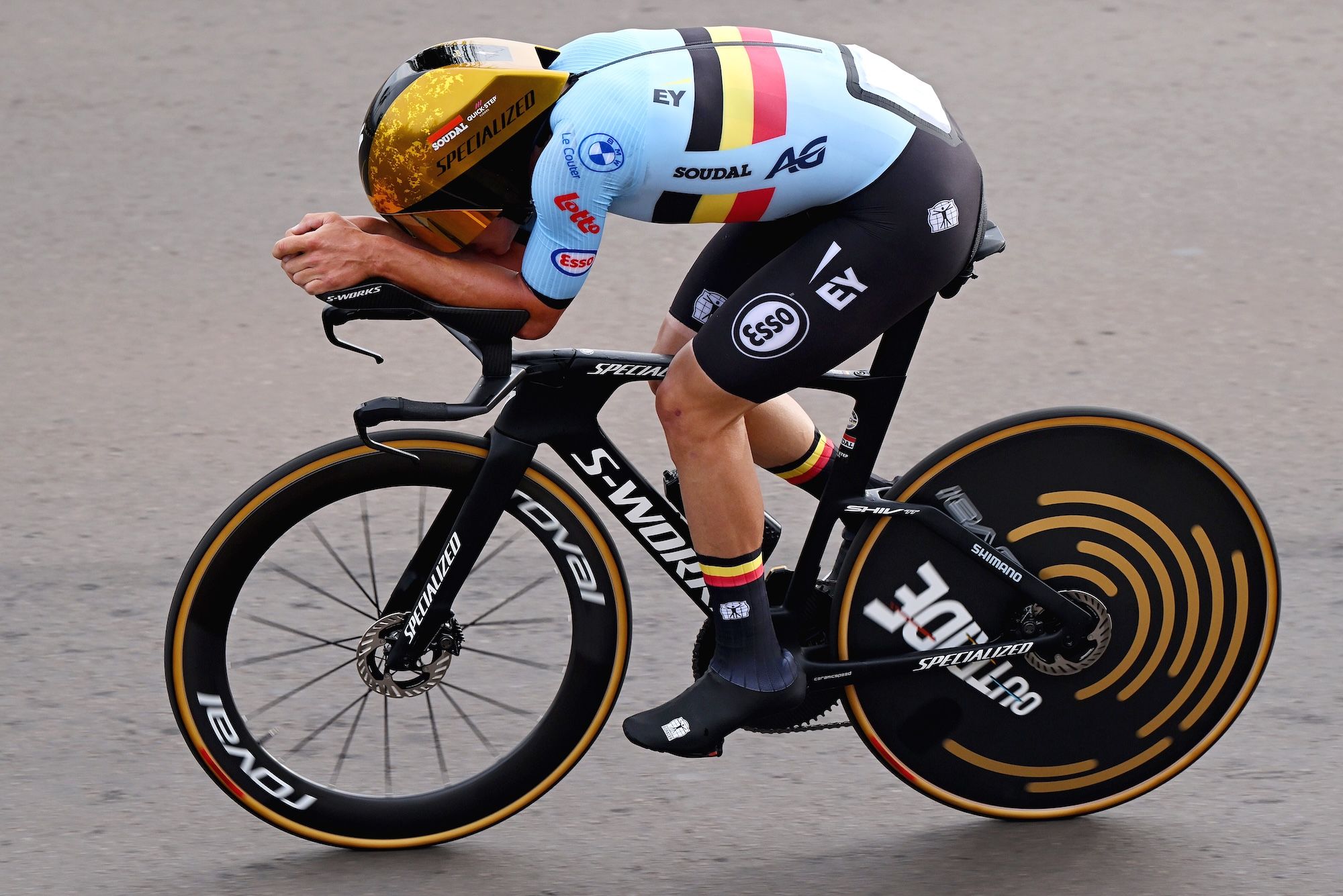
Looking back at recent iterations—such as the dramatic battles at the 2025 UCI Road World Championships in Kigali, Rwanda, where riders like Belgium’s Remco Evenepoel cemented their legendary status against the clock—the standard of time-trial racing has never been higher. The integration of cutting-edge technology, highly specialized nutrition strategies, and advanced aerodynamic modeling means margins of victory are often measured in mere fractions of a second.
In the women’s division, the depth of international talent has exploded over recent cycles. The absence of long, grinding mountain passes on the Montreal course shifts the favor slightly toward powerful rouleurs who can sustain high watts over rolling terrain, though the late-race climb ensures that punchy climbers who excel against the clock will also factor heavily into the podium discussions.
Official Responses and Stakeholder Perspectives
The significance of hosting the 99th World Championships has drawn enthusiastic commentary from sporting officials, local organizers, and cycling legends alike.
"Bringing the UCI Road World Championships back to Montreal is a monumental celebration of our sport’s global reach," noted a representative from the local organizing committee during a recent press briefing. "This course honors the historic cycling culture of Quebec while offering a modern, dynamic test that will challenge the absolute best athletes in the world. Fans lining the Gilles-Villeneuve Circuit and the final climb at Parc Jeanne-Mance are in for an unforgettable spectacle."
International cycling analysts have similarly praised the route design for its balance of high-speed power sections and tactical pitfalls.
"It’s a course that does not forgive complacency," shared one veteran pro-cycling journalist and North American racing historian. "You can’t just put your head down and engine-room your way through 39 kilometers. The transition over the Concorde Bridge into the city centre, combined with that late 400-meter kick at 6% gradient, means the winner won’t just be the strongest rider—it will be the smartest tactician who saved just enough petrol for the final ascent to the line."
National federations have echoed these sentiments, emphasizing that the parity in course distance for men and women represents a vital step forward for the sport’s visibility and prestige.
Implications: What Montreal 2025 Means for the Future of Cycling
The opening day of the 2025 UCI Road World Championships carries implications that extend far beyond the immediate awarding of the rainbow jerseys.
1. The Elevation of North American Cycling
Hosting a championship of this magnitude on North American soil provides a massive catalyst for grassroots development and regional enthusiasm. For a continent with a rich, albeit sometimes underrepresented, professional racing heritage, seeing the world’s elite battle on the streets of Montreal inspires a new generation of cyclists, fans, and race organizers.
2. Technological and Aerodynamic Evolution
The race against the clock is inherently a technological arms race. The data gathered, equipment tested, and aerodynamic breakthroughs witnessed on the Montreal course will inevitably trickle down to commercial cycling markets. Manufacturers closely monitor how specialized TT bikes, integrated cockpit designs, and lightweight climbing-aerodynamic hybrids perform on mixed-terrain courses like the one in Quebec.
3. Setting the Tone for the Week
As the very first gold medals awarded at the 99th Worlds, the individual time trials set an immediate psychological benchmark for the rest of the week’s events. Nations that secure early rainbow jerseys will gain invaluable momentum, confidence, and tactical authority heading into the upcoming road races, team relays, and junior categories.
When the first rider rolls down the start ramp on Sunday, September 20, months of intense preparation, scientific refinement, and national pride will culminate in a breathless race against the clock. Montreal is ready. The world’s best are primed. The battle for the rainbow stripes has officially begun.

 Asro
Asro
 Nana
Nana
 Layla Zulfa
 Nila Kartika Wati
 Nana Wu
 Neng Nana
 Ali Ikhwan