 Basiran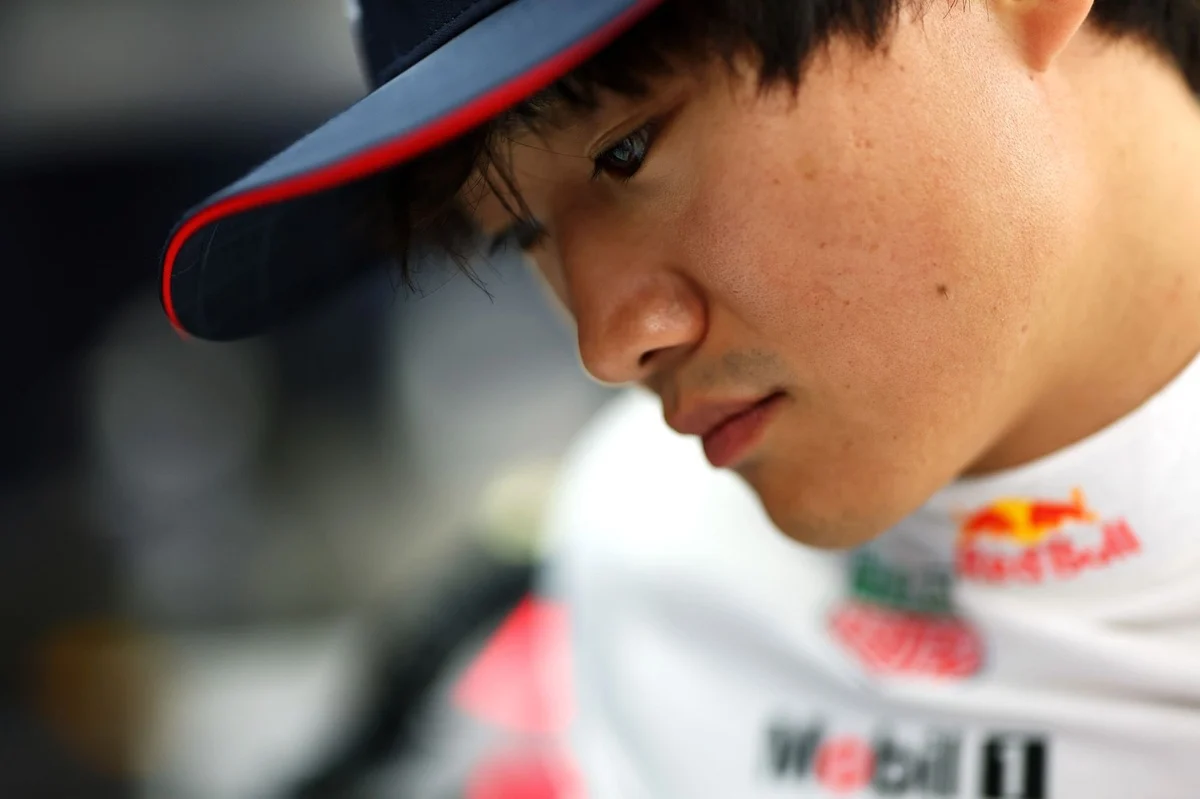
Introduction: The Red Bull Second-Seat Curse
In the modern era of Formula 1, few sporting challenges have carried a psychological and professional toll quite as heavy as driving the second car at Red Bull Racing. Long before the regulatory shifts of 2026, the Milton Keynes-based outfit’s secondary cockpit earned a notorious reputation as a career-shaping crucible—and occasionally, a graveyard for immense talent.
Pierre Gasly, Alexander Albon, Sergio Perez, and Liam Lawson all stepped into the pressure cooker alongside Max Verstappen. Regardless of the length of their respective stints—ranging from Perez’s enduring four-year campaign to Lawson’s abrupt two-grand-prix audition at the dawn of 2025—each driver ultimately struggled to match the extraterrestrial pace of the Dutch maestro. For many, the relentless telemetry comparisons, public scrutiny, and internal pressures bled heavily into their mental well-being.
By the mid-point of the 2025 season, the baton of adversity was handed to Yuki Tsunoda. Plucked from Racing Bulls with a nearly full campaign ahead of him to prove his worth, the Japanese driver faced an uphill battle from day one. He was forced to jump directly into the RB21 without a single prior lap of testing. The result was a punishing campaign that saw Tsunoda battle desperately for performance, ultimately finishing a subdued 17th in the Drivers’ World Championship, while Verstappen narrowly missed out on the world title by a razor-thin two-point margin.
Chronology of a Crisis: Tsunoda’s 2025 Rollercoaster
The timeline of Tsunoda’s 2025 season is a masterclass in motorsport trial-by-fire. When the midseason team switch was announced, Tsunoda was thrust into an unfamiliar engineering environment. The RB21 was notoriously tailored around Verstappen’s unique, razor-sharp front-end handling preferences—a characteristic that has historically undone many who tried to adapt to it.
As the European leg transitioned into the grueling autumn triple-headers, Tsunoda’s trademark resilience began to fracture. Speaking candidly on the Beyond The Grid podcast, the 26-year-old opened up about the profound exhaustion that began to consume his life away from the tarmac.
"Definitely, 2025 was the toughest year in my career, and I learned heaps of things," Tsunoda reflected.
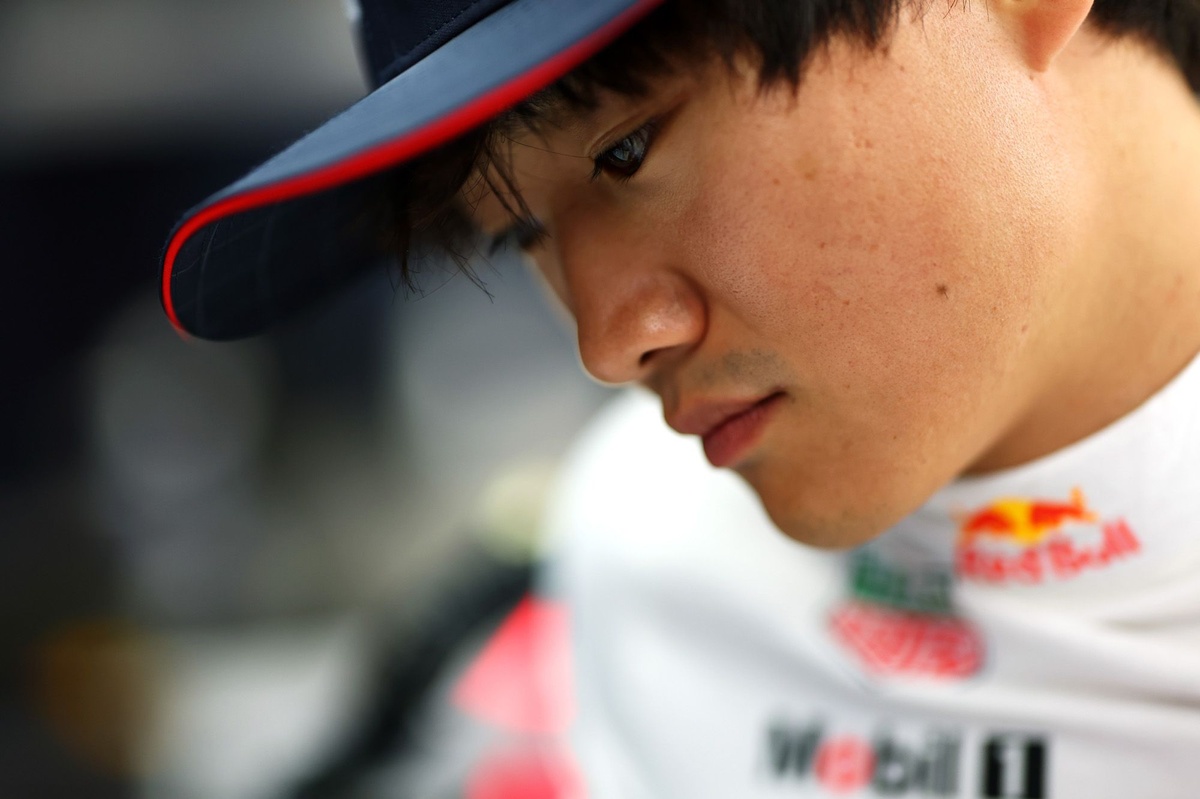
"Normally, I’m the kind of person [who], as soon as I had good food or whatever, was able to reset myself between the race weeks. But I started to really struggle, towards the second half of the season especially; somehow when I came back to my house, I felt very exhausted."
The psychological weight was not merely physical fatigue; it was an erosion of joy. Tsunoda admitted that the simple pleasures that once recharged his batteries—good food, downtime, hobbies—lost their efficacy. The relentless cadence of the F1 calendar offered no sanctuary.
"I didn’t feel that energy, [it] never came back, and the races just kept going and going, going, going," he continued. "I had so much up and down, and at some point, I just recognized myself that I’m not really enjoying my life… not really enjoying driving Formula 1 probably as much as I was doing the first three years."
Supporting Data and Behind-the-Scenes Realizations
The crisis forced Tsunoda to look deep inward, utilizing support systems that included sports psychologists and his personal training staff. However, the root of his isolation extended beyond the garage walls. Living primarily in Europe, away from his native culture and immediate circle of friends, became a glaring vulnerability.
"If I look back, is there something else other than eating food or this stuff? What makes me happy? And normally it’s friends, but mostly friends in Japan… Okay, I really recognized, actually I’m away from Japan. That I really never thought about since probably my first year in F3," he confessed.
Statistically, the results on track mirrored this internal turmoil. While Verstappen dragged the RB21 to pole positions and race wins, Tsunoda found himself routinely mired in Q2 eliminations and struggling to extract consistent race pace from a car that demanded absolute conviction.

The sporting consequences were swift. At the conclusion of the 2025 campaign, Red Bull orchestrated another reshuffle. Isack Hadjar was promoted directly to the senior Red Bull squad, while highly touted youngster Arvid Lindblad was handed an F1 debut at Racing Bulls. Tsunoda found himself relegated to the role of official reserve driver for both Red Bull and Racing Bulls, casting a shadow of uncertainty over his future on the grid.
Redemption and Official Responses: The Return to Racing Bulls
F1’s narrative arcs, however, are rarely linear. During the 2025 summer break, a wrist injury sidelined Isack Hadjar. In the subsequent musical chairs, Liam Lawson was temporarily drafted into the Red Bull seat, which unexpectedly vacated a race seat back at Racing Bulls.
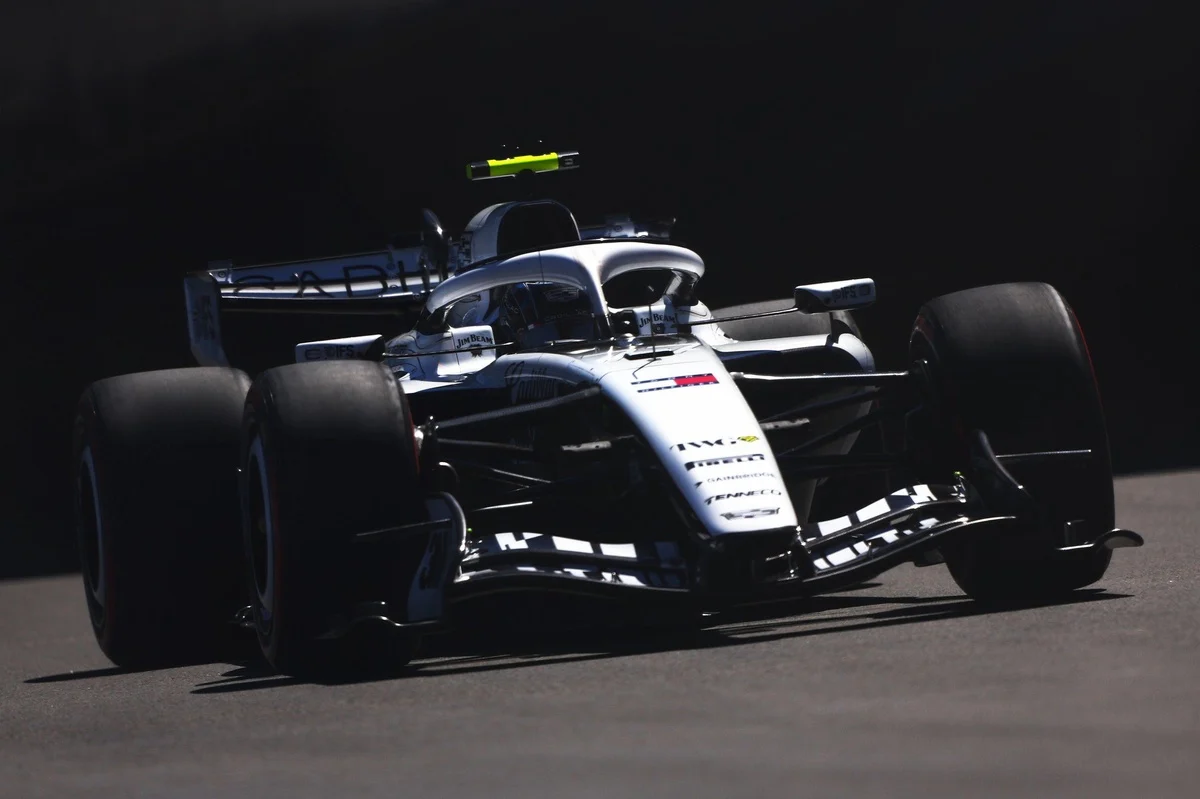
This opened the door for Tsunoda to return to the Faenza-based squad starting from the Dutch Grand Prix at Zandvoort. Rather than breaking him, the trials of 2025 appeared to have forged a thicker armor. Re-entering the cockpit under intense pressure—taking over a car mid-season with zero preparation under a sprint qualifying format—Tsunoda felt a surprising sense of calm.
"Not sure I’m gonna have that much pressure and struggle, difficult times, as much as I had in 2025," Tsunoda noted. "So everything comes so far with big challenges. Somehow I’m able to enjoy that kind of pressure moments and I feel very comfortable."
Highlighting the VCARB team’s strong competitive standing—sitting fifth in the Constructors’ Championship—he added: "Jumping into the car that I’ve never driven, spring qualifying format, VCARB team’s doing really well… you can’t really mess up for the race, you want to have points. Somehow I was like, I really feel okay, I didn’t feel that much pressure."
When asked if anything in his future career could ever match the intensity of the trauma he endured in the Red Bull senior team, Tsunoda’s answer was unequivocal:

"I don’t think so."
Implications for the Future
Yuki Tsunoda’s harrowing 2025 campaign serves as a cautionary tale and a poignant case study in the mental health struggles elite athletes face in high-stakes environments. The Red Bull second seat has long demanded a unique psychological fortitude, capable of breaking drivers who otherwise excel in stable, supportive team structures.
For Tsunoda, the ordeal acted as a brutal crucible. By confronting his isolation, leaning heavily on professional psychological support, and ultimately surviving the demotion-and-return cycle, he has emerged as a more mature, self-aware racer. As Formula 1 hurtles into its next era, the Japanese driver returns to the grid not as a panicked prospect desperate to please a volatile management structure, but as a battle-tested veteran who has looked into the abyss of Formula 1’s ultimate pressure test—and lived to tell the tale.

 Lina Hope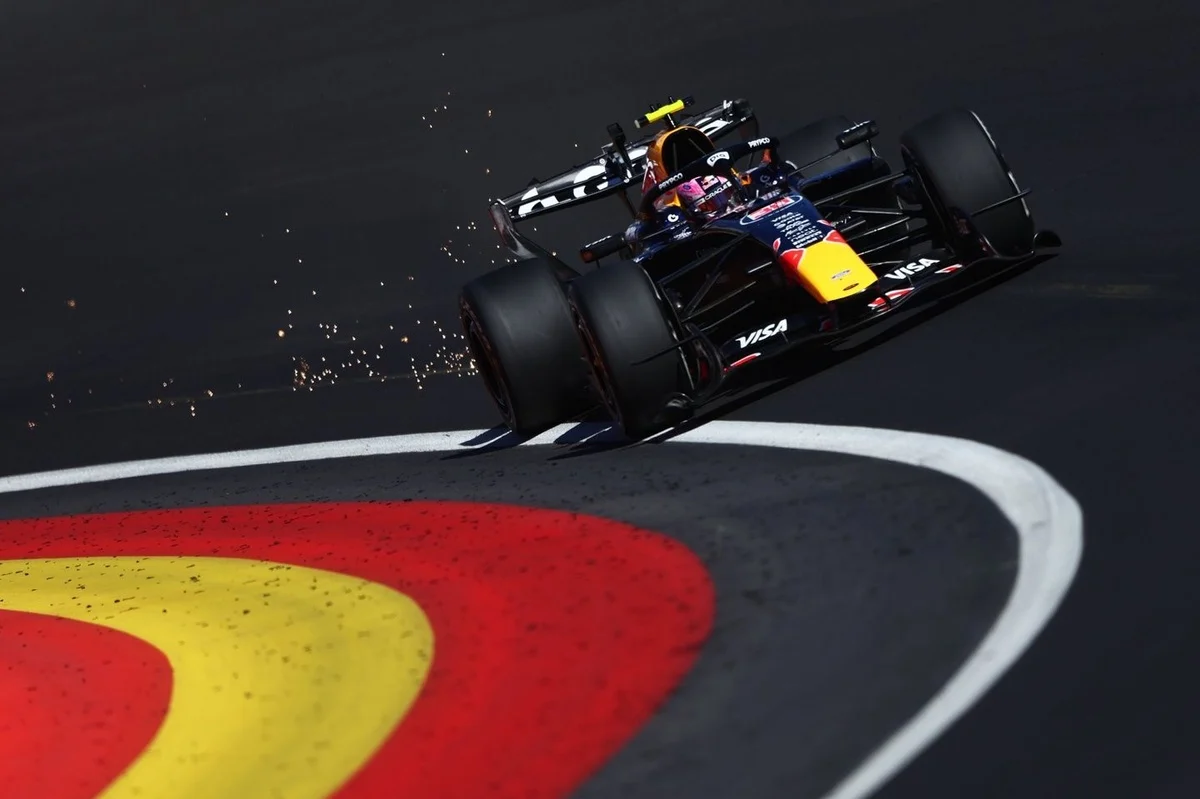
 Nana
Nana
 Dwi Wanna
 Nana Wu
 Jia Lissa
 Reynand Wu