
 Nana
Nana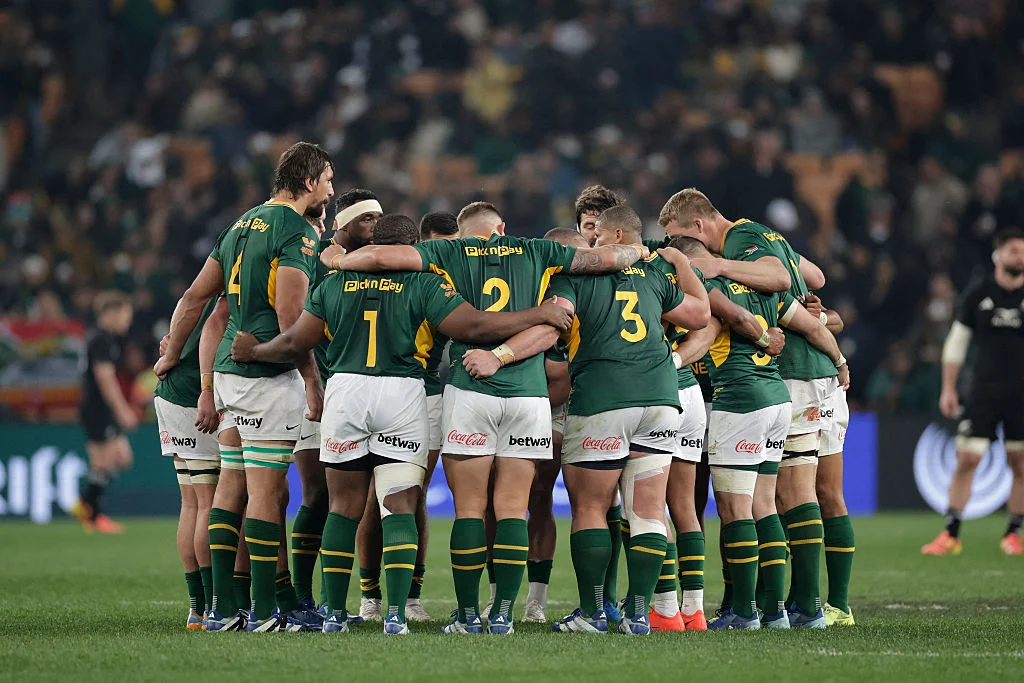
As the 2026 international rugby season enters its high-stakes final quarter, the eyes of the global rugby community are firmly fixed on South Africa. Both the Springboks and the Springbok Women find themselves at pivotal junctures, navigating a demanding schedule that serves as a crucible for future World Cup ambitions and current international supremacy.
Under the strategic stewardship of Director of Rugby Rassie Erasmus, the Springboks are not merely playing matches; they are building a legacy. With an unprecedented third consecutive Men’s Rugby World Cup title in their crosshairs for 2027, the remainder of the 2026 calendar represents a critical phase of tactical refinement, squad depth testing, and physical conditioning. Parallel to this, the Springbok Women are riding a wave of unprecedented momentum, seeking to solidify their standing among the global elite following a breakthrough performance at the 2025 World Cup.
The State of the Union: Main Facts and Current Form
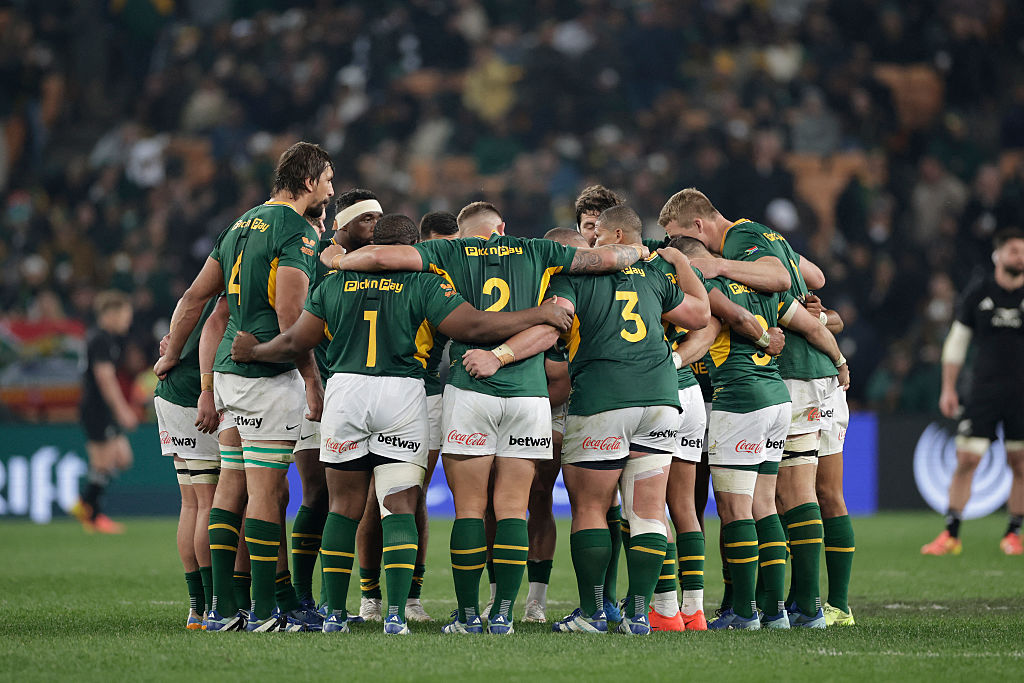
The Springboks enter the final months of 2026 with a reputation that precedes them. Fresh off a dominant Rugby Championship campaign and a flawless clean sweep in the Quilter Nations Series, the men’s side has proven that they remain the benchmark for physical and tactical intensity.
Their recent international record reflects this dominance. A perfect three-from-three start in the inaugural Nations Championship—a tournament designed to provide a more structured global framework for international rugby—has set the tone for their European tour. Furthermore, their victory over the Pumas in Buenos Aires demonstrated the team’s ability to thrive in hostile environments, a trait that will be essential when they head to the northern hemisphere.
Perhaps most impressive has been their handling of "Rugby’s Greatest Rivalry" tour against the All Blacks. Securing three victories out of four tests against their fiercest rivals is a testament to the tactical evolution Erasmus has instilled. The Springboks have moved beyond simple forward-dominated power; they now exhibit a fluid, multi-dimensional attacking structure that has left even the most disciplined defenses scrambling.
For the Springbok Women, 2026 has been a year of historic milestones. Reaching the quarter-finals of the 2025 Rugby World Cup provided the team with the belief that they belong at the top table. This momentum carried into 2026, where they secured a hard-fought draw in a two-Test series against the United States, followed by a clinical victory over Fiji. While the loss to the Black Ferns during the "Greatest Rivalry" tour was a setback, it provided invaluable lessons that the team is now looking to apply in the upcoming WXV Global Series.
Chronology: The Road Ahead
The remaining schedule for 2026 is dense and challenging, designed to test the mental and physical fortitude of both squads.
The Springboks’ Northern Hemisphere Tour
The men’s team has one final warm-up test against Australia, which serves as a tactical dress rehearsal before they depart for Europe. The Nations Championship northern leg is the focal point, with high-intensity matchups scheduled throughout November.
- September 27, 2026: Final Test Match (Pre-tour preparation).
- November 7, 2026: Nations Championship Opener.
- November 13, 2026: Nations Championship Second Round.
- November 21, 2026: Nations Championship Third Round.
- November 27–29, 2026: Nations Championship Final/Play-off Weekend.
The Springbok Women’s WXV Campaign
The WXV Global Series represents the most significant challenge of the year for the women’s team, offering a chance to measure their progress against the best teams in the world in a structured, tournament-style format.
- September 18, 2026: WXV Opening Match.
- September 26, 2026: WXV Second Round.
- October 24, 2026: WXV Third Round.
- October 31, 2026: WXV Tournament Finale.
Supporting Data: Building Towards 2027
The overarching narrative for the men’s team is the 2027 Rugby World Cup. The data suggests that South Africa’s current squad is entering its prime. The emphasis on youth integration, combined with the seasoned leadership of core veterans, has created a balanced roster.
The 2027 World Cup draw, which has already been the subject of intense analysis, looms large. South Africa’s fixtures leading up to this tournament are intentionally difficult; by facing high-ranked northern hemisphere teams in the Nations Championship, the Springboks are simulating the environment they expect to face in 2027. The goal is clear: to ensure that when the tournament begins in October 2027, the team is battle-hardened and tactically versatile enough to dismantle any defensive scheme.
For the women, the WXV series is not just about rankings; it is about securing a higher seeding and proving that their 2025 World Cup quarter-final appearance was not a fluke, but the beginning of a sustained era of competitiveness.
Official Responses and Tactical Philosophy
Director of Rugby Rassie Erasmus has been vocal about the necessity of this year’s rigorous schedule. In recent press briefings, Erasmus emphasized that "no result in 2026 is as important as the preparation for 2027." This philosophy of long-term planning is evident in his rotation policy, which has seen several fringe players gain significant test minutes without compromising the team’s winning streak.
"We aren’t just looking at the scoreboard," Erasmus noted following the victory in Buenos Aires. "We are looking at how we handle pressure in the 70th minute when the lungs are burning. That is where World Cups are won and lost."
Similarly, the leadership within the Springbok Women’s camp has focused on consistency. The coaching staff has prioritized building a deeper bench, ensuring that injuries do not derail their progress. By testing new combinations in the WXV series, they are aiming to create a squad that is resilient and capable of adapting to various styles of play, from the high-tempo game of the Pacific nations to the structured forward-play typical of European opposition.
Implications: The Legacy at Stake
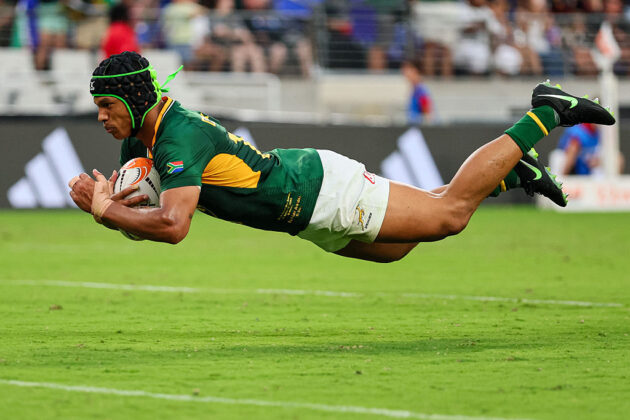
The implications of these upcoming fixtures are profound. For the men, failure to perform in the Nations Championship would raise questions about their ability to adapt to the northern hemisphere’s evolving tactical landscape. Conversely, a victory would solidify their status as the undisputed kings of world rugby, placing a massive target on their backs heading into the 2027 World Cup.
For the women, the WXV series is a barometer of growth. A strong showing could lead to increased investment, better infrastructure, and a higher profile for the women’s game within South Africa. The sport is at a tipping point, and these fixtures will play a decisive role in whether the Springbok Women can translate their current momentum into a lasting, structural shift in the nation’s sporting landscape.
Furthermore, the rise of the Nations Championship and the WXV series signals a new era for international rugby. The traditional, sporadic nature of international fixtures is being replaced by a coherent, meaningful tournament structure. South Africa is at the heart of this transition, acting as both a participant and a pioneer.
As the leaves turn and the rugby season reaches its crescendo, the Springboks—both men and women—stand ready to face their challenges. The fixtures on the calendar are more than just games; they are the chapters in a story of ambition, resilience, and the relentless pursuit of excellence. For the fans, the coming weeks promise drama, intensity, and a glimpse into the future of the sport. Whether at the FNB Stadium in Johannesburg or on foreign soil in Europe or the Pacific, the message from South African rugby is clear: they are here to stay, and they are here to dominate.
Dates and times for all fixtures remain subject to change due to broadcasting requirements and venue logistics. Fans are encouraged to follow official South African Rugby Union channels for real-time updates.


 Asep Darmawan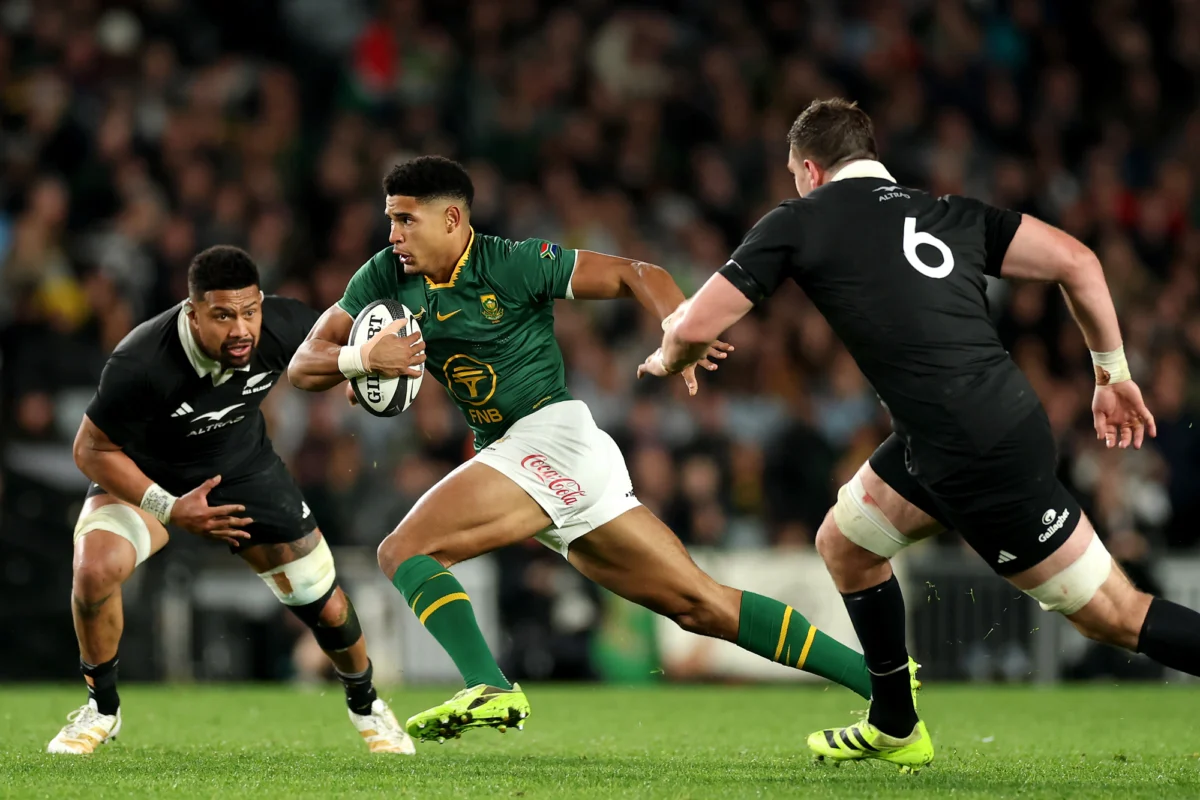
 Laily UPN
 Pevita Pearce
 Basiran
 rifanmuazin
 Nila Kartika Wati