
 Evan Lee Salim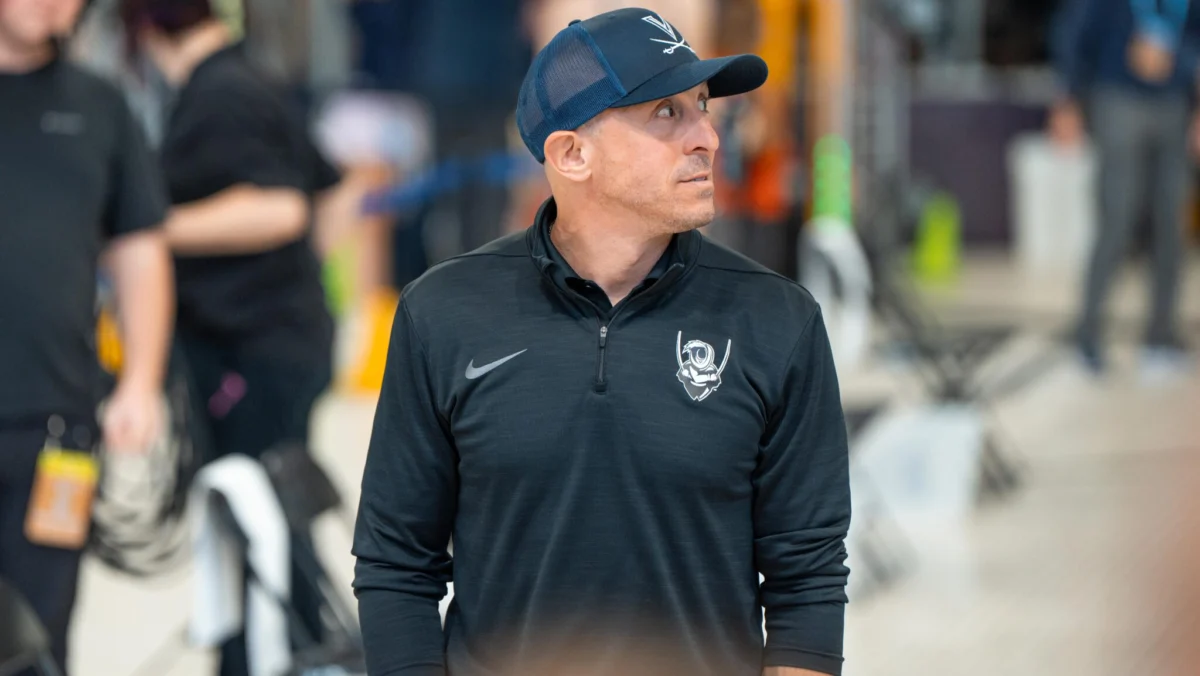
The American Swimming Coaches Association (ASCA), the preeminent professional organization representing the backbone of the U.S. swimming community, has officially unveiled its slate of award recipients for the 2026 season. As the landscape of competitive swimming continues to evolve with unprecedented speed and technical sophistication, these honors serve to recognize the architects behind the success of the world’s most elite athletes.
From the grassroots development of age-group programs to the high-pressure environment of the international podium, the ASCA awards highlight the multi-faceted nature of modern coaching. This year’s selections reflect a rigorous evaluation process, identifying those who have not only achieved record-breaking results but have also demonstrated a profound commitment to the holistic development of their swimmers.
The Pillars of Excellence: Award Categories
The ASCA awards are structured to honor excellence at every level of the sport’s ecosystem. The primary categories include:
- Fitter & Faster Age Group Coach of the Year: Awarded across three distinct team size classifications, this category honors coaches who excel in developing young talent, fostering a lifelong love for the sport, and laying the technical foundation for future champions.
- Impact Coach of the Year: Perhaps the most prestigious award in terms of character, this recognition is reserved for those who have dedicated extraordinary time and energy to positively influence the lives of others through service, mentorship, and unwavering dedication.
- George Haines ASCA Coach of the Year: Named in honor of the legendary coaching pioneer, this is the association’s highest honor. It recognizes the individual whose coaching effectiveness has contributed the most significantly to American swimming excellence at the World level.
A Season Defined by Cavalier Dominance
While the coaching awards highlight individual brilliance, the 2026 season was undoubtedly defined by the collective success of programs like the University of Virginia Cavaliers. The roster, which includes luminaries such as Kate Douglass, Gretchen Walsh, and Anna Moesch, served as a masterclass in modern training theory.
The influence of the coaching staff behind these athletes was evident throughout the long-course season. From Isabelle Stadden and Claire Curzan to rising stars like Madi Mintenko, Emma Weber, and Maximus Williamson, the Cavaliers’ presence was felt at every major international meet. The program’s ability to consistently shatter American and World records—often multiple times within a single month—speaks to a sophisticated periodization model and an elite culture of performance that has set a new benchmark for NCAA and international programs alike.
Chronology of the 2026 Competitive Cycle
The road to the 2026 ASCA awards began in the early months of the year, with coaches navigating a condensed and highly competitive calendar.
- Q1: The Foundations of Speed. Following the winter championships, coaches shifted their focus to the long-course conversion. Training blocks were characterized by high-volume aerobic work paired with technical refinement.
- Q2: The Mid-Season Peak. By late spring, the impact of these training cycles became evident. Coaches began implementing “taper” strategies earlier than in previous years to accommodate a dense international racing schedule.
- Q3: The Summer of Records. The summer months provided the stage for the most significant performances. Coaches were forced to manage the psychological and physical strain of athletes competing in multiple major championships within a six-week window.
- Q4: Evaluation and Recognition. Following the final international events, the ASCA committee began the rigorous process of gathering data, analyzing performance metrics, and soliciting peer feedback to determine the award winners.
Supporting Data: The Metrics of Success
What separates a "good" coach from a "Coach of the Year"? According to the ASCA, the criteria are increasingly data-driven. For the George Haines award, the committee evaluates:
- Time Drop Percentages: The collective improvement of the squad’s top-performing athletes over the course of the season.
- International Conversion Rate: The percentage of swimmers from a specific program who successfully transitioned from national-level competition to podium finishes at the World level.
- Longevity and Retention: The ability of a coach to keep top-tier talent motivated and healthy over multi-year cycles.
The data from the 2026 season indicates a significant shift toward "velocity-based training," where coaches utilize real-time biometric feedback to ensure athletes are hitting specific power outputs. The award winners this year were those who successfully bridged the gap between raw scientific data and the human element of coaching—the ability to keep athletes mentally sharp during grueling training blocks.
Official Responses and Industry Sentiment
The announcement of the winners has sent ripples of approval through the swimming community. ASCA Executive leadership noted in their official release that the 2026 pool of nominees was the most competitive in the organization’s history.
"We are seeing a convergence of technology and tradition," stated a representative from the ASCA selection committee. "The coaches we are honoring today are not just teaching stroke mechanics; they are managing complex performance teams, sports psychologists, and nutritional plans. They are the CEOs of their athletes’ careers."
For many of the recipients, the award is seen as a validation of the "slow-burn" approach—a philosophy that emphasizes long-term development over immediate, short-term gain. As one veteran coach noted, "The goal is not just to make a swimmer fast for a single race in July; the goal is to build a foundation that lasts for the entirety of their athletic career."
Implications for the Future of American Swimming
The recognition of these coaches signals a shift in the trajectory of the sport. With the 2026 season now in the rearview mirror, the industry is already looking toward the next cycle. Several key implications emerge from this year’s awards:
1. The Professionalization of Coaching
The role of the swimming coach is becoming increasingly specialized. We are moving away from the era of the “generalist” coach toward a team-based approach where head coaches act as directors of a multidisciplinary staff. The winners of the 2026 awards are those who have mastered the art of delegation and team management.
2. Global Competition and Tactical Versatility
The success of international standouts alongside American athletes highlights the global nature of the sport. Coaches are now required to study international training methodologies, leading to a cross-pollination of ideas that has pushed the limits of human performance. The 2026 award winners have proven that they can adapt their tactics to compete against, and ultimately beat, the best in the world.
3. Mental Health and Sustainable Performance
A recurring theme among this year’s winners, particularly for the Impact Coach Award, is the emphasis on mental well-being. With the pressure on young athletes at an all-time high, coaches are increasingly focusing on sustainable training loads. The ability to maintain an athlete’s passion for the sport while chasing world records is the new "gold standard" of coaching effectiveness.
Conclusion: A Legacy in the Making
As the American Swimming Coaches Association looks to the future, the 2026 awards serve as a reminder of the vital role coaches play in the American sporting landscape. They are the mentors, the strategists, and the quiet leaders who stand behind every record broken and every medal won.
The success of athletes like Douglass, Walsh, and Williamson is not merely a product of individual talent; it is the result of years of calculated, dedicated, and expert coaching. By honoring these individuals, the ASCA is not only celebrating the past season’s victories but is also establishing a blueprint for the next generation of coaches. As the sport continues to push the boundaries of what is physically possible, these coaches will remain at the forefront, guiding the next wave of champions toward the water.
In the final analysis, the 2026 ASCA awards represent more than just a trophy on a mantle—they represent the enduring spirit of American swimming, a sport that continues to define itself through the relentless pursuit of excellence, the courage to innovate, and the unwavering commitment to the athletes who make it all possible.

 Nana Wu
 Sagoh
Sagoh
 rifanmuazin
 Ali Ikhwan
 Dwi Wanna
 Raul Delapena Setiawan
 Laily UPN
 Ammar Sabilarrohman