
 rifanmuazin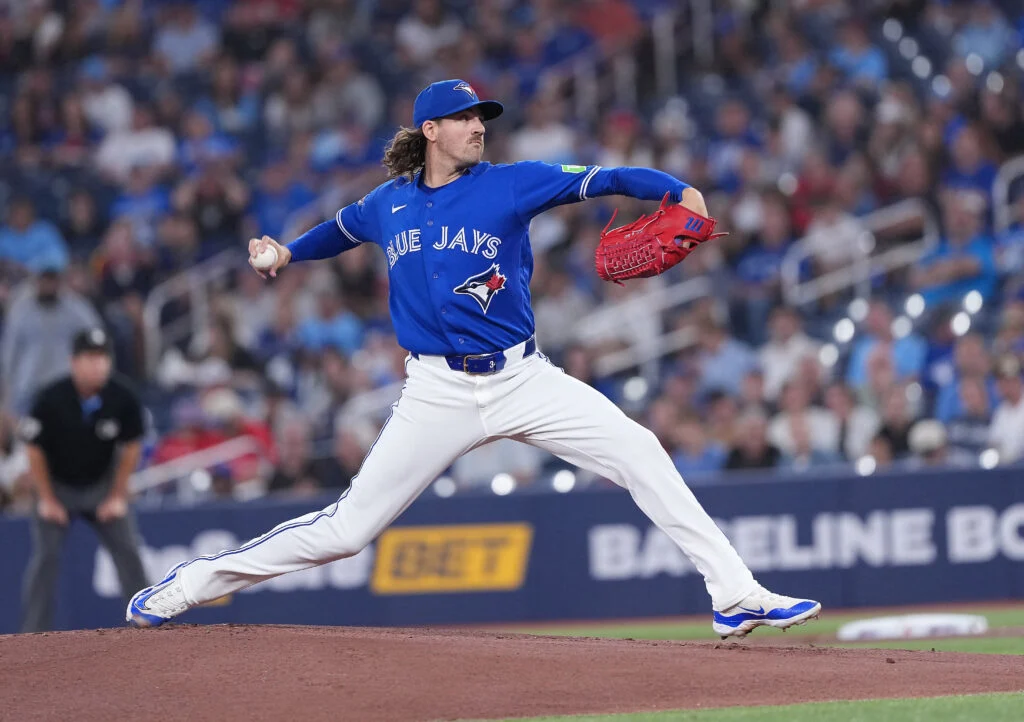
The Toronto Blue Jays entered the 2026 campaign with championship aspirations, fueled by the memory of a 2025 season that ended agonizingly short of a title. Yet, as the calendar turns toward August, the mood in the Rogers Centre has shifted from optimism to a somber, inevitable reality: the front office is preparing to strip the roster down.
With a record of 46-55, the Blue Jays sit at the bottom of the American League East, languishing in a position that few envisioned during spring training. Having dropped six of their first eight games following the All-Star Break, the team is currently at a season-worst nine games under .500. With playoff odds currently hovering at a dismal 8.6% per FanGraphs, the franchise finds itself in the company of the Oakland A’s, Kansas City Royals, and Los Angeles Angels—a tier of the standings that is entirely foreign to a club that operated as a powerhouse for much of the last three years.
The Current Landscape: A Season of Unraveling
The collapse of the 2026 Blue Jays has been as swift as it has been thorough. After hovering around the periphery of the Wild Card race for the first two months, the club’s pitching depth, once a source of immense pride, began to erode under the weight of mounting fatigue and uncharacteristic regression.
The offensive production has similarly stagnated, failing to provide the run support necessary to compensate for a rotation that has surrendered leads with alarming frequency. The team’s inability to find consistency in high-leverage situations has led to a morale-sapping series of late-inning losses. For a front office that doubled down on its veteran core during the offseason, the current standing is not merely a disappointment; it is a signal that the window for this specific iteration of the roster has slammed shut.
Chronology of the Decline
The trajectory of the 2026 season can be segmented into three distinct phases of decline:
1. The Opening Struggles (April – May)
The season began with the hope that the 2025 heartbreak would serve as motivation. However, early-season injuries to key depth pieces left the bullpen overworked by mid-May. While the starting rotation, led by Kevin Gausman and a newly acquired Shane Bieber, managed to keep the team afloat, the offensive inconsistency became a recurring theme.
2. The Mid-Summer Fade (June – Early July)
The team’s record hovered near the .500 mark for much of June, but the cracks in the foundation began to show. A series of losses against division rivals in the AL East exposed the roster’s lack of depth. By the time the All-Star break arrived, the Blue Jays were already on the outside looking in, with the front office clearly signaling that they were evaluating their options for the August 3 trade deadline.
3. The Post-All-Star Reality Check (Late July)
The return from the mid-summer classic provided a final opportunity for the Jays to ignite a run. Instead, the team went 2-6 in their first eight games back, effectively ending any realistic hope of a post-season appearance. With the team now firmly in "sell mode," the focus has shifted from the win-loss column to the acquisition of prospect capital.
The Trade Assets: A Wealth of Veteran Experience
The Blue Jays possess a unique profile of trade assets: a surplus of impending free agents with extensive big-league track records. While many are on "weighty" contracts, their value to a contending team—which only needs them to perform for two months—is immense.
The Rotation Anchors: Gausman and Bieber
The most coveted pieces on the roster are right-handed starters Kevin Gausman and Shane Bieber. Both represent high-upside "rentals" for teams desperate to bolster their rotations for a playoff push.
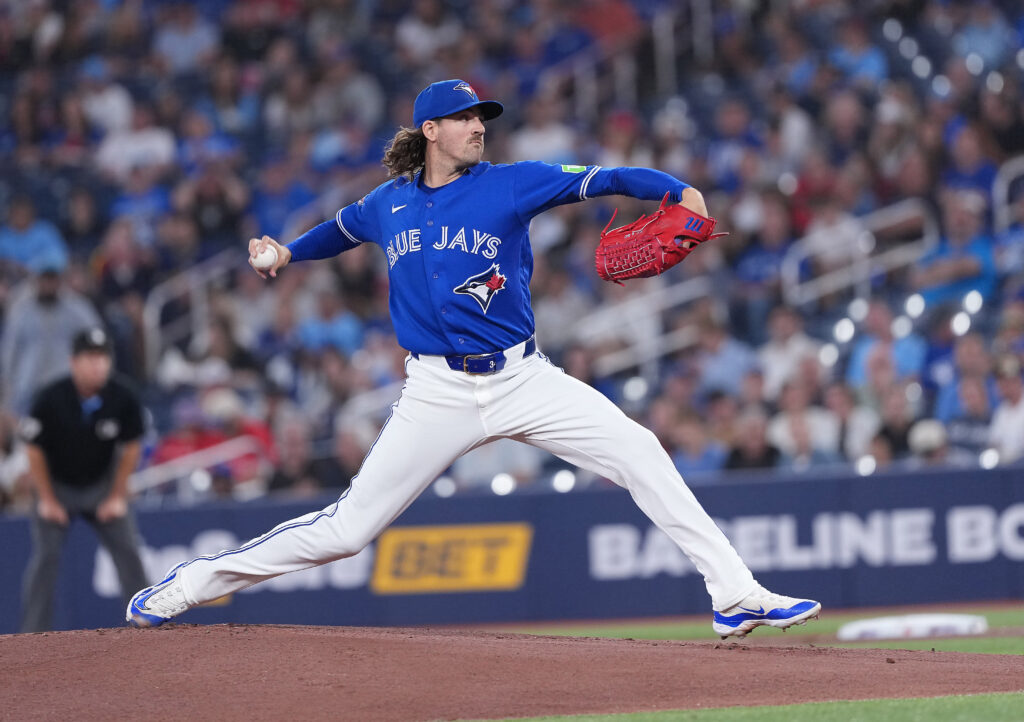
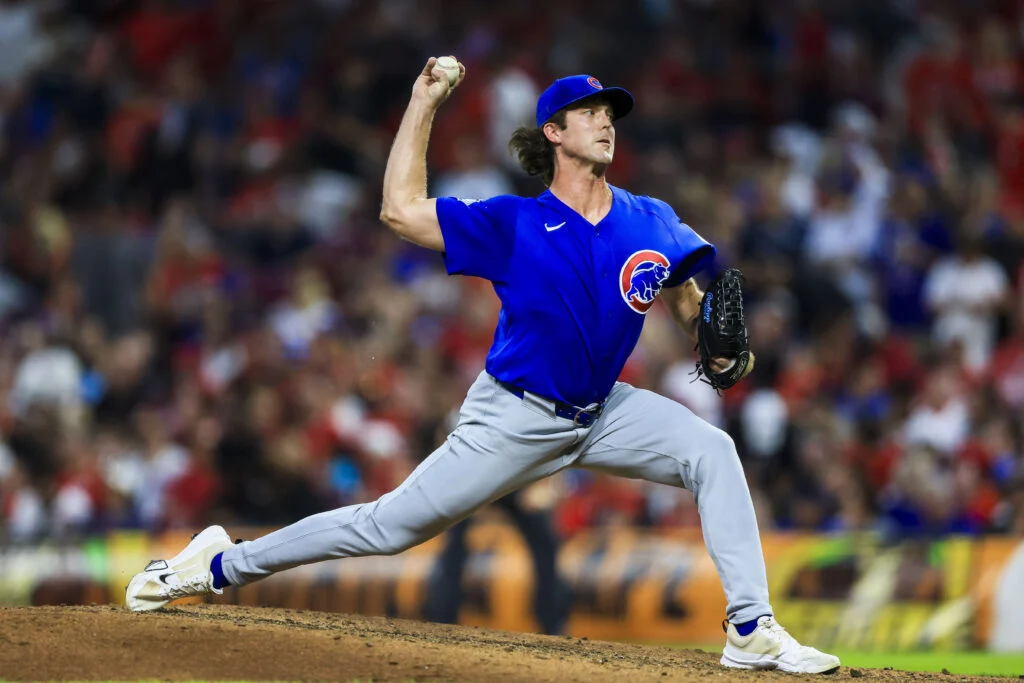
Gausman, in particular, has been a pillar of the organization. Currently in the final year of a five-year, $110 million contract, his tenure in Toronto has been largely successful, marked by multiple top-10 Cy Young finishes and remarkable durability. While his 4.51 ERA this season is his highest since 2019, his underlying metrics—specifically his ability to generate swing-and-miss—remain largely intact. For a team like the Atlanta Braves, Chicago Cubs, or Philadelphia Phillies, Gausman offers the kind of "big game" experience that is difficult to acquire on the open market.
The Utility and Depth Pieces
Beyond the rotation, the list of impending free agents is lengthy: Daulton Varsho, George Springer, Myles Straw (club option), Max Scherzer, Patrick Corbin, and reliever Yimi García.
Each player brings a different value proposition. Scherzer and Corbin, despite their advanced ages, offer veteran savvy and the ability to soak up innings for a team dealing with injuries. Varsho and Springer provide positional versatility and playoff-tested bats that could be vital for a team looking to deepen their bench.
Supporting Data: Analyzing the Gausman Situation
To understand why Gausman is the primary focus of trade speculation, one must look at his historical performance versus his 2026 output. Through the end of May, Gausman was performing at his typical All-Star level, posting a 3.13 ERA with a 24% strikeout rate over 12 starts.
However, the wheels began to come off in June and July. His ERA ballooned to 6.56 over his last nine outings, largely driven by a spike in his walk rate. Despite the statistical dip, industry insiders argue that his "stuff" has not fundamentally changed. The drop-off is viewed by many evaluators as a fatigue-related issue rather than a permanent decline in talent.
Because Gausman has already received a qualifying offer in his career, he is ineligible for another. This means that if the Blue Jays hold onto him, they will receive zero compensation when he departs in the winter. Consequently, trading him for a package of prospects is the only way for the organization to recoup value.
Official Responses and Player Sentiment
The players are not blind to the reality of the situation. Following a recent outing, Kevin Gausman addressed the media, acknowledging the speculation surrounding his future. "You know the situation," Gausman told Keegan Matheson of MLB.com. "You hear the noise, and you understand the business. But my job is to take the mound and give us a chance to win today."
His comments reflect a weary professionalism. The Blue Jays players understand that the front office has a duty to the long-term health of the organization. While they maintain a focus on their day-to-day responsibilities, there is a quiet acknowledgement in the clubhouse that the team they broke camp with in February will look drastically different by the time they take the field in August.
Management has remained tight-lipped regarding specific trade discussions, but the message from the front office is clear: the team is prioritizing the future. The directive is to identify prospects who can contribute to a competitive window starting in 2027 and beyond, rather than clinging to a 2026 season that has slipped away.
Implications: A New Era for the Blue Jays
The decision to pivot to a "sell" strategy carries significant weight for the franchise.
1. Rebuilding the Prospect Pipeline
By offloading high-salary veterans, the Blue Jays hope to inject talent into a farm system that has been depleted by years of "all-in" moves. The goal is to acquire high-ceiling prospects who are close to MLB-readiness, ensuring that the next competitive cycle for the Blue Jays arrives sooner rather than later.
2. Clearing Payroll Flexibility
The departure of the eight impending free agents will create significant breathing room in the team’s payroll. This flexibility will allow the front office to be more aggressive in the free-agent market this winter, potentially allowing them to pivot quickly if they believe the core of the roster can be salvaged.
3. Cultural Reset
There is also the matter of the team’s identity. The 2026 season has been marked by a lack of chemistry and a failure to overcome adversity. A roster turnover will inevitably lead to a change in the clubhouse culture, providing an opportunity for younger players to step into leadership roles and establish a new, more resilient standard.
Conclusion
The 2026 Blue Jays serve as a cautionary tale in modern Major League Baseball: the line between championship contender and bottom-feeder is razor-thin. What began as a season of promise has dissolved into a period of transition. As the August 3 deadline looms, the focus in Toronto shifts from the standings to the scouting reports.
While the departures of players like Gausman, Springer, and Scherzer will be difficult for the fanbase to swallow, it is a necessary evolution. The Blue Jays are not merely clearing house; they are attempting to navigate a treacherous path back to relevance. For the front office, the next two weeks will be defined by their ability to maximize the return on a group of veterans who, despite their struggles, represent the best chance to secure the future of the franchise. The dream of a 2026 title may be dead, but the blueprint for 2027 and beyond is currently being drafted in the general manager’s office.

 Nana Wu
 Siti Muinah
 Neng Nana

 Lina Hope

 Sagoh
Sagoh
 Iffa Jayyana