
 Raul Delapena Setiawan
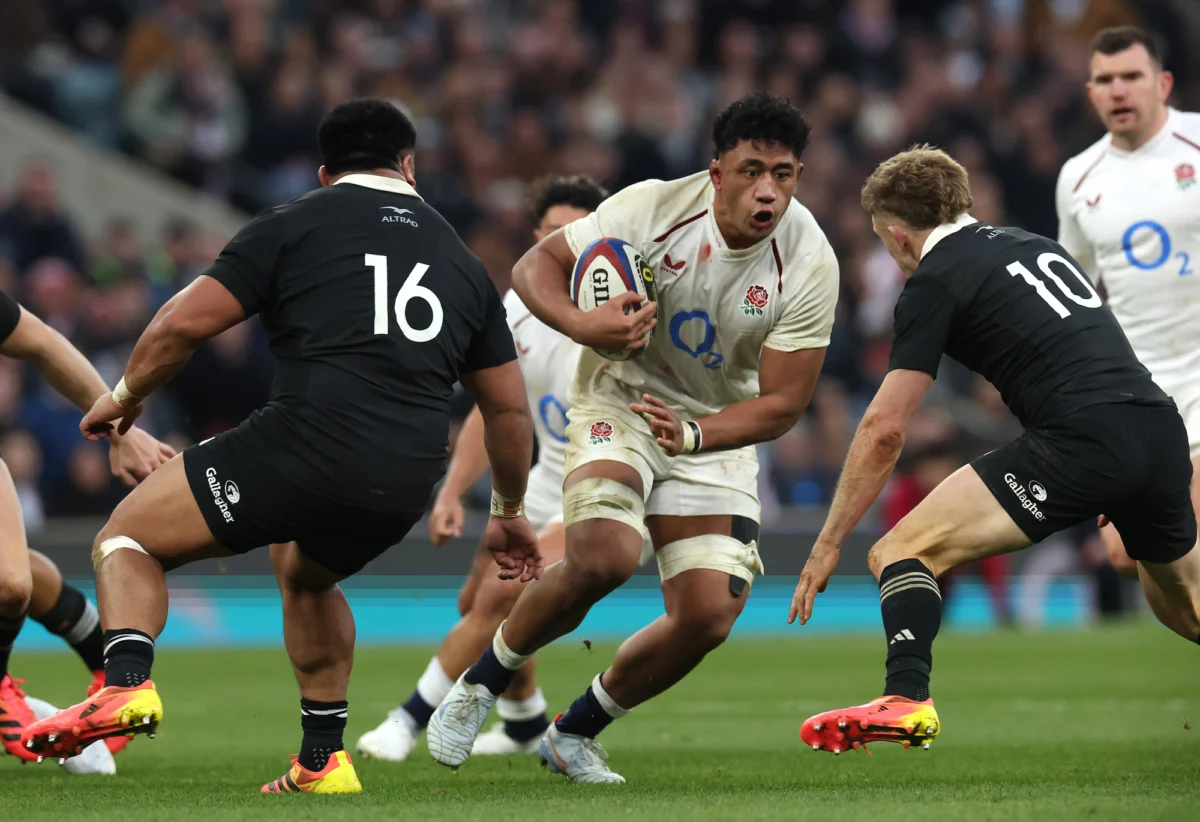
The hallowed turf of Allianz Stadium, Twickenham, prepares to host a high-stakes showdown this Saturday, November 28, 2026. As the inaugural Nations Championship nears its conclusion, England and New Zealand find themselves in a position neither side initially coveted: the bronze medal match. Yet, for both nations, this fixture represents far more than a consolation prize. It is a defining moment of transition, a chance to secure momentum heading into the next World Cup cycle, and for the All Blacks, an urgent opportunity to salvage pride after a tumultuous campaign.
The Main Facts: Setting the Stage
The match is scheduled to kick off at 4:40 pm GMT. Following a grueling season that has seen both teams navigate the tactical rigors of the new northern hemisphere league structure, this final encounter serves as a testament to the narrowing gap between the rugby superpowers.
England enters the clash with the wind in their sails. Having secured a comprehensive victory over the All Blacks just seven days ago, Steve Borthwick’s side is riding a wave of tactical confidence. For England, winning this match would cement a successful autumn, signaling that the disappointment of their lackluster Six Nations performance is firmly in the rearview mirror.
Conversely, the All Blacks arrive in Southwest London under immense pressure. Following a shock defeat to Wales and last week’s loss to England, New Zealand faces the ignominious prospect of a three-game losing streak. In the fiercely competitive landscape of New Zealand rugby, where the standard is absolute excellence, anything less than a victory at Twickenham will prompt a period of intense national soul-searching and tactical review.
Chronology: A Season of Highs and Lows
The road to this third-place play-off has been anything but linear for either team.
- Early 2026: England struggled during the Six Nations, failing to find a consistent rhythm and suffering from a lack of clinical execution.
- Summer/Autumn 2026: The implementation of the Nations Championship provided a fresh start. England’s structural improvements in defense and their tactical refinement at the breakdown began to bear fruit.
- The November Tests: England enjoyed an undefeated streak leading into the latter stages of the tournament. Their victory over New Zealand last week was the highlight, characterized by a dominant set-piece and tactical discipline.
- The All Black Slide: New Zealand’s tour has been punishing. A relentless schedule, involving multiple cross-continental trips and physical encounters with South Africa, has left the squad depleted. The loss to Wales a fortnight ago was a watershed moment, exposing vulnerabilities that England were quick to exploit.
Supporting Data: Tactical Analysis and Team Changes
The selection process for this weekend reveals much about the respective coaches’ intentions. Steve Borthwick has opted for a measured rotation, prioritizing fresh legs and specific tactical profiles. The return of Freddie Steward at full-back brings a reassuring aerial presence, while the inclusion of Greg Fisilau for his first Test start at outside flanker signals an intent to match the All Blacks’ physicality at the breakdown.
New Zealand, facing a crisis of confidence, has made six changes to their starting XV. The inclusion of Richie Mo’unga at fly-half, with Damian McKenzie shifting to full-back, is a clear move to bolster the team’s creative engine. Jordie Barrett assumes the captaincy, a responsibility necessitated by the absence of the injured Codie Taylor. The All Blacks’ pack, anchored by Scott Barrett and Ethan de Groot, will be under strict instructions to regain control of the set-piece, which crumbled under English pressure last week.
Key Matchup: The Breakdown
The battle at the breakdown will likely decide the outcome. With Greg Fisilau starting for England and Peter Lakai looking to prove his worth for the All Blacks, the speed of ball retrieval will be the primary objective. England’s ability to slow down New Zealand’s recycling was the cornerstone of their victory last week; should the All Blacks fail to adjust their support play, they risk another afternoon of isolation and turnover penalties.
Official Responses and Tactical Outlook
In the pre-match press conferences, the rhetoric from both camps remained focused on internal growth rather than past results.
Steve Borthwick remained typically understated, emphasizing the "opportunity to build a winning culture" rather than focusing on the "revenge" narrative surrounding the All Blacks. His tactical shift—bringing in Luke Cowan-Dickie and Ellis Genge—is clearly designed to ensure parity in the scrums, an area where England dominated last week.
New Zealand’s leadership, led by Jordie Barrett, has been more reflective. Barrett acknowledged that the team is "hurt" but focused on the process of re-establishing their identity. The coaching staff has spoken at length about "discipline under pressure," a direct response to the yellow cards and handling errors that plagued their performance in the previous fixture.
Implications: The Road Ahead
The implications of Saturday’s result extend far beyond the third-place trophy.
For England, a win would suggest that Borthwick’s long-term project is gaining traction. It would validate the selection of younger talents like Fisilau and van Poortvliet, providing the squad with the confidence necessary to challenge for the top spot in the next Six Nations. A victory would solidify Twickenham as a fortress once more and quieten the critics who questioned the team’s ability to close out tight matches against top-tier southern hemisphere opposition.
For New Zealand, the stakes are existential. A third consecutive loss would lead to significant questions regarding the current coaching setup and the player pathway. While the All Blacks remain one of the most talented teams in the world, the shift in the global rugby balance is palpable. A loss would force the New Zealand Rugby Union to consider whether the current tactical philosophy is sustainable in the modern, ultra-physical game.
How to Watch: A Global Spectacle
Fans around the world have various options to catch this encounter. In the UK, ITVX provides free coverage, while Irish fans can utilize Virgin Media Play. French supporters have access via TF1+. For those in the United States, RugbyPass TV offers a free streaming service.
For international fans traveling or living abroad, the use of a VPN (such as NordVPN) remains a popular method for accessing home-nation broadcasts, allowing supporters to maintain their connection to local commentary and build-up shows regardless of their geographical location.
Match Details
- Date: Saturday, 28 November 2026
- Kick-off: 4:40 pm GMT
- Venue: Allianz Stadium, Twickenham
- Referee: Angus Gardner (Australia)
Conclusion
As the final whistle approaches, the focus turns to the individual battles on the pitch. Will England be able to replicate their tactical masterclass from seven days ago, or will the pride of the All Blacks drive them to a statement performance? Regardless of the final score, this match is a vital chapter in the evolution of the Nations Championship, proving that even in a bronze medal play-off, the intensity of international rugby remains undiminished.
The stage is set for a dramatic afternoon. England seeks to confirm their rise, while New Zealand looks to halt their fall. At Twickenham, the grass will be scarred, the bodies will be battered, and, as is the tradition of this great game, the world will be watching.


 Neng Nana

 Asro

 Asep Darmawan

 Layla Zulfa

 Reynand Wu

 Evan Lee Salim

 Azzam Bilal Chamdy