Trending News:Ferrari’s Qatari Nightmare: Inside the Scuderia’s Lusail Meltdown and Power Unit CrisisFIA President Mohammed Ben Sulayem Faces Intense Backlash Over "Dangerous" Country Comparison to F1 DriversBattle for Bronze: England and the All Blacks Collide in Nations Championship FinaleCardinals Bolster Rotation Depth with Signing of Right-Hander Griffin CanningRemco Evenepoel Eyes Historic Opening on the Cobbles: Belgian Star Targets Omloop Het Nieuwsblad for 2027 Season DebutSaline Standout Ty Lauritzen Announces Verbal Commitment to Grand Valley State UniversityThe Agony of the Alpine Fit: Inside the Multimillion-Dollar Quest for the Perfect Ski BootFIA President Mohammed Ben Sulayem Faces Intense Backlash Over "Dangerous" Country Comparison to F1 DriversRedemption at Twickenham: Italy and Fiji Clash in Nations Championship Final ShowdownSnowy Showdown in Ostrava: Thibau Nys Outduels Tibor Del Grosso in Elite Men’s Cyclo-Cross World Cup OpenerThe ISL All-Star Revolution: Gastaldello and Hansson Lead Team Europe’s ChargeHitting the Slopes Together: SKI Readers Reveal the Best Family-Friendly Resorts in the EastFerrari Left Searching for Answers After a "Very, Very Difficult" Opening Day at the Qatar Grand PrixFrom Pallet Town to the Promised Land: The Dual Career of Hidenori KusakaTwickenham Showdown: Ireland and Australia Battle for Fifth in Nations Championship FinaleThe High-Stakes Hustle: Inside the 2026 Skins Game’s Billion-Dollar BlueprintFreezing Chaos in Ostrava: Mechanical Woes Strike Elite Contenders at Historic UCI Cyclo-cross World Cup OpenerRising Sprint Star Justin Chiang Announces Commitment to Washington University in St. LouisTurn Travel Time Into Fresh Powder: How to Score Free Arrival-Day Skiing for the 2026–27 Winter SeasonFerrari Left Seeking Answers After a "Very, Very Difficult" Opening Day at the Qatar Grand PrixThe Price of Glory: Toto Wolff Acknowledges Mercedes Must Realign Kimi Antonelli’s Contract After Stunning F1 Title RunThe Ultimate Rugby Showdown: Nations Championship Finals Weekend GuideMariners Bolster Depth with Minor League Signing of Infielder Liover PegueroThe Datafication of Pro Cycling: How the UCI Points System is Reshaping Team Strategy, Survival, and the Pursuit of VictoryThe Distance Revolution: Previewing the Men’s Freestyle Battles at the 2026 World Aquatics Swimming Championships (25m)World Cup Alpine Skiing Returns to Colorado: The Stifel Copper Cup Kicks Off the Domestic Men’s Speed SeasonThe Price of Glory: Toto Wolff Hints at a Major Payday as Kimi Antonelli’s Mercedes Contract Reality Lags Behind World Championship StatusBeyond the Grand Prix Circuit: Kimi Antonelli Eyes Nordschleife Dream Team with Max VerstappenThe Global Elite: Unveiling the Rugby World Ultimate XVBeyond the Fairway: Why Taconic’s Rain-Soaked Links Became a Lesson in FriendshipAsk the "Bling": Cyclingnews Announces Exclusive Reader Q&A with Australian Star Michael Matthews Ahead of the 2026 SeasonSam Atkin Claims Triumphant Victory on Debut at the 90th Manchester Road RaceSprint Specialist Sophie Oldham Shifts Commitment to TCU for 2027-28 SeasonReturn to Superstar: U.S. Women’s Ski Team Seeks Glory at the 2026 Stifel Killington CupBeyond the F1 Paddock: Kimi Antonelli Eyes Nordschleife Dream Team with Max VerstappenDoha Marathon by Ooredoo Achieves Elite World Athletics Platinum Label Status, Boosting 2028 Olympic HopesBig Ten Swimming and Diving Excellence: Wanezek, Greenhawt, and Noel Lead Weekly HonorsThe Ultimate Family Ski Guide: Top 10 Western Resorts for 2027Formula 1 2026 Season Finale Overshadowed: Max Verstappen Voices Discomfort Over Middle East Trips Ahead of Qatar Grand PrixThe Leather Dilemma: PETA Challenges Nvidia CEO Jensen Huang to Retire His Iconic WardrobeThe French Renaissance: Dupont and Bielle-Biarrey Define a New Era of Global RugbyThe Cold War Resumes: Brooks Koepka Reignites Rivalry with Sharp Jabs at Bryson DeChambeauPrimoz Roglic and the Final Chapter: Why the Slovenian Champion Stepped Back from Retirement for One Last RideHigh-Stakes Backstroke: A Comprehensive Preview of the 2026 World Aquatics Swimming Championships (25m)The Psychology of the Drop-In: North America’s 10 Most Terrifying Ski Run EntrancesUnbroken: The True Story of Martin Donnelly, the F1 Survivor Who Inspired HollywoodOrioles Secure Rotation Stability: Freddy Peralta Inks Five-Year, $125 Million DealThe Unrivaled Titan: Why Jack Willis is the World’s Best Rugby PlayerBeyond the Fairway: Why the PURE Insurance Championship at Pebble Beach Is Golf’s Ultimate Human Interest StoryNew York Mets Bolster Organizational Depth with Signing of Versatile Infielder Eddys LeonardFrom Pole to Victory LaneThe Southern Hemisphere’s Elite: Unveiling the Bronze and Silver Titans of World RugbyThe Fall from Grace: Inside the PGA Tour’s Brutal Season-Ending Reality CheckLabor Tensions Escalate: MLB Proposes $1 Million Minimum Salary Amid Impasse Over Salary CapThe Ultimate Black Friday Ski Gear and Recovery Guide: Stocking Up for the 2026–2027 Winter SeasonEuropean Football Weekend: Barcelona’s Resurgence, Atalanta’s Great Escape, and Concerns at BayernBlackhawks Claim Veteran Center Luke Glendening Off Waivers Amid Center Crisis and Injury WoesA Nightmare at Anfield: The Pochettino Era Begins in Total Disarray for Manchester UnitedThe Battle for the Shield: Washington Spirit and Kansas City Current Clash in NWSL Championship ShowdownMcLaren Confronts Straight-Line Deficit in Las Vegas as Piastri and Norris Battle Setup CompromisesGeorgia Fall Invite: Kennedi Dobson Shatters Historical Barrier in Sensational 500 FreestyleThe Untapped Value of Early-Season Skiing: Why November and December Turns Offer the Best Kept Secret in WintersportsWSL Shake-up: Chelsea Frustrated by Resilient Liverpool as London City Lionesses SurgeCardiff Calling: Can Wales Sustain Their Historic Momentum Against the Wallabies?Three Carbon-Plated Racers, Three Different Rides: Putting the Latest Super-Shoes to the TestBig Red Dominance: Denison Invitational Hits Fever Pitch with Record-Breaking PerformancesNOAA’s Updated Winter Outlook Boosts Hopes for California and the Southwest Ski CountryBezzecchi Smashes Portimao Lap Record to Claim Portuguese GP Pole as Marquez Eyes 2026 World Championship GloryBayern Munich Crisis: Harry Kane Sidelined for Months Following Ankle InjuryThe Boiling Point of Peloton Safety: How a Five-Minute Protest at Il Lombardia Marked a Turning Point for Professional CyclingThe Spirit of the District: How Washington’s NWSL Powerhouse Became a Cultural BeaconThe New Face of Leonida: Why Vicki the Bartender Has Captured the GTA 6 Community’s ImaginationElite Endurance Stars Collide: World Athletics Cross Country Tour Brings High-Stakes Battles to Atapuerca and Cinque MuliniCycling Royalty to Meet Pope Leo XIV at the Vatican: A Historic Summit for Peace and SportLyon Assert European Dominance with Clinical Victory Over Arsenal at Meadow ParkInside Cadillac F1’s Driver Dilemma: Why Stability Prevailed Over a Shakeup for 2027The Elite Echelon: Rugby World’s Top 50 Countdown Continues (40-31)The Architect of Greatness: How Chris Williams Found His True Calling in the Shadow of a LegendWolfpack Elite GAC Invitational: Opening Night Delivers High-Octane Midseason DramaRaising the Bar for Family Skiing: How Banff Sunshine Village is Redefining Multi-Generational Mountain AdventuresStalemate in London: Chelsea and PSG Play Out Tactical Deadlock in Women’s Champions LeagueRoyals Designate Kyle Isbel for Assignment Following Blockbuster Trade with MarinersSt. Louis Blues Forward Adam Jecho Cleared by NHL/NHLPA Player Assistance Program, Reports to AHL SpringfieldInside the Racing Bulls Decision: How Liam Lawson’s 2026 Resurgence Secured His Future and Balanced Red Bull’s Junior StrategyThe Pochettino-Guardiola Nexus: A New Era for the USMNT and the Legacy of a DepartureHendrick Motorsports Shakes Up Crew Chief Lineup: Rudy Fugle Moves to Alex Bowman’s No. 48 Team While Adam Wall Promoted to William Byron’s No. 24Tactical Masterclass and Nerve-Wracking Finale: England Edge Past Spain in Nations League ThrillerDecoding the Red Bull Dilemma: Why the Second Seat Became F1’s Most Impossible ChallengeLegal Standoff: Dana White’s Power Slap Battles Parody Rival ‘Power Spank’ Over Branding RightsBattle of the Fallen: Scotland and Australia Eye Redemption at MurrayfieldRemembering Bill Watters: A Towering Figure in Canadian Hockey, Media, and Front-Office ManagementRising Star Emma Grace Richardson Commits to NC State: A New Era for Wolfpack SprintingFrom Hardgoods to Hardshells: Why Iconic Ski Brand Atomic is Taking a Gamble on the Crowded Apparel MarketNations League Roundup: A New Era Begins as Denmark Stuns Portugal and Northern Ireland Inches Toward GloryHow Mercedes Won Early and Stumbled Late: Inside the 2026 F1 W17 Development ParadoxRising Stars Define the 2026 NOVA Short Course Senior Classic: A Masterclass in Youth SpeedMcGinn Magic Saves Scotland: A Tense Night at Hampden ParkThe Evolution of a Digital Icon: Daily Dose of Internet Enters the "Semi-Retirement" EraThe Iron Men: A Deep Dive into the Top 10 Most-Capped Men’s Rugby Players of All TimeMcAnally-Hilgemann Racing Overhauls Leadership and Crew Chief Lineup in Pursuit of 2027 NASCAR FedEx Freight Truck Series Glory
Trending News:Ferrari’s Qatari Nightmare: Inside the Scuderia’s Lusail Meltdown and Power Unit CrisisFIA President Mohammed Ben Sulayem Faces Intense Backlash Over "Dangerous" Country Comparison to F1 DriversBattle for Bronze: England and the All Blacks Collide in Nations Championship FinaleCardinals Bolster Rotation Depth with Signing of Right-Hander Griffin CanningRemco Evenepoel Eyes Historic Opening on the Cobbles: Belgian Star Targets Omloop Het Nieuwsblad for 2027 Season DebutSaline Standout Ty Lauritzen Announces Verbal Commitment to Grand Valley State UniversityThe Agony of the Alpine Fit: Inside the Multimillion-Dollar Quest for the Perfect Ski BootFIA President Mohammed Ben Sulayem Faces Intense Backlash Over "Dangerous" Country Comparison to F1 DriversRedemption at Twickenham: Italy and Fiji Clash in Nations Championship Final ShowdownSnowy Showdown in Ostrava: Thibau Nys Outduels Tibor Del Grosso in Elite Men’s Cyclo-Cross World Cup OpenerThe ISL All-Star Revolution: Gastaldello and Hansson Lead Team Europe’s ChargeHitting the Slopes Together: SKI Readers Reveal the Best Family-Friendly Resorts in the EastFerrari Left Searching for Answers After a "Very, Very Difficult" Opening Day at the Qatar Grand PrixFrom Pallet Town to the Promised Land: The Dual Career of Hidenori KusakaTwickenham Showdown: Ireland and Australia Battle for Fifth in Nations Championship FinaleThe High-Stakes Hustle: Inside the 2026 Skins Game’s Billion-Dollar BlueprintFreezing Chaos in Ostrava: Mechanical Woes Strike Elite Contenders at Historic UCI Cyclo-cross World Cup OpenerRising Sprint Star Justin Chiang Announces Commitment to Washington University in St. LouisTurn Travel Time Into Fresh Powder: How to Score Free Arrival-Day Skiing for the 2026–27 Winter SeasonFerrari Left Seeking Answers After a "Very, Very Difficult" Opening Day at the Qatar Grand PrixThe Price of Glory: Toto Wolff Acknowledges Mercedes Must Realign Kimi Antonelli’s Contract After Stunning F1 Title RunThe Ultimate Rugby Showdown: Nations Championship Finals Weekend GuideMariners Bolster Depth with Minor League Signing of Infielder Liover PegueroThe Datafication of Pro Cycling: How the UCI Points System is Reshaping Team Strategy, Survival, and the Pursuit of VictoryThe Distance Revolution: Previewing the Men’s Freestyle Battles at the 2026 World Aquatics Swimming Championships (25m)World Cup Alpine Skiing Returns to Colorado: The Stifel Copper Cup Kicks Off the Domestic Men’s Speed SeasonThe Price of Glory: Toto Wolff Hints at a Major Payday as Kimi Antonelli’s Mercedes Contract Reality Lags Behind World Championship StatusBeyond the Grand Prix Circuit: Kimi Antonelli Eyes Nordschleife Dream Team with Max VerstappenThe Global Elite: Unveiling the Rugby World Ultimate XVBeyond the Fairway: Why Taconic’s Rain-Soaked Links Became a Lesson in FriendshipAsk the "Bling": Cyclingnews Announces Exclusive Reader Q&A with Australian Star Michael Matthews Ahead of the 2026 SeasonSam Atkin Claims Triumphant Victory on Debut at the 90th Manchester Road RaceSprint Specialist Sophie Oldham Shifts Commitment to TCU for 2027-28 SeasonReturn to Superstar: U.S. Women’s Ski Team Seeks Glory at the 2026 Stifel Killington CupBeyond the F1 Paddock: Kimi Antonelli Eyes Nordschleife Dream Team with Max VerstappenDoha Marathon by Ooredoo Achieves Elite World Athletics Platinum Label Status, Boosting 2028 Olympic HopesBig Ten Swimming and Diving Excellence: Wanezek, Greenhawt, and Noel Lead Weekly HonorsThe Ultimate Family Ski Guide: Top 10 Western Resorts for 2027Formula 1 2026 Season Finale Overshadowed: Max Verstappen Voices Discomfort Over Middle East Trips Ahead of Qatar Grand PrixThe Leather Dilemma: PETA Challenges Nvidia CEO Jensen Huang to Retire His Iconic WardrobeThe French Renaissance: Dupont and Bielle-Biarrey Define a New Era of Global RugbyThe Cold War Resumes: Brooks Koepka Reignites Rivalry with Sharp Jabs at Bryson DeChambeauPrimoz Roglic and the Final Chapter: Why the Slovenian Champion Stepped Back from Retirement for One Last RideHigh-Stakes Backstroke: A Comprehensive Preview of the 2026 World Aquatics Swimming Championships (25m)The Psychology of the Drop-In: North America’s 10 Most Terrifying Ski Run EntrancesUnbroken: The True Story of Martin Donnelly, the F1 Survivor Who Inspired HollywoodOrioles Secure Rotation Stability: Freddy Peralta Inks Five-Year, $125 Million DealThe Unrivaled Titan: Why Jack Willis is the World’s Best Rugby PlayerBeyond the Fairway: Why the PURE Insurance Championship at Pebble Beach Is Golf’s Ultimate Human Interest StoryNew York Mets Bolster Organizational Depth with Signing of Versatile Infielder Eddys LeonardFrom Pole to Victory LaneThe Southern Hemisphere’s Elite: Unveiling the Bronze and Silver Titans of World RugbyThe Fall from Grace: Inside the PGA Tour’s Brutal Season-Ending Reality CheckLabor Tensions Escalate: MLB Proposes $1 Million Minimum Salary Amid Impasse Over Salary CapThe Ultimate Black Friday Ski Gear and Recovery Guide: Stocking Up for the 2026–2027 Winter SeasonEuropean Football Weekend: Barcelona’s Resurgence, Atalanta’s Great Escape, and Concerns at BayernBlackhawks Claim Veteran Center Luke Glendening Off Waivers Amid Center Crisis and Injury WoesA Nightmare at Anfield: The Pochettino Era Begins in Total Disarray for Manchester UnitedThe Battle for the Shield: Washington Spirit and Kansas City Current Clash in NWSL Championship ShowdownMcLaren Confronts Straight-Line Deficit in Las Vegas as Piastri and Norris Battle Setup CompromisesGeorgia Fall Invite: Kennedi Dobson Shatters Historical Barrier in Sensational 500 FreestyleThe Untapped Value of Early-Season Skiing: Why November and December Turns Offer the Best Kept Secret in WintersportsWSL Shake-up: Chelsea Frustrated by Resilient Liverpool as London City Lionesses SurgeCardiff Calling: Can Wales Sustain Their Historic Momentum Against the Wallabies?Three Carbon-Plated Racers, Three Different Rides: Putting the Latest Super-Shoes to the TestBig Red Dominance: Denison Invitational Hits Fever Pitch with Record-Breaking PerformancesNOAA’s Updated Winter Outlook Boosts Hopes for California and the Southwest Ski CountryBezzecchi Smashes Portimao Lap Record to Claim Portuguese GP Pole as Marquez Eyes 2026 World Championship GloryBayern Munich Crisis: Harry Kane Sidelined for Months Following Ankle InjuryThe Boiling Point of Peloton Safety: How a Five-Minute Protest at Il Lombardia Marked a Turning Point for Professional CyclingThe Spirit of the District: How Washington’s NWSL Powerhouse Became a Cultural BeaconThe New Face of Leonida: Why Vicki the Bartender Has Captured the GTA 6 Community’s ImaginationElite Endurance Stars Collide: World Athletics Cross Country Tour Brings High-Stakes Battles to Atapuerca and Cinque MuliniCycling Royalty to Meet Pope Leo XIV at the Vatican: A Historic Summit for Peace and SportLyon Assert European Dominance with Clinical Victory Over Arsenal at Meadow ParkInside Cadillac F1’s Driver Dilemma: Why Stability Prevailed Over a Shakeup for 2027The Elite Echelon: Rugby World’s Top 50 Countdown Continues (40-31)The Architect of Greatness: How Chris Williams Found His True Calling in the Shadow of a LegendWolfpack Elite GAC Invitational: Opening Night Delivers High-Octane Midseason DramaRaising the Bar for Family Skiing: How Banff Sunshine Village is Redefining Multi-Generational Mountain AdventuresStalemate in London: Chelsea and PSG Play Out Tactical Deadlock in Women’s Champions LeagueRoyals Designate Kyle Isbel for Assignment Following Blockbuster Trade with MarinersSt. Louis Blues Forward Adam Jecho Cleared by NHL/NHLPA Player Assistance Program, Reports to AHL SpringfieldInside the Racing Bulls Decision: How Liam Lawson’s 2026 Resurgence Secured His Future and Balanced Red Bull’s Junior StrategyThe Pochettino-Guardiola Nexus: A New Era for the USMNT and the Legacy of a DepartureHendrick Motorsports Shakes Up Crew Chief Lineup: Rudy Fugle Moves to Alex Bowman’s No. 48 Team While Adam Wall Promoted to William Byron’s No. 24Tactical Masterclass and Nerve-Wracking Finale: England Edge Past Spain in Nations League ThrillerDecoding the Red Bull Dilemma: Why the Second Seat Became F1’s Most Impossible ChallengeLegal Standoff: Dana White’s Power Slap Battles Parody Rival ‘Power Spank’ Over Branding RightsBattle of the Fallen: Scotland and Australia Eye Redemption at MurrayfieldRemembering Bill Watters: A Towering Figure in Canadian Hockey, Media, and Front-Office ManagementRising Star Emma Grace Richardson Commits to NC State: A New Era for Wolfpack SprintingFrom Hardgoods to Hardshells: Why Iconic Ski Brand Atomic is Taking a Gamble on the Crowded Apparel MarketNations League Roundup: A New Era Begins as Denmark Stuns Portugal and Northern Ireland Inches Toward GloryHow Mercedes Won Early and Stumbled Late: Inside the 2026 F1 W17 Development ParadoxRising Stars Define the 2026 NOVA Short Course Senior Classic: A Masterclass in Youth SpeedMcGinn Magic Saves Scotland: A Tense Night at Hampden ParkThe Evolution of a Digital Icon: Daily Dose of Internet Enters the "Semi-Retirement" EraThe Iron Men: A Deep Dive into the Top 10 Most-Capped Men’s Rugby Players of All TimeMcAnally-Hilgemann Racing Overhauls Leadership and Crew Chief Lineup in Pursuit of 2027 NASCAR FedEx Freight Truck Series Glory
DOHA — Formula 1 is a sport defined by fine margins, millisecond optimizations, and the constant, relentless pursuit of perfection. Yet, even the most storied and decorated team in the history of the championship can occasionally find itself entirely lost in the desert.
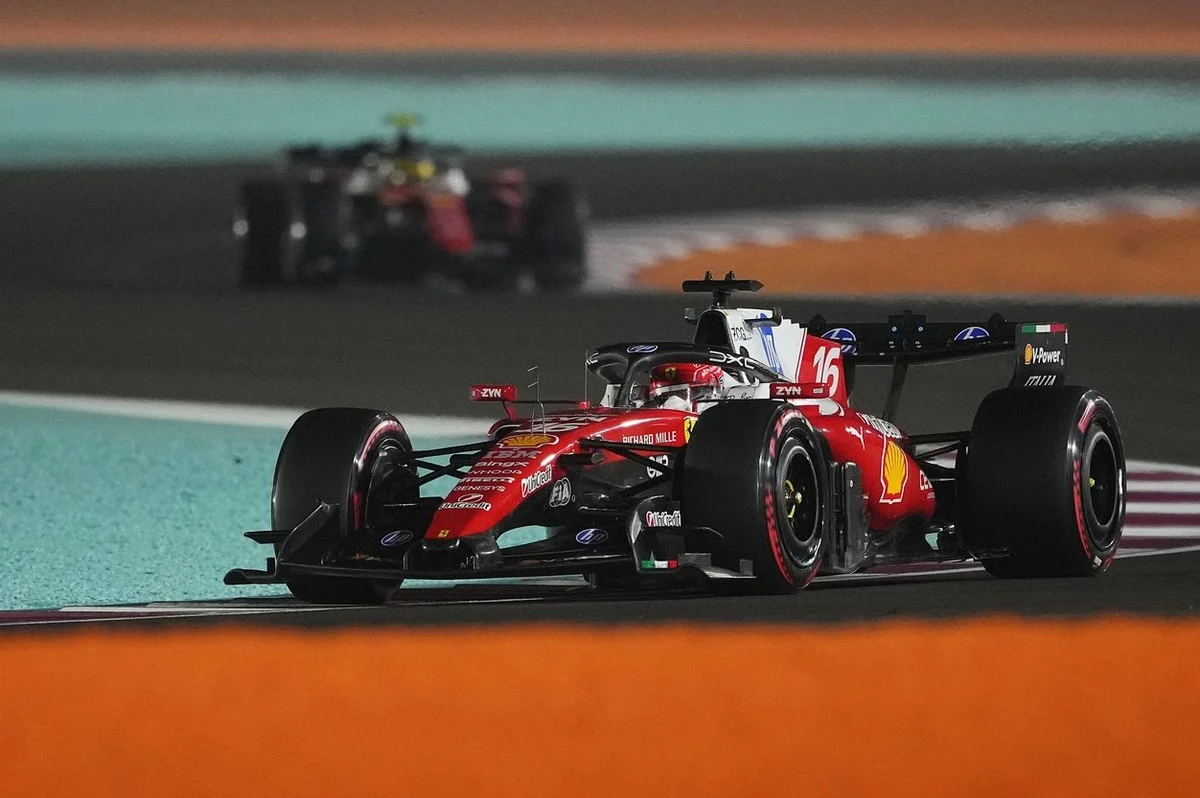
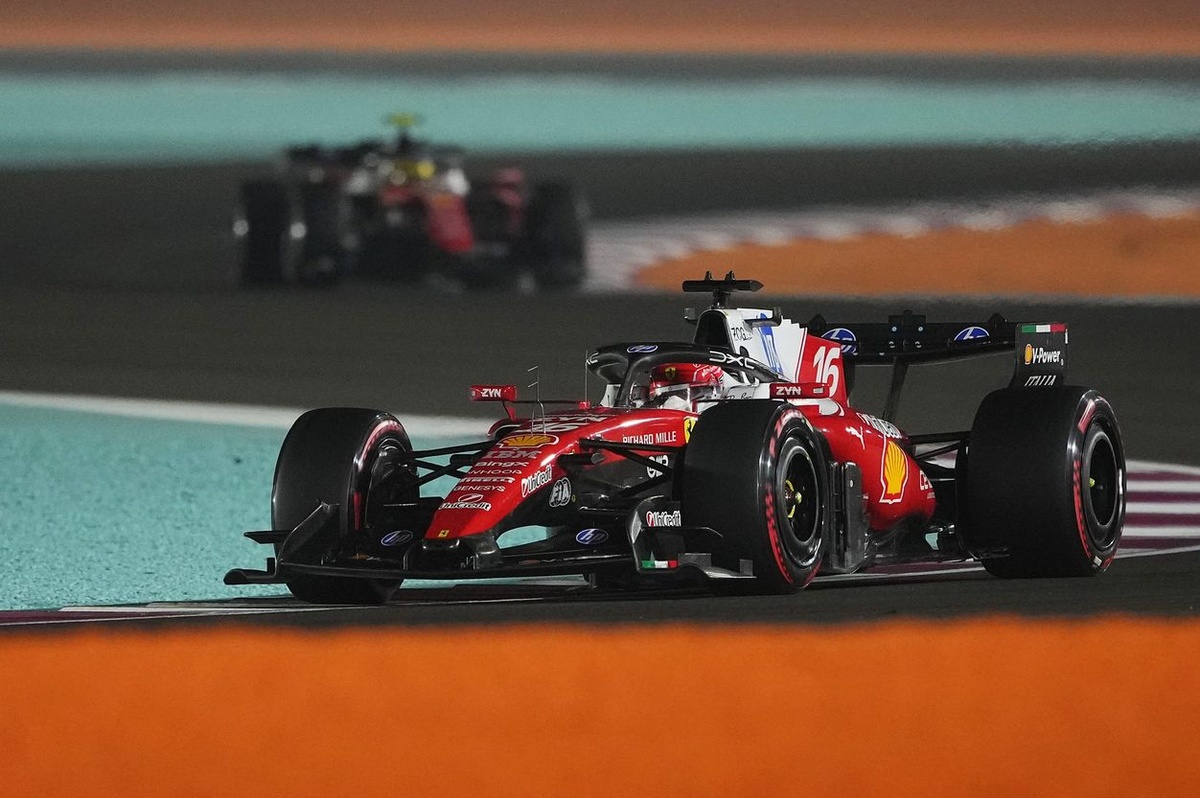
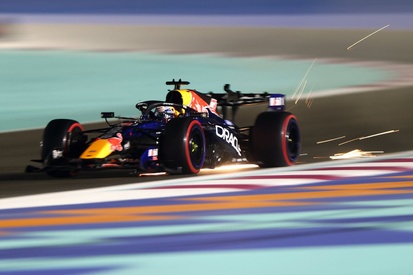
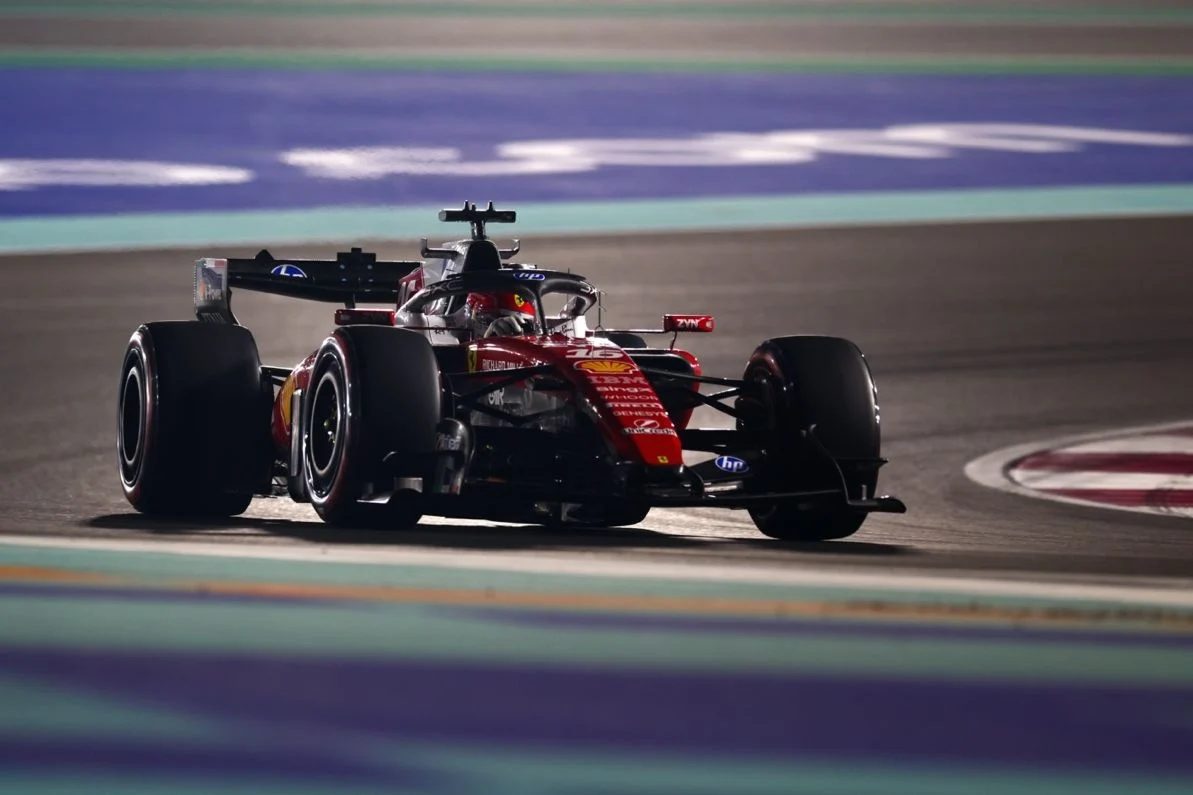
For Scuderia Ferrari, the 2025 Qatar Grand Prix weekend at the Lusail International Circuit has transformed from a promising tactical outing into a baffling, full-blown crisis of pace. Once expected to thrive on the twisting, high-downforce layout of the Qatari track, the Prancing Horse has instead been reduced to fighting for scraps in the midfield, locked in an uncharacteristic and bruising battle with the Racing Bulls rather than competing at the sharp end of the grid.
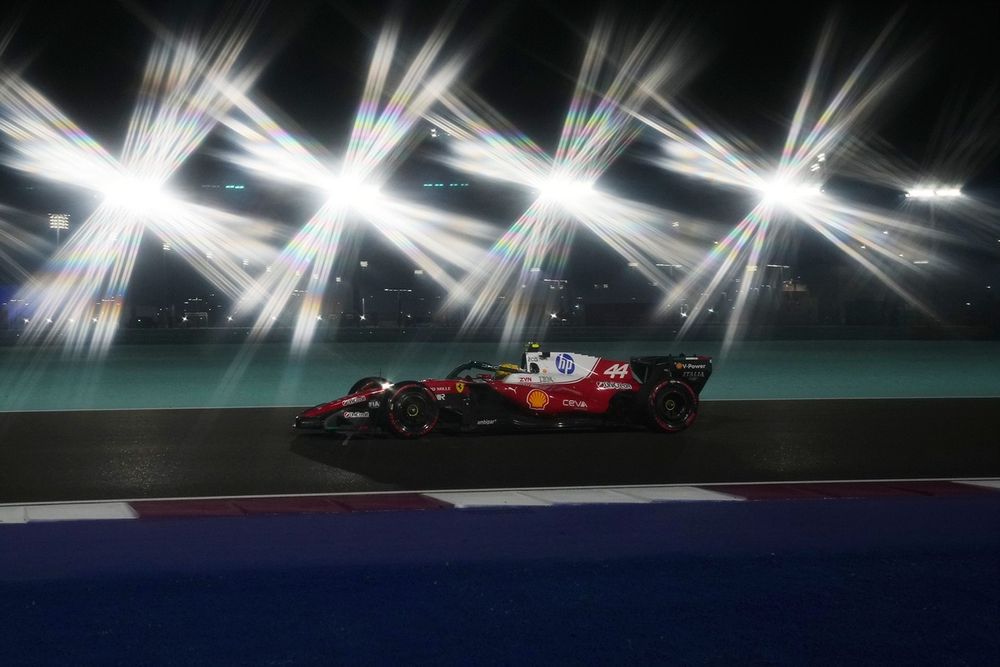
As the dust settles on a dismal qualifying session, the red garage is left desperately chasing answers. With Charles Leclerc down in seventh—a staggering full second adrift of George Russell’s pacesetting Mercedes—and Lewis Hamilton trapped down in ninth, sandwiched between the Racing Bulls of Arvid Lindblad and Liam Lawson, Ferrari’s weaknesses have been laid bare under the Doha floodlights.
Main Facts: The Anatomy of a Qatar Catastrophe
The core of Ferrari’s weekend woes stems from a toxic cocktail of unique track characteristics, tyre regulations, and underlying power unit deficiencies.
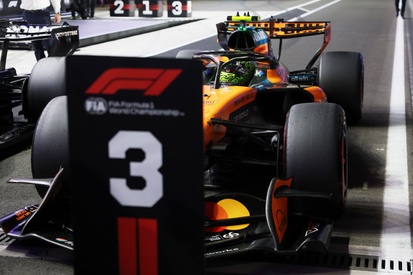
Qualifying Disasters: Charles Leclerc managed only seventh place on the starting grid, while veteran teammate Lewis Hamilton could muster no better than ninth. Both drivers were miles off the pace of the dominant Mercedes cars, which locked out the front of the grid with George Russell taking pole position.
Midfield Reality: Rather than contesting Red Bull and McLaren for podiums, the SF-26 found itself trading lap times directly with the junior Racing Bulls outfit—a humiliation for a team harboring championship aspirations.
Tyre Pressure Hurdles: Pirelli mandated an exceptionally high minimum tyre pressure of 29psi for Lusail to combat extreme loads and high kerb strikes, paired with a maximum stint length of 27 laps. Ferrari’s SF-26 proved fundamentally incapable of bringing its rubber into the correct operating window under these heavy restrictions.
Tarmac Vulnerabilities: Both drivers identified the exceptionally smooth asphalt at Lusail as an Achilles’ heel for the current car concept, a trend that has plagued the team across similar surfaces throughout the season.
Power Deficit: Lewis Hamilton explicitly pointed the finger at Ferrari’s internal combustion engine, noting that the team is suffering from a critical lack of straight-line grunt and acceleration compared to their rivals.
Chronology of a Weekend in Freefall
Trouble was brewing for the Scuderia long before the cars rolled out for Saturday evening’s qualifying hour. The warning signs were visible from the very first lap of Friday’s sole free practice session, setting off a chronological descent into panic and experimentation.
Friday: The Early Warning Signs
From the moment the SF-26 touched the tarmac in Doha, the lap times painted a grim picture. Historically, high-downforce circuits with sweeping medium-to-high-speed corners—such as Lusail—should have played to the mechanical strengths of the Ferrari package. However, both Leclerc and Hamilton immediately reported a complete lack of grip.
While rival teams dialed in their setups during practice, Ferrari engineers chased a moving target. The team bolted on various experimental setup iterations across both cars through Friday and Saturday morning, trying everything from extreme mechanical balance shifts to radically different ride-height configurations. Nothing worked. The car remained fundamentally disconnected from the track surface.
Saturday: Qualifying Collapse
The culmination of these setup struggles arrived under the searing artificial lights of Saturday night’s qualifying session. As the track cooled, the gap between Ferrari and the frontrunners widened.
In Q3, Leclerc wrung the absolute neck out of his SF-26, yet his best effort left him a monumental second off Russell’s benchmark. Hamilton fared even worse, struggling with driveability out of the slow and medium-speed traction zones, leaving him ninth. The session ended with the disheartening reality that Ferrari was no longer a tier-one threat, but merely a spectator to a Mercedes masterclass.
Supporting Data: The Numbers Behind the Misery
To understand the scale of Ferrari’s Qatar deficit, one must look closely at the data generated over the race weekend.
The One-Second Gap: Charles Leclerc’s deficit of 1.014 seconds to pole position in normal conditions is an eternity in modern Formula 1. It represents a massive deficit in aerodynamic efficiency and mechanical grip.
Tyre Pressure Metrics: Pirelli’s 29psi minimum threshold for Lusail is the highest enforced across the entire 24-race calendar. Higher tyre pressures inherently reduce the contact patch of the tyre, decreasing mechanical grip and making thermal management significantly more volatile—a punishing environment for a chassis already struggling with grip generation.
Stint Limitations: With a maximum stint length capped at 27 laps due to safety and structural integrity concerns regarding the Pirelli rubber, tactical flexibility has been stripped away. Teams cannot offset poor one-lap pace with alternative, long-stint degradation strategies as easily as they might on other circuits.
Intra-Team Parity: The closeness of Hamilton (9th) to the Racing Bulls highlights how compressed the midfield has become, and how thoroughly Ferrari has slipped backward. Hamilton was split by Lindblad and Lawson, underlining that the SF-26 was operating on par with junior-team machinery rather than championship-winning hardware.
Official Responses: Team Principal and Driver Reactions
The gravity of the situation prompted candid, unvarnished assessments from the team leadership and its star drivers after qualifying. Team Principal Fred Vasseur did not mince words when speaking to the media.
"It’s the worst of the season, clearly in terms of pace," Vasseur admitted to Sky Sports F1. "We had decent expectations coming to Doha, but from the beginning of the weekend we are struggling with the conditions. Mainly to put the tyres in the right spot, with the very high minimum tyre pressure prescription.
"It’s not an excuse because we all have the same and we are struggling to fix it. When you don’t put the tyres in the right window, you are one second off. We are struggling from the beginning."
Charles Leclerc expanded on the chassis’s behavioral traits, pointing specifically to the nature of the asphalt in Qatar.
"There’s one thing that is quite unique and different here is the tarmac characteristics, which is extremely smooth, and there’s a tendency of us struggling more on smooth tarmacs," Leclerc explained. "This is a lot smoother than anything in the calendar, and it’s definitely a standout for us.
"We’ve tried very different things on the car, but there’s just something that is not working. So, we need to dig a little bit into that and make sure that for next year we take that into account… Because to be champion, we need to be good in those tracks as well, and at the moment we are extremely far.
"Normally, when you are even half a second off to where you expect to be, the car clearly feels very wrong. That’s the worst part of all that—the car doesn’t feel too bad in terms of balance. It’s just that if we push more, we just slide from all four wheels, and we don’t make the corners. So, there was just not enough grip."
Meanwhile, seven-time world champion Lewis Hamilton brought an entirely different dimension to the post-session debrief, pointing an accusing finger at the power unit beneath his engine cover. Despite Lusail’s lack of long, traditional straights, the track demands relentless on-throttle time, exposing power delivery weaknesses.
"It’s just power," Hamilton stated bluntly. "The speed the Mercedes cars already arrive at Turn 12 and then they hold that power. It’s just grunt. We can’t match it.
"It’s a big obstacle. They know where I think they went wrong with this power unit and they are working really, really hard to try and rectify it for next year, but we are a year behind everybody."
Implications: What This Means for Ferrari’s Future
The disaster in Qatar carries profound implications not only for the remainder of the current race weekend, but for the trajectory of the Scuderia heading into the winter break and the subsequent season.
1. The Immediate Grand Prix Outlook
With overtaking historically difficult at Lusail—compounded this weekend by mandatory stint limits and dirty air in high-speed complexes—prospects for a Sunday recovery are bleak. Leclerc himself admitted that hopes of carving through the field are minimal.
"I don’t want to sound pessimistic, but looking at qualifying, we are much closer to the Racing Bulls than we are to the Red Bulls," Leclerc reflected. "I want to look forward, but it’s not going to be an easy day tomorrow."
2. Conceptual Flaws in the Chassis
Leclerc’s identification of the SF-26’s aversion to ultra-smooth tarmac points to a deeper correlation issue within Ferrari’s aerodynamic and suspension departments. In an era of ground-effect regulations where ride height, floor stiffness, and mechanical platform control dictate performance, a weakness on smooth tracks suggests the team’s simulation tools may not be fully capturing how the car interacts with specific surface micro-textures. Fixing this ahead of future regulations is paramount.
3. The Power Unit Bottleneck
Hamilton’s alarming admission regarding the power unit highlights a looming structural hurdle in Maranello. While aerodynamic developments can be brought to every race, engine development is heavily restricted by regulatory freezes, and hardware corrections take months to design, cast, and test. If Ferrari’s internal combustion engine is genuinely lagging a full year behind its competitors in terms of deployable grunt and high-speed energy retention, the engineering team faces a monumental catch-up task to provide their drivers with a championship-winning weapon next season.
Conclusion
As the sun sets over the Persian Gulf, the mood inside the Ferrari hospitality unit is one of heavy introspection. The Qatar Grand Prix has brutally exposed the developmental vulnerabilities of the SF-26. For a team whose identity is built on winning, nights like Saturday in Doha serve as painful reminders of the work still required. Maranello has a long winter ahead, and the answers to the Qatar riddle must be found quickly if Ferrari is to realize its grand ambitions.
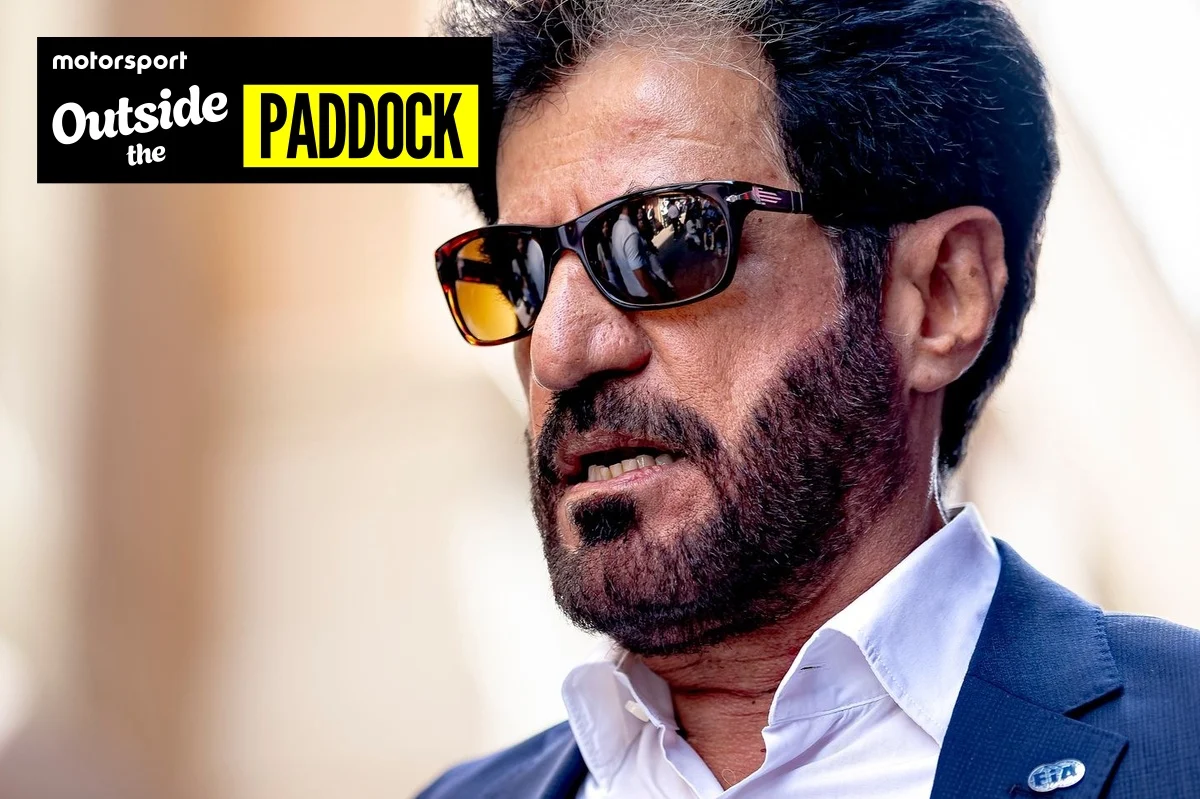
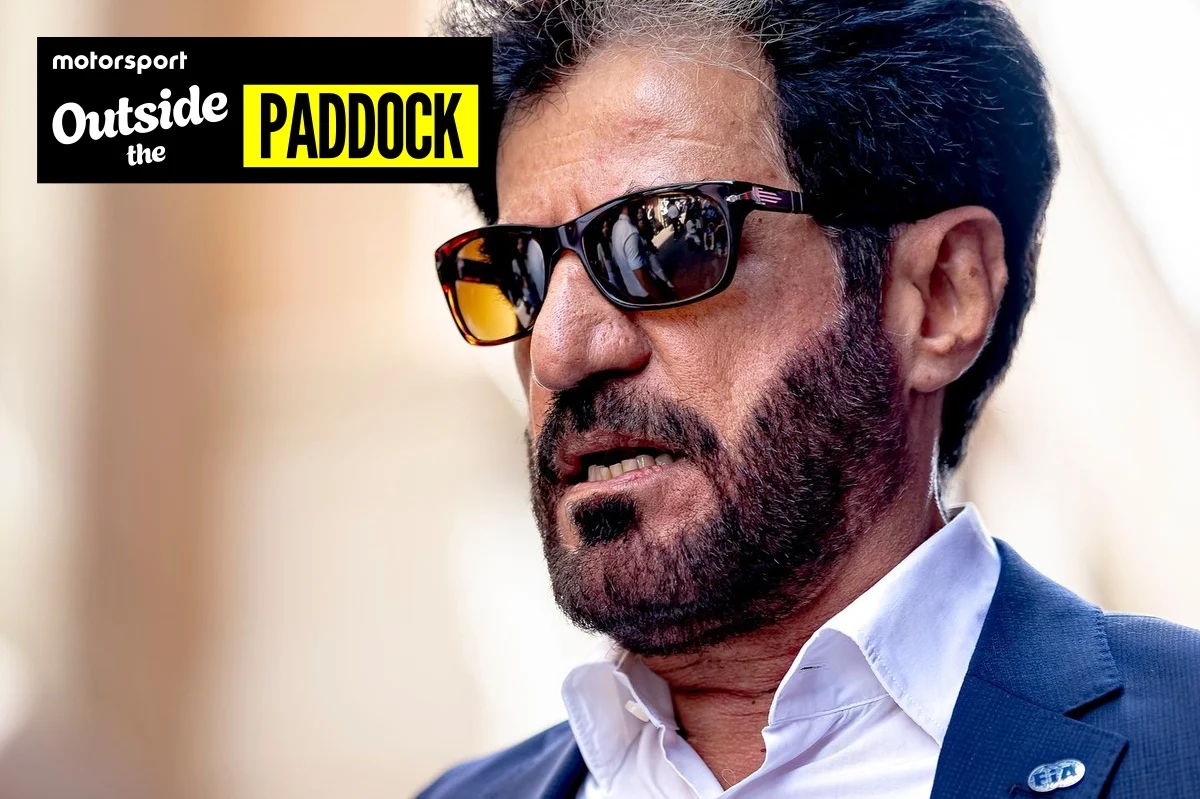
FIA President Mohammed Ben Sulayem Faces Intense Backlash Over "Dangerous" Country Comparison to F1 Drivers
DOHA, Qatar — FIA President Mohammed Ben Sulayem has found himself at the center of a burgeoning controversy following an awkward and politically fraught exchange with Formula 1 drivers George…
Ferrari Left Seeking Answers After a "Very, Very Difficult" Opening Day at the Qatar Grand Prix
LUSAIL INTERNATIONAL CIRCUIT, Qatar — Friday practice sessions at the FIA Formula One World Championship are traditionally characterized by a shroud of competitive ambiguity. Teams cycle through disparate fuel loads,…

 Ali Ikhwan

 Azzam Bilal Chamdy
 Neng Nana
 Pevita Pearce
 Raul Delapena Setiawan
 Asep Darmawan
 Layla Zulfa
 Reynand Wu