
 Evan Lee Salim
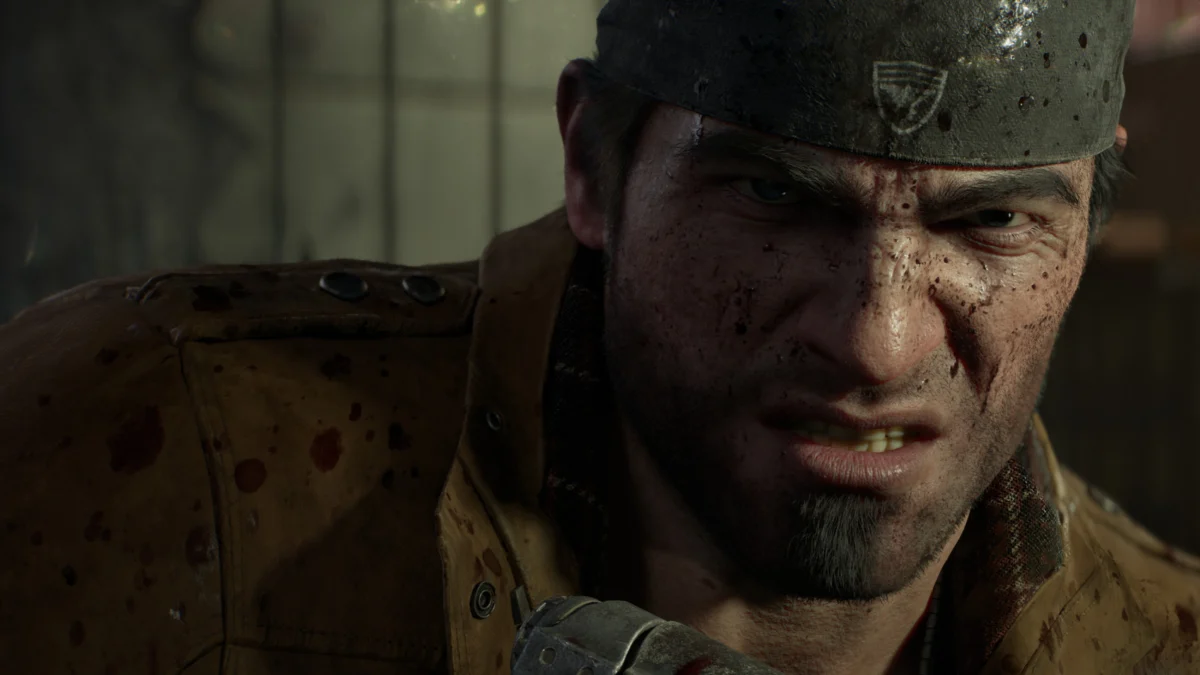
For over three decades, the anthropomorphic, green-furred, gun-toting rabbit known as Jazz Jackrabbit has served as a cornerstone of gaming nostalgia. Created in the early 1990s, the character helped define the era of shareware platformers and propelled Epic Games—then a burgeoning studio known as Epic MegaGames—into the spotlight. However, a modern-day conflict has erupted between the studio and its legendary former designer, Cliff Bleszinski, over the ownership of this iconic IP.
The dispute highlights the murky waters of intellectual property rights in the early days of the video game industry, where "gentleman’s agreements" and creative passion often preceded formal legal documentation.
The Heart of the Dispute: Who Owns the Rabbit?
The tension reached a boiling point in November 2024, when Bleszinski, the visionary behind the Gears of War franchise, took to social media to vent his frustrations regarding the ownership of Jazz. Despite Bleszinski’s efforts to reclaim the rights to the character he claims to have doodled as a teenager, Epic Games has remained steadfast in its stance: they own the Intellectual Property (IP), and they have no intention of relinquishing it.
"After lawyering up, Epic claims they fully own the rights to Jazz Jackrabbit and won’t back down in spite of not having any paperwork to prove it (nor do I)," Bleszinski wrote in a November 7 post on X (formerly Twitter).
The irony, according to Bleszinski, is that the relationship between the two parties is far from severed. Epic continues to distribute the classic Jazz Jackrabbit titles on digital storefronts like GOG.com and, more recently, has integrated the character into Fortnite as the "Jackrabbit Sprite," an in-game item that grants players enhanced mobility. Bleszinski notes that he still receives royalties from these sales, suggesting that some form of legal or contractual framework must exist, even if the original "chain of title" remains buried in the archives of history.
A Chronology of a Cult Classic
To understand the weight of this dispute, one must look back at the origins of the character.
1992: The High School Sketches
Before the glitz and glamour of modern AAA development, Cliff Bleszinski was an ambitious teenager with a sketchbook. He recalls drawing the initial iterations of a cool, adventurous rabbit character long before he set foot in the offices of Epic. These early sketches, which Bleszinski has shared as evidence of his creative authorship, predate his employment at the company.
1994: The Epic MegaGames Era
Bleszinski joined Epic Games in 1992, bringing his creative vision to a studio that was rapidly gaining traction. In 1994, working alongside lead coder Arjan Brussee, Bleszinski launched Jazz Jackrabbit. The game was a critical and commercial success, serving as a flagship title for the studio during the DOS era. It established a precedent for fast-paced, high-quality platforming that would eventually influence the studio’s trajectory for years to come.
2024: The Fortnite Resurgence
For years, Jazz remained a dormant relic of the 90s. However, Epic Games reignited interest in the character by introducing him into Fortnite Chapter 7, Season 4. The inclusion of the "Jackrabbit Sprite" brought the character to a new generation of players, effectively confirming that Epic views the character as a valuable, active asset in their current marketing and gameplay ecosystem.
Supporting Data and Evidence
The central conflict rests on the lack of formal documentation. In the early 90s, the gaming industry was a "wild west." Employment contracts were often informal, and ownership of character designs was rarely scrutinized with the intensity of today’s corporate landscape.
The "Paperwork" Paradox
Bleszinski’s primary argument is one of origin: he created the character as an independent artist before joining the studio. Under standard copyright law, this could suggest that he retained the rights unless they were explicitly signed over. However, Epic’s counter-argument is built on the reality of the game’s development and publication.

The game’s listing on modern storefronts, such as GOG, explicitly identifies Epic Games as both the developer and publisher, and defines "Jazz Jackrabbit" as a registered trademark of Epic Games. By continuing to pay royalties to the original four developers—including Bleszinski—Epic appears to be acknowledging a moral or historical obligation, while simultaneously asserting legal ownership.
The Developer’s Plea
When asked by Limited Run Games CEO Josh Fairhurst if his high school sketches were enough to prove the character predated Epic, Bleszinski expressed a sense of weary resignation. "One would think so," he replied, highlighting the difficulty of fighting a multi-billion dollar corporation over a character that, while iconic, is not the primary focus of their current business model.
Official Responses: The Corporate Wall
In a statement provided to Dexerto, Epic Games clarified their position with cold, corporate precision:
"Epic owns the Jazz Jackrabbit IP. We pay 100% of revenue generated by the Jazz Jackrabbit games on GOG.com to the four individuals who developed the game, including Cliff Bleszinski."
This statement serves as a definitive "no." By highlighting that they distribute 100% of the revenue to the original developers, Epic is effectively arguing that they are the fair stewards of the IP. They are not withholding money; they are withholding control. Notably, the company chose not to address the missing paperwork or the specific claim regarding Bleszinski’s teenage sketches, focusing instead on their current standing as the legal rights holder.
Implications: The Rise of the "Spiritual Sequel"
The resolution of this dispute—or lack thereof—has profound implications for how creators approach their legacy projects. For Bleszinski, the path forward is one of detachment.
"Jazz was my first hit and will always have a spot in my heart," Bleszinski told IGN. However, he acknowledged the reality of the situation: "Business is business, I suppose."
Bleszinski has signaled that he has moved on to other creative pursuits, including his oft-discussed desire to develop a game that blends the gritty, stylistic violence of John Wick with the supernatural themes of Carrie. By accepting that he cannot reclaim the green-furred hare, Bleszinski is choosing the route of the "spiritual sequel."
The Industry Standard
This conflict serves as a cautionary tale for independent developers and artists entering the industry. It underscores the vital importance of clear, unambiguous intellectual property clauses in employment contracts. For the industry at large, the Jazz Jackrabbit case highlights a growing tension between "legacy creators" who want to maintain autonomy over their original characters and the "corporate entities" that own the infrastructure and legal titles necessary to publish and monetize those characters.
As gaming continues to prioritize "reboots" and "remasters," the ownership of 30-year-old characters will become an increasingly common point of contention. Whether it is Bleszinski and Jazz or other legendary developers and their creations, the question of who owns a character—the person who drew them on a high school notebook, or the company that provided the resources to turn them into a digital icon—remains a complex, often unresolved facet of modern game development.
For now, the rabbit stays with Epic, and the creator stays in his heart. As Bleszinski navigates his future projects, he does so with the knowledge that while he may have birthed the hare, the house that built the game holds the leash.

 Dwi Wanna

 Muslim
 Asro
 Ammar Sabilarrohman
 Neng Nana

 Layla Zulfa
 Ali Ikhwan