Siti Muinah
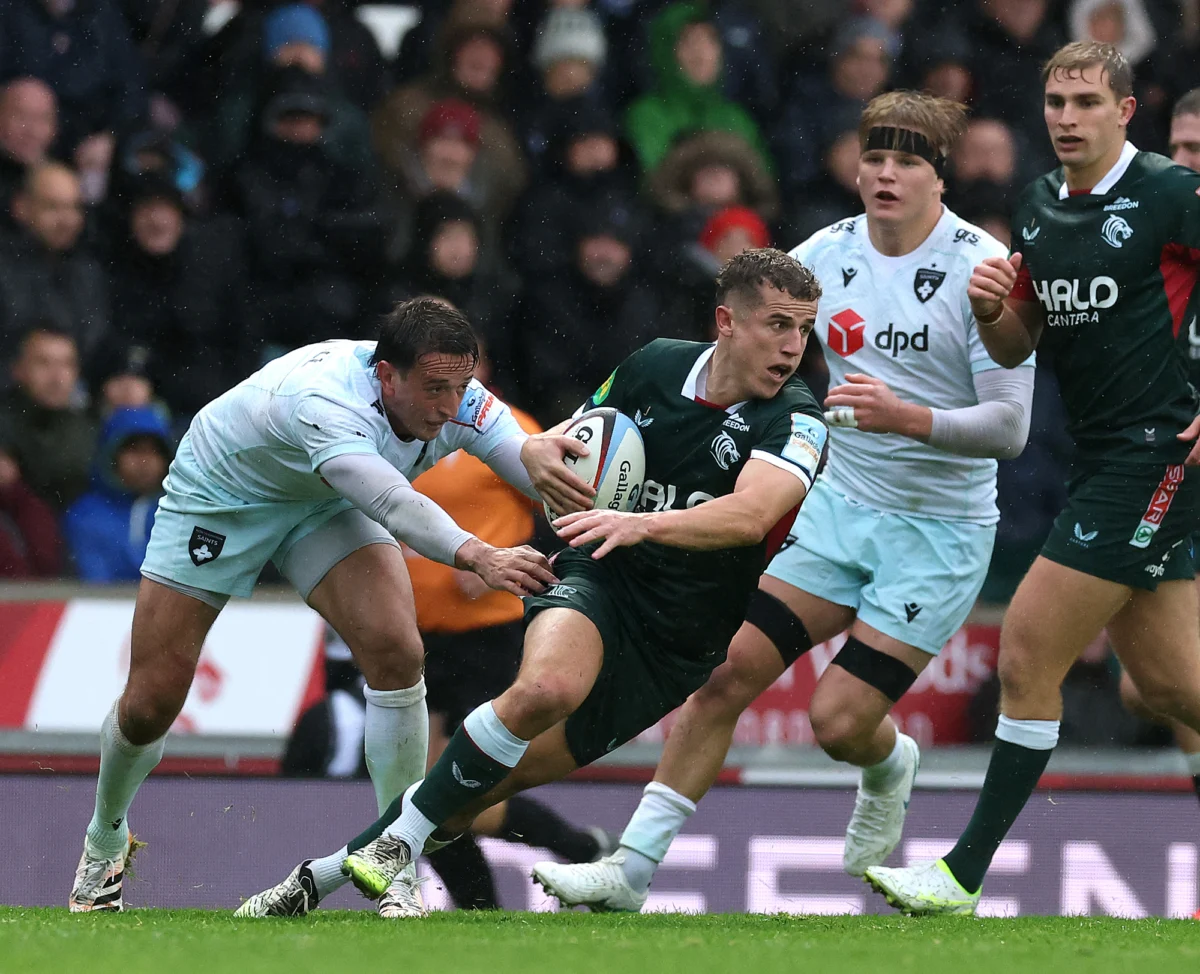
As the dust settles on a frantic opening block of the 2026-27 domestic season, the Gallagher Premiership—along with its counterparts across Europe—is entering a month-long period of introspection and tactical realignment. With the arrival of the November international window, the spotlight shifts from club stadiums to the global stage as the inaugural Nations Championship takes center stage.
For the ten clubs of the Gallagher Premiership, this hiatus represents more than just a break in the schedule; it marks a structural evolution in how English rugby balances the demands of elite international competition with the necessity of a sustainable club calendar.
Main Facts: The Great Domestic Pause
Following the conclusion of the fifth round of fixtures this past weekend, the Gallagher Premiership has officially entered a month-long sabbatical. This strategic break is designed to accommodate the Nations Championship, a prestigious global tournament that will occupy the next four weekends.
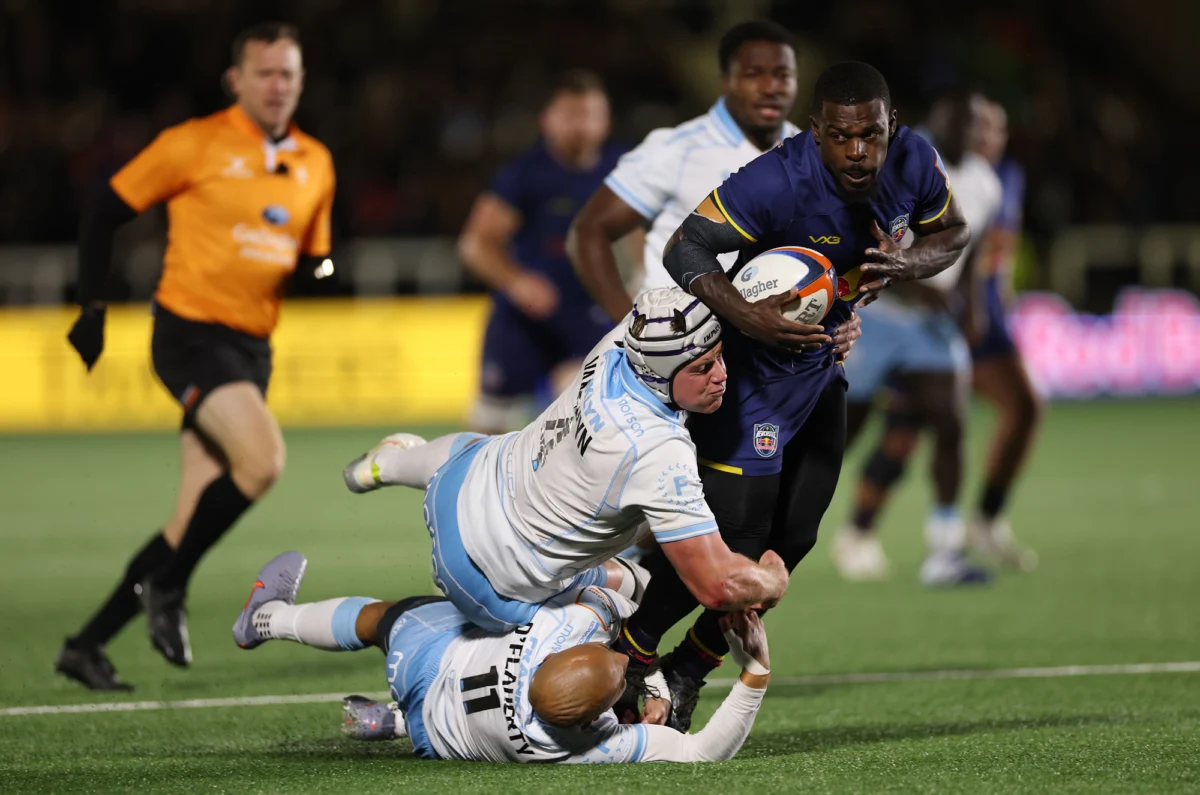
The domestic league is scheduled to resume on Friday, 4 December 2026, with a blockbuster Friday night clash as Bath welcomes Bristol Bears to the Recreation Ground. The weekend of December 4th will also see a full slate of Premiership action, including Gloucester’s home match against the Newcastle Red Bulls, a high-stakes meeting between Harlequins and Leicester Tigers, a Saracens vs. Northampton Saints heavyweight bout, and a coastal collision between Sale Sharks and Exeter Chiefs.
This four-week shutdown is a significant departure from historical norms, where international windows were often bridged by a reduced domestic program. The current structure reflects the league’s adaptation to a leaner, 10-team format following the well-documented financial restructuring of several clubs in previous years.
Chronology: Navigating the November Window
The transition from club to country creates a distinct rhythm to the rugby year. Understanding how this window is structured provides insight into the logistical challenges faced by players and coaches alike.
- October 31 – November 1: The final round of Premiership and United Rugby Championship (URC) fixtures concludes, signaling the start of the international transition.
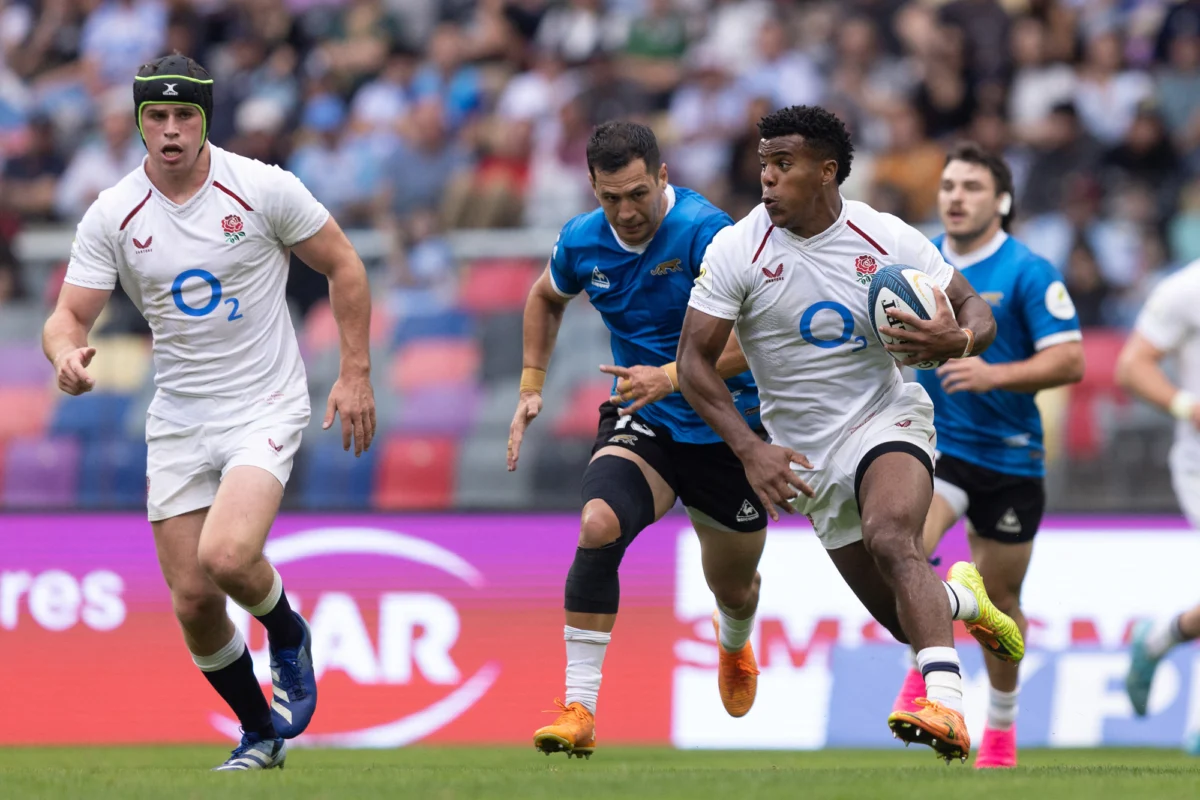
- November 2 – November 30: The Nations Championship window. During this period, the world’s elite talent will represent their respective nations. Domestically, the focus shifts to the Premiership Rugby Cup, which will run three rounds throughout the month.
- December 4 – December 6: The official return of the Gallagher Premiership and the United Rugby Championship.
- November 7 – November 8 (Top 14 Exception): While the English and URC teams are in full hiatus, the French Top 14 continues a truncated schedule, proving that European leagues remain far from uniform in their approach to international release windows.
Supporting Data: Comparative League Strategies
The landscape of European rugby is currently fragmented, with leagues taking different approaches to the November window. While the Gallagher Premiership and the URC have aligned their calendars to ensure a clean break, the Top 14 in France is operating on a hybrid model.
The URC, much like the Premiership, will remain dark throughout November. After their fifth round on October 31, they will resume on December 4 with a fixture list that includes the Ospreys hosting Leinster and the Dragons traveling to Edinburgh. Other key matches include a South African derby between the Lions and the Bulls, as well as the Sharks facing the Stormers.
Conversely, the French Top 14 continues to favor a more continuous approach. There will be a full round of domestic fixtures on the weekend of November 7-8, followed by a two-week break, before the league resumes on November 28. This means the tenth round of the Top 14 will run concurrently with the high-stakes climax of the Nations Championship—a testament to the depth of the French squads, which allows them to sustain high-level domestic play even when international stars are absent.
The Premiership Rugby Cup: A Crucible for Youth
While the "headline" acts are away on international duty, the Premiership clubs are far from dormant. The Premiership Rugby Cup has been strategically positioned to fill this void, serving as an essential developmental tool for Directors of Rugby.

The three rounds of the Cup scheduled for November provide a vital platform for emerging talent. In a season defined by a 10-team league, the margin for error in the Premiership is razor-thin. Consequently, many coaches are hesitant to blood academy prospects in high-pressure league matches. The Cup, however, offers a low-risk, high-reward environment where the next generation can test their mettle against seasoned professionals.
For fans, this is the best time of year to get a glimpse of the future. The absence of international stars is not viewed as a loss of quality, but rather an opportunity for squad rotation, testing depth, and ensuring that every player under contract remains match-fit for the grueling winter months ahead.
Implications: A New Era for English Rugby
The decision to implement a full hiatus during the Nations Championship and the Six Nations is, in many ways, an admission of the realities of the modern game. Following the collapse of major clubs such as Wasps, Worcester Warriors, and London Irish, the Premiership was forced to shrink. This reduction in the number of clubs—and the subsequent reduction in the total number of matches—has inadvertently created the "wiggle room" necessary to honor the international window more comprehensively.
The Sustainability Argument
There is a growing consensus among club owners and administrators that player welfare must be the priority. By aligning the domestic calendar with the international window, the Premiership is mitigating the risk of player burnout and reducing the likelihood of injuries sustained through congested scheduling.
The Commercial Viewpoint
From a commercial perspective, the hiatus is a gamble. Can the Premiership maintain its momentum and television audience during a four-week absence? By pivoting toward the Premiership Rugby Cup and highlighting the domestic competition’s narrative, the league is attempting to keep fans engaged. The hope is that the return in December will feel like a "second opening day," building renewed excitement for the remainder of the season.
The Strategic Shift
The current structure also forces clubs to adopt a more sophisticated approach to squad management. No longer can a team rely on a static starting XV. Instead, success in the 2026-27 season will likely be defined by the "whole squad" mentality. The teams that use this November window most effectively—not just to rest their starters, but to elevate the performance levels of their bench and academy players—will likely be the ones competing for the title in the spring.
Conclusion: Looking Ahead to December
As the sport prepares for the intensity of the Nations Championship, the domestic leagues are entering a period of forced hibernation. Yet, for the savvy supporter, this is not a period of inactivity. It is a time of transition, development, and strategic planning.
When the Gallagher Premiership returns to the Rec on that crisp Friday night in December, the landscape will have shifted. New players will have emerged, team dynamics will have been tested in the Premiership Rugby Cup, and the clubs will be refreshed for the long, hard road to the playoffs. While the international game may dominate the headlines in November, the foundations for a successful season are being built in the training grounds of England throughout this quiet, essential month.
The hiatus is not a pause in the story of the 2026-27 season; it is merely a change of scene, setting the stage for a spectacular winter of rugby.

 Sagoh
 Iffa Jayyana

 Nana Muazin

 rifanmuazin