
 rifanmuazin
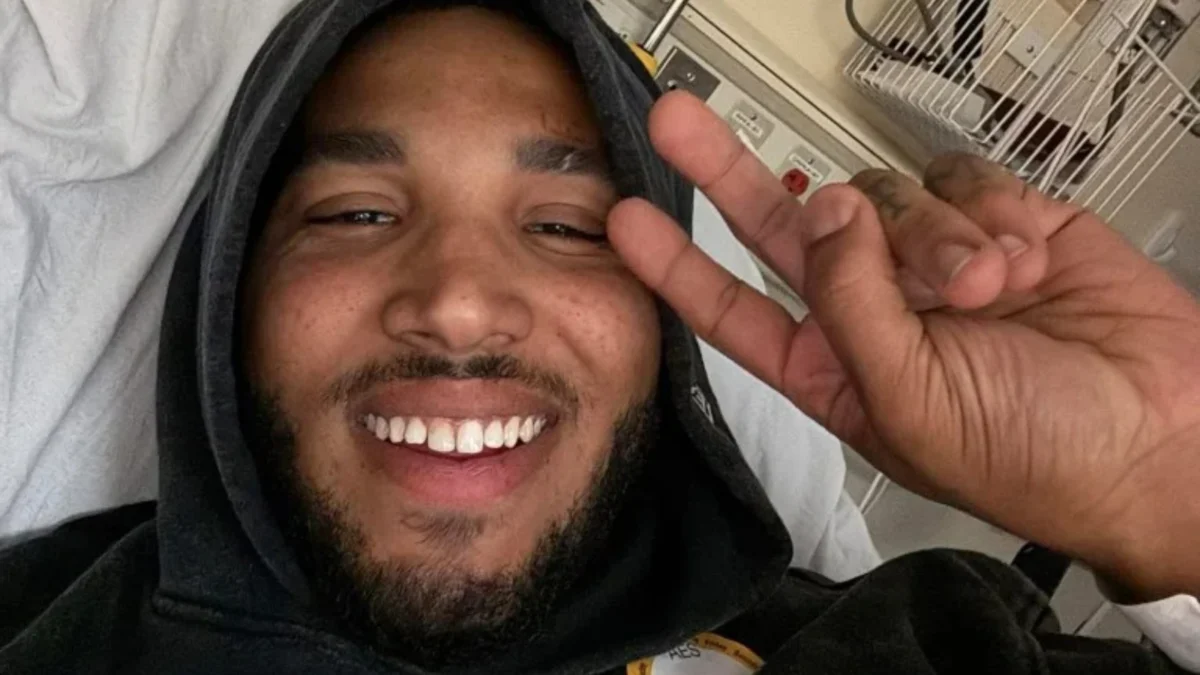
The digital world is mourning the loss of a voice that bridged the gap between terminal illness and communal empathy. Marcel Johnson, a Michigan-based father and entrepreneur known to his hundreds of thousands of followers as "celnoshell," has passed away at the age of 32. His death, confirmed by his wife, Taylor Johnson, on Monday, November 2, marks the end of a 15-month public struggle with stage 4 adenocarcinoma—a journey that redefined how social media users engage with the realities of mortality, parenthood, and resilience.
Mr. Johnson, who operated the local business "Lil Daddy’s Cheesecakes" in Mount Clemens, Michigan, garnered a massive, dedicated following by documenting his cancer diagnosis with unflinching honesty. From the sterilized environment of hospital rooms to the intimate, chaotic, and heartwarming moments of raising five sons, his content provided a raw window into a life interrupted by a terminal prognosis.
The Chronology of a Courageous Fight
The trajectory of Marcel Johnson’s life shifted irrevocably in August 2025. What began as persistent, nagging stomach pain—a symptom many might overlook—led him to an urgent care clinic. Within five days of that initial consultation, medical professionals delivered a life-altering diagnosis: stage 4 adenocarcinoma.
The speed of the diagnosis was as jarring as the severity of the news. In subsequent interviews, including a poignant sit-down with WXYZ Detroit, Johnson recalled the rapid transition from a healthy business owner to a patient told he would require lifelong chemotherapy.
Throughout the subsequent 15 months, the Johnsons navigated a grueling medical landscape. Marcel documented the peaks and valleys of treatment, allowing his audience to witness not only the physical toll of chemotherapy but also the psychological weight of balancing a terminal diagnosis with the responsibilities of being a father to five young children.
The final chapter of his battle unfolded in early November 2026. On Monday, November 2, at 4:45 PM, Johnson succumbed to his illness. His wife, Taylor, shared the heart-wrenching details of his final hours, noting that he had spent the day fighting to remain present for his family. His last words, spoken to Taylor and his son Dedric, were a simple, profound acceptance: "I’m ready to go."
A Community Rallied: Beyond the Screen
While Johnson’s reach was global via TikTok, his impact was deeply rooted in the local Michigan community. The disclosure of his condition sparked a massive outpouring of support that transcended the digital realm. As his health declined, the community of Mount Clemens rallied around the Johnson family, with neighboring businesses organizing fundraisers and local residents contributing to a GoFundMe and other aid efforts to assist with the mounting medical and living expenses.
This symbiosis between online followers and local neighbors highlights the shift in modern community building. Supporters were not merely "fans" of his content; they were participants in his life’s narrative. When Johnson shared a video of himself explaining to his four-year-old son that his treatments were no longer effective, the video resonated far beyond the platform’s algorithm, sparking thousands of messages of grief, prayer, and support. It served as a reminder that behind the digital "creator" label was a man fighting to leave behind a legacy of love for his children.
The Ethics of Remembrance: A Plea Against AI
In the wake of his passing, a modern dilemma has emerged regarding how we memorialize those who lived their lives in the public eye. Taylor Johnson, while appreciative of the immense love shown to her husband, has issued a firm request to his followers: please do not use Artificial Intelligence to generate images or videos of Marcel.
"Can we please not AI Marcel and my family?" Taylor wrote in a Facebook post following his death. "I know everyone means well, but like that does not look like him or us and I feel it’s a slap in the face."

This request highlights a growing tension in the digital age. As generative AI becomes more accessible, well-meaning fans often attempt to "keep the memory alive" by creating synthetic portraits of the deceased. However, as Taylor’s statement underscores, these digital fabrications can feel like a violation of the authentic, human essence that the person fought to represent during their life. Her plea serves as a sobering reminder that for the families of content creators, the internet is not just a platform—it is the archive of their loved one’s memory, and they remain the primary custodians of that legacy.
The Humanization of Terminal Illness
Marcel Johnson’s content was influential precisely because it refused to sugarcoat the experience of terminal cancer. In an era often dominated by curated "perfect" lifestyles, Johnson offered the antithesis: the messy, painful, and beautiful reality of a man attempting to maximize his remaining time.
His journey touched on several critical themes:
- The Burden of Parenthood: Johnson’s most viewed and emotionally resonant content involved his children. He openly addressed the difficulty of explaining his illness to them, a narrative that resonated with countless parents facing similar crises.
- Medical Advocacy: By documenting the speed of his diagnosis, he inadvertently encouraged his followers to listen to their bodies and seek medical attention for persistent symptoms.
- The Dignity of the Patient: By controlling the narrative of his own decline, Johnson reclaimed some of the agency stripped away by his diagnosis. He was not just a "cancer patient"; he was a husband, a baker, and a father.
Implications for Digital Creators and Their Audiences
The loss of Marcel Johnson raises significant questions about the future of parasocial relationships in the age of terminal illness documentation. As creators increasingly share their most intimate health struggles, they create a unique bond with their audience—one that is both supportive and, at times, demanding.
The audience, in turn, finds itself grieving a "friend" they never met in person. This phenomenon is a hallmark of the 21st-century digital experience. However, the tragedy of Johnson’s passing also serves as a reminder of the emotional labor involved in such public transparency. For the family left behind, the digital footprint of their loved one remains active, accessible, and subject to the interpretations of a global audience.
A Legacy That Will Not Fade
Marcel Johnson leaves behind a wife, Taylor, and five sons. While his physical presence is gone, his contribution to the digital discourse on cancer and vulnerability remains. He transformed the isolating experience of a stage 4 diagnosis into a shared experience, proving that even in the face of inevitable tragedy, one can foster a sense of connection that bridges the gap between strangers.
As the tributes continue to pour in across TikTok, Facebook, and Instagram, it is clear that Johnson’s legacy is not just the content he created, but the strength he modeled. He taught his followers that there is dignity in fighting, grace in letting go, and profound importance in cherishing the time we have with those we love.
His family has requested privacy as they navigate this transition, and the outpouring of respect for this boundary will serve as the final test of the community that Marcel built. In honoring his memory, his followers now face the challenge of remembering him not through synthetic or digital recreations, but through the authentic, raw, and human stories he shared during his 32 years of life.
Marcel Johnson’s final message to his family—"I’m ready to go"—was an act of courage. It was the final lesson in a masterclass of living he provided for the world. He taught us that while we cannot control the length of our lives, we can, in large part, control the impact we leave behind. He lived out loud, he loved his family fiercely, and in the end, he faced the darkness with the same transparency he offered his audience from day one. He will be remembered not by the algorithms that hosted his videos, but by the hearts he reached in his brief but deeply meaningful life.


 Nana Wu

 Ali Ikhwan

 Suro Senen

 Siti Muinah
 Layla Zulfa


 Basiran