
 Siti Muinah
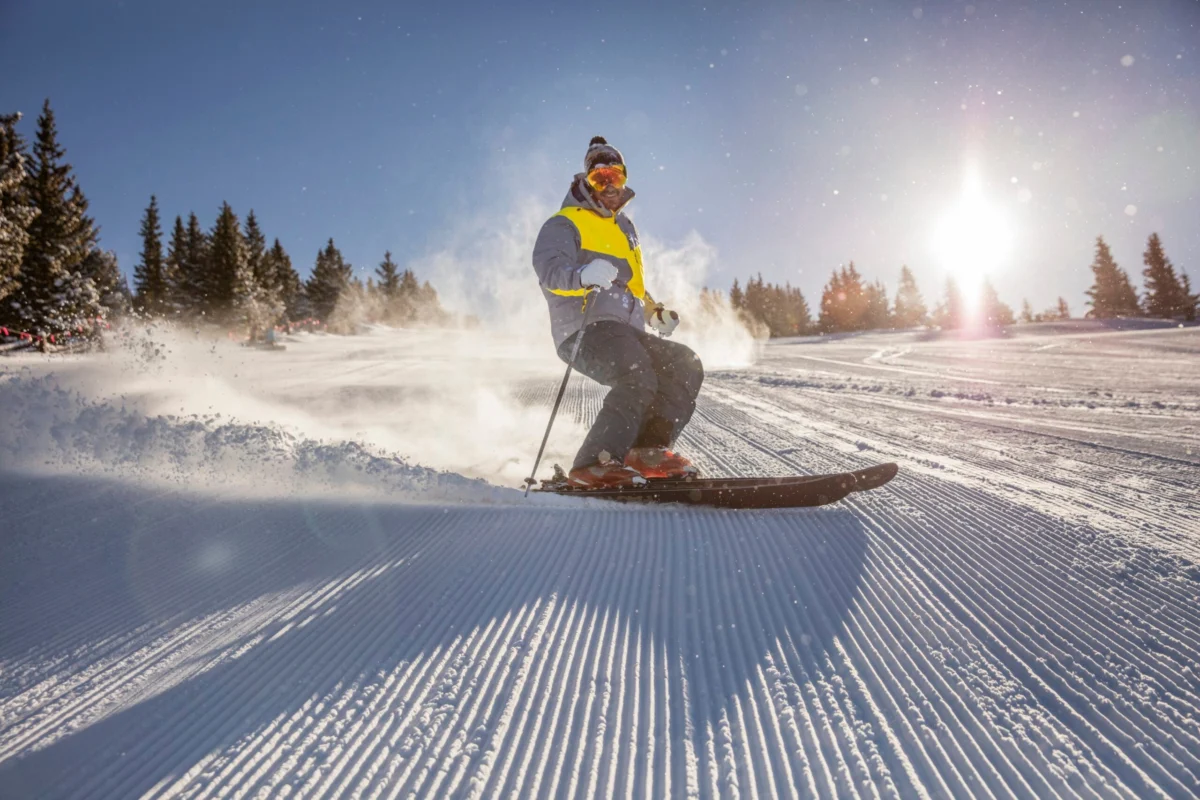
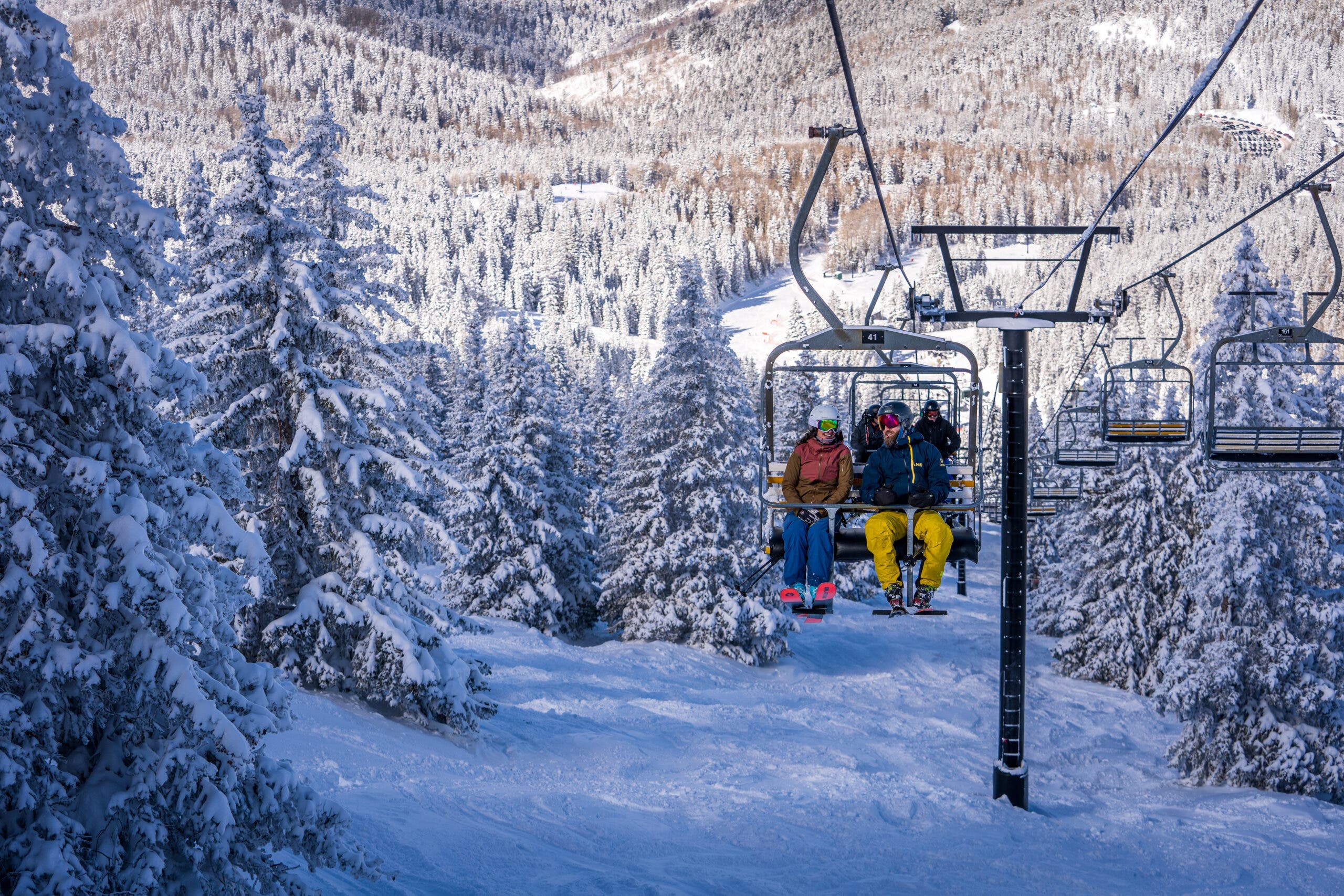
SANTA FE, N.M. — The crisp air of the Sangre de Cristo Mountains carries a distinct chill in November, but on the slopes of Ski Santa Fe, the atmosphere is defined by something much warmer: legacy. As the chairlift chugs steadily upward from the base area toward the 11,075-foot peak, a mechanical rhythm is periodically broken not by silence, but by administrative diligence.
Ben Abruzzo, third-generation owner of the resort, listens intently as a chairlift returning to the base emits a subtle squeak. He notes a groomer that requires immediate attention and points out a fallen orange safety fence draped over the snow. Interrupting the flow of conversation, Abruzzo speaks quietly into a small walkie-talkie mounted on his chest, dispatching staff to resolve micro-issues before they can impact the guest experience.
In an era dominated by mega-pass conglomerates and remote corporate ownership, Abruzzo operates less like a distant CEO and more like a hands-on general manager. Over the course of a single lift ride, it becomes profoundly clear how deeply invested he is—not only in the comfort of the roughly 250,000 visitors who frequent the mountain annually, but in the physical fabric of the terrain itself.
Main Facts: The Anatomy of Ski Santa Fe
Nestled just a 30-minute drive from the heart of New Mexico’s famously artsy capital city, Ski Santa Fe stands as a premier regional destination. Despite being the sole ski area in the immediate vicinity—a reality that could easily breed corporate complacency—the resort maintains an unwavering commitment to operational excellence.
- Elevation: Reaches a peak of 11,075 feet, with base operations starting high in the alpine environment.
- Terrain: Boasts 88 total trails, remarkably balanced across difficulty levels: an even split of black diamonds, blue cruisers, and green beginner runs, alongside three distinct terrain parks.
- Vertical Drop: Offers a substantial 1,800 feet of vertical descent.
- Lift Infrastructure: Serviced by a diverse network of eight lifts, including a high-speed detachable quad, two traditional quads, two triples, a double, and two surface lifts.
- Snowfall & Climate: Receives over 200 inches of natural snowfall annually, averaging around 20 pristine powder days each season.
- Snowmaking Capabilities: Features 42 advanced snow guns connected to a 5-million-gallon storage tank, producing exceptionally dry, high-grade artificial snow.
Chronology: Four Generations in the Making
The story of Ski Santa Fe is inextricably linked to the Abruzzo family tree, spanning nearly seven decades of American ski history.
The Foundation (Late 1950s)
Long before the current generation took the helm, the Abruzzo family’s romance with the snow sports industry began. In the late 1950s, Ben’s grandfather and his partners acquired the Sandia Peak Ski Area in nearby Albuquerque, laying the groundwork for a lifetime of regional mountain stewardship.
The Acquisition (1985)
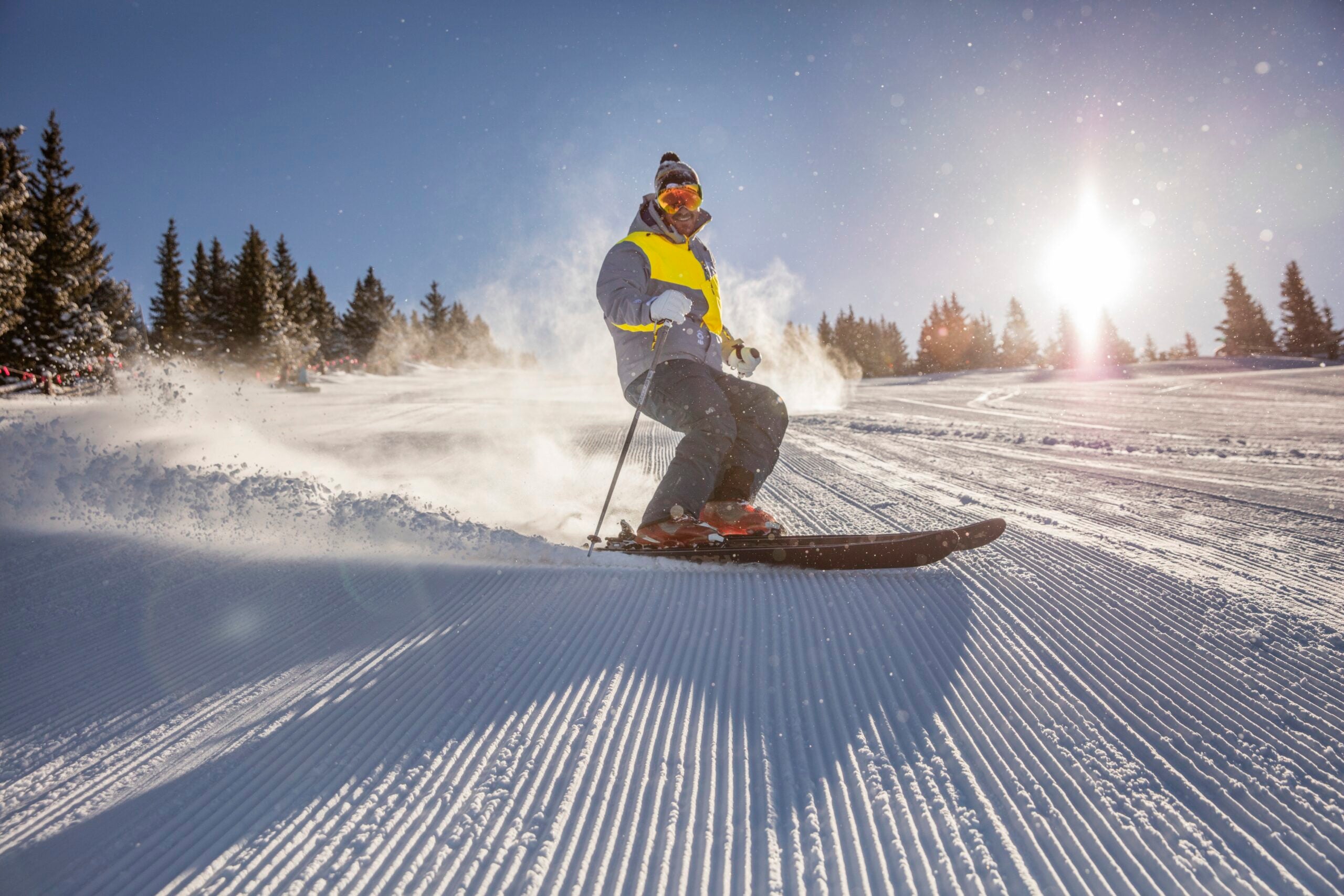
The family’s vision expanded northward in 1985 when Ben’s grandfather, father, and two uncles finalized the purchase of Ski Santa Fe. What began as a strategic family venture quickly evolved into an ancestral home.
Ben Abruzzo’s Early Years and Military Service (1980s–2005)
Ben’s introduction to the ski industry started early. By age 12, he was knee-deep in mountain operations, building mountain bike trails during the sweltering New Mexico summers and fitting ski boots in the rental shop during the winter months.
In 2001, Abruzzo’s trajectory shifted temporarily toward national service. He commissioned as an infantry officer and deployed to Afghanistan with the U.S. Army’s legendary 101st Airborne Division during the height of the Global War on Terror. Returning home in 2005, he resumed his civilian path, working first as an area manager at Sandia Peak before transferring his expertise to Ski Santa Fe in 2010.
The Modern Era (2010–Present)
Abruzzo formally took over leadership of Ski Santa Fe shortly before the onset of the global COVID-19 pandemic. Today, the family lineage has expanded even further. When asked about running a three-generation operation, Abruzzo corrects the record with a laugh: "Both of my kids work here. So, it’s actually four generations."
Supporting Data: Culture, Community, and Blue-Collar Leadership
Corporate ski resorts often preach a gospel of "family," but at Ski Santa Fe, that terminology is validated by extraordinary employee retention rates.
The resort’s institutional knowledge is staggering. The grooming manager has faithfully tended the mountain for three decades. The operations manager mirrors that exact 30-year tenure. Surpassing them both is the ticketing manager, who boasts an impressive 32 years of continuous service.
"I think it’s because we treat our folks right," Abruzzo explains, making a careful distinction about collective ownership. "When I say ‘we,’ I don’t just mean my father, my late grandfather, my uncles, and any other Abruzzo who’s spent time working the mountain. Our mountain manager, our operations manager, all of our full-time staff; they’re all invested because they’re all part of this community."
This blue-collar ethos trickles down from the top. Despite owning the enterprise, Abruzzo still spends his shifts driving snowcats, turning wrenches, and troubleshooting broken chairlift components. It is a mandatory requirement for every member of the senior leadership team.
"We expect all of our managers to be well-versed in the blue-collar side of things," Abruzzo asserts. "And that includes me."
Official Responses and Perspectives
Operating in a region with limited direct local competition places a unique ethical weight on resort ownership. Without rival resorts nipping at their heels, management could easily scale back investments in guest infrastructure. Instead, the Abruzzo family views this monopoly as a profound responsibility.
"If people only have one option, it’d better be a good one," Abruzzo notes.
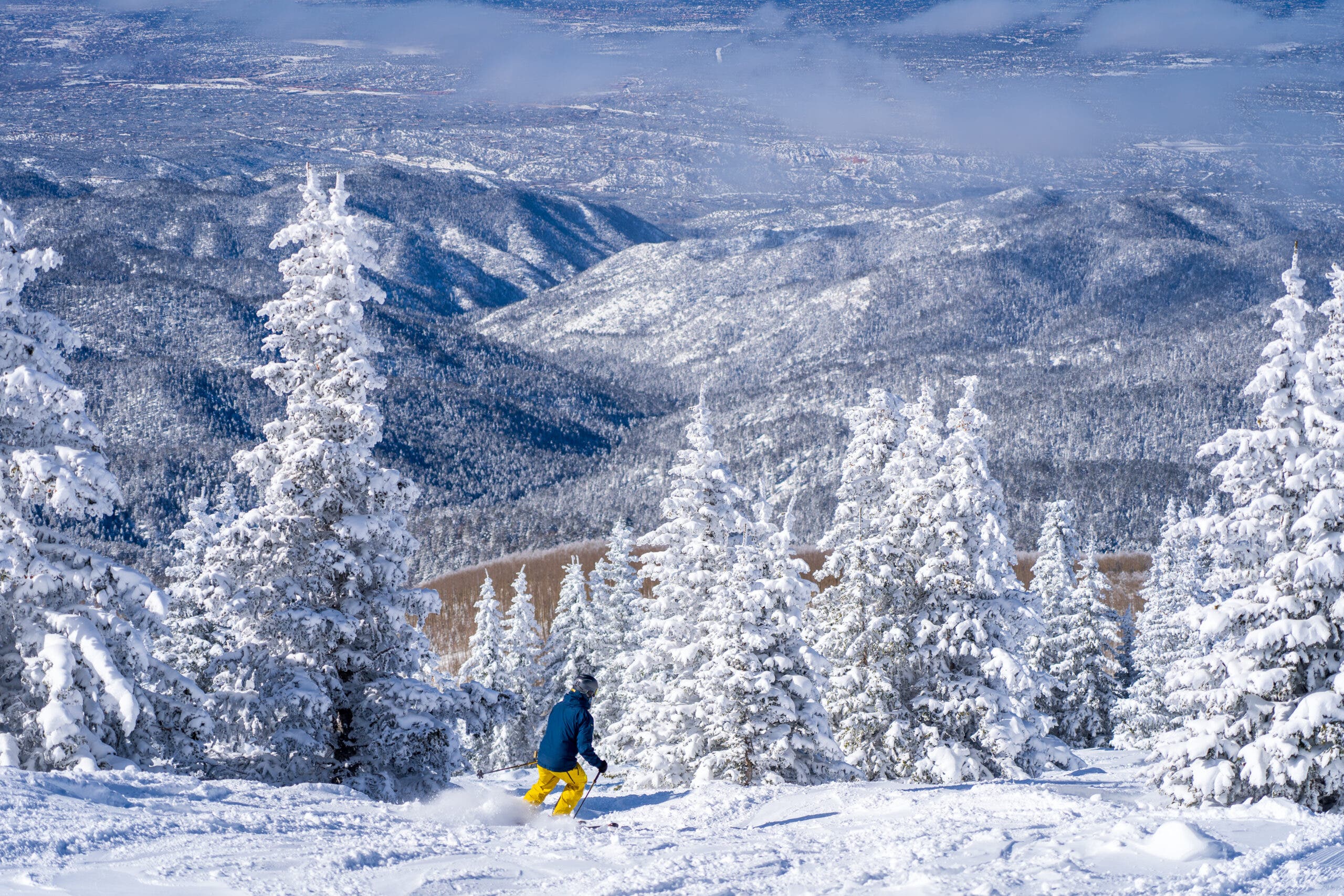
That commitment is particularly visible in the resort’s technical approach to snow preservation. On a typical powder day, thick flakes bury the tall pine trees, creating a winter wonderland that routinely surprises visitors accustomed to packed powder or ice. However, when Mother Nature falls short, Ski Santa Fe’s artificial snow systems pick up the slack.
"We make very dry snow," Abruzzo details, highlighting the tactical advantage of their infrastructure. "It’s dry to the point where we have had snow gun companies write us a custom setting. And what you get is a much nicer surface to ski on that stays nice longer."
This meticulous attention to detail extends across the mountain to landmarks like Totemoff’s. Perched at an astonishing 10,500 feet—higher than the physical peaks of numerous standalone ski areas across North America—Totemoff’s serves as a vibrant alpine watering hole. Surrounded by skiers enjoying craft beers and hot chocolates against a backdrop of live music, the venue encapsulates the community spirit of the mountain. Crucially, apartments for family members and senior staff sit directly above the bar, physically cementing the family’s integration into the landscape.
Implications: The Future of Independent Skiing
The longevity and success of Ski Santa Fe offer a compelling counter-narrative to the prevailing consolidation trends sweeping the North American ski industry. As private equity firms and massive publicly traded conglomerates buy up historic independent hills, standardizing guest experiences and pricing models, Ski Santa Fe demonstrates that hyper-local stewardship remains viable.
Preserving Regional Authenticity
By keeping ownership within the family for four generations, Ski Santa Fe retains a cultural identity deeply rooted in New Mexican heritage. The resort does not answer to out-of-state shareholders demanding quarterly margin expansions; it answers to the local community, the generational staff, and the memory of the Abruzzo ancestors who first envisioned a ski empire in the high desert.
The Value of Hands-On Management
The industry-wide labor crunch has plagued hospitality businesses nationwide. Yet, Ski Santa Fe retains managers for over three decades. The implication is clear: when leadership works side-by-side with employees in sub-zero temperatures—operating snowcats and fixing lifts—company culture transcends corporate rhetoric and becomes a lived reality.
As the snow continues to fall over the Sangre de Cristo range, blanketing the 88 trails in fresh powder, Ski Santa Fe stands resilient. It is a testament to what happens when a business treats its mountain not merely as an asset to be leveraged, but as a lifelong backyard passed lovingly from one generation to the next.


 Muslim
 Azzam Bilal Chamdy

 Suro Senen
 Raul Delapena Setiawan
 Neng Nana

 Lina Hope