Trending News:Racing Bulls Retains Sole Control Over 2027 Line-Up Despite Verstappen-Lawson Mexico ClashKangaroos Eye Perfect Group Stage: Australia Set for Final Pool A Test Against Cook IslandsEmilio Pagán Hits Free Agency: Veteran Reliever Declines Option with Cincinnati RedsSidney McGill Dominates Oro-Medonte to Claim Her Maiden Elite Canadian Cyclocross TitleDakar 2024: Youth Olympic Games Return Amidst Extreme Heat ChallengesChasing the First Chair: Where to Find the Best Early-Season Snow for the 2026–’27 Ski SeasonLong-Shot Glory: Denny Hamlin’s Uphill Battle at Martinsville as Kyle Larson Closes in on NASCAR Cup Series CrownColton Herta’s Formula 1 Superlicence Odyssey: Why the IndyCar Star Is Still One Point ShortDo-or-Die in Wollongong: England’s Rugby League World Cup Future Hangs by a ThreadRays Facing Pivotal Offseason After 2026 World Series RunEmbracing the Pain Cave: Inside Cyclingnews’ Indoor Cycling Week and the Evolution of Virtual TrainingThe Winter Chill on Youth Athletics: How Cold Weather, Cancellations, and Safety Fears Are Threatening the Next Generation of RunnersElectric Pace at the 2026 U.S. Short Course World Championship Trials: A Night of Records and RivalriesThe Ultimate Cross-Border Escape: Why Québec is North America’s Best-Kept Winter SecretHigh Stakes in the Western District: Joe Gibbs Racing Presses for ‘Adverse Inference’ in Legal Battle Over Chris Gabehart’s Deleted TextsPressure Mounts at Brackley: Guenther Steiner Warns George Russell Faces a Crucial F1 CrossroadsThe Future of the Brew: How Starbucks is Leveraging AI to Revolutionize the Drive-Thru ExperienceHigh Stakes at Cbus Super: New Zealand and Fiji Face Off in World Cup DeciderGiants Catcher Andrew Knizner Clears Waivers: A Crossroads in a Veteran’s CareerThe State of Professional Women’s Cycling in 2026: Financial Insecurity and Safety Overshadow Growth, Warns New ReportPull Up a Chair at the AW Editorial Table: Help Shape the Future of Athletics WeeklyHigh Stakes in Genoa: The 52nd Nico Sapio Trophy Sets the Stage for World Championship QualificationThe Ultimate Winter Wilderness: How Québec’s Public Lands and Deep-Snow Culture Are Redefining North American AdventureIs Time Running Out for George Russell at Mercedes? Guenther Steiner Issues Stark F1 Warning"Built Differently": Lewis Hamilton Eyes F1 Longevity, the Rwandan GP, and His Ferrari FutureThe End of the Open Web? Reddit Shifts Strategy Toward Mandatory User AccountsThe Global Stage: Your Comprehensive Guide to the 2026 WXV Global SeriesMets Bolster Utility Depth: Kyren Paris Claimed Off Waivers, Cristian Pache Designated for AssignmentIlluminating the Night: The Definitive Guide to the Best Mountain Bike Lights for 2024 and BeyondStage Set for the 40th Anniversary of the English Cross Country Relays at Berry Hill ParkRecord-Breaking Pace: Westmont Ignites at 2026 U.S. Short Course World Championship TrialsAnother Championship Slips Away: Denny Hamlin Reflects on Resilience, Regrets, and NASCAR’s High-Stakes Chase FormatStalemated Ambition: Manchester City and PSG Locked in Tactical Deadlock at the Joie Stadium"This Year Won’t Break Me": George Russell Defiant Despite 2026 F1 Title Setback and Long-Term AmbitionsViral Outrage: Delivery Driver Faces Backlash After Assaulting Family Pet on PorchGlobal Rugby League Excellence: The 2026 World Cup Reaches Fever PitchThe $500,000 Tee Time: How Nick Hardy’s Calculated Gamble Paid Off at the Mexico OpenLife Time Introduces Mandatory ‘LT Pro Number’ for Elite Off-Road Cycling Events, Reshaping the Professional FieldSpanish Athletics Mourns Promising Long Jumper Julieta Gallego Among 74 Victims of Toledo High-Speed Train TragedySpeed and Strategy: A Comprehensive Report from the 2026 U.S. Short Course World Championship TrialsThe Missing Middle: Why the Ski Industry Is Ignoring the Most Important Backcountry Boot Category"This Year Won’t Break Me": George Russell Reflects on an Inconsistent 2026 F1 Campaign and Looks AheadThe 2026 Mexico Grand Prix: Five Defining Storylines as F1 Enters the Business End of the SeasonMomentum Builds: Tonga Eyes Knockout Stages as Lebanon Fights for SurvivalAstros Consider Reunion with Former Architect Oz Ocampo as Front Office Restructuring ContinuesA Strong Start: U.S. Short Course World Championship Trials Open in WestmontThe White Ribbon Unfurled: Arapahoe Basin Kicks Off North America’s 2026–’27 Ski SeasonFrom YouTube Stardom to Stock Car Grids: Cleetus McFarland and George Siciliano Outline Full-Time ARCA CampaignsAnatomy of a Fall: Inside Christian Horner’s Shocking Ouster from Red Bull RacingBringing the Johto Dairy Farm Home: A Deep Dive into the New Moomoo Milk Kitchen CollectionThe Global Stage Reimagined: A Deep Dive into the 2026 Nations ChampionshipLondon Marathon Considers Landmark Shift to Mixed Elite Women’s Race for 2027Big Ten Preemptively Adopts $49 Million NIL Compensation Cap, Signaling New Era for College AthleticsConquering the Uphill Battle: The Definitive 2027 Backcountry Ski Climbing Skins Gear GuideFrom Open-Wheel to Prototypes: Sting Ray Robb Crosses Over to United Autosports for Asian Le Mans Series DebutFrom Practice Purgatory to Podium Glory: How Kimi Antonelli and Mercedes Defied the Odds at COTAThe Great Unraveling: England’s Red Roses Face Defining Test After Historic Loss to CanadaThe Mariners’ Managerial Search: A Crossroads for Seattle’s FutureWinter Gear Guide: Expert Testers Put the Best Heated Gloves of 2026 Through Sub-Zero TrialsA Stay of Execution: Indian River State College Swimmers Win Temporary Reprieve in Fight to Save Historic ProgramCarabao Cup Chaos: Fleetwood Town Push Arsenal to the Brink in Surreal Highbury EncounterTales of Two Garages: Inside Mercedes’ Austin Paradox and George Russell’s Early-Season StrugglesThe Silicon Resurrection: How a YouTuber Transformed the 1985 NES into a Fully Functional PCBetting the 2026 VidantaWorld Mexico Open: Insights and Expert Analysis for the FedExCup Fall SeriesA New Horizon: Lucinda Brand Embarks on an ‘Exciting New Chapter’ with Canyon-SRAM Scalable CapitalWhy Pacing a Marathon is Just Risk Management in TrainersHigh Stakes in Westmont: The Inaugural US Short Course World Championship TrialsThe Hidden Key to Winter Safety: Why Every Skier Needs to Train Their Gluteus MediusThe End of an Era: Inside Brad Keselowski’s Shocking Departure from RFK RacingRed Bull’s Narrow Setup Window Threatening Verstappen and Hadjar’s 20th F1 Campaign: Naomi Schiff’s AnalysisAll or Nothing: Kiwis Face Must-Win Clash Against Cook Islands in Rugby League World Cup 2026Mets Reshape Coaching Staff: Mariano Duncan Elevated to Big League Role; Long and Mallee Out of ConsiderationThe Battle for Yellow: Analyzing the Contenders, Route, and Stakes of the 2027 Tour de France FemmesThe Ultimate Pre-Season Ski Gear Inspection Guide: Expert Strategies to Prepare for Opening DayRed Bull’s Narrow Set-Up Window Threatening Verstappen and Hadjar’s 2026 F1 Campaigns, Warns Naomi SchiffPhantom Debris, Radio Meltdowns, and a Silver Lining: Inside Red Bull’s Turbulent US Grand PrixChasing Immortality: The Premiership’s Most Prolific Try ScorersThe Truth About Your Missed Putts: Why Top-100 Teacher Stephen Sweeney Wants You to Stop GuessingThe Seixas Enigma: Inside the Future Planning of Cycling’s Youngest Monument WinnerBuilding a Future in Pittsburgh: Aubrey Buchanan and Emee Henkel Headline Wave of 2027 CommitmentsBeyond the Flakes: Inside the High-Stakes World of Modern Ski Resort SnowmakingDamage Control in Texas: Inside Red Bull’s Turbulent United States Grand Prix WeekendTriumph Over the Elements: Ethiopian Victories and Historic German Breakthroughs at the 43rd Mainova Frankfurt MarathonCal Golden Bears Sweep Saint Mary’s in Dominant Dual Meet ShowcaseThe Ultimate Pre-Season Migration: Snowbound Expo Returns to Mohegan Sun for 2026Red Bull Under Pressure: Isack Hadjar Demands Urgent Clutch Redesign After US Grand Prix DisasterInside the Mercedes Masterclass: Toto Wolff Demystifies the Brutal Science of F1 ScoutingA Message from the Past: The 53-Year Journey of an Ocean City Time CapsuleKangaroos Ready to Roar: Australia Faces Fiji in High-Stakes World Cup Clash at SuncorpAstros Bolster Player Development Infrastructure with Appointment of Conner Watson as Director of HittingRising Star: Katelyn Borland Announces Commitment to University of Tampa SwimmingThe Ultimate 2026 Holiday Gift Guide for Skiers: Top Gear and Apparel From REI to Rule the SlopesInside the Mercedes F1 Scouting Matrix: Toto Wolff Pulls Back the Curtain on Finding Generation-Defining TalentRugby League World Cup 2026: Samoa Faces High-Stakes Test Against Co-Hosts Papua New GuineaWyseure Conquers the Sand at Heerderstrand: A Tactical Masterclass Secures His Maiden Cyclo-Cross VictoryTigers Roar: LSU Swimming and Diving Dominates Texas A&M in Statement Dual Meet VictoryU.S. Women’s Alpine Ski Team Ready to Defend Historic Legacy at Sölden World Cup OpenerFrom IndyCar Prodigy to F1 Aspirant: Colton Herta’s Arduous European Odyssey and the Quest for a Cadillac FutureWorld Cup Survival: England’s Desperate Bid for Redemption Against FranceFrom Host-Housing Hero to PGA Tour Member: The Remarkable Rise of Davis Lamb
Trending News:Racing Bulls Retains Sole Control Over 2027 Line-Up Despite Verstappen-Lawson Mexico ClashKangaroos Eye Perfect Group Stage: Australia Set for Final Pool A Test Against Cook IslandsEmilio Pagán Hits Free Agency: Veteran Reliever Declines Option with Cincinnati RedsSidney McGill Dominates Oro-Medonte to Claim Her Maiden Elite Canadian Cyclocross TitleDakar 2024: Youth Olympic Games Return Amidst Extreme Heat ChallengesChasing the First Chair: Where to Find the Best Early-Season Snow for the 2026–’27 Ski SeasonLong-Shot Glory: Denny Hamlin’s Uphill Battle at Martinsville as Kyle Larson Closes in on NASCAR Cup Series CrownColton Herta’s Formula 1 Superlicence Odyssey: Why the IndyCar Star Is Still One Point ShortDo-or-Die in Wollongong: England’s Rugby League World Cup Future Hangs by a ThreadRays Facing Pivotal Offseason After 2026 World Series RunEmbracing the Pain Cave: Inside Cyclingnews’ Indoor Cycling Week and the Evolution of Virtual TrainingThe Winter Chill on Youth Athletics: How Cold Weather, Cancellations, and Safety Fears Are Threatening the Next Generation of RunnersElectric Pace at the 2026 U.S. Short Course World Championship Trials: A Night of Records and RivalriesThe Ultimate Cross-Border Escape: Why Québec is North America’s Best-Kept Winter SecretHigh Stakes in the Western District: Joe Gibbs Racing Presses for ‘Adverse Inference’ in Legal Battle Over Chris Gabehart’s Deleted TextsPressure Mounts at Brackley: Guenther Steiner Warns George Russell Faces a Crucial F1 CrossroadsThe Future of the Brew: How Starbucks is Leveraging AI to Revolutionize the Drive-Thru ExperienceHigh Stakes at Cbus Super: New Zealand and Fiji Face Off in World Cup DeciderGiants Catcher Andrew Knizner Clears Waivers: A Crossroads in a Veteran’s CareerThe State of Professional Women’s Cycling in 2026: Financial Insecurity and Safety Overshadow Growth, Warns New ReportPull Up a Chair at the AW Editorial Table: Help Shape the Future of Athletics WeeklyHigh Stakes in Genoa: The 52nd Nico Sapio Trophy Sets the Stage for World Championship QualificationThe Ultimate Winter Wilderness: How Québec’s Public Lands and Deep-Snow Culture Are Redefining North American AdventureIs Time Running Out for George Russell at Mercedes? Guenther Steiner Issues Stark F1 Warning"Built Differently": Lewis Hamilton Eyes F1 Longevity, the Rwandan GP, and His Ferrari FutureThe End of the Open Web? Reddit Shifts Strategy Toward Mandatory User AccountsThe Global Stage: Your Comprehensive Guide to the 2026 WXV Global SeriesMets Bolster Utility Depth: Kyren Paris Claimed Off Waivers, Cristian Pache Designated for AssignmentIlluminating the Night: The Definitive Guide to the Best Mountain Bike Lights for 2024 and BeyondStage Set for the 40th Anniversary of the English Cross Country Relays at Berry Hill ParkRecord-Breaking Pace: Westmont Ignites at 2026 U.S. Short Course World Championship TrialsAnother Championship Slips Away: Denny Hamlin Reflects on Resilience, Regrets, and NASCAR’s High-Stakes Chase FormatStalemated Ambition: Manchester City and PSG Locked in Tactical Deadlock at the Joie Stadium"This Year Won’t Break Me": George Russell Defiant Despite 2026 F1 Title Setback and Long-Term AmbitionsViral Outrage: Delivery Driver Faces Backlash After Assaulting Family Pet on PorchGlobal Rugby League Excellence: The 2026 World Cup Reaches Fever PitchThe $500,000 Tee Time: How Nick Hardy’s Calculated Gamble Paid Off at the Mexico OpenLife Time Introduces Mandatory ‘LT Pro Number’ for Elite Off-Road Cycling Events, Reshaping the Professional FieldSpanish Athletics Mourns Promising Long Jumper Julieta Gallego Among 74 Victims of Toledo High-Speed Train TragedySpeed and Strategy: A Comprehensive Report from the 2026 U.S. Short Course World Championship TrialsThe Missing Middle: Why the Ski Industry Is Ignoring the Most Important Backcountry Boot Category"This Year Won’t Break Me": George Russell Reflects on an Inconsistent 2026 F1 Campaign and Looks AheadThe 2026 Mexico Grand Prix: Five Defining Storylines as F1 Enters the Business End of the SeasonMomentum Builds: Tonga Eyes Knockout Stages as Lebanon Fights for SurvivalAstros Consider Reunion with Former Architect Oz Ocampo as Front Office Restructuring ContinuesA Strong Start: U.S. Short Course World Championship Trials Open in WestmontThe White Ribbon Unfurled: Arapahoe Basin Kicks Off North America’s 2026–’27 Ski SeasonFrom YouTube Stardom to Stock Car Grids: Cleetus McFarland and George Siciliano Outline Full-Time ARCA CampaignsAnatomy of a Fall: Inside Christian Horner’s Shocking Ouster from Red Bull RacingBringing the Johto Dairy Farm Home: A Deep Dive into the New Moomoo Milk Kitchen CollectionThe Global Stage Reimagined: A Deep Dive into the 2026 Nations ChampionshipLondon Marathon Considers Landmark Shift to Mixed Elite Women’s Race for 2027Big Ten Preemptively Adopts $49 Million NIL Compensation Cap, Signaling New Era for College AthleticsConquering the Uphill Battle: The Definitive 2027 Backcountry Ski Climbing Skins Gear GuideFrom Open-Wheel to Prototypes: Sting Ray Robb Crosses Over to United Autosports for Asian Le Mans Series DebutFrom Practice Purgatory to Podium Glory: How Kimi Antonelli and Mercedes Defied the Odds at COTAThe Great Unraveling: England’s Red Roses Face Defining Test After Historic Loss to CanadaThe Mariners’ Managerial Search: A Crossroads for Seattle’s FutureWinter Gear Guide: Expert Testers Put the Best Heated Gloves of 2026 Through Sub-Zero TrialsA Stay of Execution: Indian River State College Swimmers Win Temporary Reprieve in Fight to Save Historic ProgramCarabao Cup Chaos: Fleetwood Town Push Arsenal to the Brink in Surreal Highbury EncounterTales of Two Garages: Inside Mercedes’ Austin Paradox and George Russell’s Early-Season StrugglesThe Silicon Resurrection: How a YouTuber Transformed the 1985 NES into a Fully Functional PCBetting the 2026 VidantaWorld Mexico Open: Insights and Expert Analysis for the FedExCup Fall SeriesA New Horizon: Lucinda Brand Embarks on an ‘Exciting New Chapter’ with Canyon-SRAM Scalable CapitalWhy Pacing a Marathon is Just Risk Management in TrainersHigh Stakes in Westmont: The Inaugural US Short Course World Championship TrialsThe Hidden Key to Winter Safety: Why Every Skier Needs to Train Their Gluteus MediusThe End of an Era: Inside Brad Keselowski’s Shocking Departure from RFK RacingRed Bull’s Narrow Setup Window Threatening Verstappen and Hadjar’s 20th F1 Campaign: Naomi Schiff’s AnalysisAll or Nothing: Kiwis Face Must-Win Clash Against Cook Islands in Rugby League World Cup 2026Mets Reshape Coaching Staff: Mariano Duncan Elevated to Big League Role; Long and Mallee Out of ConsiderationThe Battle for Yellow: Analyzing the Contenders, Route, and Stakes of the 2027 Tour de France FemmesThe Ultimate Pre-Season Ski Gear Inspection Guide: Expert Strategies to Prepare for Opening DayRed Bull’s Narrow Set-Up Window Threatening Verstappen and Hadjar’s 2026 F1 Campaigns, Warns Naomi SchiffPhantom Debris, Radio Meltdowns, and a Silver Lining: Inside Red Bull’s Turbulent US Grand PrixChasing Immortality: The Premiership’s Most Prolific Try ScorersThe Truth About Your Missed Putts: Why Top-100 Teacher Stephen Sweeney Wants You to Stop GuessingThe Seixas Enigma: Inside the Future Planning of Cycling’s Youngest Monument WinnerBuilding a Future in Pittsburgh: Aubrey Buchanan and Emee Henkel Headline Wave of 2027 CommitmentsBeyond the Flakes: Inside the High-Stakes World of Modern Ski Resort SnowmakingDamage Control in Texas: Inside Red Bull’s Turbulent United States Grand Prix WeekendTriumph Over the Elements: Ethiopian Victories and Historic German Breakthroughs at the 43rd Mainova Frankfurt MarathonCal Golden Bears Sweep Saint Mary’s in Dominant Dual Meet ShowcaseThe Ultimate Pre-Season Migration: Snowbound Expo Returns to Mohegan Sun for 2026Red Bull Under Pressure: Isack Hadjar Demands Urgent Clutch Redesign After US Grand Prix DisasterInside the Mercedes Masterclass: Toto Wolff Demystifies the Brutal Science of F1 ScoutingA Message from the Past: The 53-Year Journey of an Ocean City Time CapsuleKangaroos Ready to Roar: Australia Faces Fiji in High-Stakes World Cup Clash at SuncorpAstros Bolster Player Development Infrastructure with Appointment of Conner Watson as Director of HittingRising Star: Katelyn Borland Announces Commitment to University of Tampa SwimmingThe Ultimate 2026 Holiday Gift Guide for Skiers: Top Gear and Apparel From REI to Rule the SlopesInside the Mercedes F1 Scouting Matrix: Toto Wolff Pulls Back the Curtain on Finding Generation-Defining TalentRugby League World Cup 2026: Samoa Faces High-Stakes Test Against Co-Hosts Papua New GuineaWyseure Conquers the Sand at Heerderstrand: A Tactical Masterclass Secures His Maiden Cyclo-Cross VictoryTigers Roar: LSU Swimming and Diving Dominates Texas A&M in Statement Dual Meet VictoryU.S. Women’s Alpine Ski Team Ready to Defend Historic Legacy at Sölden World Cup OpenerFrom IndyCar Prodigy to F1 Aspirant: Colton Herta’s Arduous European Odyssey and the Quest for a Cadillac FutureWorld Cup Survival: England’s Desperate Bid for Redemption Against FranceFrom Host-Housing Hero to PGA Tour Member: The Remarkable Rise of Davis Lamb
MILTON KEYNES — In the high-stakes, pressurized environment of Formula 1, paddock politics and on-track friction are constant companions. However, the boundaries separating senior team influence from junior squad autonomy were firmly reinforced this weekend ahead of the Mexican Grand Prix.
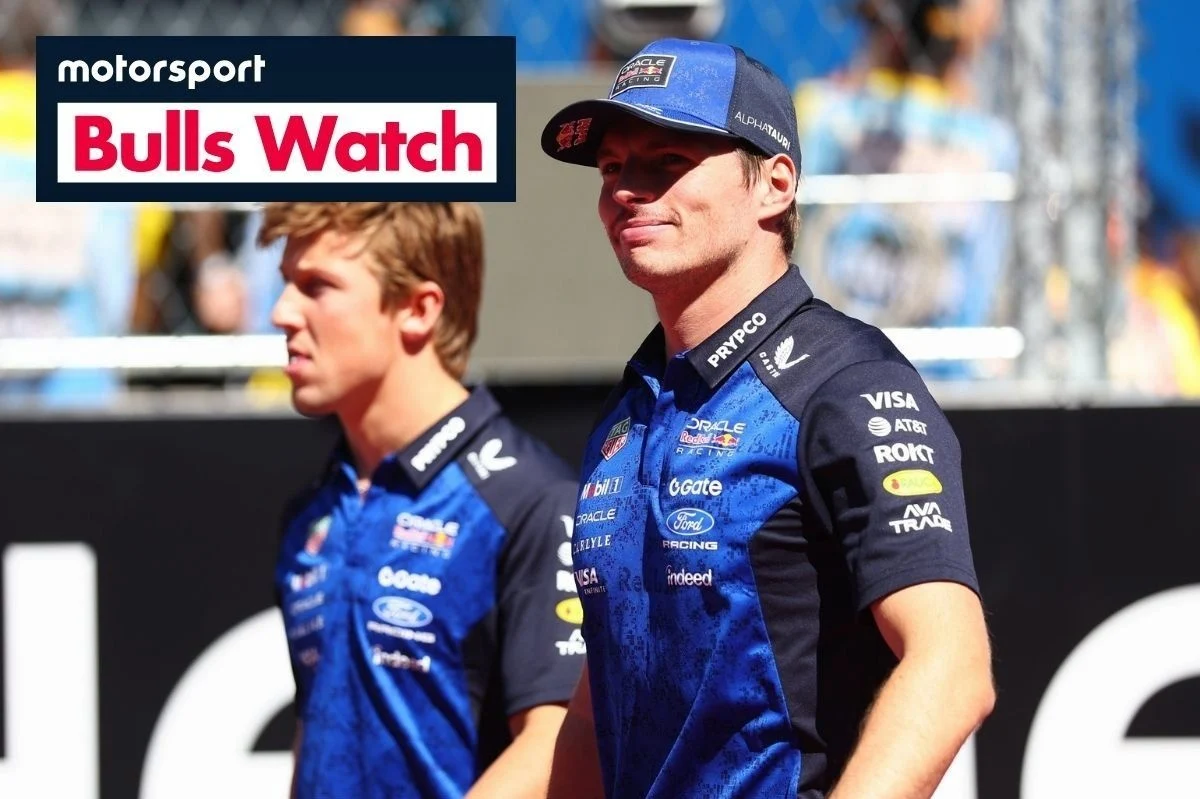
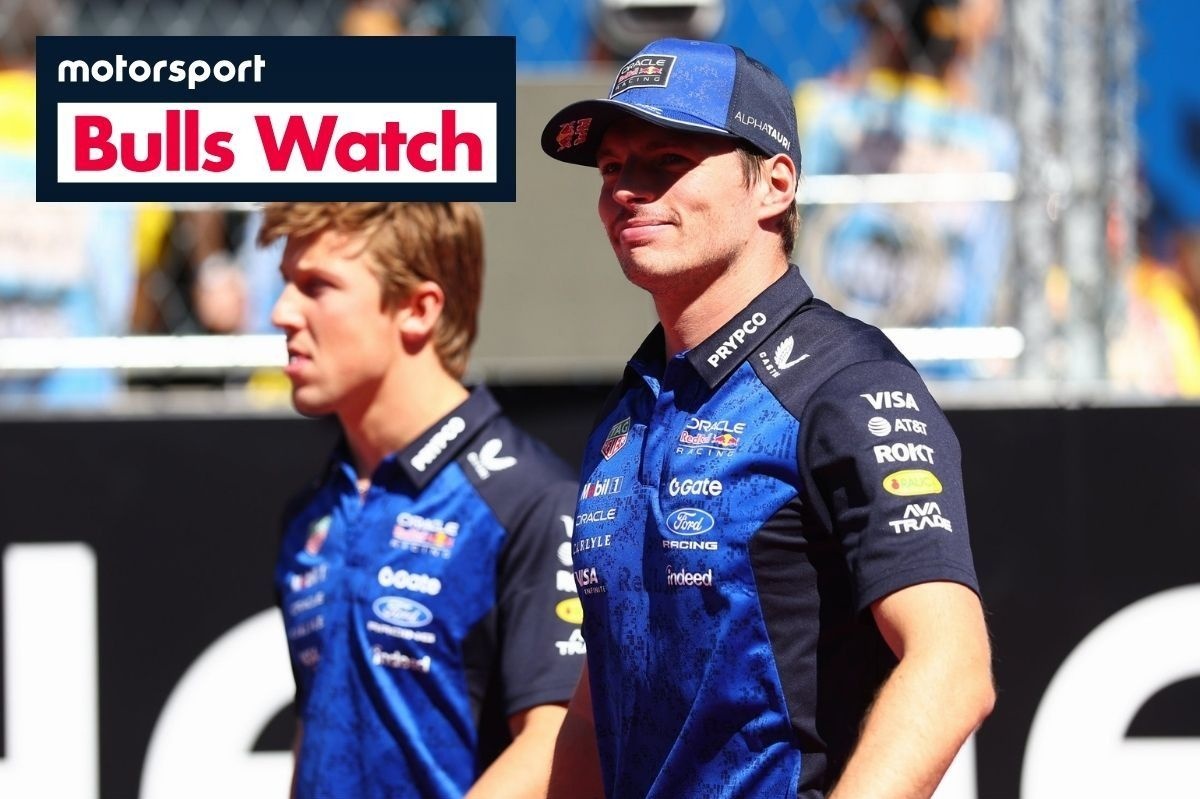
Racing Bulls CEO and Team Principal Laurent Mekies has stepped forward to clarify the structural independence of his Faenza-based outfit, asserting that his team alone will determine its driver line-up for the 2027 Formula 1 World Championship. The clarification comes directly on the heels of a fiery on-track altercation during Friday practice at the Autódromo Hermanos Rodríguez between Red Bull Racing’s four-time world champion Max Verstappen and Racing Bulls driver Liam Lawson—an incident that culminated in grid penalties for both drivers and sparked a blunt public warning from the Dutchman.
Main Facts
The core of the unfolding narrative centers on a contentious Free Practice 2 (FP2) collision in Mexico City that triggered immediate sporting sanctions and ignited a war of words within the broader Red Bull stable.
The Incident: During the second practice session of the Mexican Grand Prix weekend, Max Verstappen and Liam Lawson made physical contact on track, prompting race control to investigate the maneuver.
The Penalties: Stewards subsequently handed both Verstappen and Lawson a one-place grid penalty for the race, citing avoidable contact.
The Fallout: Following the session, Verstappen delivered a sharp critique of Lawson’s driving standards, questioning the New Zealander’s judgment as he fights to secure his long-term future in the sport.
The Contractual Reality: Lawson’s current agreement with the Racing Bulls squad runs through the end of the 2026 season, leaving his medium-to-long-term career trajectory open.
The Management Stance: Addressing media inquiries, Racing Bulls CEO Laurent Mekies drew a definitive line in the sand, separating Verstappen’s understandable on-track frustrations from the administrative and strategic decisions governing the junior team’s cockpit allocations. Mekies reiterated that Red Bull Racing’s star driver holds zero sway over Racing Bulls’ roster choices for 2027.
Chronology: How the Mexico City Clash Unfolded
Tensions rarely brew in a vacuum in modern Formula 1, and the escalation between Verstappen and Lawson followed a swift, escalating trajectory across the opening day of the Mexican Grand Prix weekend.
Friday Morning: Building Pressure
Free practice sessions are traditionally utilized for data collection, long-run simulations, and setup optimization. However, with the midfield battle tighter than ever and the Red Bull camp working frantically to overcome early pace deficits—reportedly trailing the front-running pace by roughly three-tenths of a second—margins for error were exceptionally thin across all four cars representing the Milton Keynes and Faenza operations.
FP2: The Flashpoint
As drivers circulated on varying fuel loads and tire compounds, Verstappen and Lawson encountered one another on a hot lap sequence. A miscommunication or an overly aggressive defensive/offensive posture led to wheel-to-wheel contact. The impact was light enough to allow both cars to continue, but significant enough to draw the attention of the FIA stewards.
Post-Practice Investigations and Penalties
Following the conclusion of FP2, both drivers were summoned to the stewards’ office. After reviewing telemetry, video footage, and hearing from the competitors, the officials determined that neither driver was entirely blameless, issuing matching one-place grid penalties designed to penalize their starting positions for Sunday’s Grand Prix without disproportionately ruining their race events.
The Media Debrief and Mekies’ Intervention
In the media pen immediately following the sessions, Verstappen did not mince words when asked about the collision. He labeled Lawson’s driving "not very smart behavior," specifically highlighting that a driver fighting to secure their seat in Formula 1 should exercise a higher degree of caution and situational awareness.
Recognizing the potential for internal friction and media speculation regarding Red Bull’s infamous driver-rotation policies, Laurent Mekies swiftly moved to compartmentalize the issue. Speaking to Sky Sports F1, the Racing Bulls team boss separated the emotional, heat-of-the-moment driver grievances from the boardroom decisions governing talent management.
Supporting Data and Context
To fully understand the weight of Verstappen’s comments and Mekies’ defense, one must examine the operational hierarchy of the Red Bull talent pipeline and the competitive pressures facing both squads.
The Red Bull Driver Pipeline
Historically, Red Bull’s motorsport advisor Dr. Helmut Marko, alongside senior leadership, has maintained total oversight over driver promotions and demotions across both Red Bull Racing and its junior sister team (formerly Toro Rosso and AlphaTauri, now Racing Bulls). Drivers are evaluated on a continuous performance metric. With Verstappen locked into a long-term mega-contract with the senior team, attention naturally turns to who occupies the remaining seats.
Liam Lawson’s Position: Having burst onto the scene with impressive substitute drives in past seasons, Lawson is fighting to cement a permanent, undisputed multi-year tenure in Formula 1. His current contract secures his services through the conclusion of the 2026 campaign.
The 2027 Horizon: Looking ahead to 2027—a year that will introduce revolutionary new power unit and chassis regulations—securing stability and absolute peak talent is paramount. However, Mekies’ insistence that Racing Bulls dictates its own terms signals a subtle shift toward greater operational independence for the Faenza squad.
Performance Metrics in Mexico
Beyond the driver drama, Mekies pointed out that both teams faced an uphill battle during Friday practice. Formula 1’s grid convergence has compressed the performance window, leaving Red Bull Racing and Racing Bulls vulnerable to rivals from McLaren, Ferrari, and Mercedes.
The Gap: Early telemetry indicated a deficit of approximately 3.5 tenths of a second to the ultimate pace-setters during initial runs.
Engineering Response: Both engineering departments spent Friday evening analyzing setup configurations, aerodynamic packages, and tire degradation models to close the gap ahead of qualifying.
Official Responses and Punditry
The paddock reaction to the incident and Mekies’ subsequent comments highlights the delicate balance team principals must strike between appeasing their star drivers and protecting the psychological well-being of their junior roster.
Max Verstappen’s Perspective
Verstappen’s critique was rooted in racing pragmatism rather than personal animosity, though his blunt delivery left little room for misinterpretation:
"Well, I don’t think it’s called unlucky. Maybe not very smart behaviour, what he was trying to do there," Verstappen told reporters. "I mean, at the end of the day it’s not going to change my weekend, but if I were him I would act a little bit smarter. Also, when you’re fighting for your seat, it’s not very smart behaviour."
The remarks underline Verstappen’s status as a fierce competitor who expects professional courtesy on track, regardless of whether a car belongs to a sister team or a direct championship rival.
Laurent Mekies’ Rebuttal and Clarification
Mekies handled the controversy with characteristic diplomacy, acknowledging Verstappen’s right to feel frustrated while firmly drawing a boundary around management jurisdiction:
"No, I think you know you have to separate both aspects," Mekies told Sky Sports F1. "You have some things that were very unnecessary on the track and therefore are frustrating for the drivers involved and frustrating for the teams involved, and this is probably what you hear with Max’s answer, and then there are driver decisions. Racing Bulls [driver line-up is] down to them and only down to them."
When pressed on whether Verstappen’s immense stature within the Red Bull ecosystem could indirectly pressure management, Mekies dismissed the notion, emphasizing professionalism and long-term vision:
"Max knows motorsport far too much to be influenced by a single episode anyway."
Implications for the Future
The public exchange between Verstappen, Lawson, and Mekies carries several crucial implications for the remainder of the season and the future structure of the Red Bull racing empire.
1. Autonomy for Racing Bulls
Mekies’ public stance is a significant indicator of Racing Bulls’ evolution. As the Faenza squad transitions into a more self-sufficient, commercially viable entity under new branding and leadership, asserting control over its driver roster—rather than acting purely as an experimental testing ground for Milton Keynes—signals a maturation in team management.
2. Mental Fortitude for Liam Lawson
For Lawson, public criticism from a four-time world champion is a baptism of fire. However, how the young New Zealander responds on track during the remainder of the Mexican Grand Prix weekend and the subsequent flyaway rounds will ultimately dictate his market value. Contracts through 2026 buy him time, but consistent performances under pressure are what catch the eye of team principals—independent of outside commentary.
3. Red Bull Racing’s Internal Dynamics
Max Verstappen remains the undisputed focal point of Red Bull Racing. While his comments reflect an intolerance for on-track sloppiness, Mekies’ swift compartmentalization ensures that driver discipline remains regulated by the sporting code and team bosses, preventing driver rivalries from bleeding into administrative governance.
As the Mexican Grand Prix weekend progresses, all eyes will remain locked on the timing screens. With the competitive field tighter than ever and the engineering crews working tirelessly to shave tenths off their lap times, both Verstappen and Lawson will need to channel their intensity strictly into their driving—leaving the boardroom politics firmly in the hands of Laurent Mekies and the Racing Bulls management team.
Colton Herta’s Formula 1 Superlicence Odyssey: Why the IndyCar Star Is Still One Point Short
MEXICO CITY — In the high-stakes world of Formula 1, fractions of a second on the track often dictate success. However, for American open-wheel star Colton Herta, a single arithmetic…
Pressure Mounts at Brackley: Guenther Steiner Warns George Russell Faces a Crucial F1 Crossroads
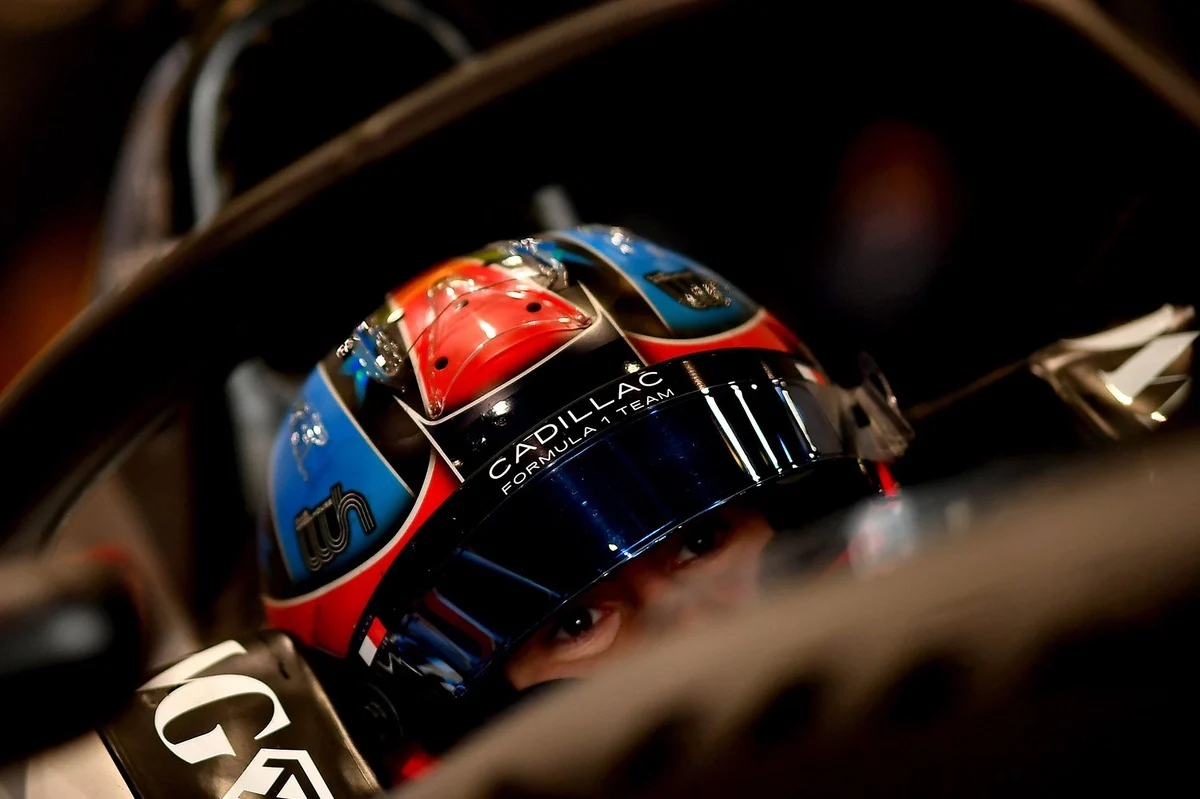
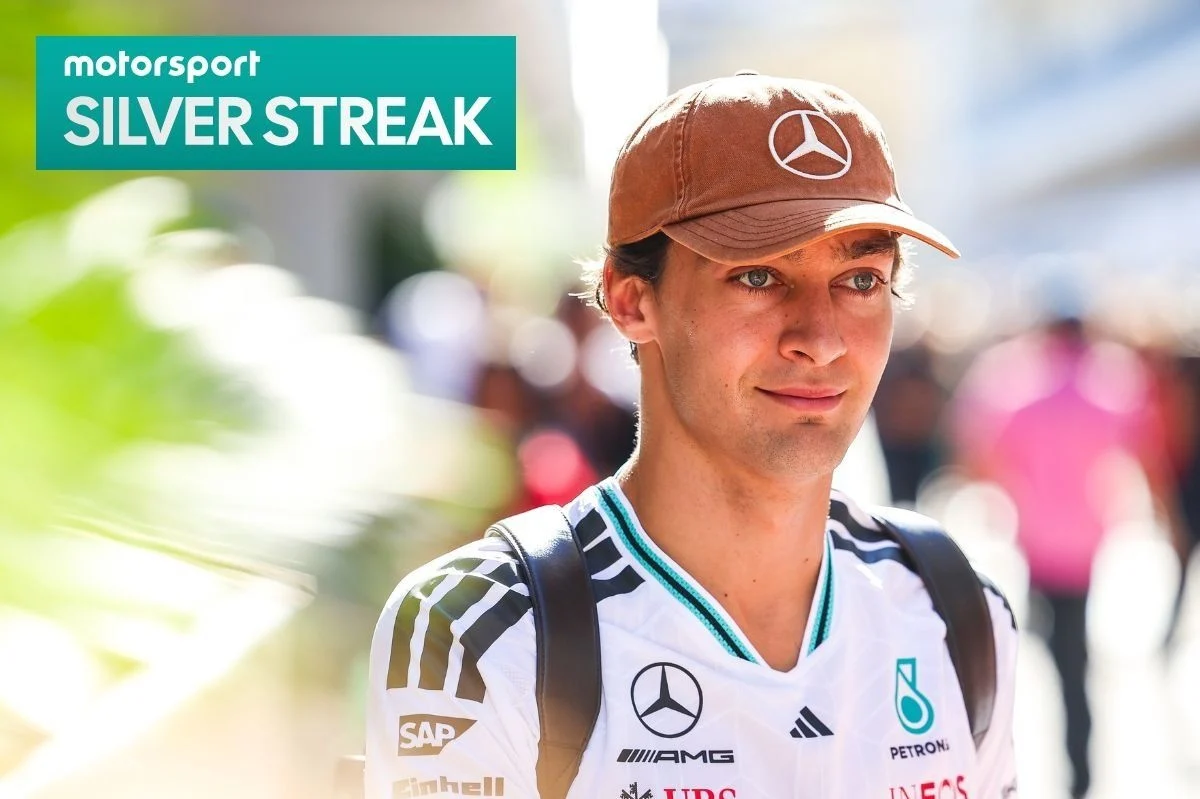
BRACKLEY — In the high-stakes, unforgiving ecosystem of Formula 1, longevity is rarely bought with past glories alone; it is leased, race-by-race, on current performance. For Mercedes-AMG Petronas F1 Team…

 Iffa Jayyana


 Lina Hope
 Jia Lissa
 Azzam Bilal Chamdy
 Asro

 Raul Delapena Setiawan
 Muslim