
 Neng Nana
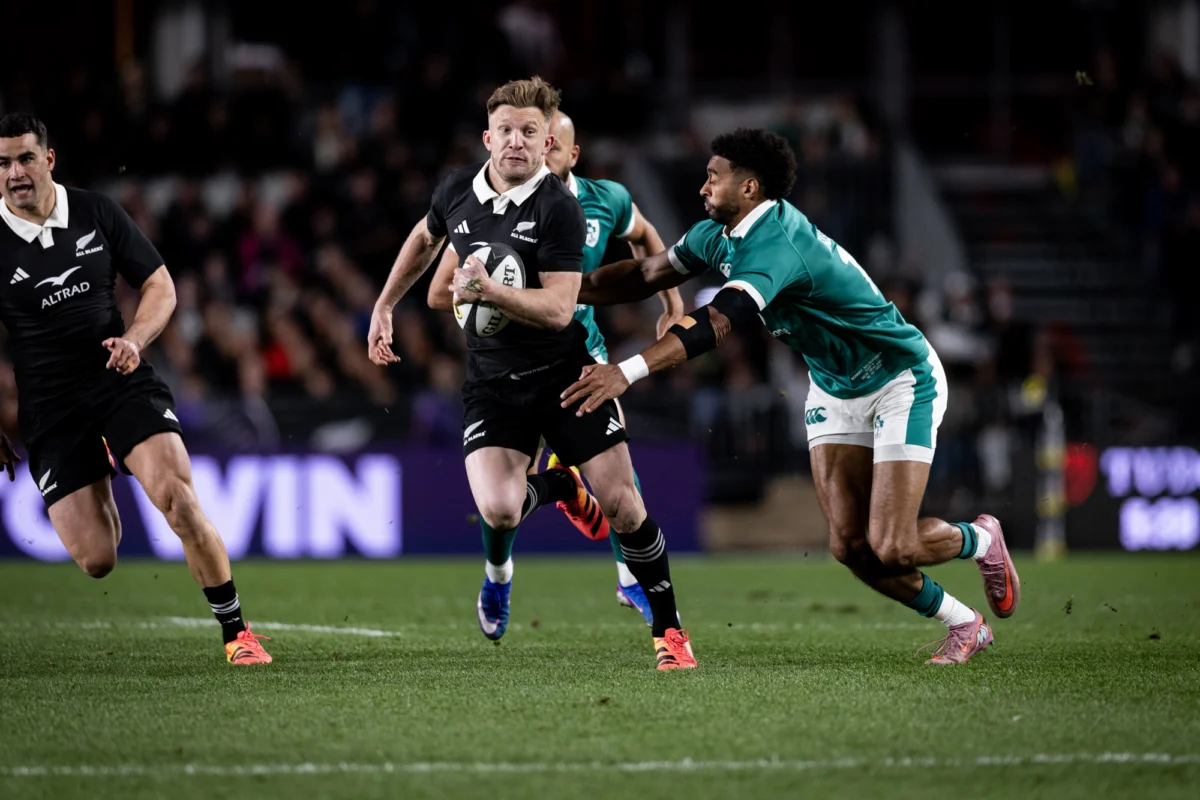
The landscape of international rugby underwent a seismic shift in 2026 with the introduction of the Nations Championship. Designed to bridge the gap between the traditional Northern and Southern Hemisphere powerhouses, this inaugural tournament has successfully injected a fresh, high-stakes intensity into the international calendar. As the competition moves into its pivotal European leg this November, the global rugby community is braced for a climax that promises to redefine the sport’s hierarchy.
The Vision: Aligning the Global Rugby Calendar
For decades, international rugby struggled with a fragmented schedule that often left the summer and autumn Test windows feeling disconnected from a broader narrative. The Nations Championship was conceived as the definitive solution—a biennial, high-stakes competition occurring in years devoid of a Rugby World Cup or a British & Irish Lions tour.
The tournament brings together twelve of the world’s elite nations: the Six Nations cohort (England, France, Ireland, Italy, Scotland, and Wales), the Rugby Championship quartet (South Africa, New Zealand, Australia, and Argentina), and the rising forces of Fiji and Japan. Notably, Japan has been integrated into the Southern Hemisphere table, a strategic decision to balance the pools and ensure competitive parity regardless of geographical origin.
The ultimate objective is simple: to transform what were once standalone "friendly" series into a cohesive, points-driven league that culminates in a high-profile finals weekend at the spiritual home of rugby, Allianz Stadium, Twickenham.
Chronology: The Story So Far (July 2026)
The inaugural window in July set the tone for a tournament defined by tight margins and clinical performances. After three rounds of blistering action, the leaderboard reflects a fascinating divide in form.
Round 1: A Statement of Intent
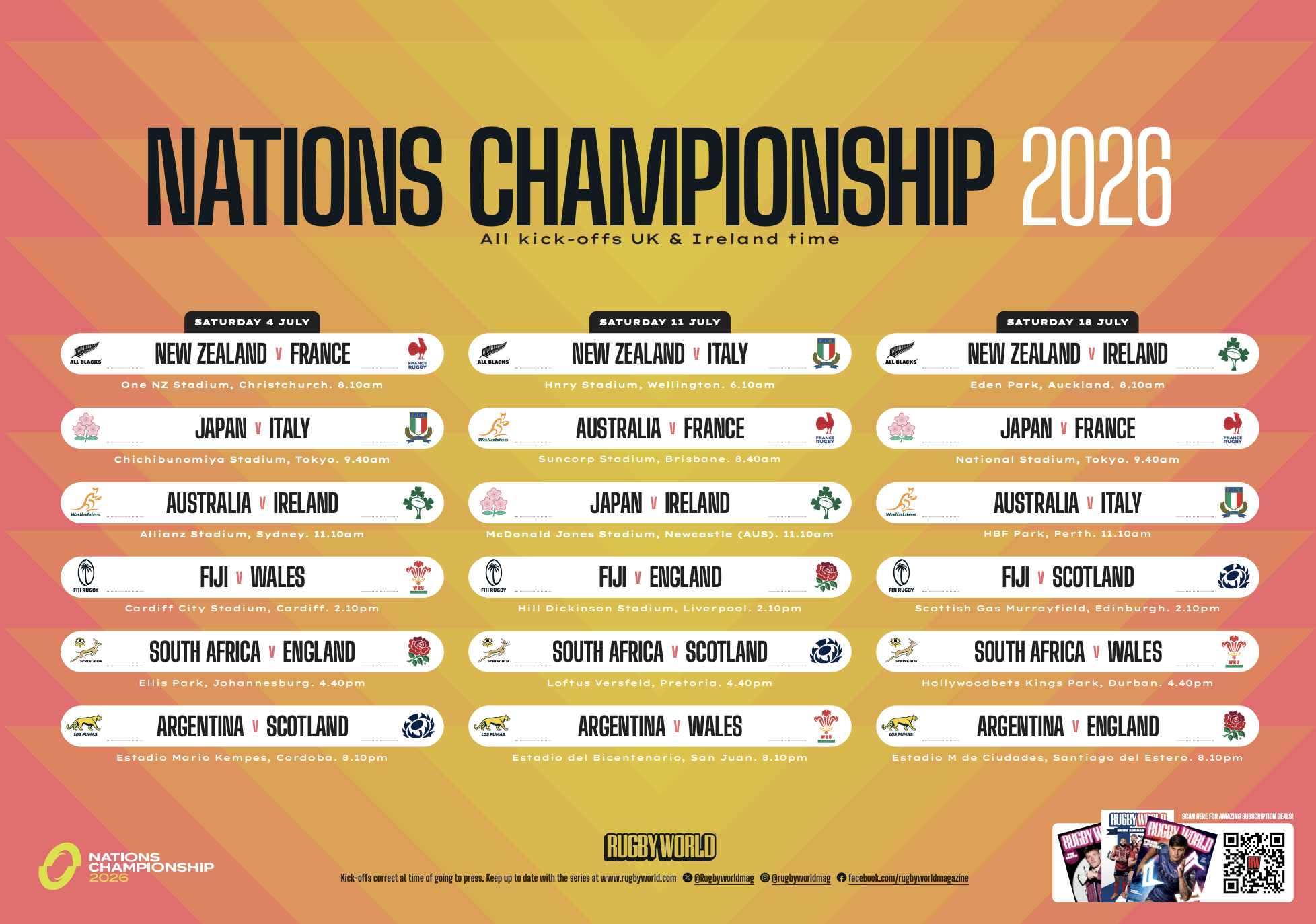
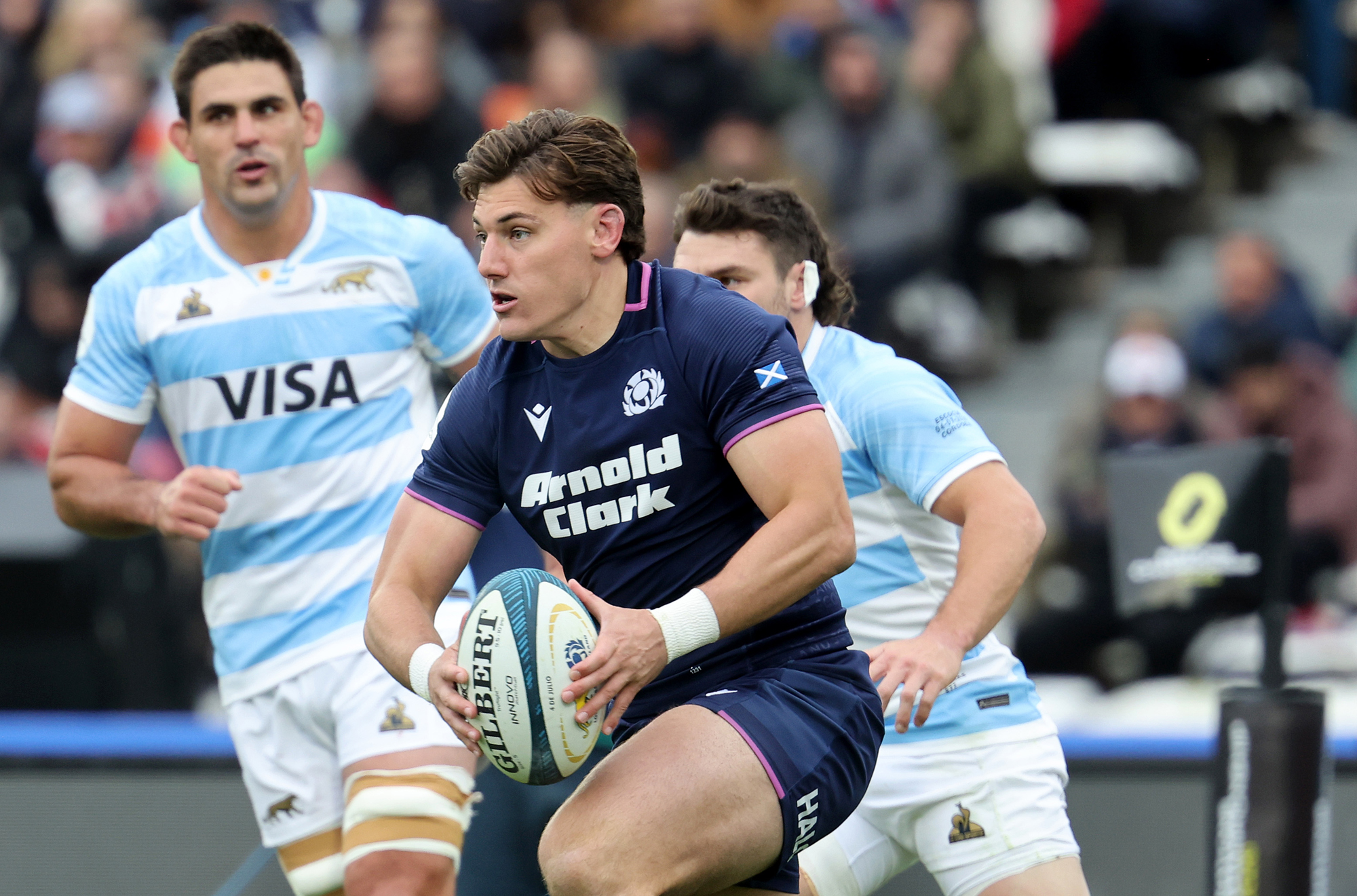
The competition kicked off with a shock-to-the-system thriller in Christchurch, where the All Blacks edged out France 34-32 in a contest that signaled the high-octane nature of the new format. Elsewhere, Ireland secured a narrow 33-31 victory over Australia in Sydney, proving their credentials as a dominant northern force. Meanwhile, South Africa made their intentions clear with a resounding 45-21 win over England at Ellis Park, and Scotland showcased their attacking flair by overcoming Argentina in a 47-38 shootout in Cordoba.
Round 2: Strengthening the Grip
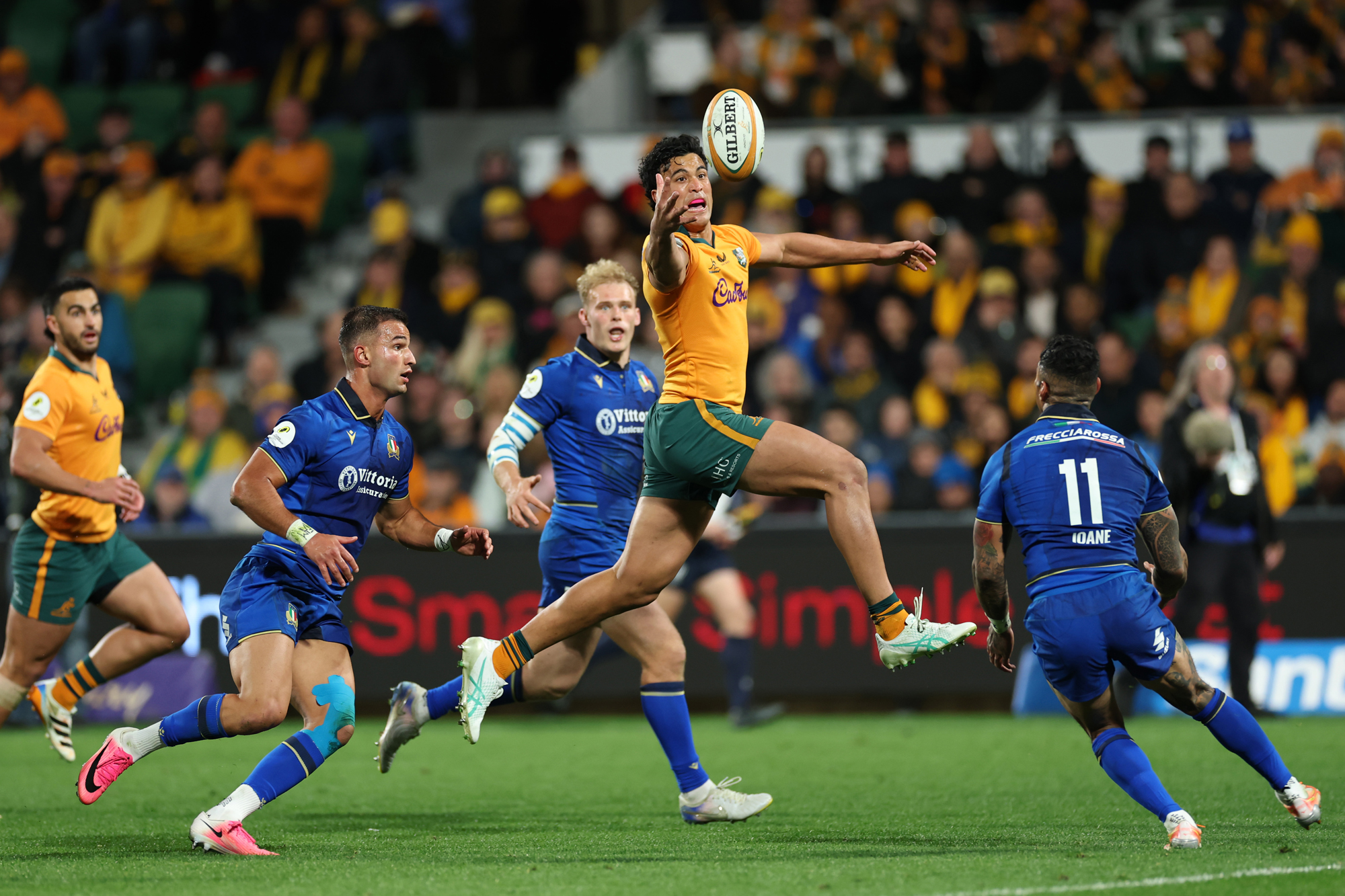
The momentum continued into the second weekend. New Zealand asserted their authority with a 47-17 dismantling of Italy, while France proved their consistency by traveling to Brisbane and defeating the Wallabies 42-26. England, looking to bounce back from their opening defeat, produced a masterclass against Fiji, putting 73 points on the board in a statement of intent. However, the Springboks remained the team to beat, dispatching Scotland 42-28 in Pretoria.
Round 3: The Mid-Tournament Assessment
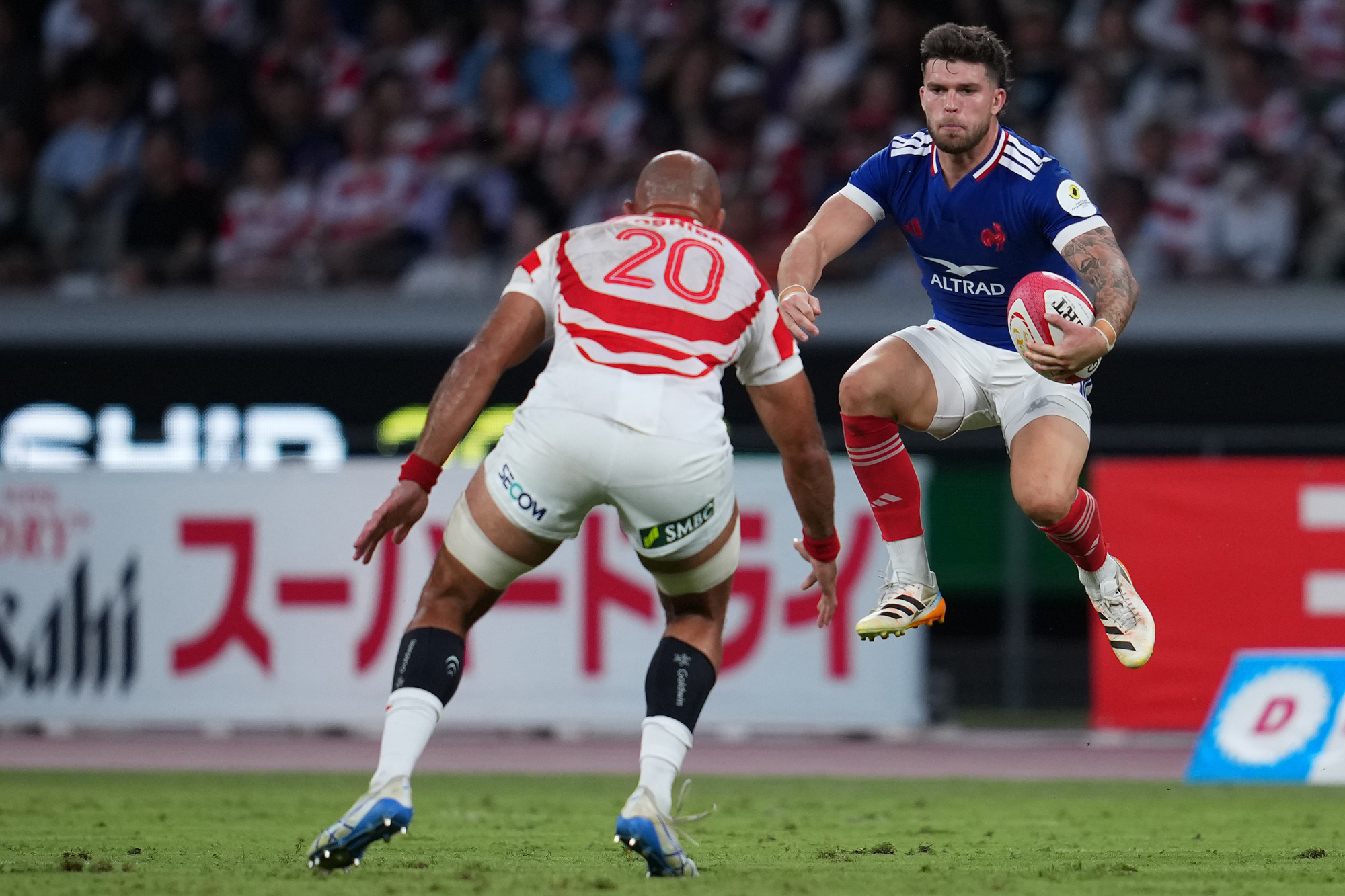
As the July leg concluded, the standings revealed that honours were split almost evenly between the hemispheres. New Zealand’s 40-21 victory over Ireland cemented their spot at the top of the southern table, while France, despite their early loss, managed to stabilize their campaign with a 42-15 win over Japan. South Africa closed out the July fixtures with a clinical 43-0 shutout of Wales, highlighting their status as the only truly unbeaten side alongside the All Blacks.
Supporting Data: By the Numbers
The statistical profile of the tournament thus far highlights the explosive nature of the current game.
Top Try Scorers
- Henry Pollock (England): The Northampton Saints sensation has been the breakout star, leading the charts with a blistering hat-trick against Fiji and a constant threat-level that has defined England’s attacking structure.
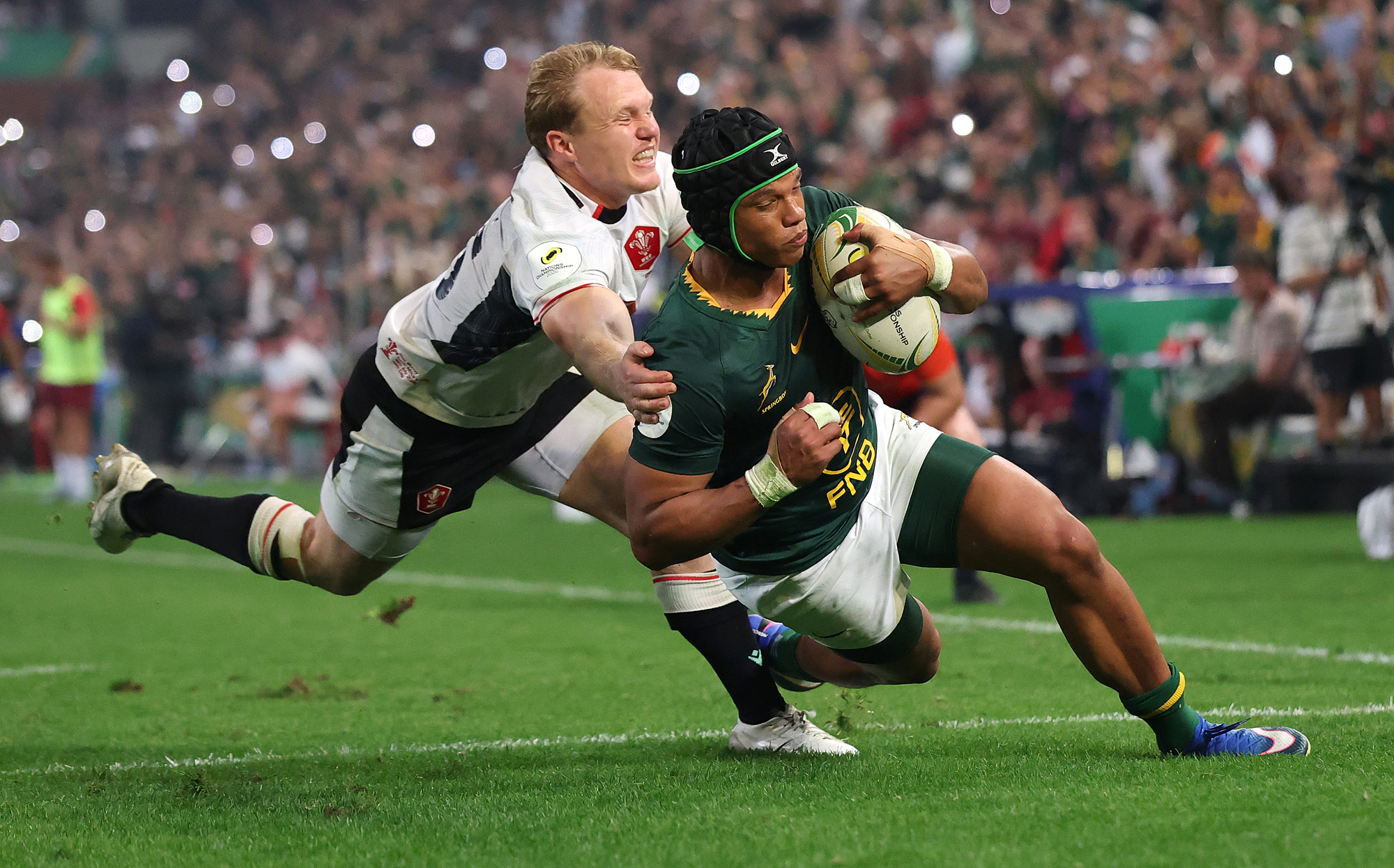
- Kurt-Lee Arendse (South Africa): The Springbok speedster continues to prove why he is arguably the most lethal finisher in world rugby, contributing heavily to South Africa’s superior points difference.
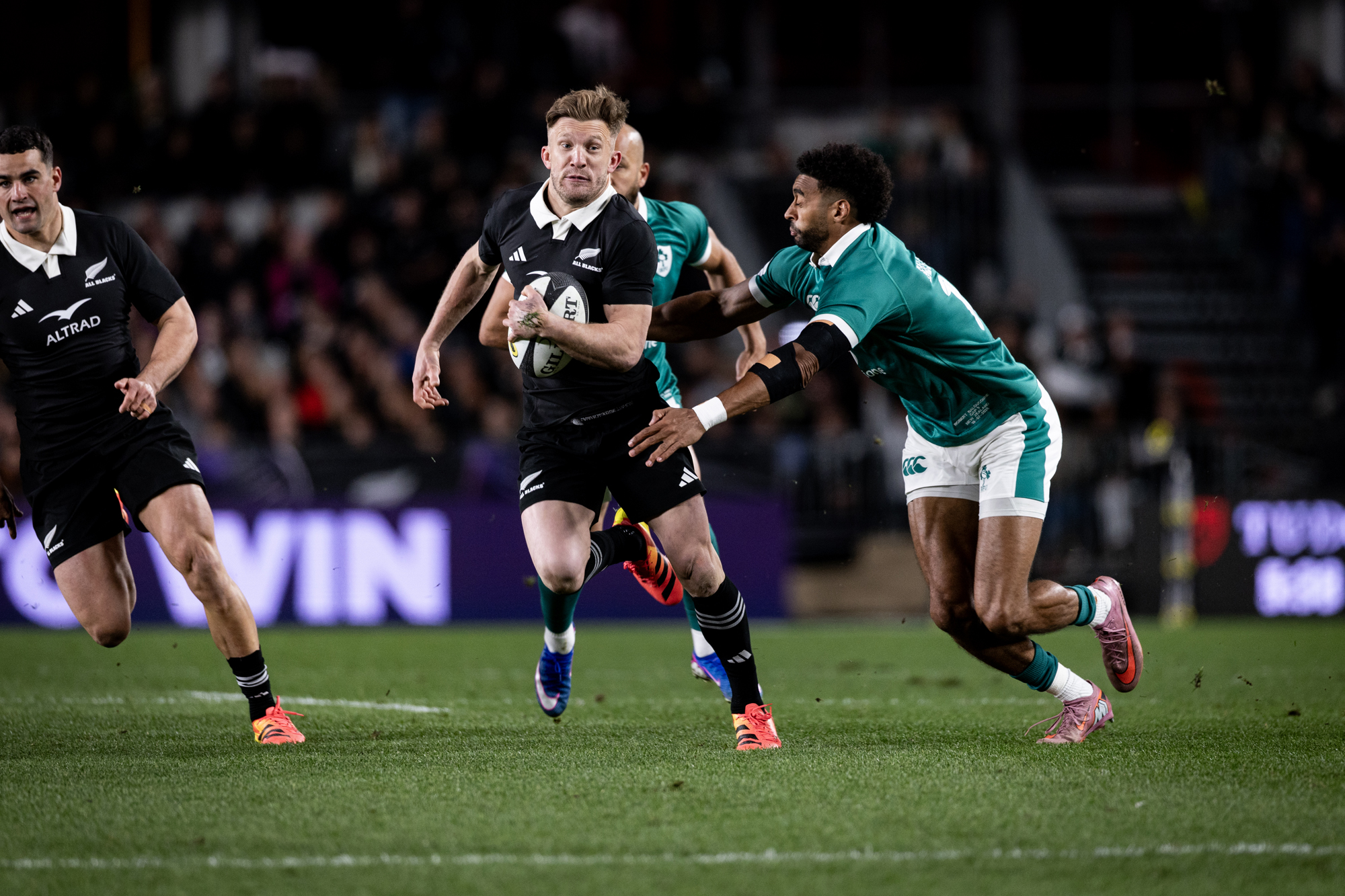
- Damian McKenzie (New Zealand): Playing a pivotal role in the All Blacks’ dynamic backline, McKenzie has been instrumental in both creating and finishing opportunities.
Top Points Scorers
The race for the Golden Boot has been dominated by the tactical masterminds of the sport. The likes of Finn Russell (Scotland) and Marcus Smith (England) have been instrumental in their sides’ offensive outputs, while Sacha Feinberg-Mngomezulu (South Africa) has emerged as a reliable and high-scoring presence for the Springboks.
November Fixtures: The Road to Twickenham
As the tournament shifts to Europe for the November leg, the stakes have never been higher. Rounds 4, 5, and 6 will determine the finalists who will converge on Twickenham for the grand finale.
Round 4 (Nov 6-8): The action resumes with a series of high-profile clashes. England faces a critical test, while the Irish look to regain ground against the southern hemisphere giants.
Round 5 (Nov 13-15): This middle weekend is expected to be the "decider" window, where the teams on the fringes of the top two positions in each table will be forced to play with high-risk, high-reward strategies.
Round 6 (Nov 21): The final group stage matches will decide the seeding for the finals weekend.
The Finals Weekend
The tournament concludes on the weekend of November 27-29 at Allianz Stadium, Twickenham. The structure ensures that the top-ranked teams will face off for the title, while lower-ranked teams compete in "ranking" finals, ensuring that every match remains meaningful until the final whistle.
Official Perspectives and Strategic Implications
The introduction of the Nations Championship is not merely an addition to the calendar; it is a fundamental shift in how the game is governed and commercialized.
The Administrative View
World Rugby officials have emphasized that the tournament is essential for the long-term health of the sport. By centralizing the autumn and summer windows, the championship creates a "product" that is easier to sell to global broadcasters, including major partners like ITV, Virgin Media, and TF1. This increased commercial revenue is intended to filter down to Tier 2 nations and grassroots programs.
Tactical Implications for Coaches
For national team coaches, the tournament presents a logistical and physical challenge. With squads rotating through intensive travel and high-intensity match cycles, the depth of the bench has become just as important as the starting XV. The squads named for the November window—featuring a blend of established stars like Antoine Dupont and Siya Kolisi, alongside rising talents like Henry Pollock—demonstrate that the nations are treating this not as a series of friendlies, but as a genuine world title race.
Player Welfare Concerns
While the tournament is celebrated for its competitive nature, it has not been without its critics. The Professional Rugby Players’ Association (PRA) has raised concerns regarding the sheer volume of high-intensity matches. Coaches are navigating this by implementing strict rotation policies, a necessity for keeping key players fresh for the ultimate goal: the 2027 Rugby World Cup.
A New Era for Rugby
As the autumn leaves fall and the action moves to the hallowed turf of Twickenham, the Nations Championship has already proven its worth. It has provided a stage for new stars to emerge, for old rivalries to be reignited with fresh intensity, and for the global game to showcase its best assets in a structured, meaningful environment.
For the fans, the message is clear: the era of the "autumn international" is over. The era of the "Nations Championship" has begun. Whether it is the tactical discipline of the French, the relentless power of the Springboks, or the creative flair of the English and Irish, the next month of rugby promises to be the most consequential in the post-World Cup cycle.
As we look toward the finals at Twickenham, the question on every supporter’s lips is not just who will win, but how this new tournament will change the trajectory of their national team’s history. One thing is certain: in the Nations Championship, every point matters, every tackle counts, and every match is a battle for the soul of the sport.

 Lina Irawan
 Evan Lee Salim

 Nila Kartika Wati

 Iffa Jayyana
 Layla Zulfa
 Sagoh