
 Nila Kartika Wati
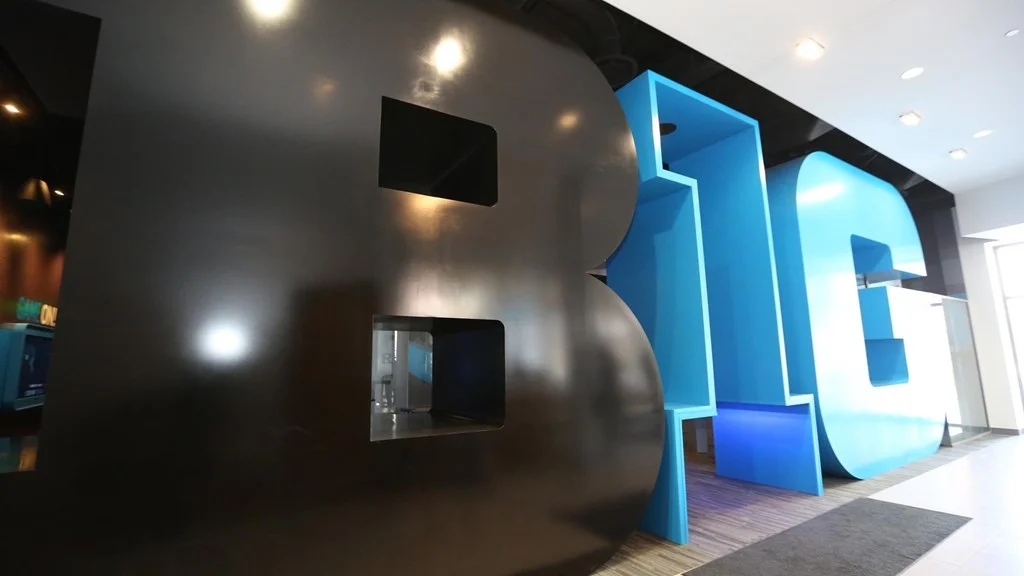
In a bold move that signals a seismic shift in the landscape of collegiate athletics, the Big Ten Conference announced on Wednesday that it has officially adopted a conference-level rule limiting institutional involvement in third-party Name, Image, and Likeness (NIL) deals. The policy, which takes effect immediately, is designed to align the league’s economic structure with the mandates proposed in the pending Protect College Sports Act (PCSA).
By imposing a $49 million cap on total roster compensation—a figure derived from a combination of direct athlete payments and third-party NIL facilitation—the Big Ten is effectively setting the financial boundaries for its member institutions well before federal legislation has been finalized. This move serves as both a strategic preparation for the future and a clear signal to the rest of the NCAA that the conference intends to lead the transition toward a more regulated, sustainable economic model.
Main Facts: The $49 Million Framework
The crux of the Big Ten’s new directive lies in its adherence to the financial architecture outlined in the Protect College Sports Act. While the PCSA has successfully cleared the Senate, it remains awaiting a pivotal vote in the House of Representatives. Should it become law, it would fundamentally alter the compensation landscape for student-athletes.
Under the new Big Ten rule, the $49 million aggregate cap is comprised of two distinct financial pillars:
- Direct Institutional Payments: A baseline of $21.58 million, which aligns with the revenue-sharing framework established in the recent House v. NCAA settlement.
- Third-Party NIL Facilitation: A ceiling of $27.5 million for institutional involvement in, or orchestration of, third-party NIL agreements.
The conference clarified that while these limits govern the extent to which a university can organize or facilitate NIL compensation, individual student-athletes retain their fundamental right to pursue independent NIL opportunities with external entities. The restriction is aimed specifically at curbing the "pay-for-play" mechanisms that have blurred the lines between university athletic departments and independent NIL collectives.
Chronology of a Shifting Landscape
The journey toward this regulation has been marked by rapid legal and legislative developments. The following timeline outlines the progression toward the current state of collegiate compensation:
- June 2021: The Supreme Court’s decision in NCAA v. Alston opens the door for NIL opportunities, ending the NCAA’s long-standing prohibition on athlete compensation.
- 2022–2024: A period of "wild west" economics ensues, characterized by the rise of donor-funded collectives and intense recruitment wars, leading to widespread calls for federal intervention.
- May 2024: The landmark House v. NCAA settlement is reached, proposing a $21.58 million direct revenue-sharing model for schools.
- Late 2024–2025: Congressional interest intensifies regarding the Protect College Sports Act, aimed at providing antitrust immunity and a standardized financial framework for college sports.
- October 2026: The Big Ten Conference, recognizing the uncertainty of the upcoming transfer portal and recruitment cycles, announces its preemptive adoption of the $49 million cap, effectively forcing member schools to align their budgets with the PCSA’s anticipated standards.
Supporting Data: Why the Cap Matters
The implementation of a $49 million cap is not merely a bureaucratic exercise; it is a vital step toward bringing fiscal predictability to programs that have operated in an environment of runaway inflation. Since the inception of the NIL era, top-tier football and basketball programs have faced mounting pressure from donors and boosters to increase compensation packages, often resulting in lopsided recruiting advantages.
By standardizing this figure, the Big Ten aims to:
- Stabilize Roster Costs: Schools can now engage in long-term financial planning without the fear of being outbid by an undefined "market rate."
- Institutional Accountability: Each Big Ten member institution must now attest to its compliance with these financial ceilings, forcing athletic departments to disclose the extent of their involvement in third-party agreements.
- Standardizing Recruitment: By setting these bounds, the conference creates a "level playing field" among its member schools, potentially reducing the volatility of the annual transfer portal cycle.
Official Responses and Strategic Intent
The decision was met with a decisive endorsement from the highest levels of the Big Ten leadership. Pamela Whitten, Chair of the Big Ten Council of Chancellors and Presidents, emphasized that the decision was driven by a need for stability and forward-thinking governance.
"While we await the passage of the Protect College Sports Act, which has our full support, it is imperative our member institutions can begin to plan, budget and build their rosters approximating the act’s economic structure," Whitten stated on behalf of the conference leadership.
Whitten further elaborated on the strategic necessity of the move, noting that the transition to a regulated model is not just a preference, but a requirement for the long-term viability of the conference. "Our institutions remain in full support of the Protect College Sports Act and this rule not only allows for a much smoother transition into the policies put in place by the act once it passes, but demonstrates our commitment to it."
Industry analysts and experts, such as Richard Johnson, have noted the immediate impact this will have on the upcoming roster retention cycle. In the eyes of many, this is a "soft launch" of the future of college athletics, testing how programs function under a hard cap before the federal government mandates it.
Implications for the Future of Collegiate Athletics
The implications of the Big Ten’s decision are profound, both for the conference and for the NCAA at large. By taking this step, the Big Ten has effectively forced the hand of other Power Four conferences.
1. The Pressure on Other Conferences
The SEC, ACC, and Big 12 now face immense pressure to either adopt similar standards or risk falling out of alignment with the expected federal standard. If the Big Ten is the first to institutionalize this cap, it sets a precedent that the PCSA is the "new normal," making it politically and operationally difficult for other leagues to ignore.
2. The Power of the Transfer Portal
With the transfer portal becoming a focal point of team building, the $49 million cap will fundamentally change how coaches evaluate potential recruits. Rather than chasing players with unlimited, opaque NIL promises, coaching staffs must now operate within a transparent budget. This shift could prioritize team culture and player development over the short-term transactional relationships that have dominated the last three years.
3. Legal and Legislative Risks
Critics argue that by imposing a cap, the conference may be inviting further antitrust scrutiny. However, the Big Ten is betting that the Protect College Sports Act will provide the necessary legal "safe harbor" to protect these rules. If the PCSA fails to pass in the House, the Big Ten’s rule could face legal challenges from student-athletes who feel their market value is being artificially suppressed by a collective bargaining-style agreement they did not participate in.
4. A Shift in the "Collective" Model
The rule specifically addresses "institutional involvement" in third-party deals. This is a direct shot across the bow of independent collectives. Universities will now be forced to distance themselves from the chaotic, donor-driven NIL markets, likely leading to a consolidation of NIL activities into more formal, school-sanctioned entities that can be audited and monitored for compliance.
Conclusion: A New Frontier
The Big Ten’s decision to adopt the $49 million compensation framework is a watershed moment for college sports. It marks the end of the initial, chaotic phase of NIL and the beginning of a more structured, professionalized, and financially constrained era.
As Congress prepares to return to Washington following the election, all eyes will be on the House of Representatives. If the Protect College Sports Act passes, the Big Ten will be positioned perfectly to transition into the new legislative reality. If it fails, the conference has nonetheless signaled that the era of unlimited spending is over. For athletes, coaches, and administrators alike, the message is clear: the future of college athletics is one of budget management, institutional accountability, and a collective commitment to a sustainable model for the next generation of collegiate stars.

 Laily UPN
 Neng Nana

 Iffa Jayyana

 Layla Zulfa

 Sagoh
 Lina Irawan

 Ammar Sabilarrohman