Jia Lissa
Updated October 23, 2026
Spend enough time carving through the powder-choked bowls and dense, moody timber of the Pacific Northwest (PNW), and you will quickly realize you are rarely alone. The mythical, towering silhouette of Sasquatch is everywhere.
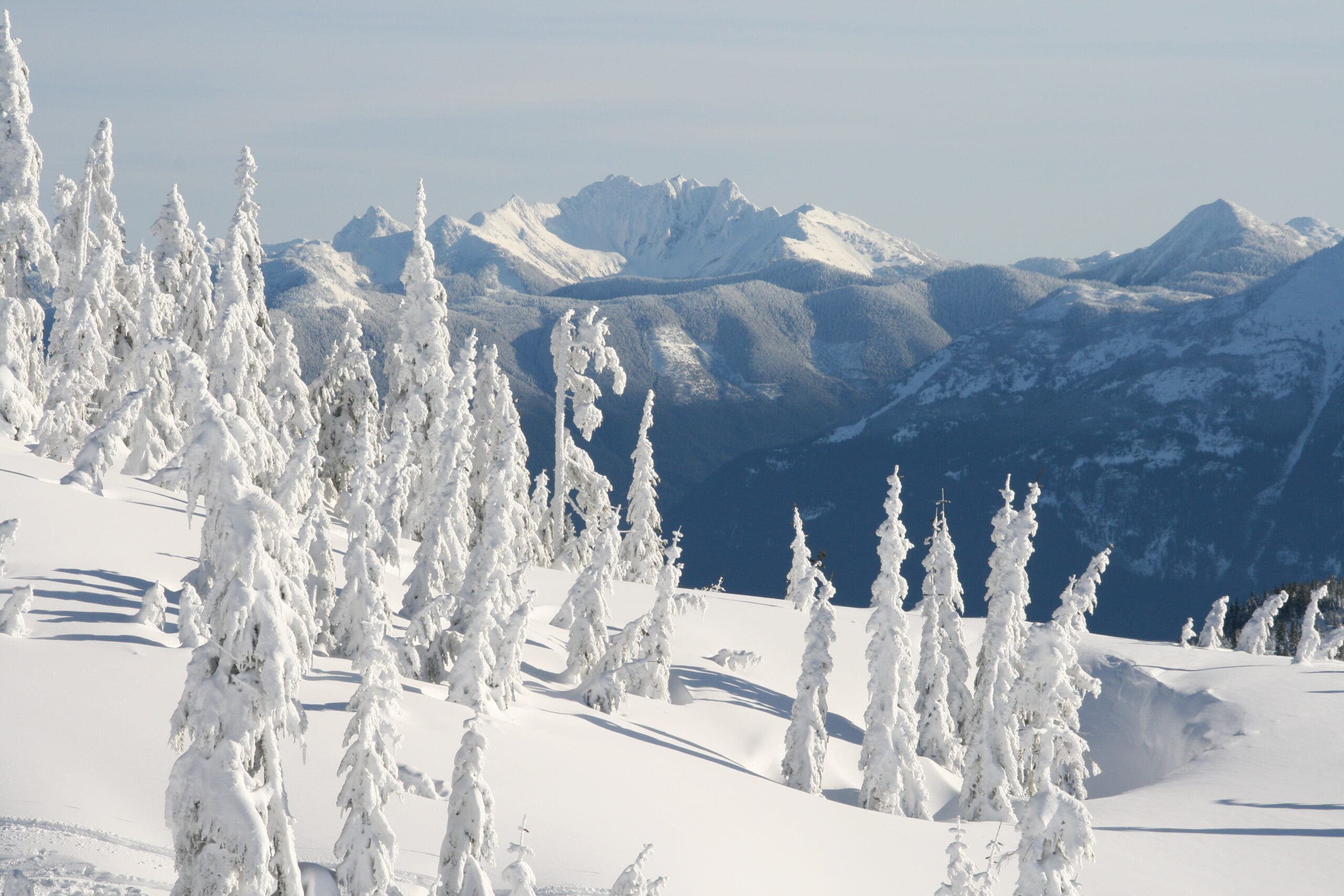
He is peering down from chairlift terminals, giving his name to double-black-diamond runs, gracing the menus of mountain-town bistros, and standing guard as towering metallic sculptures overlooking pristine alpine basins. In a region globally renowned for its brooding, mist-shrouded old-growth forests and fiercely rugged topography, Bigfoot has transcended the realm of cryptozoology to become the beating heart of ski country identity.
Yet, this begs a compelling cultural question: How did a legendary, elusive cryptid weave its way so deeply into the fabric of modern winter sports? And why do the mist-veiled slopes of Washington, Oregon, and British Columbia embrace the myth with such unbridled enthusiasm?
Main Facts: The Mythos Encapsulated on the Slopes
The intersection of Bigfoot folklore and ski resort culture is not a subtle marketing gimmick; it is an immersive, regional phenomenon. Across the Pacific Northwest, resorts have traded generic alpine aesthetics for localized mythology, anchoring their identities in the legend of the hairy giant.
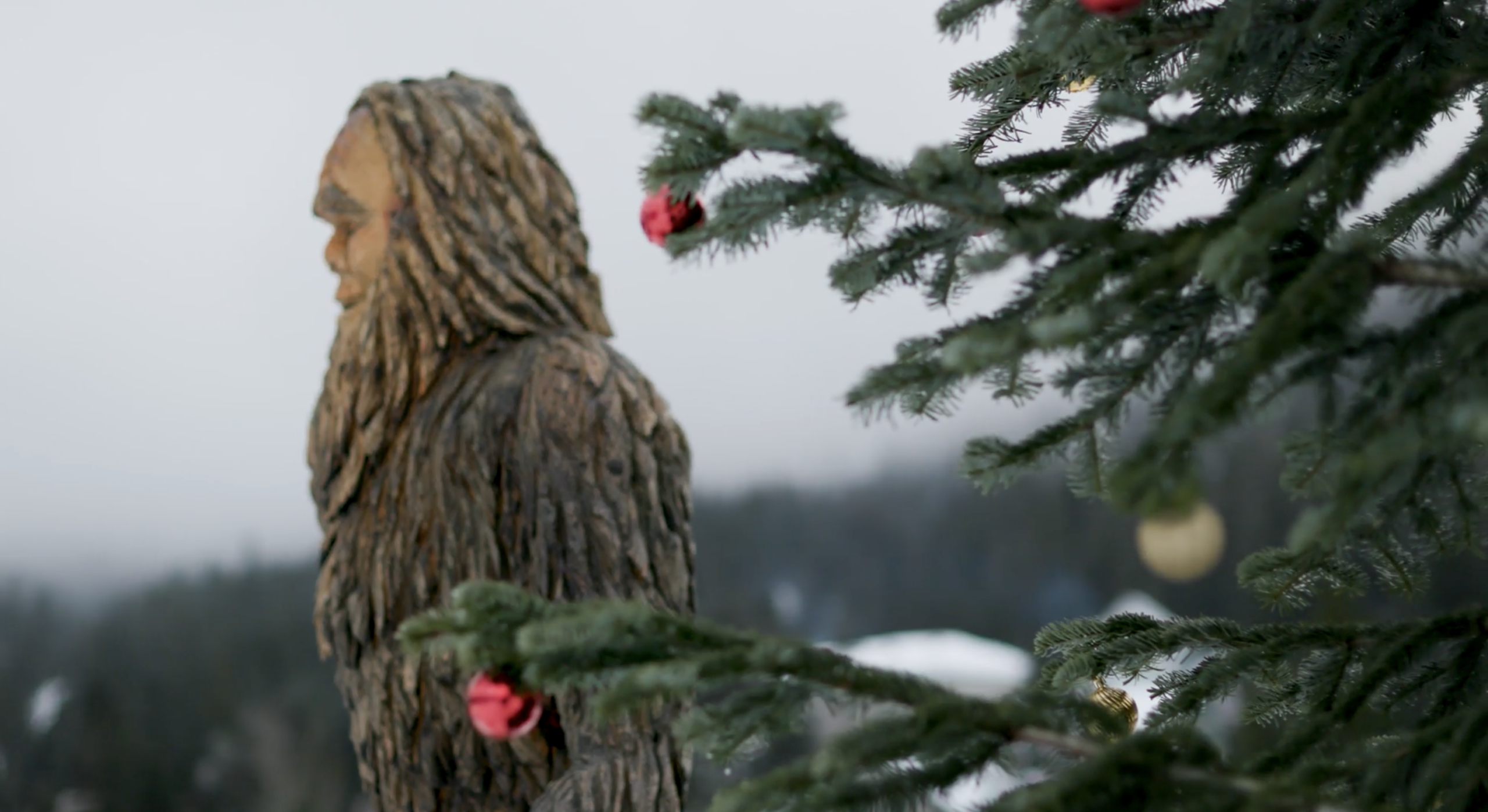
- Mission Ridge, Washington: Home to an 11-foot-tall sculpture constructed from recycled steel and heavy chain near the top of Chair 2. The artwork transforms seasonally. During the bitter winter months, it accumulates layers of rime ice and snow, morphing into a Himalayan Yeti. In the summer, the rusted metal breaks through the thaw, reclaiming its identity as a classic Pacific Northwest Bigfoot traversing the ridgeline.
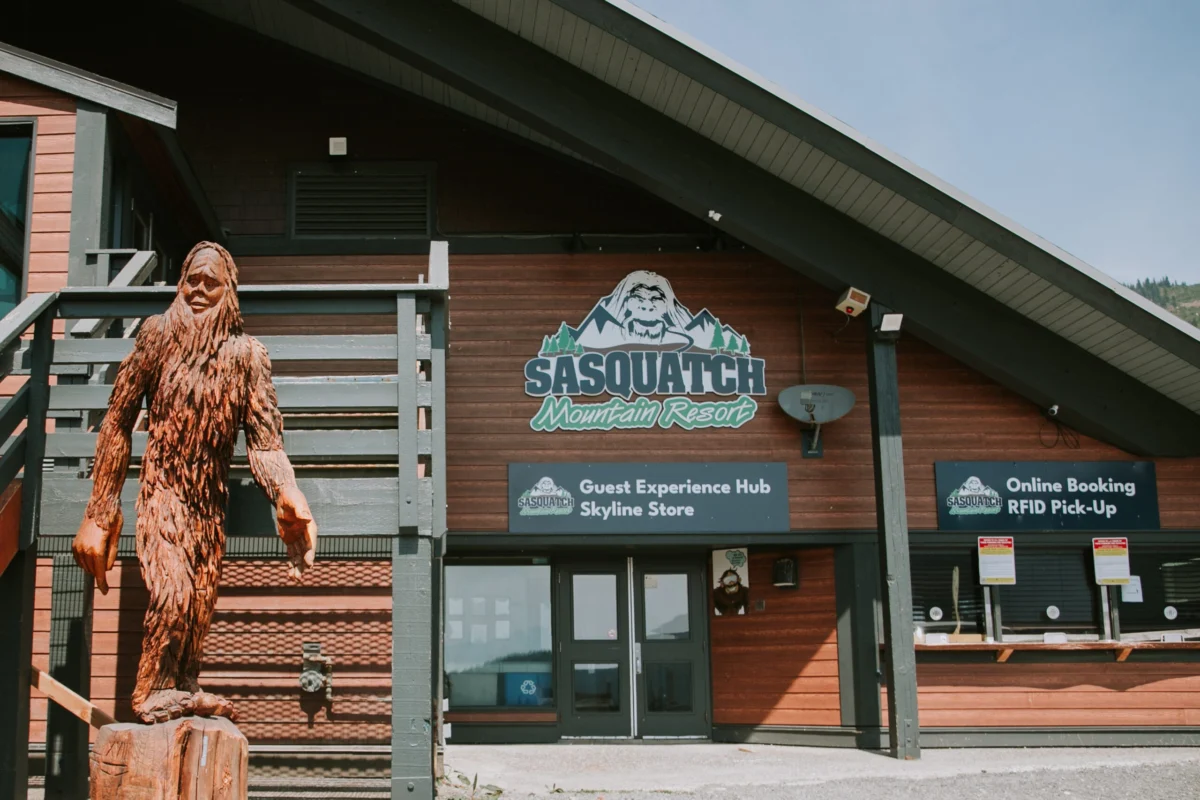
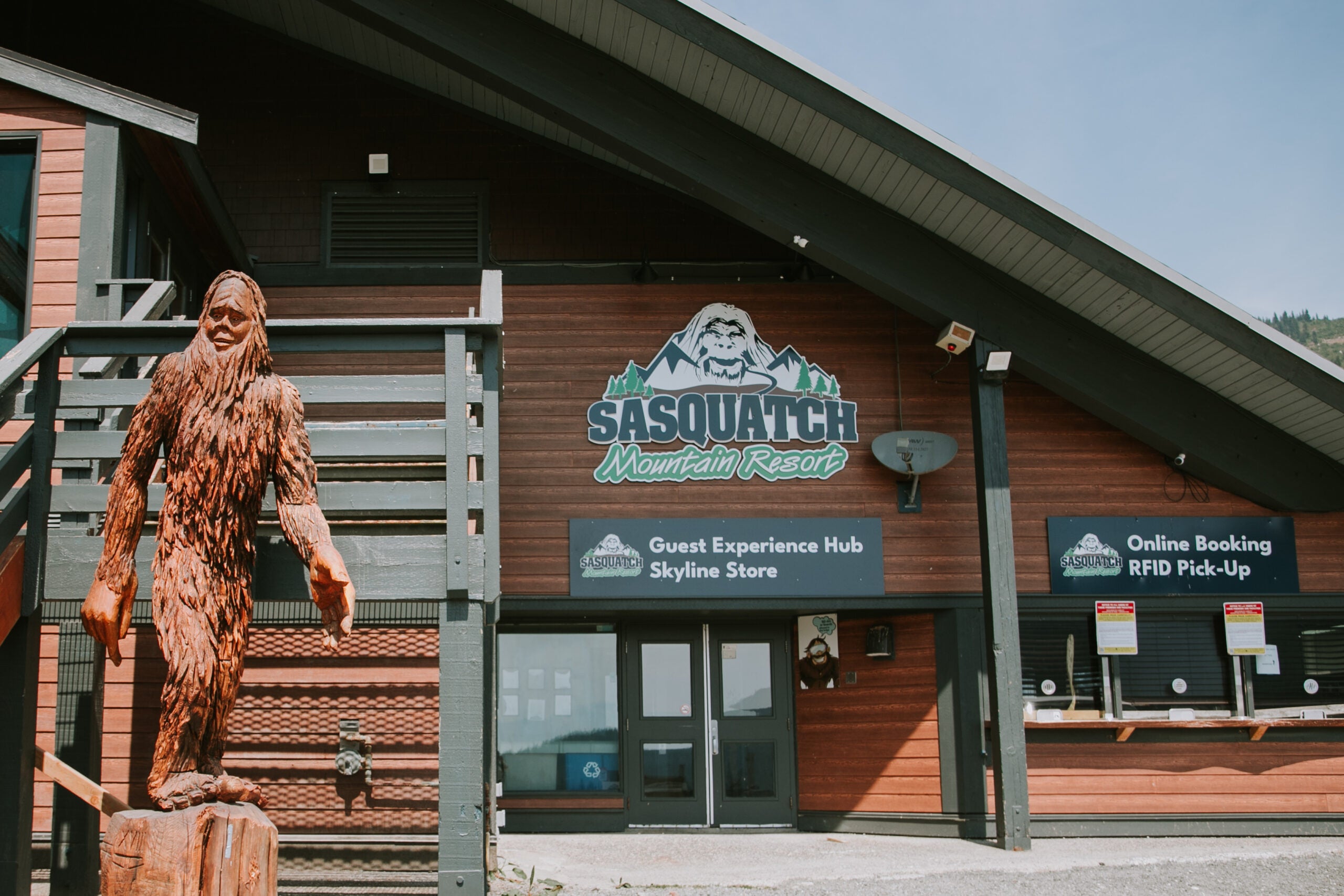
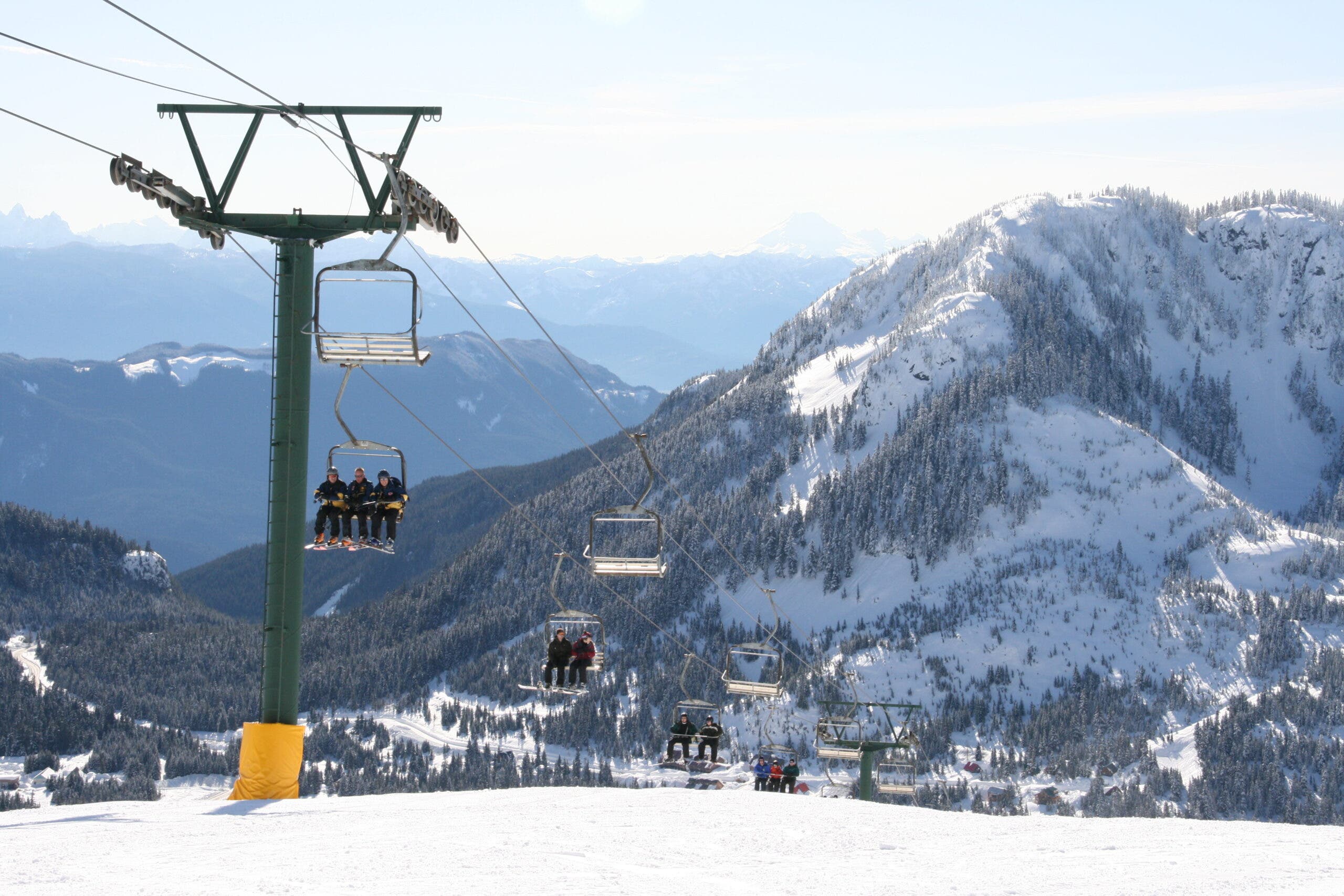
- Sasquatch Mountain Resort, British Columbia: Formerly known as Hemlock Valley Resort, the property underwent a strategic rebrand under new ownership explicitly to honor regional folklore. The mountain now features the Sasquatch Triple Chair, a "Littlefoot" beginner carpet, and runs explicitly named after the beast.
- The Greater Ecosystem: From the Espresso Chalet near Stevens Pass—a coffee stand paying homage to both the local lore and the 1987 cinematic classic Harry and the Hendersons—to Mt. Hood in Oregon, which boasts the highest concentration of documented Bigfoot sightings in the state, the mountain experience is inextricably linked to the search for Sasquatch.
Chronology: From Indigenous Oral Tradition to Modern Resort Branding
To understand how Bigfoot ended up on ski trail maps, one must trace a timeline that stretches back centuries before the invention of the alpine ski.
Pre-Colonial Era: Indigenous Roots
Long before European settlers mapped the rugged terrain of the Pacific Northwest, the legend of the hairy man lived exclusively within the oral traditions of Indigenous peoples. In British Columbia, the very word Sasquatch is an anglicized adaptation of Sásq’ets, a term derived from the Halq’eméylem language of the Sts’ailes people. These foundational narratives did not treat the being merely as a monster, but as a spiritual guardian of the wilderness, deeply integrated into the cultural cosmology of the region.
Mid-20th Century: The Birth of Modern Cryptozoology
The modern global fascination with Bigfoot crystallized in the mid-20th century, catalyzed by the 1958 Bluff Creek, California, track discoveries and amplified globally by the famous 1967 Patterson-Gimlin film shot in northern California. As logging roads opened previously impassable wilderness areas, reported sightings surged across Washington, Oregon, and British Columbia, cementing the PNW as the undisputed global capital of Sasquatch lore.
Late 20th Century: Pop Culture and Mountain Integration
As the ski industry expanded rapidly throughout the 1970s, 80s, and 90s, resort developers sought ways to differentiate their local operations from the burgeoning mega-resorts of the Rocky Mountains. Embracing local folklore offered a unique cultural hook. Roadside attractions, themed restaurants like Big White Ski Resort’s Sasquatch Sushi, and novelty trail names began to pepper the mountain landscape.
2010s–Present: The Complete Rebrand
In recent years, ski areas have moved past passing novelties into full structural integration. The transformation of Hemlock Valley into Sasquatch Mountain Resort represents the pinnacle of this trend—a deliberate corporate and cultural pivot to anchor a modern recreation hub entirely in pre-existing regional mythology.
Supporting Data and Demographics: The Geography of the Unknown
The marriage of skiing and Bigfoot is underpinned by geography and human psychology. According to Cliff Barackman, curator of the North American Bigfoot Center, the alignment between backcountry recreation and cryptid encounters is entirely logical.
- Habitat Overlap: Statistical analysis of reported Bigfoot encounters shows a staggering concentration in temperate rainforests, deep river valleys, and mountainous elevations—precisely the environments favored by backcountry skiers, alpine hikers, mountain bikers, and snowshoers.
- The Mt. Hood Hotspot: According to tracking data compiled by organizations like the North American Bigfoot Center, the Mt. Hood territory in Oregon records more historical sightings than any other geographic zone in the state. This high-probability zone sits adjacent to major commercial ski areas, intensifying the psychological thrill for visitors.
- Cultural Resonance: Surveys on regional tourism indicate that travelers to the Pacific Northwest actively seek out "authentic local flavor." The presence of Bigfoot branding acts as a cultural shorthand, signaling to visitors that they have entered a wild, untamed ecosystem distinct from the tamer ski cultures of the East Coast or Europe.
Official Responses and Cultural Stewardship
As ski resorts increasingly lean into Indigenous-derived lore for commercial branding, operators face a complex responsibility: balancing playful marketing with cultural respect.
Nikita Romane, inside operations manager at Sasquatch Mountain Resort, acknowledges that the mountain’s commercial identity rests on a foundation far deeper than corporate imagination.
"While the resort embraces the Sasquatch legend as part of its identity, it is important to recognize that stories of Sasquatch-like beings have deep roots in the Indigenous cultures of the Pacific Northwest," Romane states.
Operating explicitly on the unceded ancestral territory of the Sts’ailes people, the resort management emphasizes an ongoing commitment to acknowledging and respecting those cultural origins. Rather than appropriating the myth in a vacuum, modern operators are increasingly challenged to honor the sacred Indigenous roots of the Sásq’ets while providing a lighthearted, family-friendly atmosphere on the slopes.
Cliff Barackman offers a psychological perspective on why the public responds so enthusiastically to these efforts:
"Bigfoot has become such a recognizable symbol of the Pacific Northwest that it almost functions as a regional mascot. He is a symbol of wilderness, mystery, and the idea that some places still exist where people don’t know everything happening around them."
Matt Kung, marketing and data systems manager at Mission Ridge, echoes this sentiment regarding the physical installations on the mountain. Reflecting on the resort’s shifting steel-and-chain sculpture, Kung notes the deep philosophical alignment between the creature and the skier:
"He’s never been pinned down; he goes wherever he wants, and he belongs completely to the wild places most people only visit."
Implications: The Future of Myth in Modern Adventure Tourism
The integration of Bigfoot into Pacific Northwest ski culture carries profound implications for regional tourism, environmental psychology, and community identity.
1. Economic and Brand Differentiation
In an era where major corporate conglomerates own dozens of interchangeable ski resorts across North America, independent or regionally focused ski areas face fierce competition. Cultivating a localized, mythos-driven identity provides a distinct competitive advantage. Families do not just visit a ski hill; they embark on an interactive treasure hunt for statues, themed runs, and local lore, boosting off-mountain spending at local establishments like the Espresso Chalet.
2. Deepening Environmental Stewardship
Paradoxically, a mythical monster may be one of our best ambassadors for real-world conservation. By wrapping the wilderness in an aura of mystery and untamed possibility, Bigfoot culture encourages a protective attitude toward old-growth forests. When skiers view the backcountry not merely as a playground for vertical feet, but as a potential sanctuary for an elusive giant, it fosters a deeper psychological investment in preserving the integrity of alpine ecosystems.
3. The Playful Escape of the Modern Skier
Ultimately, modern life is hyper-measured, GPS-tracked, and digitally mapped. Every ski run’s speed, vertical drop, and exact GPS coordinates can be broadcast instantly via smartphone apps. Yet, the presence of Bigfoot injects an essential element of the unknown back into the mountains. Whether spotting a whimsical wooden carving tucked into the pines or whispering stories of the hairy man over a post-ski pint, skiers are reminded that the wilderness still holds secrets.
As long as snow blankets the towering peaks of the Cascades and the Coast Mountains, skiers will chase the powder—and keep one eye lingering nervously at the edge of the tree line, wondering if something massive is watching them from the shadows.

 Iffa Jayyana
 Azzam Bilal Chamdy


 Dwi Wanna