
 Neng Nana
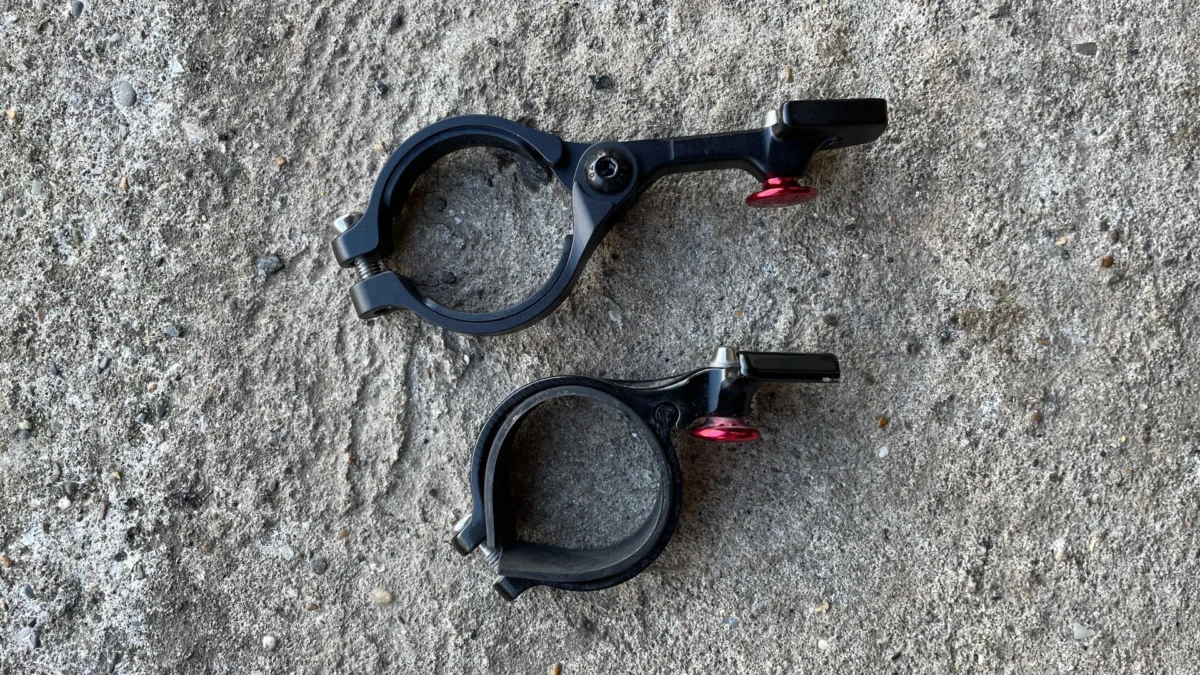
As the days shorten and winter approaches, mountain bikers face a choice: pack away the bikes until spring or embrace the dark and extend the riding season well into the evening. Thanks to major advancements in lithium-ion battery density, LED efficiency, and display technology, night riding is no longer a niche, perilous endeavor. Modern mountain bike lights offer near-daylight visibility, allowing riders to tackle technical, rowdy trails long after the sun has set.
Far from being a compromise, night riding injects a fresh perspective into familiar local loops, making even the most mundane trails feel fast, fluid, and exciting. Furthermore, it serves as an invaluable tool for maintaining hard-won summer fitness through the colder months. To help riders navigate the vast market of after-dark illumination, we examine the premier handlebar and helmet lights available today, ranging from sub-£100 budget champions to ultra-powerful, premium setups exceeding £500.
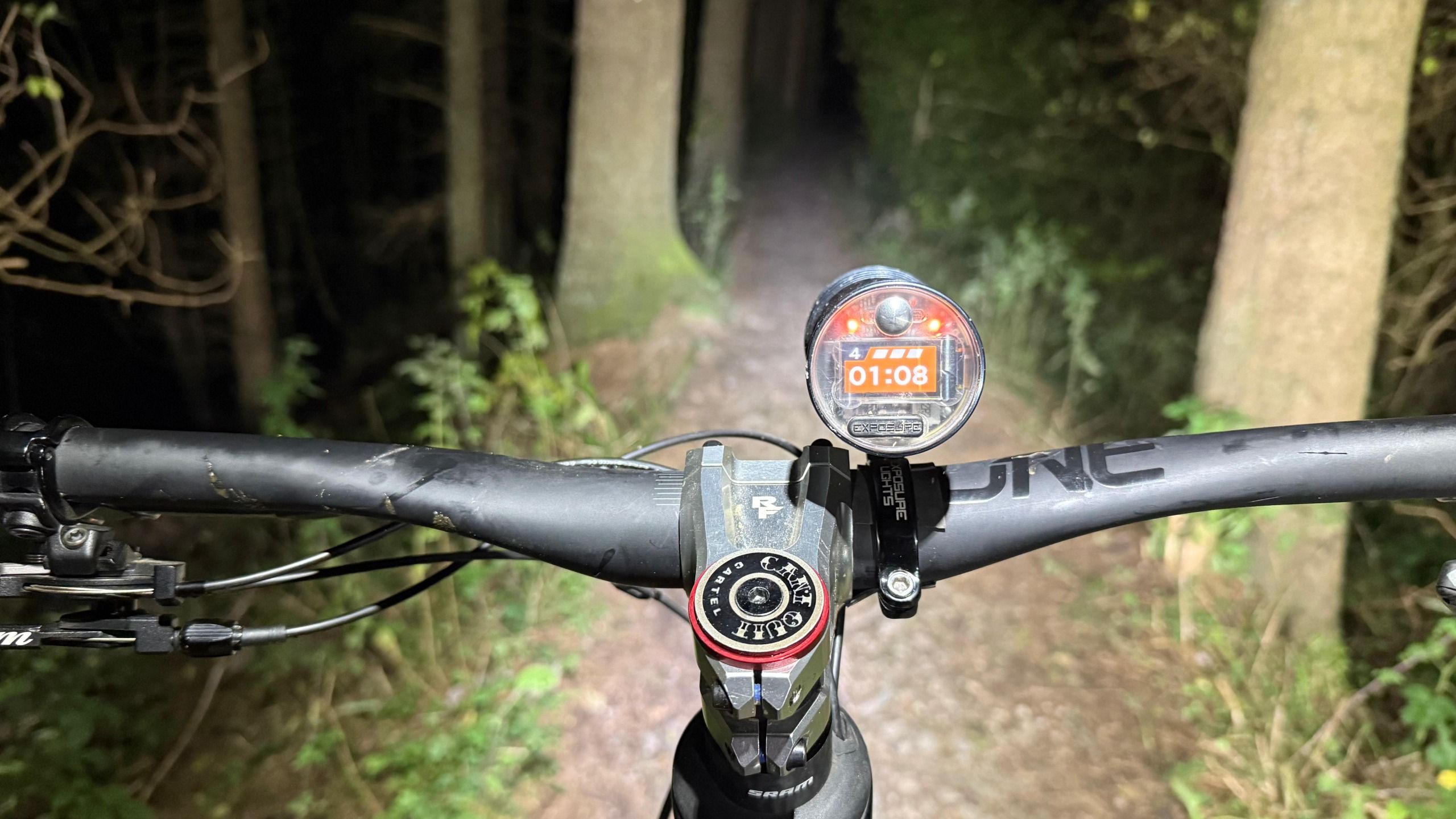
Main Facts: The State of Modern MTB Lighting
The mountain bike lighting market has reached a state of mature reliability. Following years of rapid, sometimes chaotic innovation, manufacturers have largely perfected battery management, thermal regulation, and beam optics.
- Lumens vs. Quality: While headline lumen counts often drive marketing, optical quality and beam spread dictate real-world performance. A well-engineered 2,000-lumen beam with a smooth, wide flood often outperforms a patchy, high-powered spotlight.
- Universal USB-C Adoption: Industry leaders have largely phased out bespoke charging ports in favor of USB-C fast charging, increasing convenience and enabling select lights to double as emergency power banks.
- Dual-Setup Superiority: Experts universally recommend a combined approach—utilizing a wide-beam floodlight on the handlebars to illuminate terrain features and a focused spotlight on the helmet to track eye movement around corners.
Chronology and Evolution of Night Riding Tech
The evolution of mountain bike lighting mirrors the rapid progression of portable electronics.
- The Halogen Era: Decades ago, night riding required heavy, cumbersome lead-acid batteries strapped to water bottle cages, powering dim halogen bulbs that offered limited run times and fragile reliability.
- The Early LED Revolution: The introduction of high-intensity white LEDs drastically reduced weight and energy consumption, though early systems suffered from poor heat dissipation and sudden battery degradation.
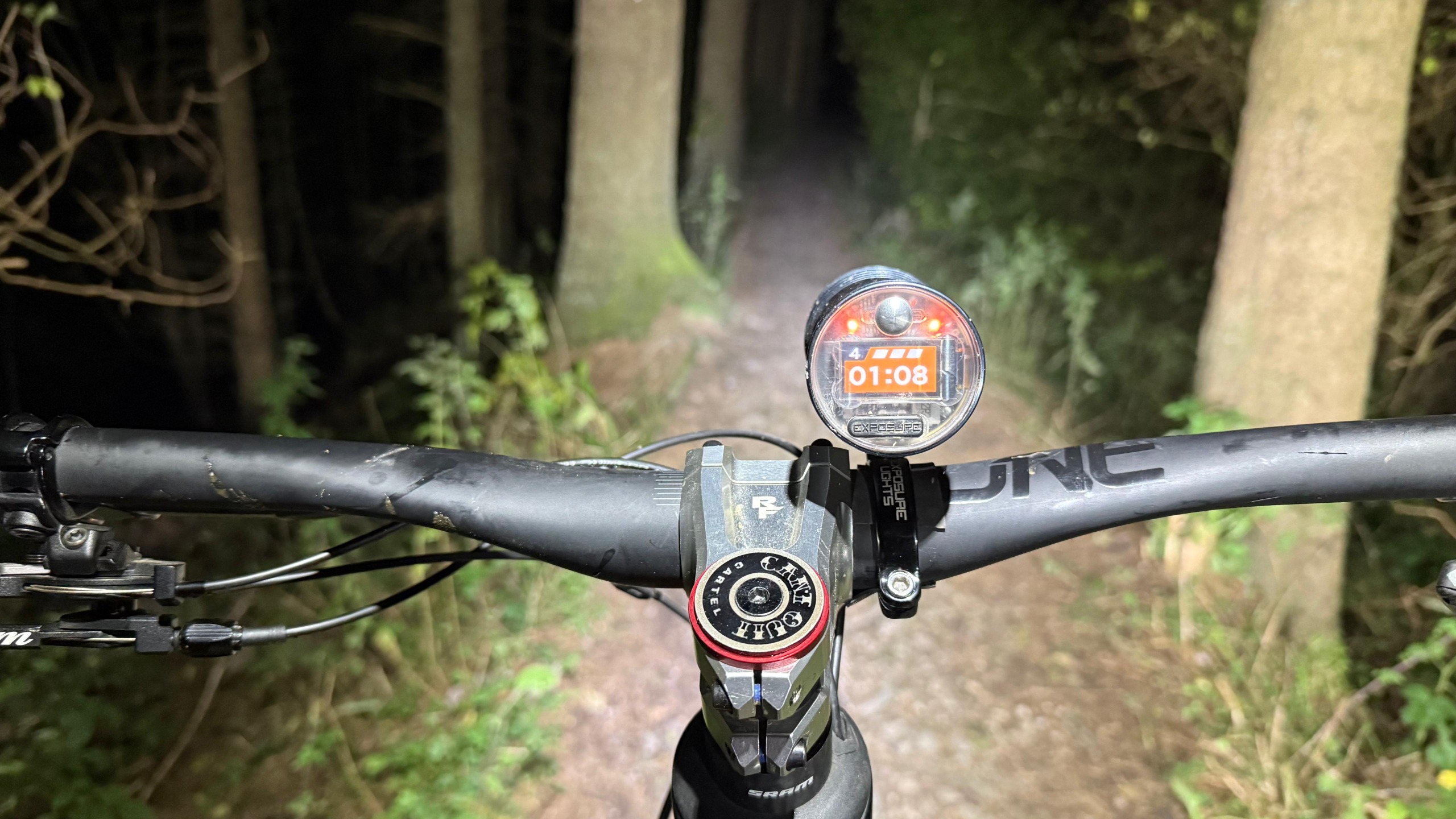
- Smart Tech and Lithium-Ion Maturity: The current era is defined by advanced lithium-ion cells, onboard accelerometers (such as Exposure’s Reflex technology), and intelligent thermal throttling. Lights now automatically adjust output based on rider movement, maximizing efficiency without sacrificing safety.
Comprehensive Review: Top Mountain Bike Lights
Best Premium Handlebar Light: Exposure Six Pack 15
- Max Lumens: 6,000 (Reflex mode)
- Weight: 411g / 14.5oz
- Battery Capacity: 20,000mAh
- Price Tier: Premium
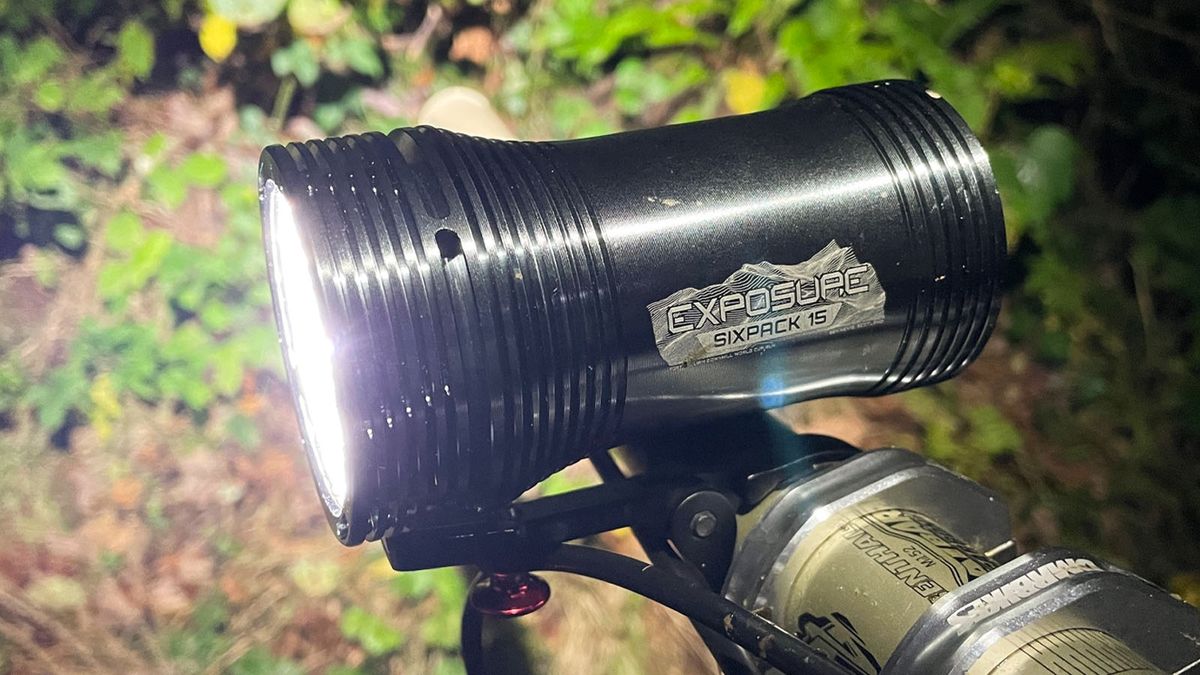
The Exposure Six Pack Mk15 is a powerhouse of British engineering. Delivering up to 6,000 lumens via six high-output LEDs, it utilizes a massive 20,000mAh internal battery that provides stellar run times.
Key Features: Exposure’s proprietary Reflex 2.0 technology uses internal accelerometers to automatically ramp up output to maximum when descending rough terrain, then dims when climbing or stopping to conserve battery. The Mk15 introduces a vibrant color OLED screen providing accurate battery metrics and USB-C fast charging capabilities.
- Pros: Exceptional beam pattern; ultra-sturdy, weatherproof build; reliable customer support.
- Cons: High price point; mounting hardware requires careful torque management to prevent loosening.
Best XC Front Light: Exposure Race 19
- Max Lumens: 2,650 (Reflex mode)
- Weight: 222g / 7.8oz
- Battery Capacity: 8,000mAh
- Price Tier: Mid-High
Designed for cross-country racers and fast-paced night riders, the Race 19 balances minimal weight with focused illumination.
Key Features: Weighing just 222g, it utilizes a twin-LED setup with a narrow 14-degree spot beam optimized for fast, straightforward trails. Like its larger sibling, it features USB-C charging and a clear color OLED status screen.
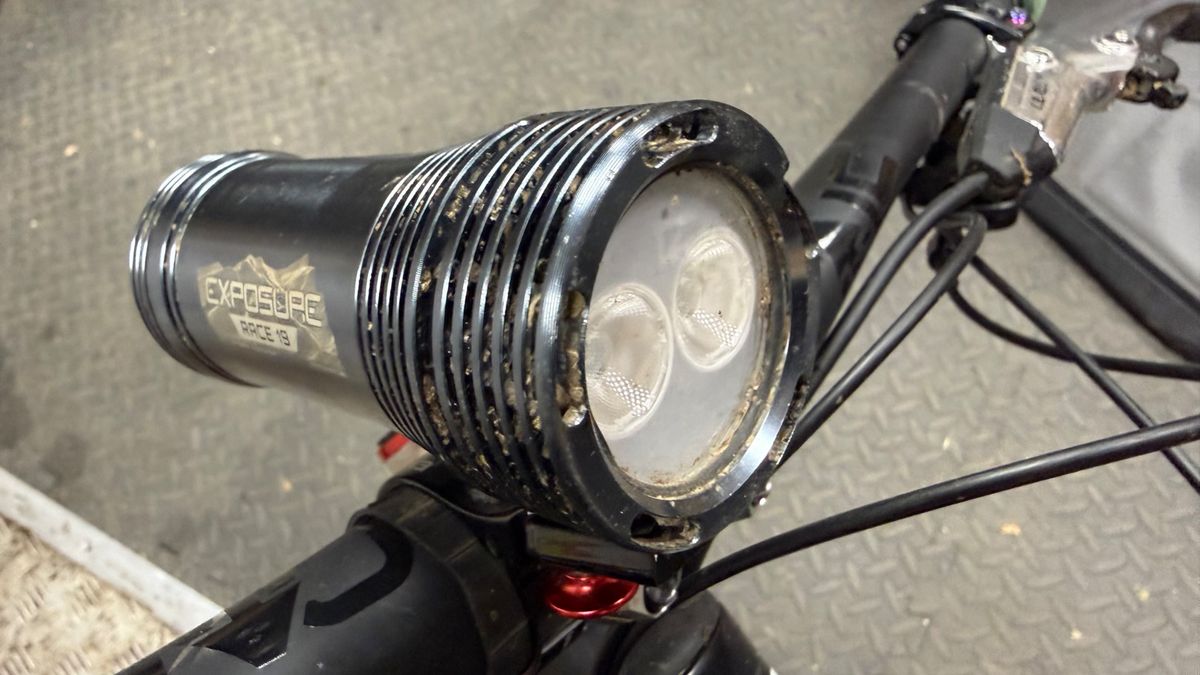
- Pros: Lightweight design; great speed-focused beam; excellent brand reputation.
- Cons: Beam can feel too narrow for twisting, highly technical enduro trails.
Best Trail/Enduro Handlebar Light: Outbound Lighting Trail Evo
- Max Lumens: 2,200
- Weight: 276g / 9.7oz
- Battery Capacity: 10,000mAh
- Price Tier: Mid-High
Outbound Lighting champions the philosophy that beam quality vastly outweighs raw lumen counts.
Key Features: The Trail Evo employs a double-row array of nine LEDs paired with specialized flood optics. Rather than blasting a blinding hot-spot down the trail, it produces a natural, wide 3D rendering of technical surfaces that mimics daylight vision. Its transverse design positions the battery away from the LEDs, utilizing airflow to prevent thermal throttling.
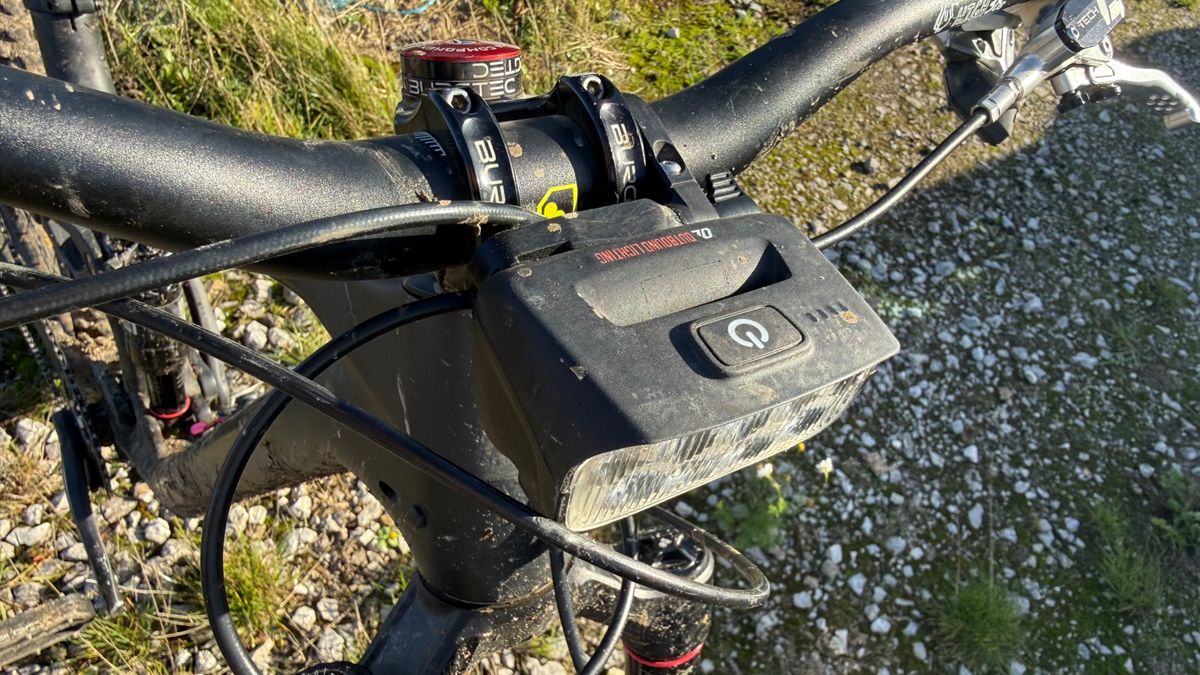
- Pros: Outstanding beam width and clarity; rock-solid quick-release mount; clever Adaptive Mode.
- Cons: High shipping costs and lack of established retail distribution outside the USA.
Best Budget Handlebar Light: Ravemen PR2400
- Max Lumens: 2,400
- Weight: 304g / 10.7oz
- Battery Capacity: 8,000mAh
- Price Tier: Budget-Friendly
For riders seeking advanced features without a luxury price tag, the Ravemen PR2400 is a proven performer.
Key Features: It utilizes four flood LEDs and a single spot LED, offering separate modes for mountain biking and road commuting. An integrated OLED screen displays precise runtime data, while an included wireless remote allows mode switching without removing hands from the grips.
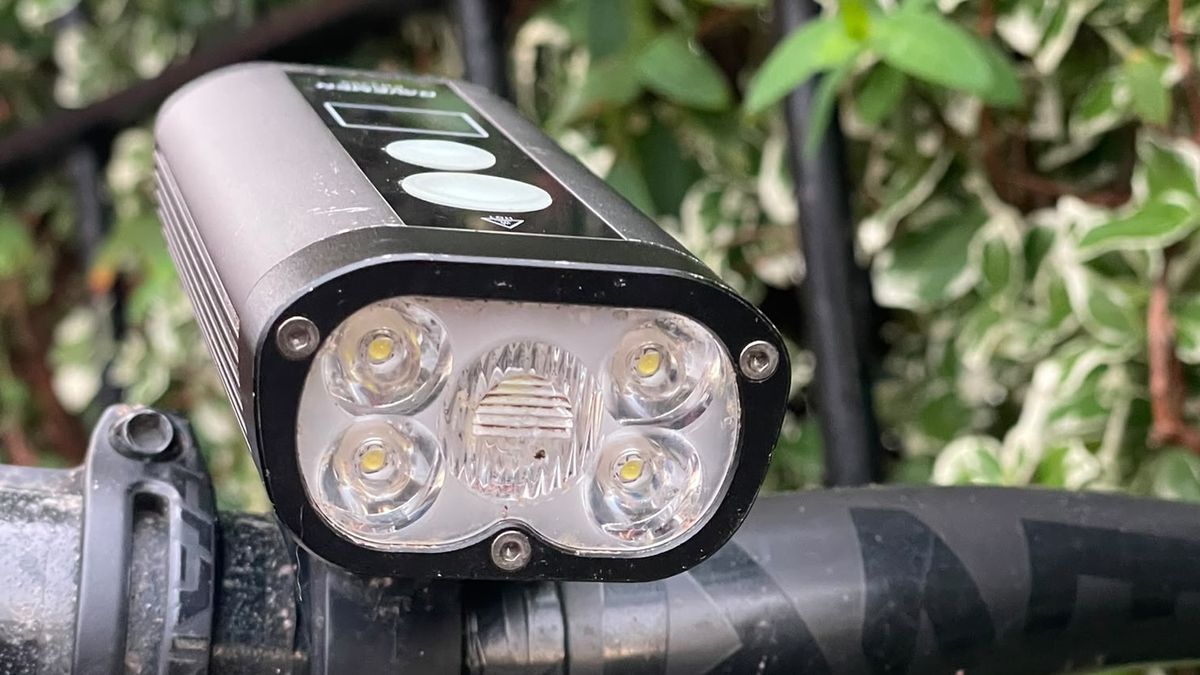
- Pros: Exceptional waterproofing (IPX8); accurate display; wireless remote included.
- Cons: Run times on maximum output are adequate rather than class-leading.
Best Power-Focused Light: Magicshine Monteer 12000
- Max Lumens: 12,000
- Weight: 1,197g / 42.2oz (including external battery)
- Battery Capacity: 10,000mAh
- Price Tier: Premium
For riders demanding absolute maximum illumination, the Magicshine Monteer 12000 turns night entirely into day.
Key Features: Kicking out an astonishing 12,000 lumens, this system requires a separate frame-mounted battery pack. It features fully customizable light modes via the Magicshine mobile app and handles open fire-roads and high-speed descents with unmatched reach.

- Pros: Massive lighting power; highly customizable via app; sturdy handlebar clamp.
- Cons: Heavy and bulky; extreme brightness can cause light reflection off nearby trees.
Best Helmet Lights: Exposure Joystick 18 & Outbound Portal
Helmet lights are crucial for illuminating corners where handlebars aren’t pointing.
- Exposure Joystick 18: Weighing a mere 125g, this 1,200-lumen icon is virtually unnoticeable on the head. It features TAP technology (allowing mode changes by tapping the body of the light or helmet) and USB-C charging.
- Outbound Portal: Delivering 1,650 lumens via a five-LED array, the Portal provides an expansive, natural field of vision from a low-profile helmet mount, reducing snag hazards on low-hanging branches.
Supporting Data: Comparative Specifications
| Model | Light Type | Max Lumens | Runtime (Max Power) | Weight | Charger | Battery Capacity | IP Rating |
|---|---|---|---|---|---|---|---|
| Exposure Six Pack 15 | Front | 6,000 | 2 hrs 10 mins | 411g | USB-C | 20,000mAh | IP67 |
| Exposure Race 19 | Front | 2,650 | 1 hr 5 mins | 222g | USB-C | 8,000mAh | IP67 |
| Outbound Trail Evo | Front | 2,200 | 1 hr 45 mins | 276g | USB-C | 10,000mAh | IP65 |
| Ravemen PR2400 | Front | 2,400 | 1 hr 40 mins | 304g | USB-C | 8,000mAh | IPX8 |
| Magicshine Monteer 12000 | Front | 12,000 | 2 hrs 10 mins | 1,197g | USB-C | 10,000mAh | IPX6 |
| Lezyne Mega Drive 2400+ | Front | 2,400 | 2 hrs 26 mins | 335g | USB-C | 9,600mAh | IPX7 |
| Exposure Joystick 18 | Helmet | 1,200 | 1 hr 40 mins | 125g | USB-C | 4,000mAh | IP67 |
| Outbound Portal | Helmet | 1,650 | 1 hr 30 mins | 190g | USB-C | 5,000mAh | IP65 |
| Fenix BC26R | Front/Helmet | 1,600 | 1 hr 40 mins | 184g | USB-C | 5,000mAh | IPX7 |
Official Industry Responses and Testing Insights
Manufacturers emphasize that published lumen figures and run times often assume ideal laboratory conditions with constant airflow. In real-world trail scenarios, lights encounter thermal limits that trigger automatic output reductions (thermal throttling).
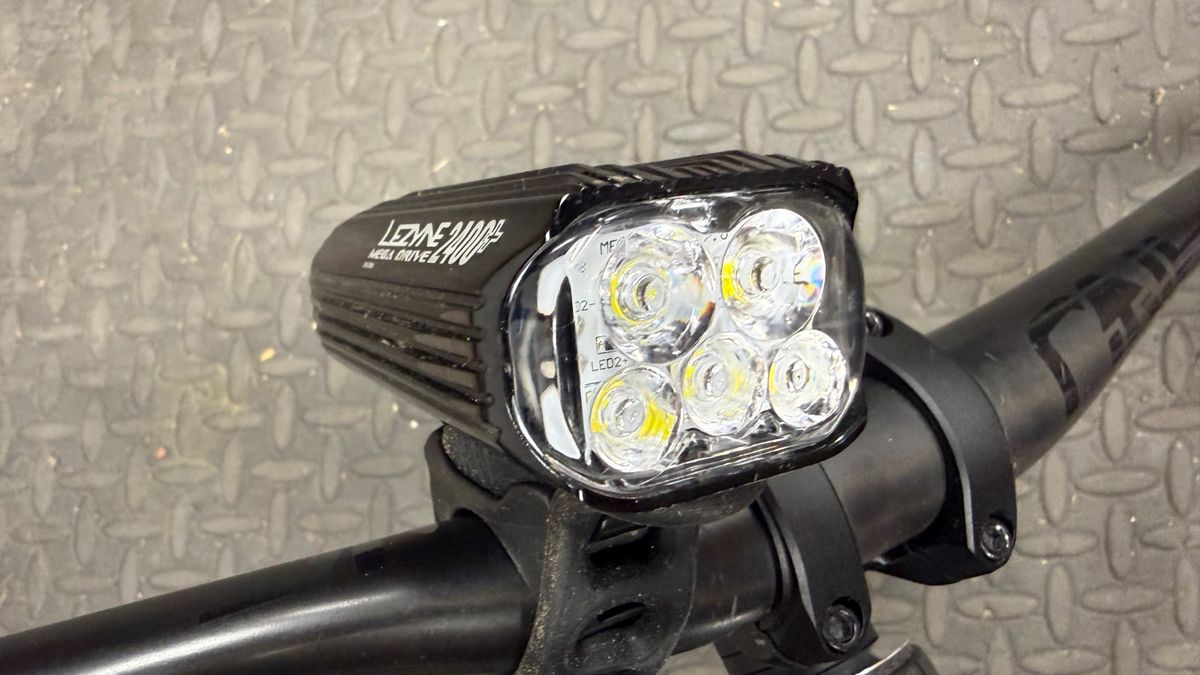
Independent testing protocols—such as conducting bench tests in temperature-controlled environments with active cooling fans—reveal that real-world run times often differ from marketing claims. Brands with robust customer service networks, such as Exposure and Outbound, stress the importance of serviceable internal components, noting that high-end lights are long-term investments rather than disposable seasonal accessories.
Implications for Riders
Investing in a quality mountain bike lighting system fundamentally transforms winter riding habits. By understanding the distinction between flood and spot optics, managing battery capacities for cold-weather riding, and utilizing a dual handlebar-and-helmet setup, riders can maintain peak technical skills and cardiovascular fitness year-round. While premium systems demand a significant financial commitment, the safety, expanded trail availability, and enhanced performance they provide ensure that the investment pays dividends on every after-dark adventure.

 Sagoh
 Reynand Wu
 Lina Irawan
 Basiran
 Ali Ikhwan

 Raul Delapena Setiawan